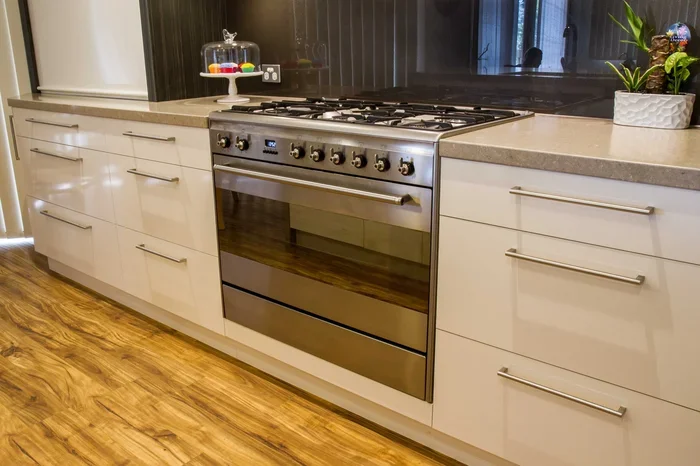
Everything You Need to Know About the Freestanding Oven
A freestanding oven is a versatile kitchen appliance that stands on the floor and can be placed anywhere with a power outlet. Unlike built-in models, a freestanding oven offers flexible placement, easy installation, and affordable pricing. This guide covers types, features, buying tips, and maintenance to help you pick the best option for your home.
A freestanding oven is one of the most popular kitchen appliances you can buy today. It sits on the floor on its own, without needing to be built into cabinetry. This design gives homeowners freedom, flexibility, and value.
If you are renovating your kitchen or just replacing an old appliance, understanding the freestanding oven is essential. These ovens come in electric and gas versions. They range from compact models to large double ovens. The options are truly endless.
In this guide, we will cover everything you need to know. You will learn about types, features, installation, maintenance, and buying tips. By the end, you will feel confident choosing the right freestanding oven for your home and cooking style.
Key Takeaways
- Flexible Placement: A freestanding oven can go anywhere in your kitchen with access to a power outlet.
- Budget-Friendly: Freestanding models are generally more affordable than built-in ovens.
- Easy Installation: No cabinetry or permanent fitting is needed for a freestanding oven setup.
- Variety of Options: Electric and gas freestanding ovens come with many features like convection, self-cleaning, and smart controls.
- Great for Any Kitchen Size: Compact and full-size freestanding ovens fit small apartments and large homes alike.
- Simple Maintenance: Cleaning and caring for a freestanding oven is straightforward with the right tips.
📑 Table of Contents
- What Is a Freestanding Oven and Why Does It Matter?
- Types of Freestanding Ovens You Can Choose From
- Key Features to Look for in a Freestanding Oven
- How to Choose the Right Freestanding Oven for Your Kitchen
- Freestanding Oven Installation Tips and Tricks
- Maintaining Your Freestanding Oven for Long-Lasting Performance
- Common Mistakes People Make with Freestanding Ovens
- Expert Insights on Choosing the Best Freestanding Oven
- Key Takeaways
- Conclusion
What Is a Freestanding Oven and Why Does It Matter?
A freestanding oven is a standalone cooking appliance that does not require permanent installation. It stands on the floor and plugs into a standard electrical outlet or gas line. You can place it against a wall, in a corner, or even move it if needed.
This is different from a built-in oven or a slide-in oven that gets tucked into kitchen cabinets. A freestanding oven has a finished back and sides. This means it looks good on its own without needing a surrounding frame.
Why does this matter? Many renters and homeowners prefer the freestanding oven because it is easy to set up. You do not need to hire a professional installer. You simply unbox it, place it, plug it in, and start cooking. This simplicity saves time and money.
Another big advantage is flexibility. If you move homes, you can take your freestanding oven with you. It also lets you rearrange your kitchen layout without major renovation. For anyone who values convenience, the freestanding oven is a smart choice.
Freestanding Oven vs Built-In Oven
People often compare the freestanding oven with the built-in model. Here are the key differences:
- Installation: A freestanding oven plugs in and goes. A built-in oven needs cabinetry and professional fitting.
- Cost: Freestanding ovens are generally cheaper than built-in versions.
- Portability: You can move a freestanding oven easily. Built-in models are permanent fixtures.
- Aesthetics: Built-in ovens look sleeker and more integrated. Freestanding ovens have a more traditional look.
- Size Options: Both types come in compact and full-size versions.
Both options work great for baking, roasting, and everyday cooking. Your choice depends on your budget, kitchen space, and personal preference.
Types of Freestanding Ovens You Can Choose From
Not all freestanding ovens are the same. There are several types to consider. Each type offers different benefits for different cooking needs.
Electric Freestanding Oven
The electric freestanding oven is the most popular type. It runs on electricity and heats up using electric elements. Most homes in urban areas already have the wiring for an electric oven.
Electric freestanding ovens offer even heat distribution. They are great for baking and roasting. Many models include a convection fan that circulates hot air for faster, more even cooking.
Some electric freestanding ovens come with a steam cooking feature. This allows you to cook healthier meals with less oil. Steam ovens are becoming increasingly popular among health-conscious home cooks.
Gas Freestanding Oven
A gas freestanding oven runs on natural gas or propane. Many professional chefs prefer gas because it offers instant heat control. You can adjust the temperature quickly and precisely.
Gas freestanding ovens often have a broiler at the top. This is perfect for browning dishes or making toast. Some models also include a gas cooktop on top, creating a full range unit.
Keep in mind that you need a gas line in your kitchen for a gas freestanding oven. Not all homes have this connection. Installation may require a licensed technician.
Double Freestanding Oven
A double freestanding oven has two separate cooking chambers. This is ideal for large families or people who love to cook multiple dishes at once. You can bake a cake on one level and roast vegetables on the other.
Double ovens take up more floor space. They also cost more than single ovens. However, the convenience and cooking capacity make them worth it for serious home cooks.
Compact Freestanding Oven
A compact freestanding oven is a smaller version designed for tight spaces. It is perfect for studio apartments, dorm rooms, or small kitchens. Despite its size, a compact oven can still bake, roast, and broil effectively.
Some compact freestanding ovens also function as toaster ovens. This gives you extra versatility in a small footprint. They are also more energy efficient than full-size models.
Key Features to Look for in a Freestanding Oven
When shopping for a freestanding oven, certain features can make a big difference. Here are the most important ones to consider.
Convection Cooking
Convection is a feature that uses a fan to spread hot air evenly inside the oven. This means your food cooks faster and more uniformly. It is especially helpful for baking multiple trays at once.
Many modern freestanding ovens come with convection as a standard feature. If you bake often, this is a must-have. It can reduce cooking times by up to 25 percent.
Self-Cleaning Function
A self-cleaning oven uses high heat to burn off food residue. After the cycle finishes, you simply wipe away the ash. This saves a lot of scrubbing time and effort.
Not all freestanding ovens include self-cleaning. Models that do tend to cost a bit more. But for busy households, the convenience is well worth it.
Oven Timer and Smart Controls
A reliable oven timer helps you keep track of cooking times. Many freestanding ovens now include digital timers with alerts. Some even connect to your phone through smart technology.
Smart oven features let you preheat, adjust temperature, and monitor cooking from your smartphone. This is a great upgrade for tech-savvy cooks. It adds a layer of convenience that older models simply do not have.
Energy Efficiency
Look for an energy efficient oven to save on electricity or gas bills. Many freestanding ovens carry energy ratings that tell you how efficient they are. Choosing a high-rated model can reduce your utility costs over time.
Double-glazed oven doors also help retain heat. This means your oven uses less energy to maintain the right temperature. It is a small detail that makes a big difference.
Oven Rack Quality and Capacity
The oven rack should be sturdy and adjustable. You want to be able to position it at different heights for different dishes. Thick chrome-coated racks last longer and resist rust.
Cooking capacity is measured in liters. A larger cooking capacity means you can fit bigger dishes inside. If you roast large turkeys or bake multiple sheet pans, go for a higher capacity freestanding oven.
Oven Door Design
The oven door design affects both safety and usability. Many modern freestanding ovens have cool-touch doors. This prevents burns when you open the oven.
Some doors are tinted or have inner glass panels. This helps trap heat inside and improves energy efficiency. A oven door with a window also lets you check on your food without opening the door and losing heat.
How to Choose the Right Freestanding Oven for Your Kitchen
Choosing the right freestanding oven can feel overwhelming. There are so many brands, sizes, and features. But if you follow a few simple steps, the process becomes much easier.
Step 1: Measure Your Available Space
Before you shop, measure the space where the oven will go. A freestanding oven needs clearance on all sides for ventilation. Typically, you need at least a few inches of space around the unit.
Make sure the floor is level and sturdy. A freestanding oven can be heavy, especially when loaded with food. Placing it on a stable surface prevents accidents and ensures even cooking.
Step 2: Decide Between Electric and Gas
Think about what type of fuel is available in your home. If you have a gas line, a gas freestanding oven is a great option. If not, an electric freestanding oven is the natural choice.
Consider your cooking habits too. If you bake a lot, electric ovens tend to provide more consistent results. If you prefer the feel of open-flame cooking, gas might be better.
Step 3: Set a Budget
Freestanding ovens come in a wide price range. Basic models can be very affordable. High-end models with smart features and large capacity cost more.
Set a budget before you start shopping. This helps you narrow down options and avoid overspending. Remember that a higher price does not always mean better performance.
Step 4: Read Reviews and Compare Brands
Always read customer reviews before buying. Look for brands known for reliability and good customer service. Popular brands in the oven market include Samsung, LG, Bosch, Whirlpool, and Electrolux.
Compare at least three models side by side. Pay attention to warranty length, energy ratings, and included features. This ensures you get the best value for your money.
Step 5: Consider Your Cooking Needs
Think about what you cook most often. If you bake frequently, prioritize even heat and convection. If you roast often, look for a large capacity and strong broiler.
Some freestanding ovens come with specialized modes. These include pizza mode, bread baking, and slow cooking. Choose features that match your lifestyle and cooking habits.
Freestanding Oven Installation Tips and Tricks
Installing a freestanding oven is much simpler than installing a built-in model. However, a few tips can make the process even smoother.
First, make sure the power outlet or gas connection is in the right place. You do not want to stretch a cord or pipe across the kitchen. Safety comes first with any appliance installation.
If you are installing a gas freestanding oven, have a professional check the gas line. Even a small leak can be dangerous. For electric models, ensure the outlet matches the oven’s voltage requirements.
Place the oven on a flat, hard surface. Avoid placing it on carpet or uneven flooring. This prevents tipping and ensures stable operation.
Leave space at the back for ventilation. Most freestanding ovens need a few inches of clearance behind them. Check the manufacturer’s guidelines for exact measurements.
Once the oven is in place, run a test cycle before cooking your first meal. This helps you confirm that everything is working properly. It also lets you get familiar with the controls and features.
Maintaining Your Freestanding Oven for Long-Lasting Performance
Proper maintenance keeps your freestanding oven running smoothly for years. A well-maintained oven cooks better, uses less energy, and lasts longer.
Clean Regularly
Wipe down the interior of your freestanding oven after every use. Spills and crumbs can build up quickly. Regular cleaning prevents stubborn stains and odors.
Use a mild oven cleaner or a baking soda solution for tough grime. Avoid harsh chemicals that can damage the oven’s interior surfaces. A soft cloth or sponge works best.
Remove and wash the oven racks separately. Soak them in warm soapy water to loosen baked-on residue. This keeps them looking new and performing well.
Use the Self-Cleaning Feature
If your freestanding oven has a self-cleaning function, use it every few months. Run the cycle when the oven is empty. This burns off grease and food particles that regular cleaning misses.
After the self-cleaning cycle, let the oven cool completely before wiping it out. The ash left behind is easy to remove with a damp cloth.
Check the Door Seal
The oven door seal keeps heat inside the cooking chamber. Over time, the seal can wear out or become loose. Check it regularly for cracks or gaps.
A damaged seal lets heat escape. This means your oven uses more energy and cooks less efficiently. Replacing a oven door seal is simple and affordable.
Inspect the Heating Elements
Look at the top and bottom heating elements regularly. They should glow evenly when the oven is on. If one element is darker or not glowing, it may need replacement.
Faulty heating elements affect cooking performance. Food may cook unevenly or take longer to prepare. Replacing an element is usually a quick and inexpensive fix.
Descale If You Have Hard Water
If you live in an area with hard water, mineral deposits can build up inside your freestanding oven. This is especially true for steam ovens and ovens with water trays.
Use a vinegar and water solution to descale the interior. Run a short cleaning cycle with the solution, then rinse thoroughly. This keeps your oven performing at its best.
Common Mistakes People Make with Freestanding Ovens
Even experienced cooks make mistakes with their freestanding ovens. Avoiding these common errors can improve your cooking results and extend the life of your appliance.
Overcrowding the oven: Placing too many dishes inside blocks airflow. This leads to uneven cooking. Leave space between dishes for hot air to circulate.
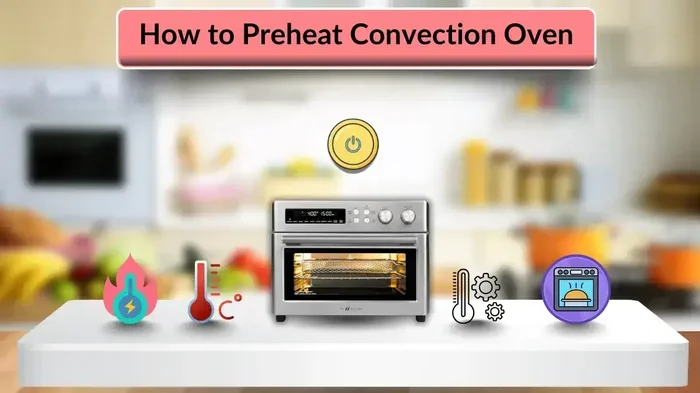
Skipping preheating: Many recipes require a preheated oven. Skipping this step can result in undercooked or unevenly baked food. Always give your freestanding oven time to reach the right temperature.
Ignoring the oven manual: Every freestanding oven comes with a user manual. It contains important safety instructions and care tips. Reading the manual takes just a few minutes and can save you from costly mistakes.
Using the wrong rack position: The position of the oven rack affects how food cooks. For baking, the middle rack is usually best. For broiling, place the rack closer to the top element.
Neglecting maintenance: Skipping regular cleaning and inspections leads to buildup and inefficiency. A few minutes of maintenance each week goes a long way.
Expert Insights on Choosing the Best Freestanding Oven
We spoke with several kitchen appliance experts to get their top tips for choosing a freestanding oven. Here is what they had to say.
Chef Maria Lopez recommends looking for a convection freestanding oven if you bake regularly. She says, “Convection changes the game for home bakers. Your pastries and breads come out perfectly every time.”
Appliance reviewer James Chen advises focusing on energy efficiency. “A high-rated energy efficient oven saves money on your utility bills over time. It is a smart long-term investment,” he explains.
Interior designer Sarah Kim suggests considering the oven’s finish and style. “A freestanding oven is visible in your kitchen. Choose a finish that matches your kitchen decor. Stainless steel is a popular and timeless choice,” she says.
These expert insights highlight the importance of thinking beyond just price. Consider how you cook, what you value, and how the oven fits into your overall kitchen design.
Key Takeaways
- Flexible Placement: A freestanding oven can go anywhere in your kitchen with access to a power outlet or gas line.
- Budget-Friendly: Freestanding ovens are generally more affordable than built-in models.
- Easy Installation: No cabinetry or permanent fitting is needed for a freestanding oven setup.
- Variety of Options: Electric and gas freestanding ovens come with many features like convection, self-cleaning, and smart controls.
- Great for Any Kitchen Size: Compact and full-size freestanding ovens fit small apartments and large homes alike.
- Simple Maintenance: Cleaning and caring for a freestanding oven is straightforward with regular attention.
Conclusion
The freestanding oven is a fantastic choice for any kitchen. It offers flexibility, affordability, and ease of use. Whether you are a casual cook or a dedicated home chef, there is a freestanding oven that fits your needs.
From electric and gas models to compact and double ovens, the options are vast. Focus on the features that matter most to you. Consider your cooking habits, kitchen space, and budget. With the right freestanding oven, every meal becomes a better experience.
Take the time to research, compare, and choose wisely. A quality freestanding oven will serve your kitchen for many years to come. Start your search today and enjoy the difference a great oven makes.
Frequently Asked Questions
What is a freestanding oven?
A freestanding oven is a standalone cooking appliance that sits on the floor and does not require built-in cabinetry. It plugs into a power outlet or gas line and can be placed anywhere in your kitchen. This makes it a flexible and affordable option for many homes.
How is a freestanding oven different from a built-in oven?
A freestanding oven stands on its own and needs no permanent installation. A built-in oven is installed inside kitchen cabinets and requires professional fitting. Freestanding ovens are easier to set up, more portable, and usually more affordable.
Can I install a freestanding oven myself?
Yes, most freestanding ovens are designed for easy DIY installation. Electric models simply plug into a standard outlet. Gas models may require a professional to connect the gas line safely. Always follow the manufacturer’s instructions for best results.
What size freestanding oven should I buy?
The right size depends on your kitchen space and cooking needs. A compact freestanding oven works well for small kitchens or single cooks. A full-size or double freestanding oven is better for large families or frequent entertaining. Measure your available space before purchasing.
Are freestanding ovens energy efficient?
Many modern freestanding ovens are designed to be energy efficient. Look for models with good energy ratings and features like double-glazed doors and convection fans. An energy efficient oven helps reduce your electricity or gas bills over time.
How do I clean a freestanding oven?
Wipe the interior after each use with a mild cleaner. Use the self-cleaning function if your model has one. Remove and wash the oven racks regularly. For tough stains, a baking soda paste works well. Avoid harsh chemicals that can damage the oven surfaces.