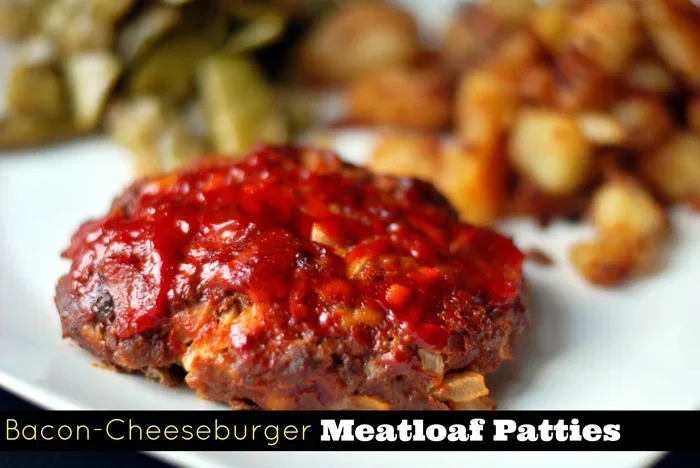
How Long To Cook Meatloaf Patties In Oven For Juicy Results
Knowing how long to cook meatloaf patties in the oven is the key to juicy, perfectly cooked results every single time. Most patties bake at 350°F to 375°F and take between 20 and 40 minutes depending on size and thickness. This guide covers everything from temperatures and timing to ingredient tips and common mistakes so you can make the best meatloaf patties at home.
There is nothing quite like a warm, juicy meatloaf patty straight from the oven. Whether you are meal prepping for the week or cooking dinner for your family, how long to cook meatloaf patties in oven is the question that makes or breaks the dish. Too short and the center stays raw. Too long and you end up with dry, crumbly patties that nobody wants to eat.
The good news is that mastering this simple recipe is easier than you think. With the right oven temperature, a few quality meatloaf ingredients, and a reliable timer, you can make juicy meatloaf patties like a pro. This guide walks you through every step so you get perfect results every time you turn on your oven-baked creation.
Let us be real for a second. Meatloaf gets a bad reputation. People think it is dry, bland, and boring. But a well-made meatloaf patty cooked in a hot oven can be one of the most satisfying meals you will ever make. It is comfort food at its finest. It is perfect for family dinner night, easy home cooking, and even meal prep on Sundays. Once you nail the timing and temperature, you will never go back to dry, overcooked patties again.
Key Takeaways
- Ideal Temperature: Cook meatloaf patties at 350°F to 375°F for even browning and juicy results.
- Cooking Time Range: Thin patties need 20-25 minutes, while thicker patties take 30-40 minutes.
- Internal Temperature: Always check that the center reaches 160°F for food safety.
- Juicy Results: Use the right meat blend, avoid overmixing, and let patties rest after baking.
- Common Mistakes: Overcooking and using too much filler are the top reasons meatloaf patties dry out.
- Meal Prep Friendly: Cooked patties store well and reheat beautifully for easy weeknight meals.
📑 Table of Contents
- The Ideal Oven Temperature for Meatloaf Patties
- How Long To Cook Meatloaf Patties In Oven
- Ingredients That Make Meatloaf Patties Juicy
- Step-by-Step Guide to Cooking Meatloaf Patties
- Signs Your Meatloaf Patties Are Done
- Common Mistakes That Ruin Meatloaf Patties
- Expert Tips for the Best Meatloaf Patties Every Time
- How to Store and Reheat Cooked Meatloaf Patties
- Conclusion
The Ideal Oven Temperature for Meatloaf Patties
Why Temperature Matters So Much
The oven temperature you choose directly affects how your meatloaf patties turn out. Too hot and the outside burns before the inside cooks through. Too cool and the patties spend too much time in the oven, losing all their moisture. Finding the sweet spot is essential for juicy meatloaf that has a nice crust on the outside and a tender center.
Most baked meatloaf recipes call for a moderate oven temperature. This allows the heat to penetrate evenly through the patty without drying out the edges. The temperature setting also affects how quickly the meatloaf glaze caramelizes on top, giving you that beautiful golden-brown finish everyone loves.
Best Temperature Settings for Perfect Patties
Here are the most reliable temperature ranges for cooking meatloaf patties:
- 350°F (175°C): The most common and safest choice. This temperature cooks patties evenly and gives you a moist, tender result. Great for thicker patties.
- 375°F (190°C): Slightly higher heat for a faster cook and crispier edges. Works well for thinner patties that need less time.
- 400°F (200°C): Best for very thin patties or when you want a heavily caramelized top. Watch these closely to avoid burning.
For most home cooks, 350°F is the go-to oven temperature. It gives you a forgiving window where the patties cook through without drying out. If you want a bit more color on top, bump it up to 375°F for the last 5-10 minutes of cooking.
How Long To Cook Meatloaf Patties In Oven
Cooking Times By Patty Size
The cooking time for meatloaf patties depends mainly on their thickness and weight. A thin, small patty will cook much faster than a thick, heavy one. Here is a simple breakdown to help you plan your home cooking schedule:
- Thin patties (about 1/2 inch thick): 20-25 minutes at 375°F. These are great for sandwiches or quick weeknight meals.
- Medium patties (about 3/4 inch thick): 25-30 minutes at 350°F. This is the most popular size for a reason.
- Thick patties (about 1 inch thick): 30-40 minutes at 350°F. These need more time to cook through evenly.
- Large dinner-sized patties (over 1 inch): 35-45 minutes at 350°F. Always use a meat thermometer to check doneness.
Thin vs Thick Patties: What You Need to Know
Thin patties cook faster because the heat reaches the center quickly. However, they also dry out faster if you leave them in the oven too long. Thick patties take more time but hold onto their moisture better because the center stays insulated longer.
If you are making protein-rich patties for a comfort food dinner, aim for the medium thickness. It gives you the best balance of cooking time and juiciness. You can always adjust based on your preference, but the guidelines above will get you started on the right foot.
| Patty Thickness | Oven Temp | Cooking Time | Best For |
|---|---|---|---|
| Thin (1/2 inch) | 375°F | 20-25 min | Sandwiches, quick meals |
| Medium (3/4 inch) | 350°F | 25-30 min | Everyday family dinner |
| Thick (1 inch) | 350°F | 30-40 min | Hearty dinner portions |
| Extra Thick (1+ inch) | 350°F | 35-45 min | Large servings, meal prep |
Ingredients That Make Meatloaf Patties Juicy
The Right Meat Blend
The foundation of any great meatloaf recipe starts with the meat you choose. Using the right blend makes a huge difference in both flavor and moisture. Here are the best options for juicy meatloaf patties:
- Ground beef (80/20 blend): The classic choice. The 20% fat content keeps patties moist and flavorful. This is the go-to for most savory meatloaf recipes.
- Ground turkey and beef mix: A lighter option that still tastes amazing. Try a 50/50 blend for a healthier twist on your comfort food dinner.
- Ground pork and beef blend: Pork adds sweetness and extra fat, making the patties incredibly tender. This is a favorite among experienced home cooks.
Avoid using extra-lean ground beef. It lacks the fat needed to keep your patties juicy during oven-baked cooking. A little fat is your friend when it comes to meatloaf patties.
Binding Ingredients That Hold It Together
Every great meatloaf patty needs the right binders to hold its shape while cooking. These ingredients also contribute to the texture and moisture of the final product:
- Bread crumbs: The most common binder. Use about 1/2 cup per pound of meat. They absorb excess moisture and help the patty hold together.
- Eggs: One or two eggs per pound of meat acts as a strong binder. This is essential for patties that need to flip and serve without falling apart.
- Onion and garlic: Adds flavor and moisture. Sauté them first for the best results in your meatloaf ingredients mix.
- Milk or buttermilk: A splash adds tenderness. The dairy softens the bread crumbs and keeps the patty moist.
Do not overmix your meatloaf ingredients. Gently combine everything until just blended. Overmixing makes the patties dense and tough, which defeats the purpose of trying to make them juicy.
Step-by-Step Guide to Cooking Meatloaf Patties
Preparation: Getting Your Patties Ready
Before you even think about turning on the oven, proper preparation sets you up for success. Follow these steps to get your meatloaf patties oven-ready:
- Preheat your oven to 350°F or 375°F depending on your patty thickness.
- Combine your ground meat, bread crumbs, egg, and seasonings in a large bowl.
- Mix gently with your hands until everything is just combined.
- Divide the mixture into equal portions and shape each into a patty about 3/4 inch thick.
- Place the patties on a lined baking sheet with space between each one for even air flow.
Shaping the patties evenly is one of the most overlooked steps. If some patties are thicker than others, they will cook at different rates. Take the extra minute to make them uniform. Your cooking time will be much more predictable, and the results will be far more consistent.
The Baking Process: What to Expect
Once your meatloaf patties are in the oven, the magic begins. Here is what happens during the baking process:
- First 10 minutes: The patties start to firm up on the outside. You may notice some moisture pooling on the baking sheet. This is normal.
- 10-20 minutes: The edges begin to brown and the inside starts to cook through. The meatloaf glaze starts to caramelize if you apply it during this window.
- 20-30 minutes: The patties are nearly done. The internal temperature should be climbing toward the safe zone.
- Final 5-10 minutes: This is the critical window. Check the internal temperature and pull the patties when they reach 160°F.
Resist the urge to open the oven door constantly. Every time you open it, you lose heat and can affect the cooking time of your oven-baked patties. Trust the process and use the oven light to check on them.
Adding a Delicious Meatloaf Glaze
A meatloaf glaze takes your patties from good to great. The classic glaze combines ketchup, brown sugar, and a splash of vinegar. Spread it over the patties during the last 10-15 minutes of baking. This gives you a sweet, tangy crust that adds so much flavor to your savory meatloaf.
Some people prefer a mustard glaze or a BBQ sauce alternative. Feel free to experiment with different meatloaf ingredients for the glaze. The key is to apply it late in the cooking process so it caramelizes without burning.
Signs Your Meatloaf Patties Are Done
Internal Temperature: The Most Reliable Indicator
The single best way to know if your meatloaf patties are done is to use a meat thermometer. Insert it into the thickest part of the patty, avoiding the bottom of the baking sheet. The internal temperature should read 160°F for beef-based patties and 165°F for turkey-based patties.
Do not rely on the color of the meat alone. Ground beef can look brown on the outside while still being undercooked in the center. A quick thermometer check takes just a second and takes all the guesswork out of how long to cook meatloaf patties in oven.
Visual and Touch Cues
If you do not have a meat thermometer handy, here are some visual and tactile signs your patties are ready:
- The edges are deeply browned and slightly crispy.
- The top feels firm when you press it gently with your finger.
- Juices run clear, not pink, when you cut into the thickest part.
- The patty holds its shape firmly and does not wobble when you lift it with a spatula.
Always let your meatloaf patties rest for 3-5 minutes after pulling them from the oven. This allows the juices to redistribute throughout the patty. Cutting too soon releases all those delicious juices onto the plate instead of keeping them inside where they belong.
Common Mistakes That Ruin Meatloaf Patties
Overcooking: The Number One Enemy
Overcooking is the most common mistake people make with meatloaf patties. It is easy to leave them in the oven just a few minutes too long, and those extra minutes can turn a juicy patty into a dry brick. Set a timer and check the temperature early. Remember, the patties will continue to cook slightly after you remove them from the oven.
If you have ever bitten into a dry, crumbly meatloaf patty, overcooking was almost certainly the cause. The difference between a perfectly moist patty and a dry one can be just 3-5 minutes of oven time. Keep a close eye on your cooking time and trust the thermometer over the clock.
Using Too Much Filler
Adding too many bread crumbs, eggs, or other fillers is another common pitfall. These ingredients are important for binding, but too much of them dilutes the meat flavor and creates a dense, dry texture. Stick to the recommended ratios in your meatloaf recipe and resist the urge to add extra filler.
A good rule of thumb is to keep the ratio at about 1 part binder to 4 parts meat. This gives you a patty that holds together without losing its juicy, meaty character. Your family dinner will thank you for it.
Skipping the Resting Period
It can be tempting to cut into your baked meatloaf the moment it comes out of the oven. But skipping the resting period is a mistake. The juices inside the patty need time to settle and redistribute. Cutting too early means all those flavorful juices run out onto the plate instead of staying where they make the patty delicious.
Give your meatloaf patties at least 3-5 minutes to rest. Use this time to prepare your side dishes or set the table. That short wait makes a noticeable difference in the final result.
Expert Tips for the Best Meatloaf Patties Every Time
Here are some bonus meatloaf tips from experienced home cooks and chefs that will elevate your oven-baked patties to the next level:
- Use your hands to mix: It gives you better control over the texture and prevents overmixing.
- Chill the patties before baking: Refrigerating them for 20-30 minutes helps them hold their shape better during cooking.
- Spray the baking sheet: A light coat of cooking spray prevents sticking and makes cleanup a breeze.
- Rotate the pan halfway through: Ovens have hot spots. Rotating ensures even cooking time and uniform browning.
- Experiment with seasonings: Add dried herbs like oregano, thyme, or basil for extra flavor in your savory meatloaf.
- Make sliders: Use smaller patties and serve them on slider buns for a fun twist on comfort food.
These small adjustments can have a big impact on the quality of your meatloaf patties. Once you incorporate even a few of these tips into your routine, you will notice a significant improvement in flavor, texture, and overall results.
How to Store and Reheat Cooked Meatloaf Patties
One of the best things about meatloaf patties is that they are perfect for meal prep. Leftover patties store beautifully and taste great reheated. Here is how to make the most of your oven-baked creations:
- Refrigerator storage: Store cooked patties in an airtight container for up to 4 days. They make excellent lunches and quick dinners throughout the week.
- Freezer storage: Wrap individual patties in plastic wrap and foil, then store in a freezer bag for up to 3 months. This is perfect for batch cooking.
- Reheating in the oven: Reheat at 350°F for 10-15 minutes. This keeps the patties moist and maintains the crispy edges.
- Reheating in the microwave: Quick but can make the edges rubbery. Place a damp paper towel over the patty to keep it moist.
Meal prep with meatloaf patties is one of the smartest moves for busy families. Cook a batch on Sunday, and you have ready-made dinners for Monday through Thursday. The protein-rich patties pair wonderfully with mashed potatoes, roasted vegetables, or a simple side salad.
Conclusion
Mastering how long to cook meatloaf patties in oven is one of the most valuable skills you can build in the kitchen. With the right oven temperature, a reliable cooking time, and quality meatloaf ingredients, you can create juicy meatloaf patties that your whole family will love. Remember to use 350°F to 375°F as your baseline, check the internal temperature at 160°F, and never skip the resting period.
Avoid the common pitfalls of overcooking, using too much filler, and cutting into your patties too soon. Follow the tips in this guide, and your home cooking will reach a whole new level. Whether you are making a quick weeknight dinner or preparing meals for the entire family, perfectly baked meatloaf patties are always a winning choice. Get in the kitchen, preheat that oven, and enjoy the process of creating something truly delicious.
Frequently Asked Questions
Can I cook meatloaf patties at 400°F?
Yes, you can cook meatloaf patties at 400°F, but it works best for thinner patties. The higher temperature creates a nice crispy crust on the outside. Just keep a close eye on them because they can dry out quickly if you cook them too long at this temperature.
How do I know if my meatloaf patties are undercooked?
The best way to check is by using a meat thermometer. If the internal temperature is below 160°F for beef or 165°F for turkey, the patties need more time. You can also cut into the thickest part and check that there is no pink remaining and the juices run clear.
Can I freeze raw meatloaf patties before baking?
Absolutely. You can shape your meatloaf patties, place them on a baking sheet, and freeze them until solid. Then transfer them to a freezer bag. When you are ready to bake, add 5-10 extra minutes to the cooking time since they start from frozen.
What is the best meat to use for meatloaf patties?
A blend of ground beef and pork is widely considered the best choice for juicy meatloaf patties. The pork adds fat and sweetness that keeps the patties moist. If you prefer a lighter option, ground turkey mixed with a small amount of beef works wonderfully too.
Do I need to flip meatloaf patties while baking?
No, you do not need to flip meatloaf patties while they bake. The oven heats them evenly from all sides. Just make sure to leave enough space between each patty on the baking sheet so hot air can circulate freely around them.
How long do cooked meatloaf patties last in the fridge?
Cooked meatloaf patties stay fresh in the refrigerator for up to 4 days when stored in an airtight container. For longer storage, wrap them tightly and freeze them for up to 3 months. Always reheat thoroughly before serving.