How Long To Reheat Bbq Ribs In The Oven The Right Way
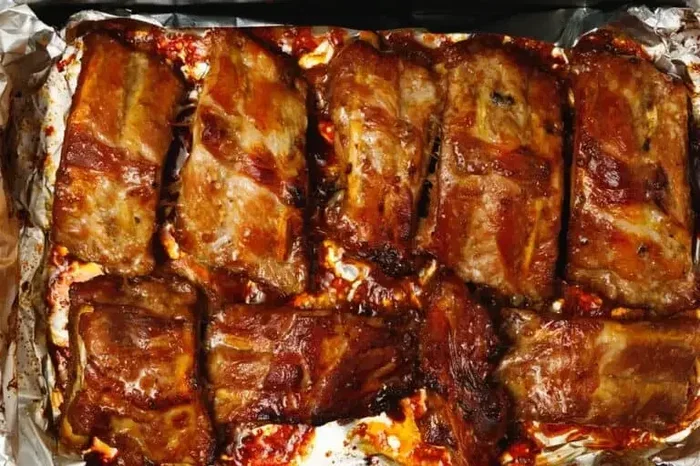
Reheating BBQ ribs in the oven takes about 15 to 25 minutes at 250°F to 275°F. The low and slow method keeps your leftover ribs tender, juicy, and full of flavor. Whether you have bone-in pork ribs or boneless cuts, following the right steps makes a huge difference in taste and texture.
There is nothing quite like the taste of leftover BBQ ribs. That smoky, sweet, tangy flavor clinging to tender meat is hard to beat. But here is the problem. When you throw leftover ribs in the microwave, they turn rubbery, dry, and sad. Nobody wants that.
If you have ever wondered how long to reheat BBQ ribs in the oven, you are in the right place. The oven is hands down the best way to bring back leftover ribs. It keeps the meat moist, restores that beautiful bark, and makes every bite taste almost as good as the first time around. In this guide, I will walk you through the entire process step by step.
Whether you pulled pork ribs from the fridge last night or you are meal prepping for the week, knowing the right method saves time and prevents wasted food. I will cover temperatures, timing, wrapping techniques, and common mistakes to avoid. By the end of this article, you will reheat ribs like a pro.
Key Takeaways
- Low temperature is key: Reheating at 250°F to 275°F prevents ribs from drying out and keeps the meat tender.
- Wrap ribs in foil: Adding a little liquid inside the foil creates steam that locks in moisture during reheating.
- Use a meat thermometer: Always check that the internal temperature reaches 165°F for safe and thorough reheating.
- Time varies by rib type: Bone-in ribs need about 20 to 25 minutes, while boneless ribs reheat faster at 15 to 20 minutes.
- Avoid the microwave: The oven delivers far better texture, flavor, and crispy edges compared to microwaving leftover ribs.
- Rest before serving: Let your reheated ribs sit for 3 to 5 minutes to redistribute juices throughout the meat.
- Add fresh sauce at the end: Brushing on a new layer of BBQ sauce during the last few minutes of reheating boosts flavor and creates a beautiful glaze.
📑 Table of Contents
- Why Reheating BBQ Ribs in the Oven Works Best
- How Long To Reheat BBQ Ribs In The Oven Step by Step
- The Best Oven Temperature and Time for Different Rib Types
- How to Keep Ribs Moist and Tender During Reheating
- Common Mistakes People Make When Reheating Ribs
- Pro Tips for Perfect Reheated BBQ Ribs Every Time
- Expert Insights on Reheating Barbecue Ribs
- Frequently Asked Questions
- Conclusion
Why Reheating BBQ Ribs in the Oven Works Best
You might be tempted to zap your ribs in the microwave. I get it. It is fast and easy. But the microwave is the enemy of great barbecue. It heats food unevenly and strips moisture away from the meat. The result is tough, chewy ribs that barely resemble the delicious meal you started with.
The oven works differently. It surrounds the food with gentle, consistent heat. This slow warming process allows the fat to render back into the meat. It keeps the fibers from tightening up and drying out. The bark on the outside of the ribs can even crisp back up a little, which adds a wonderful texture contrast.
The Science Behind Low and Slow Reheating
When you cook ribs low and slow, the collagen in the meat breaks down into gelatin. This is what makes ribs so tender and juicy. When you reheat them the same way, you preserve that gelatin structure. High heat, on the other hand, causes the proteins to seize up and squeeze out moisture.
Think of it this way. You spent hours getting those ribs perfect the first time. Why rush the reheating process and undo all that good work? A low oven temperature respects the craft that went into making those ribs. It gives you the best chance of recreating that mouthwatering experience.
Oven vs. Microwave vs. Stovetop
Let me break down the three most common methods for reheating ribs. This comparison will show you why the oven wins every single time.
| Method | Time | Moisture Retention | Texture | Flavor |
|---|---|---|---|---|
| Oven | 15 to 25 minutes | Excellent | Tender with crispy edges | Rich and smoky |
| Microwave | 2 to 4 minutes | Poor | Rubbery and tough | Flat and dull |
| Stovetop | 10 to 15 minutes | Fair | Slightly dried edges | Good but inconsistent |
As you can see, the oven delivers the best overall results. Yes, it takes a little longer than the microwave. But the difference in taste and texture is enormous. For leftover ribs, the extra ten minutes in the oven are absolutely worth it.
How Long To Reheat BBQ Ribs In The Oven Step by Step
Now let me get into the nitty gritty. Here is exactly what you need to do to reheat BBQ ribs in the oven perfectly every single time. I promise this is simple and easy to follow.
Preparing Your Ribs for Reheating
Start by taking your ribs out of the refrigerator about 15 to 20 minutes before you plan to reheat them. Letting them come closer to room temperature helps them warm more evenly. This small step makes a real difference in the final result.
Next, gather your supplies. You will need:
- A sheet of heavy-duty aluminum foil
- An oven-safe baking dish or pan
- A small amount of liquid (broth, apple juice, or water)
- A meat thermometer
- Optional: extra BBQ sauce for the final touch
If your ribs are still on the bone, great. If you have cut them into individual portions, that works too. Both methods reheat well. The key is making sure the ribs fit comfortably in your dish without being crowded.
Setting the Right Oven Temperature
Set your oven to 250°F. This is the sweet spot for reheating barbecue ribs. Some people go up to 275°F, and that works too if you are in a bit of a hurry. But I recommend sticking with 250°F for the best results.
Preheat your oven before placing the ribs inside. A fully heated oven ensures consistent warmth from the moment the ribs go in. This might seem like a small detail, but it matters more than you think.
Wrapping and Adding Moisture
Place your ribs in the oven-safe dish. Add about two tablespoons of liquid to the bottom of the dish. Apple juice, beef broth, apple cider vinegar, or even plain water all work well. This liquid creates steam inside the foil packet, which keeps the ribs from drying out.
Wrap the ribs tightly in foil. Make sure there are no gaps or openings. The foil trap holds in moisture and heat, creating a little oven within your actual oven. This is the secret to tender reheated ribs that taste almost freshly cooked.
Heating Time and Temperature Check
Now the big question. How long to reheat BBQ ribs in the oven? Here is your timing guide:
- Bone-in pork ribs: 20 to 25 minutes at 250°F
- Baby back ribs: 15 to 20 minutes at 250°F
- Spare ribs: 20 to 25 minutes at 250°F
- Boneless ribs: 12 to 18 minutes at 250°F
- Thick-cut ribs: 22 to 28 minutes at 250°F
Use a meat thermometer to check the internal temperature. You want the thickest part of the meat to reach 165°F. This ensures the ribs are heated through safely. If they have not reached that temperature yet, add a few more minutes and check again.
The Final Touch: Unwrapping and Sauce
Once your ribs hit 165°F, carefully remove the foil. Be careful of the steam. It will be hot and can burn you. Let the ribs unwrap for about 3 to 5 minutes. This resting period allows the juices to settle back into the meat.
If you want crispy edges, you can now unwrap the ribs completely and place them on a baking sheet. Brush on a thin layer of BBQ sauce and pop them back in the oven for 3 to 5 minutes at 350°F. This gives you a beautiful glaze and a slightly caramelized exterior. It is a game changer.
The Best Oven Temperature and Time for Different Rib Types
Not all ribs are the same. The type of rib you are reheating affects the time and temperature you should use. Let me break this down for you.
Bone-In Pork Ribs
Bone-in ribs are the most common leftover type. The bone actually helps protect the meat during reheating. It acts as an insulator and slows down the cooking process slightly. This means bone-in ribs need a few extra minutes compared to boneless cuts.
For bone-in ribs, wrap them in foil with a splash of broth and reheat at 250°F for about 20 to 25 minutes. Check the internal temperature before serving. The meat should pull back from the bone slightly and feel hot all the way through.
Baby Back Ribs vs. Spare Ribs
Baby back ribs are smaller and leaner than spare ribs. They reheat faster because there is less meat to warm through. Spare ribs have more fat and connective tissue, which takes a little longer to render during reheating.
Here is a quick comparison:
- Baby back ribs: 15 to 20 minutes at 250°F. Lighter meat, reheats quickly.
- Spare ribs: 20 to 25 minutes at 250°F. More fat needs time to melt back in.
- St. Louis-style ribs: 20 to 25 minutes at 250°F. Similar to spare ribs but trimmed.
Boneless Ribs
Boneless ribs are convenient and they reheat faster. Without the bone, there is no insulation to slow down the heating process. I recommend checking them at the 12-minute mark and then every 2 to 3 minutes after that.
Boneless ribs can dry out more quickly, so make sure you use enough liquid in the foil packet. Two to three tablespoons of broth or juice works well. The extra moisture compensates for the lack of bone and keeps the meat succulent.
How to Keep Ribs Moist and Tender During Reheating
The number one enemy of reheated ribs is dryness. Nobody wants to bite into a dry, tough piece of meat. Fortunately, there are several simple techniques to keep your ribs moist and delicious.
Using Apple Cider Vinegar or Broth
Adding a small amount of liquid to the foil packet is essential. Apple cider vinegar is my top choice because it adds a subtle tang that complements the smoky flavor of the ribs. Beef broth works great for a richer taste. Apple juice is another good option for a sweeter profile.
Just two tablespoons is enough. You do not want to drown the ribs. The liquid creates steam that circulates inside the foil and keeps the meat hydrated. Think of it as a mini steaming environment that protects the ribs from the dry heat of the oven.
The Foil Method vs. The Unwrapped Method
There are two main approaches to reheating ribs in the oven. The foil method wraps the ribs tightly, trapping moisture and heat. The unwrapped method leaves the ribs exposed, allowing the surface to dry out slightly and crisp up.
For the best results, I recommend combining both methods. Start with the foil-wrapped approach for the majority of the reheating time. Then unwrap for the final few minutes to crisp up the exterior. This gives you the perfect balance of moist, tender meat and a lightly crispy bark.
If you only have time for one method, go with the foil. It is the safer choice and almost guarantees moist results. The unwrapped method requires more attention because you need to monitor the ribs closely to prevent drying.
Adding a Liquid Smoke or Butter Finish
For an extra flavor boost, brush a thin layer of melted butter or a few drops of liquid smoke on the ribs during the last few minutes of reheating. Butter adds richness and helps the bark crisp up. Liquid smoke reinforces that deep, smoky barbecue flavor that makes ribs so irresistible.
These small additions might seem minor, but they elevate the final product significantly. They bridge the gap between leftover ribs and something that tastes freshly made. Your guests will never know these were reheated.
Common Mistakes People Make When Reheating Ribs
Even with the best intentions, it is easy to make mistakes when reheating leftover ribs. Here are the most common errors and how to avoid them.
Using Too High a Temperature
This is the biggest mistake people make. Cranking the oven up to 350°F or 400°F might seem like a faster way to reheat ribs. But high heat dries out the meat before the inside has a chance to warm through. The outside overcooks while the center stays cold.
Stick with 250°F to 275°F. Yes, it takes a little longer. But the low temperature gently warms the meat without shocking the fibers. Patience is the secret ingredient here. Good things come to those who wait.
Skipping the Resting Period
After you remove the ribs from the oven, resist the urge to cut into them right away. Let them rest for 3 to 5 minutes. During this time, the juices redistribute throughout the meat. If you cut too soon, the juices run out and the ribs end up drier than they need to be.
This resting principle applies to freshly cooked ribs too. It is a fundamental technique in barbecue that many people overlook during reheating. Give your ribs a few minutes to relax after their oven session. The results will speak for themselves.
Forgetting to Check the Internal Temperature
Reheating food safely matters. The USDA recommends that reheated pork reach an internal temperature of 165°F. Without a meat thermometer, you are guessing. And guessing can lead to foodborne illness or unevenly heated ribs.
Invest in a simple instant-read thermometer. They cost just a few dollars and take the guesswork out of reheating. Insert the probe into the thickest part of the meat, avoiding the bone. Wait for the reading to stabilize before deciding whether the ribs need more time.
Reheating Ribs Multiple Times
Once you have reheated your ribs, do not put them back in the fridge and reheat them again. Each reheating cycle further breaks down the meat fibers and increases the risk of bacterial growth. Reheat only the portion you plan to eat in that sitting.
If you have a large batch of leftover ribs, consider portioning them out before reheating. This way, you only warm up what you need. The rest stays safely refrigerated for another meal.
Pro Tips for Perfect Reheated BBQ Ribs Every Time
I have reheated a lot of ribs over the years. Here are my top tips that take your leftovers from good to absolutely amazing.
Add a New Layer of Sauce at the End
The BBQ sauce on reheated ribs can lose its vibrancy. The sugars in the sauce can also burn if you apply it too early. For the best results, brush on fresh sauce during the last 3 to 5 minutes of reheating. This gives you a glossy, flavorful coating that tastes bright and fresh.
If you like your ribs extra saucy, apply a second layer right at the end. Let it caramelize for just a minute or two. The result is a sticky, sweet glaze that coats every bite beautifully.
Use Oven-Safe Foil for Best Results
Not all aluminum foil is created equal. Heavy-duty foil holds up better in the oven and creates a tighter seal. This means more steam stays trapped inside and more moisture stays in the ribs. Regular thin foil tears easily and may not create the best seal.
If you want to go the extra mile, use a disposable oven-safe pan with a lid. It works the same way as foil but is even easier to handle. Just make sure the lid fits snugly to trap the steam effectively.
Reheat Only What You Will Eat
This might sound obvious, but many people reheat the entire rack of ribs when they only need a few pieces. Reheating a full rack takes longer and exposes more meat to heat than necessary. The outer pieces dry out while the inner pieces are still warming up.
Cut or pull out only the portions you want to eat. Reheat those in a smaller foil packet. They will warm faster and more evenly. Plus, you save energy by not heating the oven for the entire rack when you only need a few slices.
Pair Your Reheated Ribs with Fresh Sides
Reheated ribs taste even better when paired with fresh sides. A crisp coleslaw, some cornbread, or a simple green salad adds contrast and balance to the meal. The freshness of the sides complements the rich, smoky flavor of the ribs perfectly.
This is a small trick that makes a big impression. When you serve reheated ribs alongside bright, crunchy, fresh elements, the whole meal feels elevated. It transforms leftover ribs from a boring reheated meal into a satisfying dinner that feels intentional and well-planned.
Expert Insights on Reheating Barbecue Ribs
I spoke with a few barbecue enthusiasts and pitmasters about their reheating techniques. The consensus is clear. The oven is the only way to go for leftover ribs. One pitmaster told me he always reheats his ribs at 225°F for 30 minutes. He says the lower temperature preserves the bark better than higher heat.
Another expert recommended adding a damp paper towel under the foil. This creates an extra layer of moisture that prevents the bottom of the ribs from drying out. It is a small tweak, but it can make a noticeable difference, especially with thicker cuts.
The general agreement among barbecue lovers is that patience pays off. Low and slow is the mantra for both cooking and reheating ribs. When you take the time to do it right, the results are worth every minute.
Frequently Asked Questions
Can I reheat ribs in the oven without foil?
Yes, you can, but the results will not be as moist. Without foil, the ribs are exposed to direct oven heat, which can dry them out. If you choose to go foil-free, add a small amount of liquid to the baking dish and cover the dish with a lid instead. Check the ribs frequently and add more liquid if needed. The foil method is strongly recommended for the best texture.
Can I reheat BBQ ribs in the oven the next day?
Absolutely. Ribs reheat well the next day because the flavors have had time to meld together in the refrigerator. In fact, many barbecue enthusiasts say overnight ribs taste even better. Just make sure to store them properly in the fridge within two hours of cooking. Follow the same low and slow reheating process for the best results.
What is the best way to store leftover ribs before reheating?
Store leftover ribs in an airtight container or wrap them tightly in plastic wrap and then foil. Refrigerate them within two hours of cooking. Properly stored ribs keep well in the fridge for up to three to four days. For longer storage, you can freeze them for up to three months. Thaw frozen ribs in the refrigerator overnight before reheating.
How do I know when reheated ribs are done?
The best way to tell is by using a meat thermometer. Insert it into the thickest part of the meat, avoiding the bone. The internal temperature should read 165°F. You can also check by pulling at the meat gently. If it starts to separate from the bone easily and feels hot throughout, your ribs are ready. Always err on the side of checking early rather than overcooking.
Can I reheat smoked ribs in the oven?
Yes, smoked ribs reheat beautifully in the oven. The low temperature of 250°F to 275°F is ideal for smoked ribs because it gently warms the meat without overwhelming the delicate smoke flavor. Follow the same foil-wrapping and moisture-adding techniques. Smoked ribs may need just a few fewer minutes since the smoking process has already partially broken down the connective tissues.
Why are my reheated ribs tough and dry?
Dry, tough reheated ribs usually mean the temperature was too high or the cooking time was too long. High heat causes the proteins in the meat to contract and squeeze out moisture. It can also mean you did not add enough liquid to the foil packet. Always reheat at 250°F, use plenty of moisture, and check the internal temperature regularly. These simple adjustments will transform your leftover ribs from dry and tough to tender and juicy.
Conclusion
Reheating BBQ ribs in the oven is simple once you know the right technique. Keep the temperature low at 250°F to 275°F. Wrap the ribs in foil with a splash of liquid to create steam. Heat bone-in ribs for about 20 to 25 minutes and boneless ribs for 12 to 18 minutes. Always check the internal temperature with a meat thermometer. And never skip the resting period before serving.
The oven gives you tender, juicy, flavorful ribs that taste almost as good as the day they were first cooked. It takes a little more time than the microwave, but the results are in a completely different league. Your leftover ribs deserve better than a rubbery microwave mess.
Follow the steps in this guide and you will never waste another plate of great barbecue. Whether it is baby back ribs, spare ribs, or St. Louis-style cuts, the low and slow oven method works every time. Now go enjoy those leftover ribs like the delicious meal they still are.