How Long Do You Preheat An Oven For Pizza Correctly
Preheating your oven for pizza is not just a quick step — it is the secret to a crispy, golden crust and perfectly melted cheese. Most home ovens need 20 to 30 minutes to reach the right pizza oven temperature, which is typically between 450°F and 500°F. Using a pizza stone or baking steel adds extra time but makes a huge difference. Understanding your oven preheating time and bake pizza at what temperature works best for your setup will transform your homemade pizza game.
There is nothing quite like pulling a homemade pizza out of the oven. The crispy pizza crust is golden brown. The pizza cheese melting is perfectly bubbly. The pizza crust browning looks professional. But here is the thing — none of that magic happens by accident.
The foundation of a great homemade pizza starts long before the dough hits the oven. It starts with preheating. And the question how long do you preheat an oven for pizza is one that trips up even experienced home cooks. Some people rush it. Some people skip it entirely. Both approaches lead to disappointing results.
In this guide, we will walk through everything you need to know about oven preheating time for pizza. We will cover exact times, temperatures, tools, and common mistakes. Whether you are making fresh pizza dough rising from scratch or cooking a frozen pizza preheating on a busy weeknight, this article has you covered.
Key Takeaways
- Standard ovens need 20 to 30 minutes to preheat properly for pizza.
- Pizza stones and baking steels require an extra 15 to 30 minutes of preheating.
- The ideal pizza oven temperature ranges from 450°F to 500°F for most home setups.
- Convection ovens may need slightly less time due to fan-assisted heating.
- Skipping preheating leads to soggy crust, uneven cheese melting, and poor browning.
- Frozen pizza preheating still requires a fully heated oven for the best results.
- Using a pizza peel and the right oven rack position ensures easy loading and even cooking.
📑 Table of Contents
- Why Preheating Your Oven Matters for Pizza
- How Long to Preheat an Oven for Pizza
- The Right Temperature for Baking Pizza
- Pizza Stone vs Baking Sheet: Does It Change Preheating Time?
- Common Mistakes People Make When Preheating for Pizza
- Pro Tips for Perfect Pizza Every Time
- Key Takeaways
- Frequently Asked Questions
- Conclusion
Why Preheating Your Oven Matters for Pizza
Preheating is not just a suggestion on the recipe card. It is a critical step that directly affects your pizza baking time and final quality. When you place pizza dough into a cold oven, several bad things happen almost immediately.
First, the dough sits in a low-heat environment for too long. This causes the pizza dough rising to happen unevenly. The crust becomes dense rather than airy. Second, the pizza cheese melting process slows down dramatically. Instead of getting that beautiful golden-brown bubbly top, the cheese just sits there, slowly getting greasy. Third, the crispy pizza crust you are dreaming of simply does not form.
What Happens When You Skip Preheating
Let us be very clear about this. Skipping the preheat oven settings step is the number one mistake people make when baking homemade pizza tips at home. Here is what goes wrong:
- Soggy bottom crust: The dough absorbs moisture from the toppings instead of crisping up on a hot surface.
- Uneven cooking: One part of the pizza cooks faster than another, leaving you with raw dough and overcooked edges.
- Poor cheese distribution: Cold cheese does not melt evenly, creating greasy patches and dry spots.
- Longer overall cook time: Your pizza cooking temperature never reaches the ideal level, so the whole process takes longer.
- No pizza crust browning: The Maillard reaction, which creates that beautiful golden color and flavor, needs high heat from the start.
The bottom line is simple. A properly preheated oven delivers consistent heat from the moment your pizza goes in. This means better crust, better cheese, and better flavor every single time.
How Long to Preheat an Oven for Pizza
The oven preheating time for pizza depends on several factors. Your oven type, the target temperature, and whether you are using additional tools like a pizza stone preheating surface all play a role. Let us break this down.
Standard Oven Preheating Time
For most home ovens, you should preheat for 20 to 30 minutes before baking pizza. This might feel like a long time, but it is necessary. Ovens need time to reach the set temperature throughout the entire cavity, not just at the sensor.
Here is a simple rule of thumb:
- Set your oven to 475°F to 500°F for a standard home bake.
- Wait at least 20 minutes before placing the pizza inside.
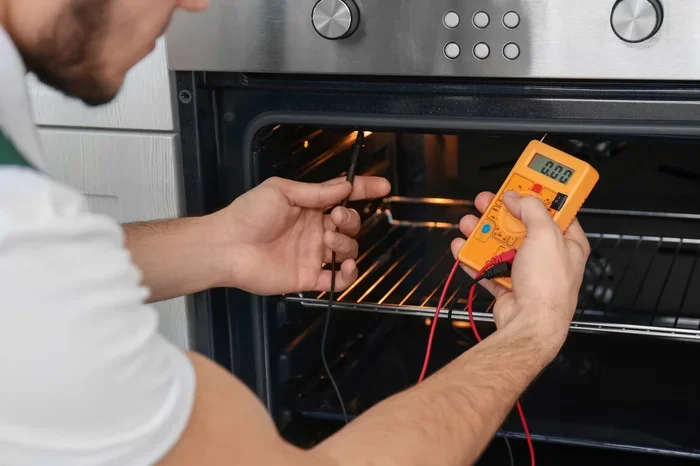
- Use an oven thermometer to verify the actual temperature inside.
Many ovens have inaccurate temperature displays. An inexpensive oven thermometer placed inside the oven can save you from undercooked or overcooked pizza. This is one of the best homemade pizza tips you will ever follow.
Pizza Stone Preheating Time
If you are using a pizza stone or baking steel, you need to add extra time to your oven preheating time. These tools store heat and transfer it directly to the pizza dough. That is exactly what creates a crispy, restaurant-quality bottom crust.
A pizza stone needs at least 30 to 45 minutes on the middle oven rack position to absorb enough heat. A baking steel is even better at heat retention and may need the same amount of time or slightly more.
Here is the key point. Do not place your pizza on a stone that has not been fully heated. A lukewarm stone will steam the bottom of your crust instead of crisping it. The result is a soggy disappointment rather than the crispy pizza crust you are after.
Convection vs Conventional Oven
If you have a convection oven pizza setup, your preheat oven settings may need a slight adjustment. Convection ovens use a fan to circulate hot air, which means they heat up faster and more evenly.
For convection ovens, 15 to 25 minutes of preheating is usually sufficient. You can also lower the pizza oven temperature by about 25°F compared to a conventional oven, since the fan distributes heat more efficiently.
| Oven Type | Preheat Time | Recommended Temperature |
|---|---|---|
| Conventional | 20 to 30 minutes | 475°F to 500°F |
| Convection | 15 to 25 minutes | 450°F to 475°F |
| With Pizza Stone | 30 to 45 minutes | 475°F to 500°F |
| With Baking Steel | 30 to 45 minutes | 475°F to 500°F |
| Wood-Fired (for reference) | 30 to 60 minutes | 700°F to 900°F |
As you can see, the wood-fired oven temperature is dramatically higher. That is why Neapolitan-style pizzas cook in just 60 to 90 seconds in a professional wood-fired setup. Home ovens simply cannot reach those extremes, which is why proper preheating becomes even more important.
The Right Temperature for Baking Pizza
Getting the bake pizza at what temperature right is just as important as the preheating duration. The pizza oven temperature you choose affects everything from crust texture to pizza cheese melting behavior.
Temperature Settings for Different Pizza Types
Not all pizzas are created equal, and neither should your preheat oven settings be. Here is a quick guide to the best pizza cooking temperature for different styles:
- Thin and crispy crust: Bake at 500°F to 525°F. The high heat creates a cracker-like base with minimal chew.
- Classic Neapolitan-style: Aim for 475°F to 500°F. This gives you a slightly charred, pillowy crust with a soft interior.
- Thick or deep-dish: Lower the temperature to 425°F to 450°F. The thicker dough needs more time to cook through without burning the top.
- Frozen pizza: Follow the package instructions, but generally bake at 400°F to 425°F. Frozen pizza preheating still requires a fully heated oven.
No matter which style you are making, the oven rack position matters. Place your pizza on the middle rack for even heat distribution. If you want extra pizza crust browning on the bottom, you can move the rack slightly lower. But avoid the bottom position, as that can cause the base to burn before the top is done.
Pizza Stone vs Baking Sheet: Does It Change Preheating Time?
The tool you use to bake your pizza on makes a real difference in both oven preheating time and final pizza quality. Let us compare the two most common options.
Using a Pizza Stone
A pizza stone is a porous ceramic or stone surface that absorbs moisture from the dough. This moisture absorption is what creates the crispy bottom crust that people love. But a stone needs serious heat to work properly.
Place your pizza stone on the middle oven rack position at least 30 minutes before baking. The stone should be screaming hot when the pizza goes on. Use a pizza peel dusted with flour or cornmeal to slide the pizza onto the stone easily. This prevents sticking and makes the whole process smoother.
Using a Baking Sheet
A standard baking sheet or sheet pan is the easiest alternative to a pizza stone. It heats up faster, so your oven preheating time can be closer to the standard 20 to 30 minutes. However, a baking sheet does not absorb moisture the way a stone does.
The result is a less crispy bottom crust. You can improve this by preheating the baking sheet along with the oven. Place the empty sheet in the oven during the preheat oven settings phase. When the pizza goes on the hot sheet, you will get slightly better browning on the bottom.
If you want to bridge the gap between a baking sheet and a pizza stone, consider using a perforated pizza pan. The holes allow hot air to circulate under the dough, which helps create a crispier base even without a stone.
Common Mistakes People Make When Preheating for Pizza
Even experienced cooks make mistakes when it comes to oven preheating time for pizza. Here are the most common ones and how to avoid them.
Not Waiting Long Enough
This is the biggest mistake. Many people set the oven to temperature and wait only 10 minutes before loading the pizza. That is not enough time. The walls of the oven, the racks, and any baking surface all need to absorb heat. A pizza stone preheating session of 30 to 45 minutes is not excessive — it is essential.
Opening the Oven Door Too Often
Every time you open the oven door, you let out a significant amount of heat. The oven has to work harder to recover the pizza oven temperature. Try to keep the door closed during the preheating phase. Use the oven light and window to check on progress instead.
Using the Wrong Rack Position
Placing the pizza too close to the top or bottom heating element causes uneven cooking. The top may burn while the bottom stays raw, or vice versa. The middle oven rack position is your best friend for pizza baking time consistency.
Forgetting to Preheat the Pizza Stone
Placing a cold pizza stone in the oven and loading the pizza at the same time is a recipe for disaster. The stone needs time to heat up on its own. Cold stone + wet dough = steamed, soggy crust. Always preheat the stone separately for at least 30 minutes.
Pro Tips for Perfect Pizza Every Time
Now that you understand how long do you preheat an oven for pizza and why it matters, here are some expert-level tips to take your results to the next level.
Use a Pizza Peel for Easy Loading
A pizza peel is a flat, paddle-shaped tool that makes it easy to slide pizza in and out of a hot oven. Dust it with flour, semolina, or cornmeal before placing the stretched dough on top. This prevents sticking and gives you confidence when loading the pizza into a hot oven.
Preheat with a Timer
Set a timer for 25 minutes when you start preheating. This removes the guesswork. When the timer goes off, your oven is ready. You can also use an oven thermometer to double-check that the internal temperature has reached your target.
Let the Dough Come to Room Temperature
Cold dough from the fridge does not stretch well and reacts poorly to high heat. Take your dough out 30 to 60 minutes before baking. This allows the pizza dough rising to stabilize and the gluten to relax. The result is a more elastic, easier-to-stretch dough that bakes evenly.
Use the Broiler for Extra Crispiness
For an extra boost of pizza crust browning, switch your oven to the broiler setting for the last 1 to 2 minutes of baking. This mimics the intense top heat of a wood-fired oven temperature setup. Watch it carefully, though, because the broiler can burn cheese and toppings very quickly.
Rotate the Pizza Halfway Through
Most home ovens have hot spots. To ensure even pizza cheese melting and pizza crust browning, rotate the pizza 180 degrees halfway through the pizza baking time. This simple step makes a noticeable difference in the final result.
Key Takeaways
- Standard ovens need 20 to 30 minutes to preheat properly for pizza at 475°F to 500°F.
- Pizza stones and baking steels require an extra 15 to 30 minutes of preheating for optimal heat retention.
- The ideal pizza oven temperature ranges from 450°F to 500°F for most home pizza styles.
- Convection ovens may need slightly less preheating time due to fan-assisted heat distribution.
- Skipping preheating leads to soggy crust, uneven cheese melting, and poor pizza crust browning.
- Frozen pizza preheating still requires a fully heated oven for the best texture and flavor.
- Using a pizza peel and the right oven rack position ensures easy loading and even cooking results.
Frequently Asked Questions
Can I preheat my oven for pizza in 10 minutes?
Ten minutes is not enough time for most home ovens to reach the proper pizza oven temperature. You need at least 20 to 30 minutes for a conventional oven. If you are using a pizza stone preheating setup, add another 15 to 30 minutes. Rushing this step leads to a soggy, unevenly cooked pizza. Patience is the key to great crispy pizza crust.
What is the best pizza cooking temperature for a home oven?
For most home ovens, 475°F to 500°F is the sweet spot. This temperature range allows the pizza cheese melting to happen quickly while the crust gets crispy and golden. Thicker or deep-dish pizzas do better at 425°F to 450°F. Always preheat for at least 20 minutes before baking at any of these temperatures.
Does using a pizza stone change the oven preheating time?
Yes, it does. A pizza stone or baking steel needs extra time to absorb and retain heat. Plan for 30 to 45 minutes of preheating when using these tools. The stone acts as a heat battery, transferring intense heat directly to the bottom of the pizza. This is what creates the crispy pizza crust that mimics a traditional pizzeria.
How do I know when my oven is fully preheated for pizza?
The best way to confirm your preheat oven settings are complete is to use an oven thermometer. Many ovens display a temperature that is inaccurate by 25°F or more. Place the thermometer inside the oven and wait until it matches your target pizza oven temperature. Once it stabilizes, your oven is ready for the pizza dough rising and baking process.
Can I bake a frozen pizza without preheating?
You technically can, but the results will be inferior. Frozen pizza preheating in a fully heated oven ensures the crust crisps up properly and the pizza cheese melting happens evenly. Without preheating, the frozen pizza sits in a cold environment too long, leading to a soggy, undercooked base. Always preheat for at least 20 minutes, even for frozen pizza.
What is the oven rack position for baking pizza?
The middle oven rack position works best for most pizza styles. It provides even heat distribution from top and bottom elements. If you want extra pizza crust browning on the base, you can move the rack one position lower. Avoid the top rack, as it can cause the toppings to burn before the crust is fully cooked.
Conclusion
The answer to how long do you preheat an oven for pizza is clearer now. For most home ovens, 20 to 30 minutes is the standard oven preheating time. Add an extra 15 to 30 minutes if you are using a pizza stone or baking steel. The pizza oven temperature should be between 450°F and 500°F for the best results.
Preheating is not optional — it is the foundation of great pizza. Every homemade pizza tip in this guide is designed to help you achieve that perfect balance of crispy crust, bubbly cheese, and flavorful toppings. The time you invest in proper preheating pays off in every single bite.
Start using an oven thermometer. Set your timers. Respect the preheat oven settings. These small habits make a massive difference in your pizza baking time and final quality. Whether you are making a quick weeknight dinner or hosting a pizza night with friends, a properly preheated oven is your secret weapon.
Now go make that pizza. Your crispy pizza crust is waiting.