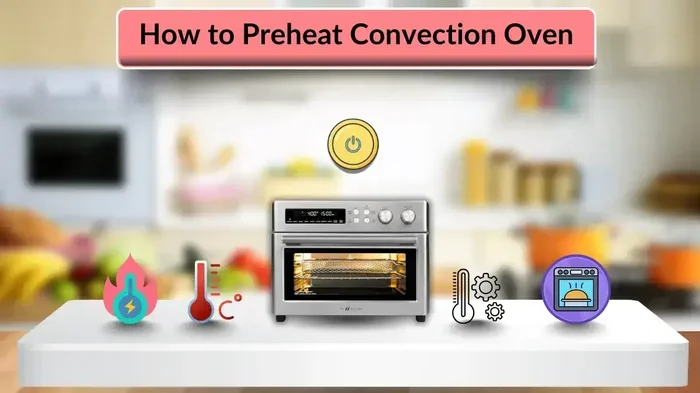
How To Preheat A Convection Oven Perfectly Every Time
Preheating a convection oven is simple once you understand the fan-assisted heat system. This guide covers exact temperatures, timing, and adjustments for perfect results. You will learn how to preheat a convection oven like a professional baker every single time.
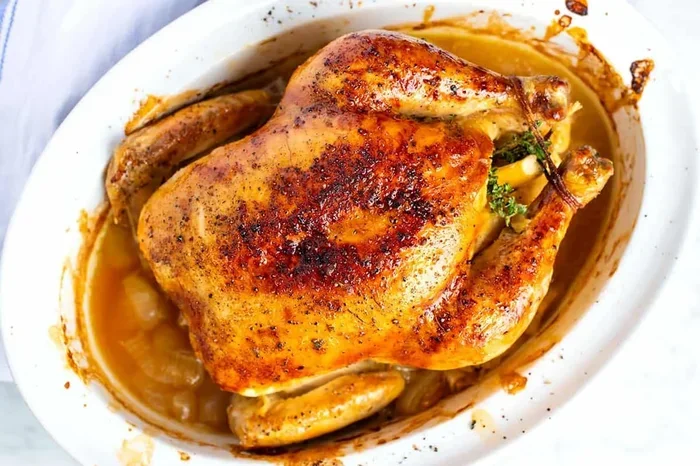
Have you ever pulled out a tray of cookies only to find they baked unevenly? Or maybe your roast chicken came out golden on one side and pale on the other? The culprit might be simple: you did not preheat your convection oven correctly.
How to preheat a convection oven is one of the most important kitchen skills you can master. Unlike a regular oven, a convection oven uses a fan to move hot air around the cooking cavity. This means heat reaches your food faster and more evenly. But it also means that how you preheat matters a lot more than you might think.
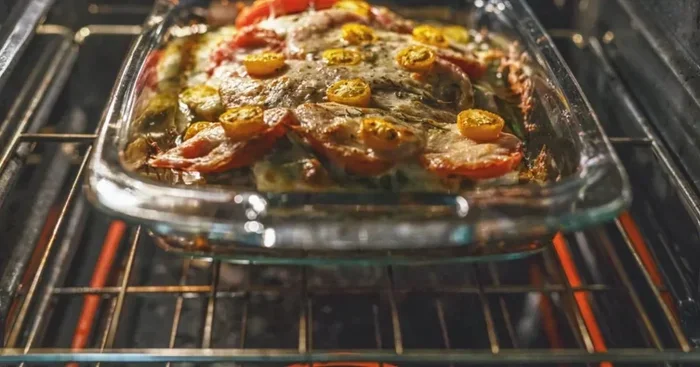
In this guide, we walk you through every step of preheating a convection oven the right way. You will learn the ideal preheat temperature, how long to wait, and common mistakes that ruin your baking. Whether you are roasting vegetables, baking bread, or making a simple sheet pan dinner, this article has you covered.
Key Takeaways
- Preheat always: A properly preheated convection oven ensures even cooking and better browning.
- Lower the temp by 25°F: Convection ovens cook faster, so reduce recipes by 25 degrees for best results.
- Wait for the signal: Most ovens signal when they reach the target preheat temperature.
- Use an oven thermometer: Built-in thermostats can be off, so a standalone thermometer gives accurate readings.
- Avoid overcrowding: Leave space for air to circulate freely around your food.
- Skip preheating for slow cooks: Some recipes benefit from a cold start in a convection oven.
📑 Table of Contents
- Why Preheating a Convection Oven Matters
- How To Preheat A Convection Oven Step by Step
- What Temperature Should You Preheat a Convection Oven To?
- How Long Does It Take to Preheat a Convection Oven?
- Common Mistakes When Preheating a Convection Oven
- Expert Insights on Convection Oven Preheating
- Key Takeaways
- Conclusion
Why Preheating a Convection Oven Matters
Some people skip preheating to save time. That is a big mistake. When you place food into a cold oven, the cooking process starts slowly and unevenly. Here is why proper preheating makes such a difference.
Even Heat Distribution
A convection oven has a fan and a heating element that work together. The fan blows hot air across the food, creating a uniform cooking environment. But this only works well when the oven is already at the right temperature. If you start with a cold oven, the fan just moves lukewarm air around. Your food will cook unevenly, and you will end up with hot spots and cold zones.
Better Browning and Crisping
One of the biggest advantages of a convection oven is the beautiful browning it delivers. The moving hot air removes moisture from the surface of food quickly. This creates a crispy exterior on roasts, pastries, and casseroles. But this effect only kicks in when the oven is fully preheated. A cold start means a soggy surface and longer cooking times.
Reduced Cooking Time
Because convection ovens circulate heat so efficiently, they cook food about 25% faster than conventional ovens. But this speed advantage only applies when the oven starts at the correct temperature. If you skip preheating, you lose that time savings. In fact, your total cook time might end up longer than it would be in a regular oven.
How To Preheat A Convection Oven Step by Step
Now let us get into the practical part. How to preheat a convection oven is straightforward once you know the exact steps. Follow this process every time for consistent results.
Step 1: Clear the Oven
Before you do anything, make sure the oven is empty. Remove any leftover pans, foil, or accessories from previous cooking sessions. A clean oven heats more evenly and prevents any lingering odors from transferring to your food.
Step 2: Set the Temperature
Turn the dial or press the buttons to set your desired preheat temperature. Most recipes call for a specific temperature, and that is your starting point. Remember, if you are using a convection setting, you should lower the temperature by 25°F compared to a conventional oven recipe. So if a recipe says 375°F for a regular oven, set your convection oven to 350°F.
Step 3: Select Convection Mode
Press the convection button or turn the mode dial to the convection setting. Some ovens label this as “fan-forced” or “fan bake.” This activates the fan that will circulate the hot air. Without selecting this mode, you are just using a regular oven, and you will not get the benefits of convection cooking.
Step 4: Close the Door and Wait
Shut the oven door firmly and let the oven do its work. Most modern convection ovens have a preheat indicator light or a beep that signals when the target temperature is reached. This usually takes between 5 and 10 minutes, depending on how cold the oven was to start.
Step 5: Place Your Food Inside
Once the oven signals it is ready, quickly open the door, place your food on the center rack, and close the door. The sooner you get the food in after the preheat signal, the more stable the temperature stays. Leaving the door open for too long lets heat escape and throws off your cooking time.
What Temperature Should You Preheat a Convection Oven To?
The right preheat temperature depends on what you are cooking. Here is a quick reference guide for common convection oven preheat temperatures.
General Temperature Guidelines
- Baking cookies and pastries: 325°F to 350°F
- Roasting vegetables: 400°F to 425°F
- Roasting meat: 375°F to 450°F
- Baking bread: 350°F to 475°F
- Casseroles and baked pasta: 350°F to 375°F
- Reheating leftovers: 300°F to 325°F
Temperature Adjustment Chart
When converting conventional oven recipes for use with a convection oven, always reduce the temperature by 25°F. Here is a simple comparison table to help you adjust on the fly.
| Conventional Oven Temp | Convection Oven Temp | Best For |
|---|---|---|
| 350°F | 325°F | Cakes and delicate baked goods |
| 375°F | 350°F | Cookies and sheet pan dinners |
| 400°F | 375°F | Roasted vegetables and chicken |
| 425°F | 400°F | Crispy roasted potatoes and salmon |
| 450°F | 425°F | Bread and pizza |
Keep in mind that every oven is slightly different. The temperature your oven displays might not be perfectly accurate. This is why using an oven thermometer is such a smart move. You can buy a simple dial thermometer for just a few dollars and place it inside your oven to verify the actual temperature.
How Long Does It Take to Preheat a Convection Oven?
Most convection ovens reach the target preheat temperature in about 5 to 10 minutes. However, several factors can affect how long the preheat actually takes.
Factors That Affect Preheat Time
- Starting temperature: If your oven has been off for hours, it will take longer to preheat than if you just used it a few minutes ago.
- Oven size: Larger ovens take more time to heat up fully.
- Room temperature: A cold kitchen in winter means a slightly longer preheat than a warm kitchen in summer.
- Oven age and condition: Older ovens may take longer due to worn heating elements or less efficient insulation.
- Altitude: At higher altitudes, air pressure is lower, which can slightly affect how quickly an oven heats up.
Quick Tips for Faster Preheating
- Keep your oven clean. Grease and food residue on the walls absorb heat and slow down the process.
- Make sure the oven door seals properly. A worn gasket lets heat escape and increases preheat time.
- Do not open the door frequently while preheating. Every time you open it, you lose heat and reset the process.
- Use the convection setting from the start. The fan helps distribute heat faster than a conventional preheat.
Common Mistakes When Preheating a Convection Oven
Even experienced cooks make mistakes with preheating. Here are the most common errors and how to avoid them.
Not Lowering the Temperature Enough
The most frequent mistake is forgetting to reduce the temperature when using a convection oven. Because the fan moves hot air so efficiently, food cooks faster and at lower temperatures. If you use the same temperature as a conventional recipe, your food will overcook on the outside and stay raw on the inside. Always remember to drop the temp by 25°F.
Opening the Door Too Often
It is tempting to check on your food or peek inside to see if the oven is ready. But every time you open the door, you let out a significant amount of heat. This extends the preheat time and can throw off your cooking temperature. Wait for the preheat signal before you even think about opening the door.
Overcrowding the Oven
A convection oven relies on free air circulation around the food. If you cram too many pans inside, the hot air cannot flow properly. This creates uneven cooking and defeats the whole purpose of using a convection setting. Leave at least a couple of inches of space between pans and oven walls.
Skipping Preheating Entirely
Some recipes, especially for slow roasts, say you can put food in a cold oven. But for most baking and roasting tasks, preheating is essential. Skipping this step leads to longer cook times, uneven results, and disappointing texture.
Ignoring the Oven Thermometer
Your oven’s built-in thermostat is not always accurate. In fact, many ovens are off by 25°F or more. This means your oven could be running much hotter or cooler than what the display says. An inexpensive oven thermometer takes the guesswork out of preheating and helps you trust your temperature settings.
Expert Insights on Convection Oven Preheating
Professional chefs and baking experts agree on a few key principles when it comes to preheating a convection oven. Here is what the experts want you to know.
Let the Oven Stabilize
When the preheat indicator goes off, the oven might not be fully stable yet. Many experts recommend waiting an extra 3 to 5 minutes after the signal. This gives the oven time to reach thermal equilibrium, where the temperature is consistent throughout the cavity. This small wait makes a big difference in baking results.
Use the Right Rack Position
For most convection cooking, the center rack is the best position. It allows the fan to circulate air evenly around the food. If you are baking multiple trays, rotate them halfway through cooking for even results. Never place food directly on the bottom of the oven, as this blocks airflow and causes uneven cooking.
Preheat for Baking Bread and Pizza
Bread and pizza demand a really hot oven. Preheat your convection oven to the highest setting, often 475°F to 500°F, for at least 30 minutes before baking. This extra time ensures the oven stones or steel (if you use them) are fully heated, which gives you that crispy, professional-quality crust.
Key Takeaways
- Always preheat your convection oven: This is the single most important step for consistent cooking results.
- Lower the temperature by 25°F: Convection cooking is faster and more efficient, so reduce recipe temperatures accordingly.
- Wait for the preheat signal: Do not put food in until the oven has reached the target temperature.
- Use an oven thermometer: Built-in thermostats can be inaccurate, so verify with a standalone thermometer.
- Keep the door closed: Every time you open the door during preheating, you lose heat and extend the wait.
- Give it extra time for bread and pizza: These items need a fully heated oven at very high temperatures.
- Avoid overcrowding: Leave space for air to circulate freely around your food for even cooking.
Conclusion
How to preheat a convection oven is a skill that pays off every time you cook. With the right temperature, the right timing, and a few simple habits, you will get better results from every meal. Preheating ensures even heat, faster cooking, and that beautiful browning that makes food look and taste amazing.
Remember to lower your recipe temperature by 25°F, wait for the preheat signal, and avoid the common mistakes we covered. Use an oven thermometer to verify accuracy, and give your oven a few extra minutes to stabilize when you are baking something delicate like bread or pastries.
The next time you step into your kitchen, you will know exactly what to do. Preheat your convection oven properly, and you will notice the difference in your food right away. Happy cooking!
Frequently Asked Questions
Do I really need to preheat a convection oven every time?
Yes, for most cooking and baking tasks, preheating is essential. It ensures your food starts cooking at the right temperature from the moment it goes in. Skipping preheat leads to uneven cooking and longer bake times.
Can I preheat a convection oven without the fan on?
You can, but you will not get the benefits of convection cooking. The fan is what makes the hot air circulate and cook food evenly. If you turn the fan off during preheat, you are essentially just using a regular oven.
How do I know when my convection oven is fully preheated?
Most modern ovens have a light or a beep that signals when the preheat temperature is reached. Some also display a message on the control panel. For the most accurate reading, use an oven thermometer placed inside the cavity.
Is it okay to put cold food in a preheated convection oven?
Yes, placing cold or room-temperature food into a preheated oven is perfectly fine. In fact, this is the standard practice for most recipes. Just try to get the food in quickly after the oven reaches the target temperature to maintain heat stability.
Why does my convection oven take so long to preheat?
Several factors can slow down preheat time, including a dirty oven, a worn door seal, or a cold kitchen environment. If your oven consistently takes longer than 15 minutes to preheat, it might be worth checking the heating element or calling a technician for service.
Should I use convection mode for all types of cooking?
Not necessarily. Convection mode works great for roasting, baking, and crisping. However, delicate foods like soufflés, custards, and some cakes can benefit from using the conventional bake mode. The fan can cause these items to rise unevenly or develop a crust too quickly.