How To Reheat Frozen Egg Bites In Oven The Simple Way
Reheating frozen egg bites in the oven is the easiest and most effective way to enjoy a warm, crispy breakfast without any hassle. This guide covers everything you need to know, from prep steps to timing and temperature settings. You will learn why the oven method beats the microwave and how to get restaurant-quality results at home.
There is nothing quite like grabbing a quick breakfast before heading out the door. Frozen egg bites have become a go-to option for busy mornings. They are easy to make, portable, and packed with protein. But the real question is how to reheat frozen egg bites in oven without ruining their texture.
Many people reach for the microwave because it is fast. However, the microwave often leaves egg bites rubbery and unevenly heated. The oven method solves this problem completely. It delivers crispy edges and a warm, fluffy center every single time. In this guide, we will walk you through everything you need to know. You will learn the best temperatures, timing tips, and common mistakes to avoid. By the end, you will never want to reheat your frozen egg bites any other way.
The oven method is simple, reliable, and works with all types of egg bites. Whether you use silicone muffin cups, glass dishes, or metal pans, the process is straightforward. Let us dive into the details and help you master this easy breakfast skill.
Key Takeaways
- Oven reheating preserves texture: The oven keeps egg bites crispy on the outside and fluffy on the inside, unlike the microwave.
- 350°F is the sweet spot: Most frozen egg bites reheat perfectly at 350 degrees Fahrenheit in about 10 to 15 minutes.
- No need to thaw first: You can pop frozen egg bites straight into the oven, saving you time in the morning.
- Use parchment paper or a silicone mat: This prevents sticking and makes cleanup a breeze.
- Avoid overheating: Keeping a close eye on your egg bites prevents them from drying out or burning.
- Batch reheating is easy: The oven can handle multiple servings at once, making it ideal for meal prep.
📑 Table of Contents
- Why Reheating Frozen Egg Bites In Oven Is The Best Method
- How To Prepare Your Frozen Egg Bites For The Oven
- Step-by-Step Guide To Reheating Frozen Egg Bites In Oven
- Tips For Perfectly Reheated Egg Bites Every Time
- Common Mistakes To Avoid When Reheating Egg Bites
- How To Store Egg Bites For The Best Reheating Results
- Frequently Asked Questions About Reheating Frozen Egg Bites
- Conclusion
Why Reheating Frozen Egg Bites In Oven Is The Best Method
When it comes to reheating frozen egg bites, the oven stands out as the clear winner. But why exactly is that? Let us break it down so you understand the science behind the method.
The oven uses dry heat to warm food evenly. This means every part of your egg bite gets heated through. The hot air circulates around the bite, warming it from all sides. As a result, you get a crispy exterior and a soft, fluffy interior. This is something the microwave simply cannot do.
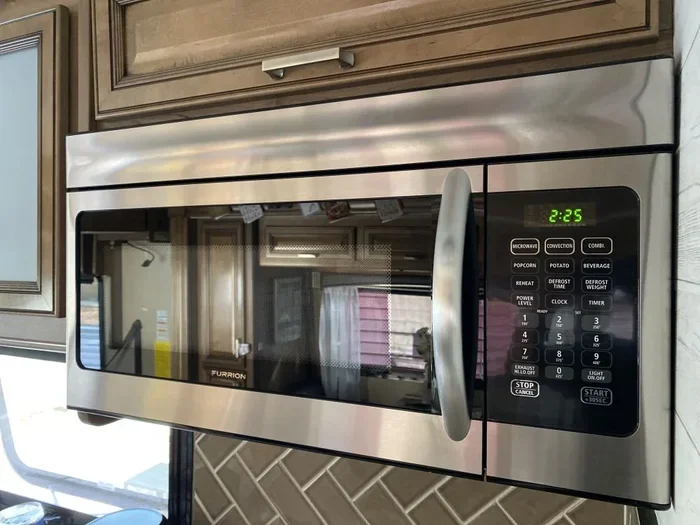
The microwave uses steam and radiation to heat food. This often creates hot spots and leaves other areas cold. The steam also makes the outside of your egg bite soggy. Nobody wants a soggy egg bite for breakfast. The oven avoids this problem entirely.
Another big advantage is texture. When you reheat frozen egg bites in oven, the surface stays firm. It can even become slightly crispy, depending on how you prep them. This makes the eating experience much more enjoyable. Plus, the oven lets you reheat multiple servings at once. This is perfect for families or anyone who meal preps on Sundays.
Here are some key benefits of using the oven for reheating:
- Even heating throughout the egg bite
- Crispy texture on the outside
- No soggy or rubbery spots
- Reheat multiple servings at the same time
- Works with all types of egg bite containers
- Better flavor retention compared to microwaving
Oven vs Microwave: A Quick Comparison
To really understand why the oven method wins, let us compare the two approaches side by side. This table shows the key differences when you reheat frozen egg bites in oven versus microwave.
| Feature | Oven | Microwave |
|---|---|---|
| Texture | Crispy outside, fluffy inside | Soggy or rubbery |
| Heating Evenness | Even from all sides | Uneven hot and cold spots |
| Time Required | 10 to 15 minutes | 30 seconds to 1 minute |
| Batch Reheating | Easy, multiple servings | One or two at a time |
| Cleanup | Minimal with parchment paper | Minimal |
| Flavor Retention | Excellent | Fair |
As you can see, the oven offers far superior results. The microwave wins on speed, but speed should not come at the cost of quality. When you want the best reheated egg bites, always choose the oven.
How To Prepare Your Frozen Egg Bites For The Oven
Before you start reheating, a little preparation goes a long way. Proper prep ensures your egg bites come out perfect every time. Let us walk through the steps.
First, preheat your oven to 350 degrees Fahrenheit. This is the ideal temperature for reheating frozen egg bites. Preheating ensures the oven is fully hot when the bites go in. It kickstarts the cooking process immediately.
While the oven heats up, grab your baking sheet. Line it with parchment paper or a silicone baking mat. This prevents the egg bites from sticking. It also makes cleanup super easy. You do not need to grease the pan unless you want to.
Next, take your frozen egg bites out of the freezer. You do not need to thaw them first. Placing them straight from the freezer into the hot oven works perfectly. In fact, skipping the thawing step saves you valuable time in the morning.
Arrange the frozen egg bites on the baking sheet. Leave a small gap between each bite. This allows hot air to circulate freely around them. Good airflow is key to even reheating. If you stack them or crowd them together, some bites will heat unevenly.
Choosing the Right Baking Dish
The type of dish you use matters more than you might think. A flat baking sheet works great for most egg bites. If you are using silicone muffin cups, place them directly on the baking sheet. Glass dishes also work well but may need an extra minute or two.
Avoid using metal pans without any lining. The egg bites may stick and become difficult to remove. If you only have a metal pan, lightly grease it with a thin layer of cooking spray or butter.
Here are some quick prep tips to remember:
- Always preheat your oven before placing the bites in
- Use parchment paper or a silicone mat for easy cleanup
- Do not thaw the egg bites first; cook from frozen
- Space bites evenly on the baking sheet for proper airflow
- Check your oven rack position and place it in the center
Step-by-Step Guide To Reheating Frozen Egg Bites In Oven
Now that you are prepped and ready, let us get into the actual reheating process. This step-by-step guide will show you exactly how to reheat frozen egg bites in oven like a pro.
Step 1: Preheat your oven to 350°F. Set your oven to 350 degrees Fahrenheit and let it fully heat up. Most ovens take about 5 to 10 minutes to reach this temperature. Do not skip this step. Putting cold or lukewarm egg bites into a cold oven leads to uneven heating.
Step 2: Line your baking sheet. Grab a standard baking sheet and cover it with parchment paper. This simple step prevents sticking and makes cleanup effortless. If you are using a silicone mat, that works just as well.
Step 3: Place frozen egg bites on the sheet. Take your egg bites straight from the freezer. Arrange them on the lined baking sheet with a small gap between each one. The gap is important because it allows hot air to reach every surface evenly.
Step 4: Place the sheet in the center rack. The center rack provides the most consistent heat distribution. If you are reheating a large batch, you can use two racks. Just remember to rotate the sheets halfway through for even results.
Step 5: Reheat for 10 to 15 minutes. Set a timer for 10 minutes first. Check the egg bites at this point. They should be warm to the touch and starting to look slightly golden on top. If they still feel cold in the center, give them an extra 2 to 3 minutes.
Step 6: Let them cool for 1 to 2 minutes. Once they are heated through, remove the baking sheet from the oven. Let the egg bites rest for a minute or two. This allows the heat to distribute evenly throughout each bite. It also makes them safer to eat right away.
That is it! Six simple steps to perfectly reheated egg bites. The whole process takes about 15 minutes from start to finish. Much faster than making them from scratch in the morning.
Reheating Times Based on Quantity
The time it takes to reheat your egg bites depends on how many you are heating at once. Here is a quick guide to help you plan your morning routine.
- 1 to 3 egg bites: 10 minutes at 350°F
- 4 to 6 egg bites: 12 minutes at 350°F
- 7 to 10 egg bites: 15 minutes at 350°F
- More than 10 egg bites: 15 to 18 minutes at 350°F, rotating halfway
These times are guidelines. Always check your egg bites before serving. Every oven is slightly different, so adjust as needed. The goal is warm throughout with a slightly crispy exterior.
Tips For Perfectly Reheated Egg Bites Every Time
Even though the process is simple, a few pro tips can elevate your results. These small adjustments make a big difference in taste and texture.
Tip 1: Use a wire rack for extra crispiness. Instead of placing your egg bites directly on a baking sheet, try a wire cooling rack. Set the rack over the baking sheet and place the bites on top. This allows hot air to flow underneath as well. The result is a more evenly crispy texture on all sides.
Tip 2: Brush with a tiny bit of oil. Before placing your frozen egg bites in the oven, lightly spray or brush them with olive oil or cooking spray. This adds a subtle crispiness and prevents the tops from drying out. It is a small step that makes a noticeable difference.
Tip 3: Add cheese or toppings after reheating. If you like melted cheese on your egg bites, add it after reheating. Place a small slice of cheese on top and return the bites to the oven for just 1 to 2 minutes. The cheese will melt perfectly without overcooking the egg.
Tip 4: Keep an eye on them. Oven temperatures can vary. Some ovens run hot, while others run cool. Set a timer and check your egg bites regularly. This prevents overcooking and ensures the best results every time.
Tip 5: Season after reheating. Fresh herbs, a pinch of salt, or a dash of hot sauce can transform your reheated egg bites. Add these after the oven does its work for the best flavor.
Expert Insights On Reheating Egg Bites
According to culinary experts, dry heat methods like oven reheating are ideal for egg-based foods. The proteins in eggs respond well to gradual, even heating. This is why the oven produces better results than the microwave for frozen egg bites.
Professional chefs also recommend letting egg bites come to room temperature for about 5 minutes before reheating. While this is optional, it can help reduce the overall reheating time slightly. However, for busy mornings, going straight from freezer to oven works perfectly fine.
Another expert tip is to avoid opening the oven door too frequently. Each time you open the door, heat escapes and the temperature drops. This can extend your reheating time and lead to uneven results. Trust your timer and check only once or twice.
Common Mistakes To Avoid When Reheating Egg Bites
Even with the best intentions, mistakes can happen. Knowing what to avoid helps you get perfect results every single time. Here are the most common errors people make when reheating frozen egg bites in oven.
Mistake 1: Setting the oven too high. Some people think a higher temperature speeds up the process. This is not true. Temperatures above 375°F can burn the outside of your egg bites while leaving the inside cold or rubbery. Stick to 350°F for the best results.
Mistake 2: Overcrowding the baking sheet. When you place too many egg bites too close together, hot air cannot circulate properly. This leads to uneven heating and steam buildup. The result is soggy egg bites instead of crispy ones. Give each bite some space.
Mistake 3: Skipping the preheat. Putting frozen food into an oven that has not reached the target temperature leads to slow, uneven heating. Always preheat. It only takes a few minutes and makes a huge difference.
Mistake 4: Reheating for too long. Overcooked egg bites become dry and rubbery. They lose their fluffy texture and become unpleasant to eat. Start with the shorter end of the time range and add more time only if needed.
Mistake 5: Forgetting to check on them. Every oven is different. Set a timer but do not rely on it blindly. Check your egg bites a couple of minutes before the recommended time is up. This helps you catch them at the perfect moment.
Mistake 6: Using a dirty or ungreased pan. Egg bites can stick to surfaces, especially if they have residue from previous use. Always use parchment paper, a silicone mat, or a lightly greased pan. This small step saves you frustration and preserves the shape of your bites.
Quick Tips Section
Here are some bonus tips to keep in mind for the best experience:
- Label your freezer bags with the date so you use older batches first
- Rotate your baking sheet halfway through for even browning
- Store leftover reheated bites in an airtight container in the fridge
- Experiment with temperatures between 325°F and 375°F to find your preference
- Use oven-safe containers if you prefer to reheat bites in a dish rather than on a sheet
How To Store Egg Bites For The Best Reheating Results
Proper storage plays a big role in how well your egg bites reheat. If you store them correctly, the reheating process becomes even easier and more effective. Let us talk about the best storage practices.
The first rule of storing egg bites is to let them cool completely before freezing. If you freeze them while they are still warm, condensation builds up. This creates ice crystals that make the texture mushy when reheated. Always cool your homemade egg bites to room temperature first.
Next, use airtight containers or freezer-safe bags. Remove as much air as possible from the bags. Air exposure can cause freezer burn, which affects both taste and texture. Vacuum-sealed bags work best if you have them available.
Label each container with the date and contents. Egg bites stay fresh in the freezer for up to 3 months. After that, they are still safe to eat but may lose some quality. Using them within the first 3 months ensures the best reheating results.
When you are ready to reheat, take the bites out of the freezer and follow the steps in this guide. You do not need to thaw them first. The oven handles frozen egg bites beautifully.
Best Containers for Freezing Egg Bites
Not all containers are created equal when it comes to freezing and reheating. Here are some options ranked by effectiveness:
- Silicone muffin cups: Reusable, non-stick, and oven-safe. These are the top choice for many people.
- Freezer-safe glass containers: Great for storing multiple bites together. Make sure the glass is labeled oven-safe.
- Freezer bags: Lightweight and space-saving. Lay them flat for efficient freezer storage.
- Plastic containers: Convenient but can stain over time. Choose BPA-free options for safety.
- Aluminum foil trays: Disposable and oven-safe. Great for meal prep sessions.
Choosing the right storage method sets you up for success. It ensures your frozen egg bites reheat evenly and taste just as good as the day you made them.
Frequently Asked Questions About Reheating Frozen Egg Bites
Here are answers to some of the most common questions people ask about reheating frozen egg bites in the oven.
Can I reheat frozen egg bites in the oven without thawing?
Yes, absolutely. You can place frozen egg bites directly into a preheated 350°F oven. There is no need to thaw them first. In fact, cooking from frozen helps maintain the best texture. The oven heats them evenly from the outside in, preserving the crispy exterior and fluffy interior.
How long do reheated egg bites stay warm?
Reheated egg bites stay warm for about 15 to 20 minutes after coming out of the oven. If you are meal prepping for the week, store them in an airtight container in the refrigerator. They will stay fresh for up to 4 days and can be reheated again whenever needed.
Can I use a toaster oven to reheat frozen egg bites?
Yes, a toaster oven works well for reheating frozen egg bites. Set it to 350°F and reheat for 8 to 12 minutes. Toaster ovens are great for small batches. Just keep an eye on them since toaster ovens can run hotter than full-size ovens.
What temperature should I reheat frozen egg bites at?
The recommended temperature is 350°F for all types of frozen egg bites. This temperature provides the perfect balance of crispy edges and a warm, fluffy center. Avoid going above 375°F as this can dry out or burn the outside while the inside remains cold.
Why are my reheated egg bites rubbery?
Rubbery egg bites usually result from overcooking or using the microwave instead of the oven. The microwave heats eggs using steam, which creates a rubbery texture. The oven uses dry heat, which keeps the texture light and fluffy. Always reheat frozen egg bites in oven for the best results.
Can I reheat store-bought frozen egg bites the same way?
Yes, store-bought frozen egg bites reheat just as well in the oven. Brands like Eggland’s Best, Pete and Gerry’s, and store-brand options all respond well to oven reheating at 350°F. Check the package for any specific instructions, but the general method works for all types of frozen egg bites.
Conclusion
Reheating frozen egg bites in oven is one of the simplest breakfast skills you can learn. It takes just a few minutes and delivers far better results than any other method. The oven keeps your egg bites crispy on the outside and fluffy on the inside. It reheats them evenly and handles multiple servings with ease.
Remember the key steps: preheat to 350°F, line your baking sheet, place frozen bites with space between them, and reheat for 10 to 15 minutes. Avoid common mistakes like overcrowding or skipping the preheat. Follow the tips we shared, and your reheated egg bites will taste just as good as fresh ones.
Whether you meal prep on Sundays or grab a quick breakfast on busy weekday mornings, this method never fails. Once you try oven reheating, you will never go back to the microwave. Your taste buds will thank you. Start experimenting today and enjoy perfectly warm, crispy frozen egg bites every single morning. The simple way is the best way, and now you know exactly how to do it right.