How High Can Pyrex Go In The Oven Without Breaking
Pyrex bakeware can generally handle oven temperatures up to 425 degrees Fahrenheit, but the exact limit depends on the type and age of your dish. Knowing the Pyrex temperature limit helps prevent thermal shock and keeps your Pyrex baking dish safe for years. This guide covers everything from Pyrex oven safe guidelines to practical tips that every home cook should know.
Few kitchen tools are as trusted as a Pyrex baking dish. Whether you are making a casserole, a lasagna, or a simple roasted vegetable tray, Pyrex makes cooking feel easy. But here is the question many home cooks ask: how high can Pyrex go in the oven without breaking?
The answer is not as simple as one number. Several factors play a role, including the type of Pyrex you own, the oven temperature, and how you handle the dish. Understanding these details keeps your kitchen safe and your Pyrex cookware in great shape for years.
This guide breaks down everything you need to know about Pyrex oven safe limits, common mistakes, and expert tips for baking with Pyrex. By the end, you will feel confident using your Pyrex at any temperature within its safe range.
Key Takeaways
- Pyrex can go up to 425°F in the oven: Most modern Pyrex bakeware is rated for this temperature, but exceeding it risks breakage.
- Thermal shock is the biggest enemy: Sudden temperature changes cause glass to crack, so always let Pyrex warm up gradually.
- Never place cold Pyrex in a hot oven: Always preheat the oven first, then insert the dish carefully.
- Older Pyrex may have different limits: Vintage Pyrex made before the 1990s sometimes handles higher heat, but inspect for damage first.
- Use Pyrex on the middle oven rack: This ensures even heat distribution and reduces the risk of cracking.
- Avoid direct stovetop or broiler use: Pyrex is not designed for open flames or extreme broiler heat.
- Replace chipped or cracked Pyrex immediately: Damaged glassware is more likely to break under heat.
📑 Table of Contents
Understanding Pyrex and Its Temperature Limits
What Makes Pyrex Different From Regular Glass
Pyrex glass is not ordinary glass. It is made from a special type of tempered or borosilicate glass that resists heat better than standard glassware. This is why Pyrex heat resistant dishes have been a kitchen staple for decades.
Regular glass breaks easily when exposed to high heat. Pyrex tempered glass, on the other hand, can handle much more. The manufacturing process creates a durable material that expands and contracts less when temperatures change.
However, even Pyrex heat resistant bakeware has limits. Pushing past those limits invites trouble. Understanding what your specific Pyrex piece can handle is the first step toward safe cooking.
The Science Behind Thermal Shock
The main reason Pyrex breakage temperature matters is something called thermal shock. This happens when one part of the glass heats up faster than another part. The uneven expansion creates stress inside the glass.
Think of it this way. Imagine pulling a rubber band quickly in two directions. It snaps. Glass behaves similarly when the temperature change is too fast.
Common causes of thermal shock include:
- Placing a cold Pyrex dish on a hot stovetop
- Moving Pyrex from the fridge straight into a hot oven
- Pouring cold liquid into a hot Pyrex dish
- Setting a hot Pyrex dish on a cold or wet surface
All of these scenarios create uneven heating. The result can be a cracked or shattered dish. Knowing this helps you avoid the most common Pyrex use and care mistakes.
How High Can Pyrex Go In The Oven: The Temperature Guide
Modern Pyrex Maximum Temperature
Most modern Pyrex oven safe bakeware is rated for temperatures up to 425 degrees Fahrenheit. This is the standard Pyrex temperature rating printed on the bottom of newer dishes. Some sources even say Pyrex can handle up to 450 degrees, but 425 is the safest and most widely recommended limit.
Here is a quick breakdown of common Pyrex temperature limit guidelines:
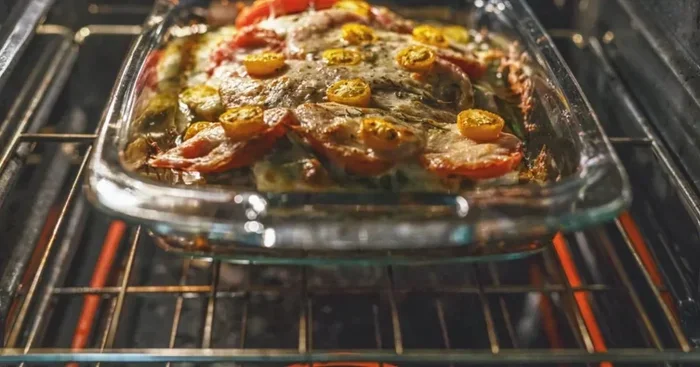
- Pyrex baking dish: Safe up to 425°F for oven use
- Pyrex measuring cup: Not designed for oven use; meant for cold or room-temperature liquids
- Pyrex casserole dish: Safe up to 425°F in a preheated oven
- Pyrex cookware on stovetop: Not recommended; stovetop use can cause uneven heating
Always check the bottom of your Pyrex dish for specific labeling. Manufacturers update their guidelines over time, and the stamp on your dish is the most reliable source.
Vintage Pyrex and Older Collections
If you own vintage Pyrex bakeware, the story changes a bit. Older Pyrex, made before the 1990s, was often crafted from a different type of glass. Some collectors report that vintage pieces handled higher oven temperatures than modern ones.
But here is the catch. Older Pyrex glass may have micro-cracks or wear that you cannot see. Even if it survived high heat decades ago, it may not survive the same conditions today.
Use caution with any Pyrex dish that shows signs of wear. Chips, scratches, or cloudiness are red flags. When in doubt, play it safe and stay within the 425°F range.
Can Pyrex Go Above 425°F?
Some recipes call for oven temperatures above 425°F. Can you use Pyrex cookware for those? The short answer is no. Exceeding the Pyrex maximum temperature significantly increases the risk of breakage.
At temperatures above 425°F, the glass begins to expand beyond its safe limits. This is especially true if the oven is not fully preheated or if the dish is an older model.
If your recipe requires 450°F or higher, transfer your food to a metal baking pan or a ceramic dish rated for high heat. This small switch protects both your Pyrex and your kitchen.
| Pyrex Type | Max Oven Temp | Stovetop Safe? | Broiler Safe? |
|---|---|---|---|
| Modern Pyrex Bakeware | 425°F | No | No |
| Vintage Pyrex (pre-1990s) | 425°F (use with caution) | No | No |
| Pyrex Measuring Cup | Not for oven use | No | No |
| Pyrex Lids | Not for oven use | No | No |
Common Mistakes That Cause Pyrex to Break
Skipping the Preheat Step
One of the biggest mistakes home cooks make is placing cold Pyrex dish into a cold oven and then cranking the heat up. This slow, uneven warming invites thermal shock. The glass heats unevenly, and cracks form.
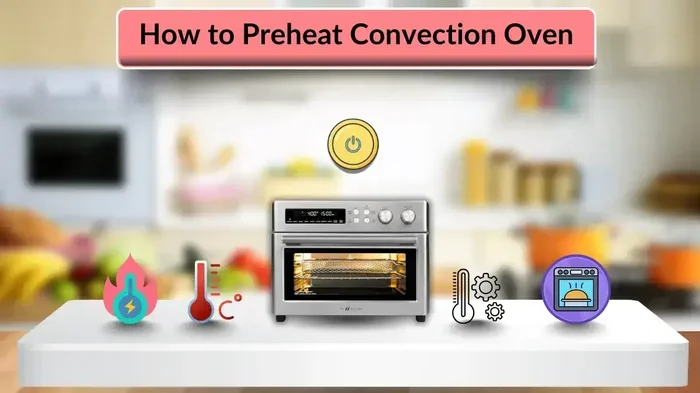
Always preheat your oven first. Wait until the oven reaches the desired temperature before inserting your Pyrex baking dish. This ensures the glass heats up evenly and safely.
Moving Pyrex Between Extreme Temperatures
Taking a hot Pyrex casserole dish from the oven and placing it on a cold granite countertop is a recipe for disaster. The sudden temperature drop shocks the glass.
Always place hot Pyrex on a dry, heat-resistant surface. A wooden cutting board, a cloth towel, or a silicone mat works well. Never place hot Pyrex on a wet or cold surface.
Using Damaged or Old Pyrex
Over time, Pyrex glass can develop small cracks or chips. These weak spots become failure points when the dish is exposed to high heat. A dish that looks fine at room temperature may shatter in the oven.
Inspect your Pyrex cookware before every use. If you see any damage, replace the dish. It is not worth the risk of a broken dish or a kitchen fire.
Tips for Safely Using Pyrex in the Oven
Follow the Pyrex Care Instructions
Pyrex provides clear Pyrex care instructions on their website and on product packaging. Reading these guidelines takes only a few minutes but saves you from costly mistakes. Key rules include:
- Always preheat the oven before placing Pyrex inside
- Never exceed 425°F for oven use
- Do not use Pyrex on the stovetop or under the broiler
- Allow Pyrex to cool before washing it
- Avoid sudden temperature changes at all times
Use the Middle Rack for Even Heating
Where you place your Pyrex bakeware inside the oven matters. The middle rack offers the most even heat distribution. Top racks expose the dish to more direct heat, which can cause uneven expansion. Bottom racks may expose the dish to intense bottom heat from the heating element.
Placing your Pyrex oven safe dish on the middle rack keeps the temperature balanced. This simple tip extends the life of your Pyrex and improves your baking results.
Add Liquid Before Baking Dry Ingredients
If you are baking with Pyrex and your recipe involves dry ingredients that produce little moisture, add a small amount of liquid to the dish first. This helps create a more even temperature inside the glass and reduces the risk of thermal stress.
For example, if you are roasting vegetables with very little oil, add a splash of water or broth to the bottom of the Pyrex dish before going into the oven.
Let Pyrex Cool Before Refrigerating
After removing your Pyrex casserole dish from the oven, let it cool on the counter for at least 15 to 20 minutes. Placing a hot dish directly into the refrigerator creates another round of thermal shock.
Once the dish is warm to the touch, it is safe to refrigerate. This rule applies in reverse too. Never take a cold dish from the fridge and put it straight into a hot oven.
Quick Tips for Pyrex Safety
- Always look for the “oven safe” label on the bottom of your Pyrex
- Use oven mitts when handling hot Pyrex
- Do not overcrowd the oven; allow air to circulate around the dish
- Avoid using Pyrex for broiling or direct flame cooking
- Hand wash your Pyrex when possible to preserve the glass surface
- Store Pyrex with a protective layer between stacked dishes
Pyrex vs Other Oven-Safe Glass and Bakeware Options
How Does Pyrex Compare to Ceramic?
Ceramic bakeware and Pyrex glass both work well in the oven, but they behave differently. Ceramic heats up slowly and retains heat for a long time. Pyrex heats more evenly and responds faster to temperature changes.
Ceramic is generally safe up to 450°F or higher, depending on the brand. Pyrex is rated at 425°F. However, ceramic can crack if it experiences thermal shock too, so the same care applies to both materials.
How Does Pyrex Compare to Metal Bakeware?
Metal baking pans can handle much higher temperatures than Pyrex. Aluminum and stainless steel are safe up to 500°F or more. Metal also heats faster and browns food more effectively.
The trade-off is that metal does not retain heat as evenly as glass. Food can develop hot spots. Pyrex bakeware offers more uniform cooking, which is why many bakers prefer it for casseroles and baked desserts.
If you need to bake at very high temperatures, metal is the better choice. For even cooking and easy cleanup, Pyrex wins.
How Does Pyrex Compare to Silicone Bakeware?
Silicone bakeware is flexible and lightweight. Most silicone molds are rated for temperatures up to 450°F to 500°F. However, silicone does not provide the same structural support as a rigid Pyrex dish.
Silicone works well for muffins and small treats. For large casseroles or roasts, Pyrex glass remains a top choice.
When to Replace Your Pyrex
Even with the best care, Pyrex cookware does not last forever. Knowing when to replace your dishes keeps your kitchen safe and your food tasting great.
Replace your Pyrex if you notice any of the following:
- Cracks or chips on the surface
- Cloudiness or discoloration that does not wash out
- Scratches that feel rough to the touch
- Glass that feels weaker or thinner than before
- Any previous breakage or repair
A damaged Pyrex dish may look fine on the outside but be compromised on the inside. One crack can spread rapidly under high heat, turning a safe dish into a hazard.
When you replace old Pyrex, recycle the old piece if possible. Glass is recyclable, and proper disposal keeps your kitchen and environment safer.
Conclusion
The answer to how high can Pyrex go in the oven comes down to one clear number: 425 degrees Fahrenheit for most modern pieces. Staying within this Pyrex temperature limit keeps your Pyrex bakeware safe and functional for years of cooking.
Remember that thermal shock is the real danger. Avoid sudden temperature changes, always preheat your oven, and handle hot Pyrex with care. Follow the Pyrex care instructions printed on your dishes, and you will enjoy safe, delicious meals every time.
Whether you are making a Sunday casserole or a weeknight dinner, baking with Pyrex is a joy when you respect the limits. Treat your Pyrex oven safe dishes well, and they will reward you with countless home-cooked meals.
Stay informed, cook smart, and let your Pyrex glass do what it does best. Happy baking.
Frequently Asked Questions
What is the maximum oven temperature for Pyrex?
Most modern Pyrex bakeware is rated for oven use up to 425 degrees Fahrenheit. Always check the bottom of your specific Pyrex dish for the manufacturer’s label. Exceeding this temperature increases the risk of breakage.
Can I put cold Pyrex directly into a hot oven?
No. Never place a cold Pyrex dish into a hot oven. This causes thermal shock, which can crack or shatter the glass. Always preheat the oven first and let the Pyrex come to room temperature before placing it inside.
Is vintage Pyrex safe to use in the oven?
Vintage Pyrex can be safe if it is free of cracks, chips, or scratches. However, older pieces may not meet modern safety standards. Inspect the dish carefully and stay within the 425°F limit to be safe.
Can Pyrex go under the broiler?
No. Pyrex is not designed for broiler use or direct stovetop cooking. The intense, direct heat from the broiler can cause the glass to crack or shatter. Use metal or ceramic cookware for broiling instead.
How do I clean my Pyrex safely?
Let your Pyrex cool completely before washing it. Hand washing is preferred, though most modern Pyrex is dishwasher safe. Avoid using abrasive scrubbers that can scratch the glass surface.
Why did my Pyrex break in the oven even though I followed the rules?
Even with proper care, Pyrex can break if it has hidden damage like small cracks or chips. Age also weakens the glass over time. If your Pyrex breaks unexpectedly, inspect it for prior damage and replace it if needed.