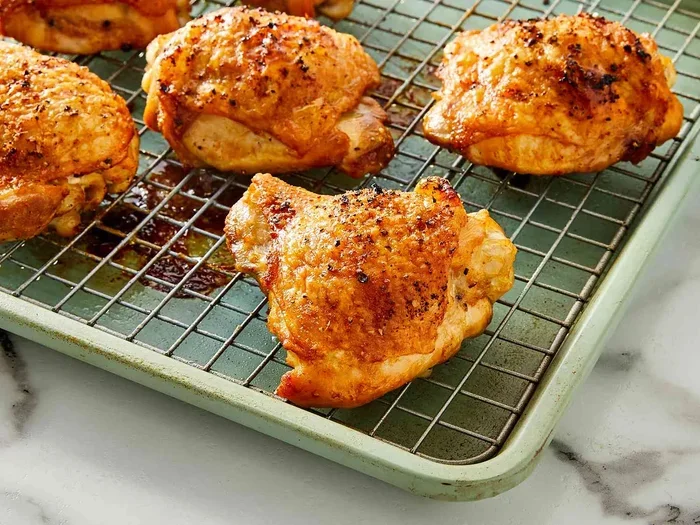
How Long To Cook Chicken Thighs In A Preheated Oven
How long to cook chicken thighs in a preheated oven depends on the cut and your oven temperature. Bone-in thighs usually take 40 to 45 minutes at 400 degrees Fahrenheit, while boneless thighs need about 25 to 30 minutes. This guide gives you the exact time and temperature for perfectly juicy, crispy chicken every single time.
Key Takeaways
- Preheating is essential: Always start with a hot oven for even cooking and crispy skin.
- Bone-in takes longer: Expect 40 to 45 minutes at 400°F compared to 25 to 30 minutes for boneless.
- Check the internal temperature: The safe temperature is 165°F (74°C) for food safety.
- Let it rest: Resting the chicken for 5 to 10 minutes keeps the juices inside.
- Avoid overcrowding: Give the thighs space on the pan for crispy edges.
- Season well: Simple salt, pepper, and olive oil bring out the best flavor in dark meat.
📑 Table of Contents
- Why Preheating Your Oven Makes A Big Difference
- The Ultimate Cooking Time Guide For Chicken Thighs
- Step-By-Step Instructions For Perfect Chicken Thighs
- Common Mistakes To Avoid When Baking Chicken Thighs
- Expert Tips For Juicy, Flavorful Chicken Thighs
- How Temperature Affects Your Chicken Thighs
- Storing And Reheating Leftover Chicken Thighs
- Conclusion
Why Preheating Your Oven Makes A Big Difference
Many people skip the preheat step. They put the chicken in a cold oven and wait. But this does not give you the best results. How long to cook chicken thighs in a preheated oven is a question that has a much better answer when you start right.
Preheating means the oven is already hot when the food goes in. This changes everything. The heat hits the chicken immediately. The outside starts to cook fast. This creates a beautiful golden crust. It also helps the fat render out. The skin becomes crispy and delicious. You do not want rubbery or pale chicken. You want juicy meat with a crunch. Starting hot is the secret. It sets the stage for a perfect meal.
When you skip preheating, the oven is cold. The chicken sits in a cold box for a long time. The temperature rises slowly. This lets bacteria grow. It is a food safety risk. A preheated oven kills germs fast. The chicken reaches the safe zone quickly. This is the best way to cook bone-in chicken thighs or boneless chicken thighs. You get even cooking. You get great flavor. You get a meal you can feel good about.
Preheating also saves time in the long run. A cold oven takes forever to reach the target temp. Your chicken sits in the danger zone too long. A hot oven cooks the outside fast. It seals in the juices. The baking temperature matters a lot. You want a steady 400 degrees. This is the sweet spot for oven-baked chicken. It crisps the skin. It cooks the meat through. It does not dry out the dark meat. Take the extra ten minutes to preheat. It is always worth it.
The Science Of Even Cooking
When you put cold chicken in a cold oven, it heats up very slowly. The outside overcooks before the inside is done. This is a common problem. A preheated oven surrounds the food with heat right away. The temperature is steady from the first second. The chicken cooks evenly all the way through. The edges get a nice sear. The center stays moist. This is the best way to cook chicken thighs. You avoid the dry outer layer. You keep the inside tender. The bone-in pieces especially benefit from this steady heat. The baking temperature of 400 degrees works perfectly here.
Heat transfer works best when there is a big difference. A hot oven and cold chicken create a strong reaction. The outside cooks fast. The inside catches up. This is called thermal shock. It is a good thing for your recipe. It gives you crispy skin and juicy meat. A slow warm-up makes the meat gray. It does not look appetizing. You want a golden brown color. You want an appetizing meal. Preheating gives you exactly that.
Getting That Perfect Crispy Skin
If you love crispy skin, preheating is a must. High heat quickly dries out the surface. Dried skin gets crispy. Low heat makes the skin soggy. Nobody likes soggy chicken skin. A hot oven also melts the fat under the skin. The fat drips away. This leaves behind a satisfying crunch. It adds a great flavor too. A preheated oven is your best friend for crispy results. The oven-baked chicken tastes so much better with a crunch. It is a simple step that makes a huge difference. Take the extra ten minutes to preheat. Your taste buds will thank you.
The Maillard reaction is what makes the skin brown. This reaction needs high heat. It happens fast at 400 degrees. It creates hundreds of flavor compounds. Your chicken smells amazing. It looks amazing. It tastes amazing. You cannot get this reaction in a cold oven. So always preheat. It is the foundation of great oven-baked chicken.
The Ultimate Cooking Time Guide For Chicken Thighs
So, what is the exact time? The answer depends on a few things. The type of chicken thigh matters a lot. The oven temperature matters too. Here is a simple guide for oven-baked chicken. You can follow these times with confidence. You will never wonder about the cooking time again.
Bone-In Chicken Thighs Time And Temp
Bone-in thighs are the most popular choice. The bone adds flavor. It also takes longer to cook. You should bake them at 400 degrees Fahrenheit. This temperature cooks them through without drying them out. How long to cook chicken thighs in a preheated oven at this temp is about 40 to 45 minutes. If your oven runs cool, add five more minutes. Always check the internal temperature. The thickest part should reach 165 degrees Fahrenheit. The meat should not be pink near the bone. This ensures food safety for your family.
Bone-in thighs have more connective tissue. They need time to break down. This makes the meat fall off the bone. It becomes super tender. Chicken legs are another name for thighs. You can tell they are done by the juice color. Clear juice means done. Pink juice means keep cooking. Use a meat thermometer for the best results. It takes the guesswork out of the process. The baking dish should be hot when the chicken goes in too.
Do not forget the resting time. The chicken continues to cook after you take it out. This is called carryover cooking. The temperature rises a few more degrees. The juices settle back into the meat. This makes the chicken juicier. Plan for a 10-minute rest. Your bone-in chicken thighs will be perfect.
Boneless Chicken Thighs Time And Temp
Boneless thighs cook much faster. They do not have a bone to heat through. You can bake them at the same 400 degrees. But the time drops to 25 to 30 minutes. They are great for quick weeknight dinners. Because they lack a bone, they can dry out faster. Keep an eye on them after 20 minutes. Use a meat thermometer to check for doneness. They should reach 165 degrees inside. Boneless chicken thighs are perfect for salads and sandwiches. They shred easily too. You can use them in tacos or wraps. The cooking time is short, so stay close to the oven. They are similar to drumsticks in cooking time, but without the bone.
Boneless thighs are versatile. You can slice them up for stir fry. You can cube them for pasta. They fit into many different meals. They are a great recipe for busy nights. Just remember that they cook fast. Set a timer. Do not walk away from the oven. A few extra minutes can turn juicy chicken into dry chicken.
Bone-In Versus Boneless: A Quick Comparison
It helps to see the differences side by side. Here is a simple guide to help you choose.
- Bone-In Thighs: Takes 40 to 45 minutes at 400°F. More flavorful. Requires a meat thermometer. Great for slow eating.
- Boneless Thighs: Takes 25 to 30 minutes at 400°F. Faster to cook. Can dry out easily. Great for meal prep.
- Internal Temp: Both must reach 165°F for food safety.
- Skin Texture: Bone-in gets crispier skin. Boneless needs careful watch to avoid dryness.
- Meal Prep: Boneless is easier to store and reheat.
- Flavor: Bone-in has a richer, deeper taste.
Step-By-Step Instructions For Perfect Chicken Thighs
Now that you know the time, let us talk about the process. Following the right steps makes a huge difference. You will get perfect dark meat every time. This is your go-to recipe for a family dinner.
Prepping Your Chicken
Start by taking the chicken out of the fridge. Let it sit for 15 minutes. Cold chicken takes longer to cook. Room temperature chicken cooks more evenly. Pat the thighs dry with paper towels. Dry skin gets crispier than wet skin. Remove any excess fat from the edges. This prevents flare-ups in the oven. Flare-ups can burn the skin. You want a golden brown color, not a blackened mess. Place the thighs on a clean cutting board. This keeps your counters clean. It also makes seasoning easier. Good prep is half the battle when you are figuring out how long to cook chicken thighs in a preheated oven.
Always use a clean cutting board. Raw chicken can spread bacteria. Wash your hands after touching it. Use separate utensils for raw chicken. This keeps your kitchen safe. Food safety is the number one priority. Do not rinse the chicken. Splashing water spreads germs around your sink. Cooking the chicken to 165 degrees kills all the bad stuff. Skip the rinse. Just pat it dry and season it.
You can also score the skin. Scoring means making shallow cuts. This helps the fat render out. It gives you extra crispy skin. It also lets the seasoning sink deeper into the meat.
Seasoning And Marinating
Seasoning is simple but important. You do not need a fancy recipe. Just use salt and pepper. Olive oil helps the seasoning stick. You can add garlic powder or paprika. These spices add great flavor to chicken thighs. If you have time, marinate the chicken for 30 minutes. A quick dip in buttermilk also makes the meat tender. The acid breaks down the fibers. This leads to a juicier bite. You can add a squeeze of lemon too. The acid brightens the flavor. Fresh herbs like thyme are wonderful. They add a nice aroma to the oven-baked chicken. Do not be shy with your seasoning. Chicken thighs are dark meat. They can handle bold flavors.
Try different spice blends. Lemon pepper is a classic. It gives a nice zing. Ranch seasoning is another great choice. It adds a creamy, herby taste. Buffalo sauce makes spicy chicken thighs. You can brush it on before baking. BBQ sauce works great too. Add it in the last 10 minutes. This prevents the sugar from burning. The seasoning is what makes your meal special. Experiment and find your favorite.
The Baking Process
Place the thighs skin-side up on a lined baking sheet. Do not crowd them. Give each piece space. This allows the hot air to flow around the chicken. Put the pan in the preheated oven. Set a timer for 35 minutes. At 35 minutes, check the internal temperature. If it is not 165°F yet, keep baking. Check every 5 minutes. Do not overcook the chicken. Overcooked chicken becomes tough and dry. The oven rack position matters too. The middle rack is best. It allows heat to circulate evenly. If you put it too low, the bottom burns. If you put it too high, the top burns.
You can also add vegetables to the pan. Carrots, potatoes, and onions are great choices. They soak up the chicken juices. They make a complete meal in one pan. Toss the veggies in olive oil first. Spread them around the chicken. The veggies will roast alongside the chicken thighs. Just make sure the vegetables are cut small. They need to cook at the same speed. This is a great way to save time on cleanup.
Common Mistakes To Avoid When Baking Chicken Thighs
Even experienced cooks make errors. Knowing what not to do saves you from a bad meal. Here are the biggest mistakes people make with baked chicken thighs. Avoid these, and you are halfway to a great dinner.
Skipping The Meat Thermometer
The only way to know if chicken is done is with a thermometer. Color is not a reliable guide. Sometimes pink meat can be safe. Sometimes white meat can be dry. A meat thermometer removes all guesswork. Insert it into the thickest part of the thigh. Avoid touching the bone. The bone reads hotter than the meat. If you do not have a thermometer, cut into the thickest part. The juices should run clear. This is a key step for food safety. Many people overcook chicken because they fear undercooking. A thermometer takes away that fear.
Overcrowding The Baking Dish
It is tempting to fit all the chicken on one pan. This is a mistake. When pieces touch, they steam. Steaming makes the skin soft. You want crispy skin, not soggy skin. Use a large baking sheet. If you have too many thighs, use two pans. The extra space allows the heat to reach every piece. This gives you those beautiful crispy edges. The cooking time can also change if the pan is crowded. The steam lowers the oven temperature. This means the chicken takes longer to bake. Keep your pan open and spacious for the best results.
Opening The Oven Door Too Often
Every time you open the oven door, heat escapes. The temperature drops. The chicken has to recover. This slows down the cooking time. It also makes the skin soggy. Try not to open the door for the first 30 minutes. Use the oven light to check on the chicken. Peek through the window. Trust the process. Leave the door closed. Your oven-baked chicken will thank you.
Expert Tips For Juicy, Flavorful Chicken Thighs
Want to elevate your chicken? These tips will help you cook chicken thighs like a pro. Try these simple tricks for better results. Your oven-baked chicken will never be the same.
Resting The Meat
Do not cut into the chicken right away. Let it rest for 5 to 10 minutes. Resting lets the juices redistribute. If you cut too soon, the juice runs out. The chicken becomes dry. Tent the chicken with a loose piece of foil. This keeps the heat in. It also stops the skin from getting soggy from steam. A foil tent is a great tool. It traps moisture without cooking the skin further. You will notice a big difference in juiciness. This is a pro move that home cooks often miss.
Using The Right Pan
The pan you use matters. A wire rack set over a baking sheet works best. The rack lets air circulate under the chicken. The skin crisps up evenly on all sides. If you do not have a rack, a cast iron skillet works too. The heavy pan holds heat well. It creates a nice sear on the bottom. Avoid glass pans for crispy skin. They do not get as hot as metal. A metal baking dish or sheet pan is the way to go. The right pan makes the skin extra crispy.
Adding A Little Liquid
You can add a little chicken broth to the pan. This creates steam. The steam keeps the chicken moist. It also adds flavor to the pan drippings. You can make a sauce from those drippings later. Just pour them into a small pot. Add a little butter. Stir it up. It makes a great gravy. This trick is perfect for bone-in chicken thighs. The liquid helps the meat stay tender during the longer cooking time. It is an easy way to add extra flavor.
How Temperature Affects Your Chicken Thighs
Oven temperature is not just a number. It controls how fast the chicken cooks. A higher temperature means a shorter cook time. But it also risks burning the outside. A lower temperature cooks slower. It can make the chicken dry. Finding the sweet spot is key for chicken thighs.
Why 400 Degrees Fahrenheit Is The Sweet Spot
400 degrees is the ideal temperature for chicken thighs. It cooks them fast enough to stay juicy. But it is hot enough to crisp the skin. At 350 degrees, the chicken takes longer. The skin does not get as crispy. At 425 degrees, the outside might burn before the inside is done. Stick to 400 degrees for the best balance. This is the standard for oven-baked chicken. It works for both bone-in and boneless cuts. The baking temperature of 400°F is trusted by home cooks everywhere. Chicken thighs are darker and fattier than chicken breast. They are more forgiving when you cook them.
Adjusting For High Altitude
Living in the mountains changes things. The air is thinner at high altitudes. Food takes longer to cook. You might need to increase the temperature slightly. You might also need to add a few extra minutes. Always check the internal temperature. Do not rely solely on the clock. Adjustments are normal and easy to make. High altitude baking is tricky. But your chicken thighs will still turn out great if you watch them closely.
Convection Oven Settings
If you have a convection oven, you can lower the temperature. Convection fans circulate the hot air. This cooks the chicken faster and more evenly. Drop the temp by 25 degrees. So bake at 375 degrees instead of 400. The cooking time will be a bit shorter. Check the chicken early. Convection ovens can dry out food if you are not careful. Use a meat thermometer to be safe.
Storing And Reheating Leftover Chicken Thighs
Do you have leftover chicken? That is not a bad thing. Leftover chicken thighs make great next-day meals. You just need to store and reheat them properly. This keeps them safe and tasty.
Safe Storage Practices
Let the chicken cool to room temperature. Do not leave it out for more than two hours. Bacteria grows fast on warm food. Once cooled, put the chicken in an airtight container. It will stay fresh in the fridge for 3 to 4 days. You can also freeze it for up to 3 months. Wrap it tightly in plastic wrap or foil. Freezing extends the cooking time enjoyment. You get to eat your meal days later. Just remember to label the container with the date.
Reheating Without Drying It Out
Reheating is the tricky part. A microwave makes the chicken rubbery. It is better to use the oven. Heat your oven to 350 degrees. Place the chicken on a baking sheet. Add a splash of chicken broth to the pan. Cover the chicken loosely with foil. This traps the steam. It keeps the meat moist. Heat for 10 to 15 minutes. Remove the foil for the last 5 minutes. This brings back the crispy skin. Your leftover oven-baked chicken will taste almost as good as fresh.
You can also shred the leftovers. Shredded chicken is perfect for soups. It works great in quesadillas. Toss it into a salad for lunch. Leftover chicken thighs are very versatile. Do not throw them away. Get creative with your extras. They make a fantastic quick meal the next day.
Conclusion
Cooking chicken thighs at home is easy and rewarding. You do not need to be a chef to get great results. How long to cook chicken thighs in a preheated oven is simple once you know the basics. Bone-in thighs take about 40 to 45 minutes. Boneless thighs need 25 to 30 minutes. Always cook at 400 degrees Fahrenheit. Use a meat thermometer to ensure food safety. Let the chicken rest before serving. Follow these tips, and you will have crispy skin and juicy meat every time. Enjoy your delicious oven-baked chicken tonight! You will love how easy it is to make a fantastic meal in your own kitchen. Gather your ingredients. Preheat your oven. Follow this guide. You will be amazed at the restaurant-quality results you can achieve right on your home stove. How long to cook chicken thighs in a preheated oven becomes second nature once you try it. Your family will love the juicy, crispy chicken you serve.
Frequently Asked Questions
Can I cook chicken thighs at 350 degrees instead of 400?
Yes, you can. But the time will be longer. At 350 degrees, bone-in thighs take about 50 to 60 minutes. The skin will not get as crispy. 400 degrees is the best temperature for crispy skin and juicy meat.
Do I need to flip chicken thighs while baking?
It is not strictly necessary. However, flipping them halfway through can help. It ensures both sides get crispy. If you leave them skin-side up the whole time, the top will crisp nicely. The bottom might be a bit softer.
How do I know if chicken thighs are done without a thermometer?
Poke the thickest part of the meat with a knife. The juices should run clear. If they are pink, the chicken needs more time. Also, the meat should feel firm, not rubbery. Cutting into it is the most reliable way.
Can I bake frozen chicken thighs?
You can, but it takes much longer. Frozen thighs need about 50 to 60 minutes at 400 degrees. They will not be as crispy as thawed chicken. It is always best to thaw them first for even cooking and better texture.
Why are my chicken thighs dry after baking?
Overcooking is the main reason. Chicken thighs have more fat than breasts, but they still dry out if left too long. Skipping the rest time also causes dryness. Always use a meat thermometer and pull the chicken out at 165 degrees.
What is the best seasoning for chicken thighs?
Simple is often best. Salt, pepper, garlic powder, and olive oil work perfectly. You can also add paprika or onion powder for extra flavor. Lemon zest and fresh herbs like rosemary or thyme are also great choices for dark meat.