Why Does My Oven Smoke When I Bake and How to Fix It
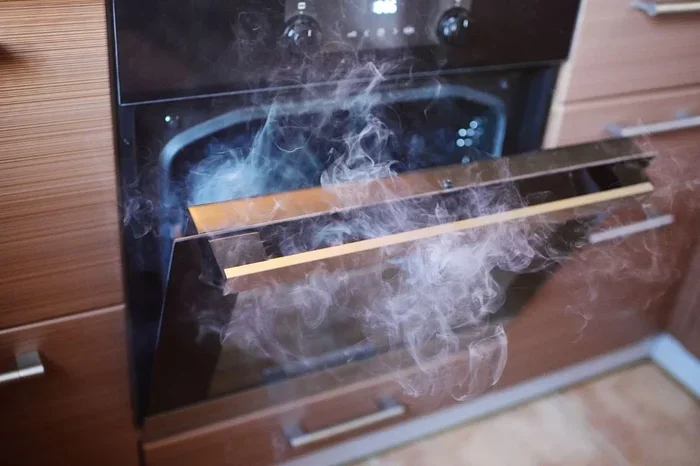
Why Does My Oven Smoke When I Bake is a common problem that most home bakers encounter at some point. Your oven may produce smoke due to grease buildup, food residue, incorrect rack placement, or faulty heating elements. The good news is that most causes are easy to identify and fix with simple cleaning and adjustments.
There is nothing more frustrating than pulling out a beautiful cake or batch of cookies only to be greeted by a cloud of oven smoke drifting through your kitchen. If you have ever wondered why does my oven smoke when I bake, you are not alone. This is one of the most common kitchen problems home bakers face, and it can happen to anyone regardless of oven brand or model. The good news is that in most cases, the cause is simple and the fix is even simpler. Let us explore exactly what is going on inside your oven and how you can stop the oven smoke for good.
Whether you have a gas oven smoking or an electrical oven producing smoke, the reasons are often similar. Understanding the root cause helps you choose the right fix quickly. In this guide, we will cover everything from grease buildup to food residue to faulty heating elements. By the end, you will know exactly what to do when your oven smoking during baking starts appearing during your next bake.
Key Takeaways
- Grease Buildup Is the #1 Culprit: Regular oven cleaning prevents most smoking issues
- Foil and Rack Placement Matter: Wrong positioning blocks airflow and causes smoke
- Self-Cleaning Cycles Produce Smoke: This is normal but should be managed properly
- Faulty Heating Elements Need Replacement: Damaged elements cause persistent smoke
- Prevention Is Simple: A few smart baking habits keep your oven smoke-free
- Know When to Call a Pro: Electrical issues require professional attention
📑 Table of Contents
Why Does My Oven Smoke When I Bake
Your oven is designed to handle high temperatures, but it is not immune to producing smoke. Several factors can cause oven smoke while baking, and most of them are related to how you use and maintain your appliance. Let us break down the main reasons so you can identify what is happening in your kitchen.
The Science Behind Oven Smoke
When food particles, grease, or other organic matter are exposed to high heat, they burn. This burning process creates smoke. Your oven interior can accumulate these residues over time, especially if you do not clean it regularly. Even a small amount of spilled batter or dripped grease can start smoking when the temperature rises above 400 degrees Fahrenheit. This is why oven smoke while baking often happens during the first few minutes of your bake.
Another common cause is the type of material you use inside the oven. Aluminum foil, for example, can block airflow if placed incorrectly. When hot air cannot circulate properly, heat builds up in certain spots, causing food to burn and smoke. Understanding how your oven works is the first step to fixing the problem.
Common Reasons Your Oven Smokes While Baking
Several factors can trigger oven smoking during baking. Let us look at each one in detail so you can pinpoint the cause in your own kitchen.
Grease and Food Buildup
This is the most common reason for oven smoking. Over time, grease from cooking and food particles from spills build up on the oven floor, walls, and racks. When you preheat your oven or start baking, this residue heats up and begins to smoke. The burnt food smell that often accompanies oven smoke usually comes from this buildup.
Even if you wipe down your oven after each use, tiny particles can stick to the surfaces. These particles carbonize over time, creating a layer of grime that smokes easily. This is especially true if you bake frequently or cook foods that produce a lot of grease, like sausages or fatty meats.
Using Too Much Aluminum Foil
Many bakers use aluminum foil to line baking trays or cover dishes. While foil is useful, using too much of it can cause problems. When you cover too much of the oven floor or block the vents with foil, you restrict airflow. This trapped heat causes food to burn faster, leading to smoke.
Also, if foil touches the heating elements directly, it can reflect heat unevenly and cause hot spots. These hot spots burn food quickly, producing smoke. Always leave space for air to circulate inside your oven and avoid lining the entire floor with foil.
Incorrect Rack Placement
Where you place your oven rack matters more than you might think. If your baking tray is too close to the top or bottom heating element, the food can get too much direct heat. This causes burning and smoke. Proper oven rack placement ensures even heat distribution and prevents food from scorching.
A good rule of thumb is to place your rack in the center of the oven for most baking tasks. If you are baking multiple trays, make sure they are not stacked too closely together. Blocking airflow between trays is a quick way to create smoke inside your oven.
Self-Cleaning Cycle Smoke
If you have a self-cleaning oven, you might notice heavy smoke when you start the self-cleaning oven smoke cycle. This is completely normal. The self-cleaning feature heats the oven to extremely high temperatures, usually around 900 degrees Fahrenheit, to burn off all food residue and grease.
During this process, you will see a lot of smoke and may even smell burning. This is the oven doing its job. However, you should ventilate your kitchen by opening windows and turning on the exhaust fan. The smoke from a self-cleaning oven can trigger your smoke alarm, so be prepared and keep the kitchen door closed if needed.
Faulty Heating Elements
In both electrical ovens and gas ovens, the heating elements can wear out over time. A damaged electrical oven element may glow unevenly or spark, causing smoke. In a gas oven smoking scenario, a faulty igniter or burner can produce uneven flames that lead to smoke.
If you notice sparking, glowing spots that are not uniform, or flames that look yellow instead of blue, your heating elements may need replacement. This is a more serious issue that usually requires oven repair by a professional. Never attempt to replace heating elements yourself unless you have experience with appliance repair.
Comparison Table: Common Causes of Oven Smoke
| Cause | Fix | Difficulty | Cost |
|---|---|---|---|
| Grease Buildup | Deep clean oven interior with baking soda paste | Easy | Low |
| Excess Aluminum Foil | Remove or reposition foil to allow airflow | Easy | Free |
| Wrong Rack Placement | Move rack to center position | Easy | Free |
| Self-Cleaning Cycle | Ventilate kitchen during cycle | Easy | Free |
| Faulty Heating Element | Replace heating element | Moderate | Medium to High |
| Food Residue on Trays | Clean baking trays and oven floor after spills | Easy | Low |
How to Fix a Smoking Oven
Now that you know the common causes, let us look at how to fix each one. Most solutions are simple and can be done at home with basic supplies. A little oven maintenance goes a long way in preventing smoke from returning.
Clean Your Oven Thoroughly
The single most effective fix for oven smoke while baking is a thorough cleaning. Start by removing the oven racks, baking trays, and any removable parts. Wash them in warm soapy water to remove grease and food residue.
For the oven interior, use a commercial oven cleaner or a natural solution of baking soda and water. Apply the cleaner to all surfaces, especially the floor and walls where grease builds up. Let it sit for the recommended time, then wipe it clean with a damp cloth. Pay special attention to the corners and edges where residue tends to accumulate.
For tough, carbonized grime, make a paste of baking soda and water, spread it on the affected areas, and let it sit overnight. The next day, wipe it away with a damp cloth. This method works wonders on baked-on food residue that causes smoking and the unpleasant burnt food smell that comes with it.
Adjust Your Baking Setup
Once your oven is clean, check how you are using it. Remove excess aluminum foil and make sure nothing is blocking the vents. Position your oven rack in the center for even heat distribution. Use baking sheets that fit properly inside the oven without touching the sides.
If you notice smoke during preheating, check if there is any food residue on the oven floor or walls. Even a small spill can smoke when the oven reaches high temperatures. A quick wipe-down before preheating can prevent this entirely and keep your oven smoke at bay.
Check the Heating Elements
Inspect your heating elements for damage. In an electrical oven, look at the top and bottom elements when the oven is cool. You should see uniform glowing when the oven is heated. If you notice dark spots, blistering, or areas that do not glow, the element may be failing.
For gas ovens, check that the burners produce even blue flames. Yellow or orange flames indicate incomplete combustion, which can produce smoke and harmful fumes. If you suspect a problem with your heating elements, it is best to contact a professional for oven repair. Working with electrical or gas components can be dangerous if you are not experienced.
Monitor Your Oven Temperature
Sometimes oven smoke happens because the temperature is too high. An oven thermometer is an inexpensive tool that tells you the actual temperature inside your oven. Many ovens run hotter or cooler than the dial setting suggests, which can cause food to burn and produce smoke.
If your oven runs hot, your food may burn before it is fully cooked, producing smoke. By using an oven thermometer, you can adjust the temperature setting and avoid this problem. This simple tool is a game changer for consistent, smoke-free baking and better oven temperature control.
Preventing Oven Smoke in the Future
Prevention is always better than cure. Here are some habits you can adopt to keep your oven smoke-free and running efficiently.
Establish a Regular Cleaning Routine
Make oven cleaning part of your regular kitchen maintenance. Wipe down the interior after every use while it is still warm. This prevents food residue from hardening and building up over time. A quick wipe with a damp cloth after each bake goes a long way toward preventing smoke.
For a deeper clean, schedule a thorough oven cleaning every one to two months. This keeps grease buildup in check and prevents the smoky smells that come with it. A clean oven not only smokes less but also performs better and lasts longer. Think of it as basic oven maintenance that saves you time and money in the long run.
Practice Smart Baking Habits
Use parchment paper or silicone baking mats on your trays to catch drips and spills. These alternatives are better than lining trays with aluminum foil because they allow airflow while still protecting the oven floor. They also make cleanup much easier after every baking session.
Avoid overfilling baking trays. When food spills over the edges, the drips land on the oven floor and create smoke. Use appropriately sized trays and leave enough space between items for heat to circulate. A well-organized oven bakes more evenly and produces less smoke, giving you better results every time.
Ventilate Your Kitchen
Always turn on your exhaust fan or open a window when baking. Good ventilation helps remove smoke before it builds up in your kitchen. This is especially important when you are baking at high temperatures or cooking greasy foods that are more likely to produce smoke.
If you do not have an exhaust fan, consider installing one. Even a simple window fan can make a big difference. Keeping air moving prevents smoke from lingering and sets off your smoke alarm. A well-ventilated kitchen is a safer and more comfortable kitchen for all your baking adventures.
When to Call a Professional
Most oven smoking issues can be fixed at home with cleaning and simple adjustments. However, some situations require professional help. If you notice persistent smoke even after a thorough cleaning, the problem may be electrical or mechanical in nature.
Warning signs that you need oven repair include sparking from heating elements, unusual odors that do not go away, uneven heating throughout the oven, or visible damage to internal components. A qualified technician can diagnose and fix these issues safely. Do not attempt to repair electrical or gas components yourself, as this can be dangerous and may void your warranty.
Also, if your oven is old and frequently needs repairs, it may be more cost-effective to replace it. Newer ovens are more energy-efficient and less likely to produce smoke during baking. Look for models with self-cleaning features and good ventilation systems to minimize future oven smoke problems and enjoy worry-free baking for years to come.
Quick Tips for a Smoke-Free Baking Experience
Here are some quick tips to keep your oven running smoothly and smoke-free every time you bake:
- Preheat with the oven empty to burn off any loose residue before you put food inside.
- Use the right bakeware. Dark pans absorb more heat and can cause burning and smoke. Light-colored pans reflect heat and reduce smoke risk significantly.
- Do not overcrowd the oven. Leave space between trays for proper air circulation and even baking.
- Clean spills immediately. The longer food residue sits, the harder it is to remove and the more likely it is to smoke during your next bake.
- Check your oven seals. Damaged door seals let heat escape and can cause uneven cooking and unwanted smoke.
- Use an oven thermometer to make sure you are baking at the right temperature and not overheating your food.
- Run the self-cleaning cycle sparingly. Only use it when there is heavy buildup, and always ventilate your kitchen well during the process.
Following these simple tips will significantly reduce oven smoke and make your baking experience more enjoyable. A little prevention goes a long way in keeping your kitchen smoke-free and your baked goods coming out perfectly every time.
Conclusion
Why does my oven smoke when I bake is a question with straightforward answers in most cases. Whether it is grease buildup, incorrect rack placement, or a faulty heating element, the causes are identifiable and fixable with the right approach. Regular oven maintenance and smart baking habits are your best defense against smoke and unpleasant odors.
Start by giving your oven a thorough cleaning and adjusting how you set up your baking trays and racks. These two steps alone will solve the problem for most home bakers. If the smoke persists, check your heating elements and consider calling a professional for oven repair to address any underlying issues safely.
Remember, a little attention and care keeps your oven running smoothly. With the tips in this guide, you can enjoy smoke-free baking and focus on what really matters, creating delicious treats for your family and friends. Your oven works hard for you, and with proper care and regular maintenance, it will keep delivering great results for years to come.
Frequently Asked Questions
Why does my oven smoke when I preheat?
Oven smoke during preheating is usually caused by food residue or grease on the oven walls and floor. When the temperature rises quickly, these residues burn and produce smoke. A quick wipe-down of the oven interior before preheating can prevent this. Also, new ovens may smoke slightly during the first few uses as manufacturing oils burn off.
Is it safe to use an oven that is smoking?
Light smoke from food residue or overheated grease is generally not dangerous, but it should be addressed quickly. If the smoke is heavy, accompanied by a burning plastic smell, or comes from electrical components, turn off the oven immediately and do not use it until it is inspected. Persistent smoke can damage your oven and pose a fire risk in your kitchen.
Can aluminum foil cause my oven to smoke?
Yes, aluminum foil can cause oven smoke if it is placed too close to the heating elements or if it blocks the vents. Foil that touches the elements can melt or spark, creating smoke and potentially damaging your oven. Always position foil carefully and never cover the entire oven floor or block airflow openings.
How often should I clean my oven to prevent smoke?
Wipe down your oven interior after every use while it is still warm. For a deep clean, aim for every one to two months depending on how often you bake. Regular cleaning prevents grease buildup and food residue, which are the leading causes of oven smoke during baking and affect overall oven performance.
Why does my self-cleaning oven produce so much smoke?
Self-cleaning ovens produce smoke because they heat to extremely high temperatures to burn off all food residue and grease. This is a normal part of the cleaning process. To minimize smoke, remove large food particles before starting the cycle and ventilate your kitchen well by opening windows and running the exhaust fan during the entire cycle.
When should I replace my oven instead of repairing it?
Consider replacing your oven if it is more than 15 years old, if repair costs exceed half the price of a new unit, or if you notice persistent issues like uneven heating, sparking, or frequent smoking despite regular cleaning. Newer models are more energy-efficient and less prone to smoke problems, making them a smart long-term investment for your kitchen.