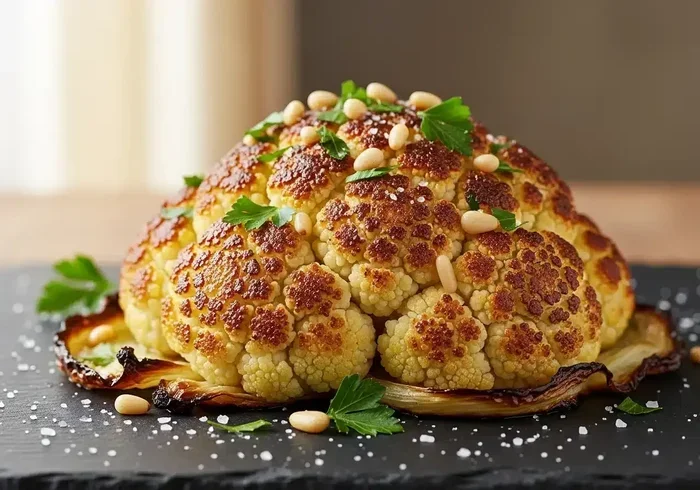
How Long To Roast Cauliflower At 350 In Oven Every Time
Wondering how long to roast cauliflower at 350 in oven? This guide gives you the exact roasting time and temperature for perfectly crispy, golden florets every single time. You’ll learn the best cuts, seasonings, and oven tips to avoid common mistakes.
There’s something magical about how long to roast cauliflower at 350 in oven. It transforms a plain vegetable into a crispy, golden side dish that everyone loves. Whether you’re meal prepping or cooking for a weeknight dinner, knowing the exact time makes all the difference.
Many home cooks worry about soggy or burnt cauliflower. The truth is, when you nail the roasting temperature and timing, you get perfectly caramelized florets every time. This guide walks you through everything you need to know about roasted cauliflower at 350°F. You’ll learn the exact minutes, the best cuts, and simple tricks to avoid common pitfalls.
By the end, you’ll feel confident enough to make oven roasted cauliflower like a pro. Let’s dive in and make your next batch foolproof.
Key Takeaways
- Perfect Timing: Roast cauliflower at 350°F for 20-30 minutes depending on cut size for golden, crispy results.
- Size Matters: Smaller florets roast faster (20 min), while thick stems need up to 35 minutes to tenderize.
- Dry is Key: Pat florets dry and use minimal oil to achieve crispy roasted cauliflower.
- High Heat Finish: Boost oven to 400°F for the last 5 minutes if you want extra browning on your oven roasted cauliflower.
- Season Smart: Toss with olive oil, salt, and garlic before roasting for maximum flavor.
- Avoid Overcrowding: Spread florets in a single layer on the baking sheet for even roasting.
📑 Table of Contents
- Why Roasting Cauliflower at 350°F Is the Best Method
- How Long to Roast Cauliflower at 350: Time by Size and Cut
- Step-by-Step: How to Roast Cauliflower at 350 Every Time
- Common Mistakes That Ruin Your Roasted Cauliflower
- Expert Tips for Crispy, Golden Cauliflower
- Troubleshooting: Fixing Common Roasting Problems
Why Roasting Cauliflower at 350°F Is the Best Method
Roasting at 350°F hits a sweet spot. The heat is high enough to brown the edges but low enough to cook the inside gently. This creates a perfect balance of crispy and tender. Many people ask, “Is 350 good for roasting cauliflower?” The answer is a resounding yes.
The Science Behind 350 Degrees
At 350°F, the oven circulates heat evenly. This prevents hot spots that can burn your cauliflower florets. The lower temperature allows the natural sugars to caramelize slowly. That caramelization is what gives roasted cauliflower its deep, nutty flavor. It also creates that irresistible golden brown color.
Higher temperatures like 425°F can work, but they risk burning the outside before the inside is done. 350°F gives you a wider window of perfection. You can walk away and check later without worry. This makes it ideal for beginners and busy cooks.
Benefits of Low-and-Slow Roasting
Low-and-slow roasting has several advantages. First, it retains more moisture inside the cauliflower. Second, it allows you to add seasonings earlier without them burning. Third, it works well for both small florets and large whole heads. You get a uniform texture throughout.
Another benefit is flexibility. You can roast cauliflower alongside other vegetables at 350°F. Potatoes, carrots, and onions all roast beautifully at this temperature. This makes roasted cauliflower an easy addition to a full sheet pan dinner. You save time and cleanup is a breeze.
Additionally, 350°F is forgiving. If you get distracted by a phone call or a crying baby, the cauliflower won’t turn to charcoal. This temperature gives you a 5 to 10 minute grace period. That peace of mind is priceless for everyday cooking.
How Long to Roast Cauliflower at 350: Time by Size and Cut
The exact roasting time depends on how you cut the cauliflower. Smaller pieces cook faster, while larger chunks take more time. Below is a simple guide to help you plan your cauliflower recipe perfectly.
Whole Cauliflower Head Timing
Roasting a whole cauliflower head takes patience. At 350°F, a medium head needs about 45 to 60 minutes. You’ll know it’s done when a knife slides easily into the thickest part. The outside should be golden brown and tender.
I recommend trimming the outer leaves first. Then place the whole head stem-side down on a lined baking sheet. Drizzle with olive oil and roast for the full time. This method yields a dramatic, restaurant-style presentation. It looks impressive on a dinner table and tastes even better.
Florets and Small Pieces
For bite-sized florets, the roasting time drops significantly. Small florets need only 20 to 25 minutes at 350°F. Medium florets take about 25 to 30 minutes. Large, thick florets may need 30 to 35 minutes.
The key is to cut pieces roughly the same size. This ensures even cooking. If you have a mix of sizes, add the larger pieces first and the smaller ones later. This simple trick prevents some pieces from burning while others stay raw. Consistency is the secret to perfect roasted cauliflower.
Thick Stems and Core
Don’t throw away the stems! The thick core and stem pieces take the longest. They need 30 to 35 minutes at 350°F to become tender. Slice them into ½-inch thick rounds for the best results.
These stem pieces have a lovely crunch when roasted. They’re often sweeter than the florets. Many people consider them a hidden gem in oven roasted cauliflower recipes. They make a great snack on their own or mixed into a grain bowl.
| Cauliflower Cut | Roast Time at 350°F | Size Notes |
|---|---|---|
| Small Florets | 20–25 minutes | 1-inch pieces or smaller |
| Medium Florets | 25–30 minutes | 1.5-inch pieces |
| Large Florets | 30–35 minutes | 2-inch pieces, thick stems |
| Thick Stems/Rounds | 30–35 minutes | ½-inch thick slices |
| Whole Head | 45–60 minutes | Medium head, stem down |
This table gives you a quick reference. Always check tenderness with a fork. The roasted cauliflower is ready when it’s golden and fork-tender. Remember, these times are guidelines. Your oven may run slightly hot or cool.
Step-by-Step: How to Roast Cauliflower at 350 Every Time
Follow these simple steps for perfect results. This method works whether you’re making a cauliflower side dish or a main course.
Prep Your Cauliflower
- Wash the cauliflower under cold water.
- Remove all outer leaves.
- Cut out the thick core at the bottom.
- Break it into florets or slice as desired.
- Pat the pieces completely dry with a clean towel.
Drying is crucial. Wet florets steam instead of roast. This leads to soggy roasted cauliflower. Take the extra minute to blot them thoroughly. Use paper towels for the best absorption.
Seasoning for Maximum Flavor
Keep it simple for the best results. Toss the dry florets with a thin layer of olive oil. Then add salt, pepper, and any seasonings you like. Garlic powder, paprika, or a pinch of red pepper flakes work wonderfully.
Avoid adding wet sauces before roasting. They can burn and create bitter spots. Save the sauces for after the cauliflower comes out of the oven. A drizzle of lemon juice or tahini adds brightness without burning.
Here are some delicious seasoning combinations for your roasting cauliflower:
- Classic Herb: Olive oil, garlic powder, dried oregano, salt, and pepper.
- Spicy Smoky: Olive oil, smoked paprika, cumin, a dash of cayenne, and salt.
- Asian Inspired: Soy sauce, sesame oil, garlic, and ginger (add after roasting).
- Buffalo Style: Olive oil, hot sauce, and a pinch of garlic powder before roasting.
The Roasting Process
Preheat your oven to 350°F. Line a baking sheet with parchment paper or a silicone mat. Spread the seasoned florets in a single layer. Do not pile them up. Overcrowding traps steam and prevents browning.
Roast for the time recommended based on your cut size. At the halfway point, open the oven and flip the pieces with a spatula. This ensures even browning on all sides. The cauliflower oven time will be perfect if you follow these steps.
When the edges are golden brown and the florets are tender, remove the sheet. Let the cauliflower rest for 5 minutes. This allows the heat to distribute evenly. Serve immediately for the best texture.
Quick Tips for Perfect Roasted Cauliflower
- Use a wire rack: Placing florets on a rack over the baking sheet promotes air circulation and crispiness.
- Don’t skip the flip: Flipping halfway through ensures all sides get golden.
- Season after roasting: Fresh herbs and a squeeze of lemon brighten the flavor without burning.
- Check for doneness early: Start checking a few minutes before the minimum time. Ovens vary.
- Line the pan: Parchment paper prevents sticking and makes cleanup effortless.
Common Mistakes That Ruin Your Roasted Cauliflower
Even with the best roasting temperature, small mistakes can ruin your batch. Here are the most common pitfalls and how to avoid them.
Overcrowding the Pan
The biggest mistake is cramming too many florets onto one sheet. This creates a steam bath. The cauliflower roasts in its own moisture and turns mushy. Always use two baking sheets if needed. Give each piece space to breathe. A crowded pan is the number one reason for soggy roasted cauliflower.
Wet Florets
Skipping the drying step leads to soggy results. After washing, the cauliflower holds water. If you don’t pat it dry, the surface will steam instead of roast. Use paper towels and press firmly. Dry florets brown beautifully. This one simple step changes everything.
Wrong Oil Amount
Too much oil makes the cauliflower greasy and prevents crispiness. Too little oil causes sticking and uneven browning. Use just enough to lightly coat each piece. A tablespoon or two for a full head is plenty. Toss the florets in a bowl with oil first, then spread them out.
Opening the Oven Too Often
Every time you open the oven door, the temperature drops. This extends the roasting time and can prevent proper caramelization. Resist the urge to peek too often. Trust the process and check only at the halfway mark. A quick glance through the window is fine, but opening the door disrupts the heat.
Under-Seasoning
Roasted cauliflower can taste bland if you don’t season it well. Salt is essential because it draws out moisture and enhances browning. Don’t be shy with your seasoning. Toss the florets generously with salt before they hit the pan. You can always adjust after roasting, but you can’t take it back.
Expert Tips for Crispy, Golden Cauliflower
Take your oven roasted cauliflower to the next level with these professional tricks. These tips help you achieve restaurant-quality results at home.
Boost the Browning
For extra crispy edges, finish the roast under the broiler. After the cauliflower is tender at 350°F, switch the oven to broil. Place the sheet on the top rack and watch closely. Broiling for 2 to 3 minutes adds deep golden color and crunch. This technique transforms roasted cauliflower into a standout dish. Just stay by the oven to prevent burning.
The Power of Cornstarch
Toss the florets with a light dusting of cornstarch before oiling. The cornstarch draws out moisture and creates a micro-crisp coating. This trick works wonders for achieving crispy roasted cauliflower without deep frying. It’s a chef’s secret that home cooks love. You’ll notice a dramatic difference in texture.
Flavor Variations
Experiment with different seasonings to keep things interesting. Try smoked paprika and cumin for a warm, earthy flavor. Or go Asian with soy sauce, sesame oil, and ginger after roasting. A buffalo-style toss with hot sauce and butter makes a fantastic cauliflower side dish for parties. You can also add grated Parmesan cheese in the last 5 minutes of roasting for a savory, golden crust.
Comparison: 350°F vs. 400°F Roasting
Many people wonder if they should roast cauliflower at a higher temperature. Here’s a quick comparison to help you decide.
| Temperature | Roast Time | Texture | Best For |
|---|---|---|---|
| 350°F | 20–60 minutes | Tender inside, lightly crispy edges | Even cooking, whole heads, meal prep |
| 400°F | 15–35 minutes | Crispier exterior, slightly firmer inside | Quick weeknight meals, extra browning |
| 425°F | 12–25 minutes | Very crispy, risk of burnt edges | Small florets, high-heat finishing |
For most home cooks, 350°F is the safest and most forgiving temperature. It gives you a longer window to check for doneness. If you’re short on time, 400°F works well too. Just watch it closely. The key is to find the roasting time that matches your oven’s hot spots. Every oven is different, so use your senses.
Troubleshooting: Fixing Common Roasting Problems
Even experienced cooks run into issues sometimes. Here’s how to fix the most common problems with roasted cauliflower.
Why Is My Cauliflower Too Soft?
If your cauliflower is soft and mushy, it likely had too much steam. This happens when pieces are too close together or the oven temperature is too low. Spread them out more and make sure your oven is fully preheated. Try increasing the temperature to 375°F for the last 10 minutes to drive off excess moisture.
Why Is My Cauliflower Browning Too Fast?
Burnt edges mean your oven runs hot or the pieces are too small for the temperature. Lower the rack to the lower third of the oven. Check the cauliflower 5 minutes earlier than the recipe suggests. You can also cover the pan loosely with foil for the first half of roasting to slow down the browning.
Why Does My Cauliflower Taste Bland?
Under-seasoning is the usual culprit. Salt is not optional when roasting vegetables. Season the florets generously before they go in the oven. Also, try adding a pinch of sugar to the oil. Sugar enhances caramelization and brings out the natural sweetness of the cauliflower. A splash of acid like lemon juice or vinegar after roasting also lifts the flavor.
Now you know exactly how long to roast cauliflower at 350 in oven and all the secrets to success. With the right timing, seasoning, and a little patience, you’ll make crispy, golden roasted cauliflower every single time. Apply these tips to your next cauliflower recipe and enjoy the delicious results.
Remember, practice makes perfect. Try different cuts and seasonings to discover your favorite way. Soon, oven roasted cauliflower will be a staple in your kitchen. You’ll wonder why you ever settled for soggy, boiled florets. Happy roasting!
Frequently Asked Questions
Can you roast cauliflower at 400 instead of 350?
Yes, you can roast cauliflower at 400°F, but the time will be shorter. Small florets take about 15 to 20 minutes, while larger pieces need 25 to 30 minutes. The higher temperature creates crispier edges faster, so keep an eye on them to prevent burning.
How do you know when roasted cauliflower is done?
Roasted cauliflower is done when the edges are deep golden brown and a fork slides easily into the thickest part. The florets should be tender but not mushy. If you like extra crispiness, you can roast a few minutes longer, just watch for any blackening.
Do you need to soak cauliflower before roasting?
Soaking is not necessary, but it can help remove hidden insects or dirt if you’re using a whole head. If you do soak, make sure to pat the florets completely dry afterward. Wet cauliflower will steam instead of roast, leading to soggy results.
What is the best oil for roasting cauliflower?
Extra virgin olive oil is the most popular choice for roasting cauliflower. It has a good flavor and a moderate smoke point. Avocado oil is another excellent option because it withstands higher temperatures. Avoid coconut oil for this method, as it can overpower the delicate flavor.
Can you roast a whole cauliflower?
Absolutely. Roasting a whole cauliflower at 350°F takes about 45 to 60 minutes. Trim the leaves, cut a small X into the base, and place it stem-side down. The whole head becomes tender and golden, making a stunning centerpiece for a dinner table.
How to store leftover roasted cauliflower?
Let the roasted cauliflower cool completely, then store it in an airtight container in the refrigerator. It keeps for up to 4 days. Reheat in a hot oven at 375°F for 5 to 10 minutes to restore crispiness. Avoid microwaving, which can make it soggy.