What Is The Best Temperature To Cook Lobster Tails In Oven
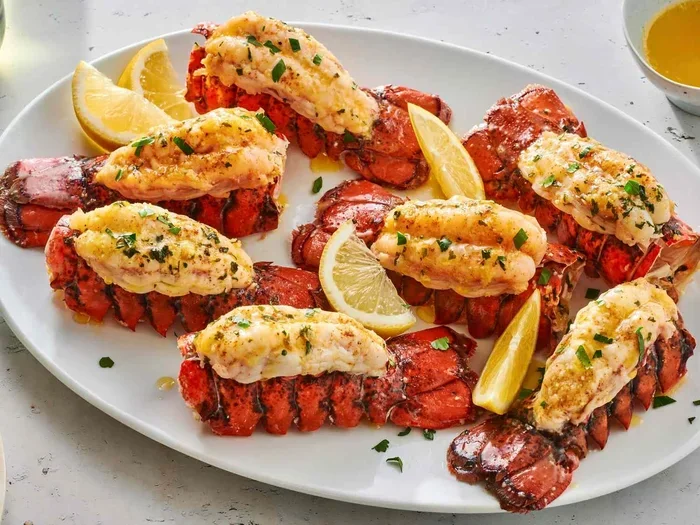
What Temperature To Cook Lobster Tails In Oven is the most important factor for perfect, juicy lobster every time. The ideal oven temperature for lobster tails is typically 350°F, but you can also use 425°F for a faster roast or 300°F for a gentle, low-and-slow bake. I’ll share the best lobster tail recipe, cooking times, and pro tips so your oven-baked lobster tails come out restaurant-quality.
There’s something special about lobster tails in oven. They feel like a celebration, but they don’t have to be complicated. Whether you’re cooking for a date night or a family dinner, nailing the right lobster tail temperature is the secret to juicy, sweet meat. The best temperature to cook lobster tails in oven depends on the size of the tail and how much time you have, but I’ll walk you through every option.
Many home cooks worry about cooking lobster tails because they’ve had tough, dry results before. The truth is, a few small adjustments make a huge difference. I’ll share the exact oven temperature for lobster tails that I use every time, along with a simple lobster tail recipe that never fails. By the end, you’ll feel confident enough to make oven-baked lobster tails a regular part of your dinner rotation.
Key Takeaways
- Best Overall Temperature: 350°F works for almost all lobster tail sizes, giving even, tender meat.
- High-Heat Option: 425°F cooks lobster tails faster and adds a light char for extra flavor.
- Internal Temp Matters: Cook until the thickest part reaches 140°F for perfectly juicy lobster.
- Size Affects Time: A 4-ounce tail needs about 12 minutes, while an 8-ounce tail may need 18–20 minutes.
- Split Tails Cook Best: Butterflying the tail exposes more meat to direct heat for even cooking.
- Simple Seasoning Wins: Garlic butter and a squeeze of lemon elevate the natural sweetness of the meat.
- Avoid Overcooking: Watch the clock closely, as overcooked lobster becomes rubbery and dry.
📑 Table of Contents
- Why Temperature Matters When Baking Lobster Tails
- The Best Temperature to Cook Lobster Tails in Oven
- How to Prepare Lobster Tails for the Oven
- Cooking Times and Internal Temperature Guide
- Pro Tips for Juicy, Perfect Lobster Tails Every Time
- Common Mistakes That Ruin Lobster Tails
- How to Tell When Lobster Tails Are Done
- Conclusion
Why Temperature Matters When Baking Lobster Tails
Lobster tail meat is delicate. It cooks quickly and can turn rubbery if the heat is too high or the time is too long. The lobster tail internal temp tells you everything. You want the thickest part of the meat to reach 140°F for a tender, buttery texture. Going above 145°F often dries out the meat and pushes out moisture.
Using the right oven temperature lobster also affects the outside. A moderate heat like 350°F gently cooks the meat all the way through without burning the shell or the exposed flesh. A higher heat like 425°F gives you a slightly caramelized edge, which adds a nice contrast. A low heat like 300°F works best for very large tails that need a longer, gentler cook. Each method has its place, and I’ll break them all down.
The Best Temperature to Cook Lobster Tails in Oven
The best temperature to cook lobster tails in oven is not a single number. It’s a range that fits your schedule and the size of your tails. I use three reliable methods, and each one delivers excellent results. Let’s look at the three most popular oven-baked lobster tail approaches.
350°F: The Gold Standard for Even Cooking
350°F is the go-to temperature for lobster tails in most kitchens. It strikes a perfect balance between cooking time and moisture retention. At this heat, a typical 4- to 6-ounce tail cooks through evenly, staying juicy and sweet. I always start with this setting unless I’m in a rush or dealing with a very large tail.
Here’s why 350°F works so well for cooking lobster tails:
- It heats the meat gently from edge to center.
- The shell acts as a natural protector, preventing the flesh from drying out.
- It gives you a forgiving window—about 2–3 extra minutes won’t ruin the tail.
- Butter and garlic have time to melt and seep into the meat.
For a lobster tail recipe at 350°F, preheat your oven, place the prepared tails on a baking sheet, and bake until the internal temperature hits 140°F. This method is perfect for a relaxed weekend dinner.
425°F: Fast and Flavorful for Weeknights
If you’re short on time, 425°F is your best friend. The higher heat speeds up the cooking time for lobster tails and creates a lightly browned, slightly crispy exterior. I use this method when I want lobster tails in oven on the table in under 15 minutes.
The high-heat method works best for smaller tails, around 4 ounces. Larger tails can dry out at this temperature because the outside cooks too fast before the center is done. If you do use 425°F for bigger tails, I recommend covering them loosely with foil for the first half of the cook, then removing the foil to finish.
Benefits of 425°F for baking lobster tails:
- Faster cook time, usually 10–12 minutes for medium tails.
- Nice browning and caramelization on the exposed meat.
- Great for a quick lobster oven recipe when you’re craving something special.
- Minimal moisture loss if you keep a close eye on the internal temp.
300°F: Low-and-Slow for Large Tails
For really impressive lobster tail size—think 8 ounces or more—300°F is the way to go. This low-and-slow approach ensures the heat penetrates all the way to the center without overcooking the outer layers. The meat stays incredibly tender, and you get a clean, sweet flavor.
I use 300°F when I’m serving butter lobster tails as a special occasion centerpiece. The cook time is longer, around 20–25 minutes, but the result is worth it. This method also gives you more flexibility if you’re new to how to bake lobster tails. There’s less risk of drying them out.
When to choose 300°F:
- You have extra-large tails over 8 ounces.
- You want a gentle, foolproof cook.
- You’re preparing garlic butter lobster tails and want the flavors to develop slowly.
- You’re using a convection oven, which can make even low heat very efficient.
How to Prepare Lobster Tails for the Oven
Proper prep is just as important as the oven temperature for lobster tails. A little effort before baking makes a big difference in the final texture and flavor. Here’s my simple routine for the best oven-baked lobster tails.
First, thaw frozen tails if needed. Place them in the refrigerator overnight or submerge them in cold water for about 30 minutes. Never use warm water, as it can start cooking the meat unevenly. Once thawed, use kitchen shears to cut along the top of the shell from the open end to the tail fan. Gently pull the shell halves apart without detaching them completely. This creates a butterfly presentation that exposes the meat directly to the heat.
Next, use a sharp knife to carefully remove the vein that runs along the meat. Rinse the tails under cold water and pat them dry. Now you’re ready to season. I love a simple mix of melted butter, minced garlic, lemon juice, and a pinch of salt and pepper. Brush this garlic butter generously over the exposed meat and under the shell. For a lobster tail recipe with a little extra flair, add a sprinkle of paprika or fresh herbs like parsley or dill.
Place the tails on a baking sheet lined with parchment paper or a wire rack set over a sheet pan. The rack allows hot air to circulate underneath, which helps the bottom cook evenly. If you prefer a softer shell, you can place the tails directly on the sheet. The split lobster tails method works beautifully for both approaches.
Cooking Times and Internal Temperature Guide
The cooking time for lobster tails depends on the lobster tail size and the oven temperature you choose. Use the following guide as a starting point, and always rely on a meat thermometer for accuracy. The target lobster tail internal temp is 140°F for tender, juicy meat.
| Tail Size | 350°F Time | 425°F Time | 300°F Time |
|---|---|---|---|
| 4 oz (small) | 10–12 minutes | 7–9 minutes | 18–22 minutes |
| 6 oz (medium) | 12–15 minutes | 9–11 minutes | 22–25 minutes |
| 8 oz (large) | 15–18 minutes | 12–14 minutes | 25–30 minutes |
| 10+ oz (extra large) | 18–22 minutes | 15–18 minutes | 30–35 minutes |
These times are for split lobster tails placed cut-side up. Whole, unsplit tails will need an extra 2–3 minutes at each temperature. The best way to cook lobster tails is to pull them out of the oven when the internal temp reaches 135°F. The carryover heat will bring it up to 140°F as they rest, preventing overcooking.
Pro Tips for Juicy, Perfect Lobster Tails Every Time
Once you know the right temperature for lobster tails, a few extra tricks will take your lobster oven recipe from good to great. I’ve learned these through plenty of trial and error, and they work every time.
- Use unsalted butter so you can control the salt level. Lobster meat is naturally sweet, and too much salt masks that flavor.
- Don’t skip the rest. Let the tails sit for 3 minutes after baking. This allows the juices to redistribute throughout the meat.
- Add a splash of white wine or lemon juice to the garlic butter for a bright, zesty note that complements the richness.
- Broil for 30 seconds at the end if you want a golden, bubbly top on your garlic butter lobster tails. Watch closely so it doesn’t burn.
- Serve with drawn butter on the side for dipping. It’s classic for a reason, and it adds extra moisture.
- Cook side by side if you’re making multiple tails. This ensures even spacing and consistent heat exposure.
For the juiciest oven-baked lobster tails, I also recommend brushing the meat with a little extra butter halfway through the cook. This keeps the surface moist and adds another layer of flavor. The lobster tail meat should feel firm yet springy when you touch it, not rubbery or mushy.
Common Mistakes That Ruin Lobster Tails
Even with the right lobster tail temperature, a few common mistakes can lead to disappointing results. Knowing what to avoid will save you from dry, tough meat.
- Overcooking is the number one enemy. Lobster meat goes from perfect to rubbery in just a couple of minutes. Set a timer and use a thermometer.
- Skipping the butterfly cut. Leaving the tail whole traps steam inside and cooks the meat unevenly. Splitting the shell exposes the flesh to direct heat.
- Using too much seasoning. Heavy spices can overpower the delicate sweetness of the lobster. Keep it simple with butter, garlic, and lemon.
- Placing tails too close together. Crowding the baking sheet blocks airflow and creates hot and cool spots. Give each tail space.
- Not thawing frozen tails properly. Cooking from frozen leads to an undercooked center and an overcooked exterior. Always thaw first.
- Forgetting to preheat the oven. A cold start throws off the cooking time for lobster tails and can result in uneven texture.
Avoiding these pitfalls means your lobster tails in oven will turn out perfectly every time. The best way to cook lobster tails is with attention to detail and a little patience.
How to Tell When Lobster Tails Are Done
Knowing when to pull the tray out of the oven is the final key to success. The most reliable indicator is the internal temperature. Insert a probe thermometer into the thickest part of the meat, avoiding the shell. When it reads 140°F, the tails are done. The meat will be opaque white and firm yet tender, not translucent or mushy.
You can also use visual cues. The shell turns bright red and the meat pulls slightly away from the shell. If you cut into the thickest part, it should be white and juicy, not gray or rubbery. A lobster tail internal temp of 140°F gives you the most accurate result, so I always recommend a thermometer over guesswork.
If you’re new to cooking lobster tails, remember that they continue to cook a bit after leaving the oven. Pulling them at 135°F and letting them rest for a few minutes ensures they reach the perfect 140°F without drying out. This carryover cooking trick is a game-changer for oven-baked lobster tails.
Conclusion
The best temperature to cook lobster tails in oven is one that fits your schedule and your tail size, but 350°F remains the most versatile and reliable choice for most home cooks. Whether you choose the 350°F gold standard, the quick 425°F bake, or the gentle 300°F low-and-slow method, the key is to monitor the internal temperature and avoid overcooking. With a simple garlic butter seasoning and a few pro tips, your oven-baked lobster tails will be tender, juicy, and worthy of any special occasion.
Now that you know exactly how to nail the lobster tail temperature, it’s time to put it into practice. Try a lobster tail recipe this weekend, experiment with flavors, and enjoy the satisfaction of serving lobster tails in oven that rival any restaurant. Happy cooking, and enjoy every bite!
Frequently Asked Questions
What is the best temperature to cook lobster tails in oven?
350°F is the most popular and reliable oven temperature for lobster tails. It cooks them evenly and keeps the meat juicy. For faster results, 425°F works well for smaller tails, while 300°F is ideal for very large ones.
How long should I bake lobster tails at 350°F?
A 4- to 6-ounce lobster tail size typically needs 12 to 15 minutes at 350°F. Always check the internal temperature and pull them out when it reaches 140°F. Larger tails may need a few extra minutes.
Can I cook lobster tails at 400°F?
Yes, 400°F is a great middle ground between 350°F and 425°F. It gives you a slightly faster cook time with nice browning. Just watch the internal temp closely to avoid drying out the meat.
Should I cover lobster tails with foil when baking?
It depends on the temperature. At 425°F, covering with foil for the first half of the cook prevents the outside from drying before the center is done. At 350°F or 300°F, foil is usually not needed because the gentler heat cooks the meat evenly.
What internal temperature should lobster tails reach?
The target lobster tail internal temp is 140°F. This ensures the meat is fully cooked, tender, and safe to eat. Pulling them out at 135°F and letting them rest allows carryover heat to bring them up to the perfect doneness.
How do I keep lobster tails from drying out in the oven?
Use a moderate oven temperature for lobster tails like 350°F, don’t overcook them, and brush with garlic butter halfway through. Also, let them rest for a few minutes after baking so the juices redistribute. Splitting the tails exposes the meat to heat more evenly and reduces the risk of dryness.