How Long To Bake Korean Short Ribs In The Home Oven
How long to bake Korean short ribs in the oven depends on the cut and temperature, but most recipes call for 3 to 4 hours at 325°F. This guide covers everything from prep to plating so you can serve restaurant-quality Korean BBQ ribs right at home. You will learn the ideal oven temperature, marinade tips, and timing tricks that guarantee fall-off-the-bone tenderness.
There is something magical about Korean short ribs baked in the oven. The kitchen fills with a savory aroma, the meat turns tender and glossy, and every bite feels like a visit to a Seoul restaurant. Yet many home cooks hesitate because they are not sure how long to bake Korean short ribs in the oven.
The truth is, it is simpler than you think. With the right temperature, a good marinade, and a little patience, you can create restaurant-quality galbi in your own kitchen. This guide walks you through every step, from choosing the right cut to pulling the ribs out of the oven at the perfect moment.
Whether you are a beginner or a seasoned home chef, you will find practical tips here. We cover timing, temperature, marinade recipes, and common mistakes so you can avoid guesswork. By the end, you will feel confident enough to make oven-baked Korean ribs for a dinner party or a quiet weeknight meal.
Key Takeaways
- Low and slow is the way to go: Baking at 300-325°F for 3-4 hours gives you the best texture.
- The marinade matters just as much as the cook time: A mix of soy sauce, sesame oil, and Asian pear creates deep flavor.
- Bone-in ribs take longer than boneless: Plan extra time if you are using bone-in cuts.
- Resting the ribs after baking is essential: Let them sit for 10-15 minutes before slicing.
- You do not need a grill to enjoy Korean BBQ: Your home oven can deliver amazing results.
- Internal temperature of 200-205°F signals doneness: Use a meat thermometer for perfect results every time.
📑 Table of Contents
- What Makes Korean Short Ribs Special
- How Long To Bake Korean Short Ribs In Oven
- The Best Oven Temperature For Korean Short Ribs
- Preparing The Marinade That Makes The Difference
- Step-By-Step Baking Instructions
- Tips For Perfect Oven-Baked Korean Ribs Every Time
- Common Mistakes To Avoid
- How To Know When Your Ribs Are Done
- Serving Suggestions For Korean Oven Ribs
- Conclusion
What Makes Korean Short Ribs Special
Before we dive into timing, it helps to understand what sets Korean short ribs apart. These are not your typical American barbecue ribs. Korean short ribs, also known as galbi or LA galbi, come from the beef chuck or plate area. They are cut across the bone and often include a mix of meat, fat, and bone that creates incredible flavor during slow cooking.
The Cut Matters
There are a few common types of Korean beef ribs you will find at the grocery store or Asian market. The most popular is the bone-in short rib, which has a piece of bone running through the center. Boneless short ribs are easier to slice and serve but may need slightly different timing. Flanken-style ribs are thinly sliced across the bone and cook faster than thicker cuts.
Each cut behaves differently in the oven. Bone-in ribs generally need more time because the bone slows down heat transfer. Boneless cuts cook more evenly but can dry out if you are not careful. Flanken ribs are great for quicker meals and work well at slightly higher temperatures.
Why Oven-Baked Korean Ribs Work So Well
Many people associate Korean ribs with the grill, and for good reason. But oven-baked ribs offer something the grill cannot always provide: consistent, even heat. The oven surrounds the meat on all sides, which means every piece cooks at the same rate. This is especially helpful when you are feeding a crowd or working with thicker cuts.
The oven also makes it easy to braise ribs in their own juices. As the meat cooks, the fat melts and the marinade turns into a rich, caramelized glaze. You get that signature Korean BBQ flavor without having to watch the grill or worry about flare-ups.
How Long To Bake Korean Short Ribs In Oven
Now let us get to the heart of the matter. How long to bake Korean short ribs in oven depends on three main factors: the cut you choose, the oven temperature, and whether you want fall-apart tender meat or a firmer bite.
General Time Guidelines
Here are the standard time ranges for baking Korean short ribs in a home oven:
- Bone-in short ribs at 300°F: 3.5 to 4.5 hours
- Bone-in short ribs at 325°F: 3 to 4 hours
- Boneless short ribs at 325°F: 2.5 to 3.5 hours
- Flanken-style ribs at 350°F: 1.5 to 2.5 hours
These times are guidelines, not strict rules. Every oven runs a little differently, and the thickness of your ribs will affect cook time. The best way to know when your ribs are done is to use a meat thermometer. You want the internal temperature to reach 200 to 205 degrees Fahrenheit for the most tender result.
The Low-and-Slow Method
Most experts agree that the low-and-slow method produces the best oven-baked Korean ribs. This means keeping your oven at 300 to 325 degrees and letting the ribs cook for several hours. The low heat breaks down the collagen in the meat slowly, which turns tough connective tissue into silky, melt-in-your-mouth goodness.
If you try to rush the process with high heat, the outside of the ribs may burn before the inside has a chance to tenderize. Patience is your best friend here. Set aside a full afternoon if you are using bone-in ribs, and you will be rewarded with perfectly tender beef ribs.
Can You Bake Korean Short Ribs Faster?
Yes, you can speed things up by increasing the oven temperature to 350 or 375 degrees. At these higher temperatures, braised ribs may be done in 2 to 2.5 hours. However, there is a trade-off. Higher heat can dry out the edges of the meat before the center is fully tender.
If you are short on time, here is a quick tip: cover the baking dish tightly with foil. This traps moisture and helps the ribs cook faster without drying out. You can also add a small amount of broth or water to the bottom of the pan to create steam, which keeps the meat juicy.
The Best Oven Temperature For Korean Short Ribs
Temperature is the second most important factor after time. Getting it right makes the difference between succulent, tender ribs and dry, tough meat. Most Korean short rib oven recipes call for a temperature between 300 and 325 degrees Fahrenheit.
Why 325°F Is the Sweet Spot
Baking at 325°F strikes the perfect balance between speed and tenderness. The ribs cook fast enough to fit into an evening meal plan but slowly enough to develop deep flavor. At this temperature, the fat renders out gradually, basting the meat from within. The marinade reduces and caramelizes, forming a beautiful glaze on the surface.
If you prefer an even more hands-off approach, 300°F is a great choice. The ribs take a bit longer, but the results are incredibly consistent. This temperature is ideal for weekend cooking when you want to set it and forget it.
What About Higher Temperatures?
Some recipes call for starting at a higher temperature, like 400°F, for the first 15 to 20 minutes. This quick blast of heat helps sear the outside of the ribs and locks in juices. After the initial sear, you drop the temperature down to 300 or 325°F to finish the cook. This two-step method works well for thicker cuts and adds a nice caramelized crust to the meat.
Just be careful not to start at too high a temperature for too long. You risk burning the marinade before the inside of the ribs has time to cook through. Always keep an eye on the ribs during the first 30 minutes if you use this approach.
Preparing The Marinade That Makes The Difference
The Korean short rib marinade is what gives these ribs their signature taste. A classic marinade combines soy sauce, sesame oil, sugar, garlic, and Asian pear. Each ingredient plays a specific role in building flavor and tenderness.
Key Marinade Ingredients
- Soy sauce: Provides saltiness and umami depth
- Sesame oil: Adds a nutty, aromatic flavor
- Asian pear or apple: Natural enzymes tenderize the meat and add sweetness
- Garlic and ginger: Bring warmth and aroma
- Brown sugar or honey: Helps with caramelization
- Rice wine or mirin: Adds a subtle sweetness and tenderizes
- Black pepper and sesame seeds: Finish the flavor profile
For the best results, marinate your ribs for at least 4 hours, but overnight is ideal. The longer the meat sits in the Korean marinade, the deeper the flavor penetrates. If you are short on time, even a 1-hour marinade will add noticeable flavor compared to skipping it entirely.
Pro Tip: Use the Marinade as a Glaze
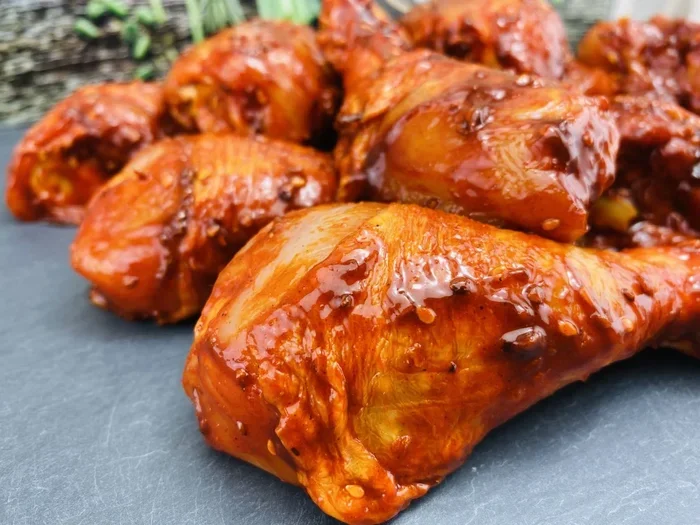
Do not throw away the leftover marinade. Strain it and simmer it on the stovetop for 5 to 10 minutes to create a rib glaze. Brush this glaze over the ribs during the last 30 minutes of baking. This adds a glossy, savory coating that makes your oven-baked galbi look and taste professional.
Step-By-Step Baking Instructions
Now that you know the timing and temperature, let us put it all together. Here is a simple, foolproof method for baking Korean short ribs in your home oven.
Step 1: Prep the Ribs
Remove the ribs from the refrigerator 30 minutes before baking. This lets them come to room temperature, which promotes even cooking. Pat the ribs dry with paper towels and discard any excess marinade that has been sitting at room temperature.
Step 2: Preheat the Oven
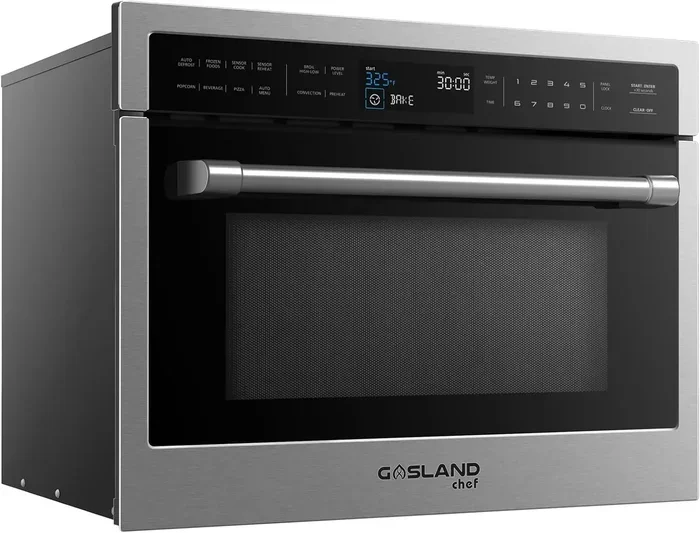
Set your oven to 325°F and let it fully preheat. While the oven warms up, line a baking dish with foil or lightly grease it with oil. This makes cleanup easier and prevents the ribs from sticking.
Step 3: Arrange the Ribs in the Dish
Place the ribs in the baking dish with the meat side up. If you have extra marinade, pour it over the ribs. Add a splash of beef broth or water to the bottom of the dish. This liquid creates steam and keeps the ribs moist during the long bake.
Step 4: Cover and Bake
Cover the dish tightly with aluminum foil or a lid. This traps moisture and helps the ribs cook evenly. Place the dish in the oven and set a timer for 3 hours. Resist the urge to open the foil too often, as each peek releases steam and slows down cooking.
Step 5: Uncover and Glaze
After 3 hours, remove the foil and brush the ribs with your rib glaze. Return the dish to the oven, uncovered, and bake for another 30 to 60 minutes. This final step caramelizes the glaze and gives the ribs a beautiful, sticky finish.
Step 6: Rest and Serve
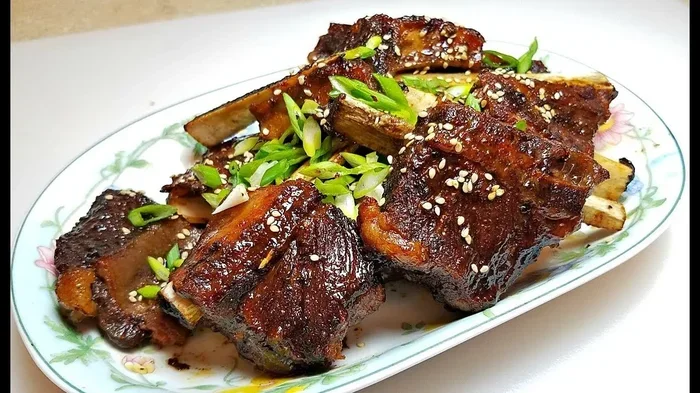
Once the internal temperature reaches 200 to 205°F, remove the ribs from the oven. Let them rest for 10 to 15 minutes before slicing. This resting period allows the juices to redistribute, so every bite is moist and flavorful. Serve with steamed rice, pickled vegetables, and a sprinkle of sesame seeds.
Tips For Perfect Oven-Baked Korean Ribs Every Time
Even with a great recipe, small mistakes can affect your results. Here are some practical tips to help you nail Korean short ribs in the oven every single time.
Use a Meat Thermometer
This is the single best tool for perfect ribs. A meat thermometer takes the guesswork out of cooking. Insert it into the thickest part of the meat, avoiding the bone, and wait for the reading to hit 200 to 205 degrees Fahrenheit. At this temperature, the collagen has fully broken down, and the meat will be tender and juicy.
Do Not Skip the Resting Step
It can be tempting to slice into the ribs the moment they come out of the oven. But resting is crucial. When you cut into hot meat right away, the juices run out onto the cutting board instead of staying in the meat. Give the ribs 10 to 15 minutes under a loose tent of foil, and you will notice a big difference in moisture.
Choose the Right Baking Dish
A deep, heavy-duty baking dish works best for oven-baked ribs. Glass and ceramic dishes distribute heat more evenly than thin metal pans. If you only have a shallow pan, consider stacking the ribs in layers or using a Dutch oven. The goal is to keep the ribs snug so they steam as they bake.
Let the Ribs Cool Before Storing
If you have leftovers, let the ribs cool to room temperature before refrigerating. Store them in an airtight container for up to 3 days. Reheat gently in the oven at 300°F with a splash of broth to keep them from drying out. Refrigerated Korean ribs often taste even better the next day as the flavors continue to develop.
Experiment with Flavors
Once you master the basic recipe, feel free to get creative. Add gochujang for a spicy kick, swap honey for brown sugar, or toss in some crushed pineapple for extra tenderness. The beauty of Korean BBQ at home is that you can tailor the flavors to your family’s preferences.
Common Mistakes To Avoid
Learning what not to do is just as important as knowing the right steps. Here are the most common mistakes people make when baking Korean short ribs in the oven.
- Baking at too high a temperature: This dries out the meat and prevents the collagen from breaking down properly.
- Not marinating long enough: Even 2 hours makes a difference. Overnight marinating is the gold standard.
- Opening the foil too often: Every time you lift the foil, you release steam and extend the cook time.
- Using lean cuts: Korean short ribs need some fat to stay moist during long cooking. Avoid extra-lean cuts.
- Skipping the glaze step: The glaze adds flavor and texture. It is the finishing touch that makes the ribs look restaurant-ready.
- Cutting too soon after baking: Resting allows the juices to settle. Skip this step, and your ribs will be drier.
By avoiding these pitfalls, you set yourself up for success. Even if you are new to cooking Korean beef ribs, following these simple guidelines will help you achieve great results.
How To Know When Your Ribs Are Done
Timing is helpful, but visual and tactile cues are just as important. Here is how to tell when your oven-baked Korean ribs are ready to come out.
- The meat pulls back from the bone slightly, exposing about a half-inch of bone.
- A fork slides into the thickest part of the meat with almost no resistance.
- The internal temperature reads 200 to 205 degrees Fahrenheit on a meat thermometer.
- The glaze on top is thick, shiny, and slightly caramelized.
- When you press the meat with tongs, it feels soft and gives easily.
If your ribs pass these checks, you are good to go. If they still feel tough, cover them back up and give them another 30 minutes. Check again until they reach the right texture.
Serving Suggestions For Korean Oven Ribs
Korean short ribs are delicious on their own, but they shine even brighter when paired with the right sides. Here are some classic serving ideas that complement oven-baked galbi perfectly.
- Steamed white rice: The perfect base to soak up the savory juices
- Kimchi: The tangy, spicy flavor cuts through the richness of the ribs
- Pickled radish: Adds a refreshing crunch to balance the meal
- Steamed broccoli or bok choy: A light, healthy vegetable side
- Korean slaw: A cool, crunchy salad with sesame dressing
- Scallion pancakes: A crispy, savory accompaniment that kids love
For a complete Korean BBQ at home experience, set up a build-your-own rice bowl station. Place the sliced ribs in the center of the table with bowls of rice, kimchi, and toppings. Let everyone customize their plate. It is fun, interactive, and delicious.
Conclusion
Baking Korean short ribs in the oven is one of the most rewarding things you can do in the kitchen. With the right oven temperature for ribs, a flavorful marinade, and a little patience, you can create a dish that rivals your favorite Korean restaurant. The key is to keep the heat moderate, the cook time generous, and the moisture locked in.
Remember that how long to bake Korean short ribs in oven varies based on the cut and your desired tenderness. Bone-in ribs need 3 to 4.5 hours at 325°F, while boneless and flanken-style cuts cook faster. Always use a meat thermometer, let the ribs rest before serving, and never underestimate the power of a good glaze.
Now that you have all the knowledge and tips, it is time to put them into practice. Invite some friends over, set the table with your favorite sides, and enjoy the process of creating something truly special. Oven-baked Korean ribs are more than just a meal. They are an experience that brings people together around the table.
Frequently Asked Questions
Can I use frozen Korean short ribs for oven baking?
Yes, you can, but you should thaw them first for the best results. Place the ribs in the refrigerator overnight to defrost. Cooking frozen ribs in the oven leads to uneven heat distribution and can result in dry edges while the center remains undercooked. Always pat the ribs dry before marinating.
What is the difference between galbi and short ribs?
Galbi refers to Korean-style beef ribs that are cut across the bone and marinated. Short ribs are a broader category that includes both Korean and American styles. Korean galbi is typically thinner and more heavily marinated than American barbecue ribs, which are usually smoked or grilled with a dry rub.
Can I bake Korean short ribs in a convection oven?
Absolutely. A convection oven circulates hot air, which can reduce baking time by about 15 to 20 percent. If using convection, lower the temperature by 25 degrees and check the ribs earlier than the standard time. The ribs are done when they reach an internal temperature of 200 to 205 degrees Fahrenheit.
How do I reheat leftover oven-baked Korean ribs?
The best way to reheat Korean short ribs is in the oven at 300°F for 15 to 20 minutes. Add a tablespoon of broth or water to the dish and cover it with foil to keep the meat moist. Avoid reheating in the microwave, as it can make the ribs tough and rubbery.
What side dishes pair best with oven-baked Korean short ribs?
Classic pairings include steamed white rice, kimchi, pickled radish, and sesame spinach. You can also serve scallion pancakes, Korean slaw, or roasted vegetables. These sides complement the rich, savory flavor of the ribs and create a balanced, satisfying meal.
Can I make Korean short ribs in a Dutch oven instead of a baking dish?
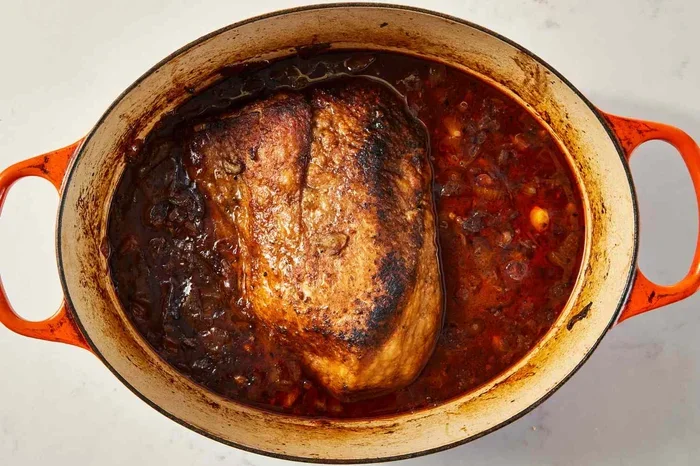
Yes, a Dutch oven works wonderfully for braised ribs in the oven. Its heavy lid traps moisture and heat, creating a self-basting environment. Follow the same temperature and timing guidelines, and you will get excellent results. The only difference is that a Dutch oven takes up more stovetop space when you are preheating it on the burner first.