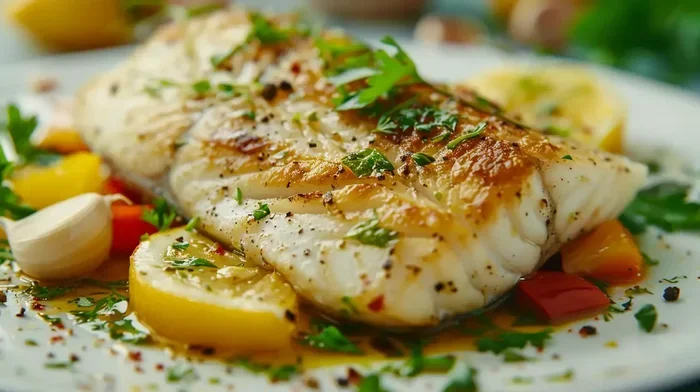
How Many Degrees To Cook Fish In Oven For Perfect Results
Cooking fish in the oven is simple when you know the right temperature. Most fish fillets bake beautifully at 400 to 450 degrees Fahrenheit. The perfect oven-baked fish depends on the type of fish, thickness, and whether you like crispy skin or a tender, flaky texture. This guide covers exact temperatures, cooking times, and pro tips so you can bake fish in oven like a seasoned chef every single time.
Key Takeaways
- 400 to 450 degrees Fahrenheit is the sweet spot for most fish fillets and steaks in the oven.
- Thicker cuts need lower temperatures and longer times, while thin fillets cook fast at higher heat.
- Internal temperature of 145 degrees Fahrenheit is the USDA-recommended safe doneness level for all fish.
- Pat fish dry and use a hot oven to get perfectly crispy skin every time.
- Overcooking is the #1 mistake — fish continues cooking after you pull it out of the oven.
- Different fish types need different temperatures — salmon, cod, tilapia, and shrimp all have ideal bake settings.
- Rest your fish for 3 minutes after baking to let juices redistribute for the best flavor.
📑 Table of Contents
The Ideal Oven Temperature for Cooking Fish
So, how many degrees to cook fish in oven? The short answer is 400 to 450 degrees Fahrenheit. This range works for almost every type of fish fillet, steak, or whole fish you will ever put in your oven. It is the gold standard for oven-baked fish that comes out moist, flavorful, and perfectly cooked through.
But here is the thing — not all fish is the same. A thin tilapia fillet and a thick salmon steak need different approaches. The cooking temperature for fish depends on the thickness of the cut, the type of fish, and what texture you are going for. This is why understanding the basics of fish oven settings makes a huge difference.
When you set your oven to 425 degrees Fahrenheit, you hit a sweet spot. The fish cooks fast enough to stay moist but slowly enough to cook through evenly. This is the temperature I recommend for most home cooks who want perfectly cooked fish without overthinking it.
Why Temperature Matters So Much
Fish is delicate. It is mostly protein and water. Too low a temperature and the fish dries out before it cooks through. Too high and the outside burns while the inside stays raw. Getting the oven temperature for fish right means the difference between restaurant-quality results and a sad, rubbery fillet on your plate.
The internal temperature of fish should reach 145 degrees Fahrenheit according to food safety guidelines. At this point, the fish flakes easily with a fork and is opaque all the way through. A quick-read meat thermometer is your best friend here.
Best Temperatures for Different Types of Fish
Not all fish bakes the same way. Different varieties respond better to different seafood oven temperatures. Let me break this down so you always know exactly what fish oven bake temperature to use.
Salmon
Salmon is one of the most popular oven-baked fish options, and it is very forgiving. Roast salmon at 400 to 425 degrees Fahrenheit. The fat content in salmon keeps it moist even at higher temperatures. A skin-on salmon fillet at 425 degrees for 12 to 15 minutes gives you crispy skin and a buttery center.
If you prefer your salmon more medium, pull it at an internal temperature of 125 degrees Fahrenheit. It will continue cooking as it rests. This is a favorite technique among chefs for silky, tender salmon.
Cod and Haddock
These white fish varieties are leaner than salmon. They dry out faster, so 400 degrees Fahrenheit is the best white fish baking temperature. Keep a close eye on them. A cod fillet that is about one inch thick needs only 10 to 12 minutes at this heat.
Because these fish are mild in flavor, they absorb sauces and seasonings beautifully. Try a simple drizzle of olive oil, lemon, and herbs before baking for a delicious fish fillet oven recipe that anyone can make.
Tilapia and Catfish
Thin tilapia fillets cook very quickly. Set your oven to 425 degrees Fahrenheit and bake for just 8 to 10 minutes. These fish are great for quick weeknight dinners. They pair well with bold seasonings because their mild flavor takes on whatever you throw at them.
Catfish, especially thicker fillets, benefits from a slightly lower temperature of 400 degrees to prevent the outside from burning before the inside is done.
Shrimp and Seafood Medleys
Shrimp is not technically fish, but it belongs in this conversation about oven roasted fish and seafood. Roast shrimp at 400 to 425 degrees Fahrenheit for just 5 to 7 minutes. Shrimp overcooks in seconds, so set a timer and watch closely.
A seafood oven recipe with shrimp, scallops, and pieces of white fish all on one sheet pan is a crowd-pleaser. Just make sure pieces are similar in size so they cook evenly.
How Long to Bake Fish in the Oven
Temperature and time go hand in hand. Knowing how many degrees to cook fish in oven is only half the battle. You also need to know how long to leave it in there.
The General Rule of Thumb
As a rule, fish bakes for 10 to 15 minutes at 400 to 450 degrees Fahrenheit. The exact time depends on thickness. A thin fillet might need only 8 minutes. A thick steak could need 20 minutes or more.
Here is a simple guide to follow:
- Thin fillets (less than half an inch): 8 to 10 minutes at 425 degrees
- Medium fillets (half to three-quarters of an inch): 10 to 14 minutes at 400 to 425 degrees
- Thick steaks (one inch or more): 15 to 20 minutes at 400 degrees
- Whole fish: 20 to 30 minutes at 400 degrees, depending on size
Does Fish Continue Cooking After You Take It Out?
Yes, it does. This is called carryover cooking. The residual heat keeps cooking the fish even after you pull it from the oven. This is why experienced cooks take fish off the heat just before it reaches the target internal temperature.
For example, if you want your salmon at 145 degrees Fahrenheit when served, pull it out at 135 to 140 degrees. Let it rest for 3 to 5 minutes. It will reach the perfect temperature on its own.
Using a Timer and a Thermometer
I cannot stress this enough. Use both a timer and a digital meat thermometer. The timer keeps you from forgetting the fish. The thermometer tells you exactly when it is done. Together, they eliminate guesswork completely.
Insert the thermometer into the thickest part of the fillet, away from the bone if there is one. Wait for the reading to stabilize. This small habit will transform your fish baking results every single time.
Tips for Perfectly Crispy Fish Skin
One of the best parts of oven-baked fish is crispy skin. But getting it right takes a few simple steps. Here is how to achieve that satisfying crunch every time you bake fish in oven.
Pat the Fish Completely Dry
This is the single most important step. Use paper towels and press the skin side firmly. Remove every bit of moisture. Wet skin steams instead of crisping. Dry skin browns and crisps beautifully in a hot oven.
Some cooks even let the fish sit uncovered in the fridge for 30 minutes before baking. This helps the skin dry out further. The result is even crispier skin when it hits the hot oven.
Start with a Hot Oven and a Hot Pan
Preheat your oven to 425 to 450 degrees Fahrenheit. Place your baking sheet or skillet in the oven while it preheats. When the fish goes onto a hot surface, the skin sizzles immediately. This creates that crispy texture you are looking for.
Brush the skin lightly with oil or melted butter before placing it skin-side down. This helps conduct heat evenly and promotes browning.
Do Not Move the Fish While It Bakes
Resist the urge to peek and flip too early. Let the fish cook undisturbed for at least two-thirds of the baking time. Moving it too soon can tear the skin or prevent it from crisping properly.
When you do check it, use a thin spatula and slide it gently under the fillet. If the skin releases easily, it is ready to flip or remove.
Common Mistakes When Baking Fish
Even experienced cooks make mistakes with oven-baked fish. Here are the most common errors and how to avoid them.
Overcooking the Fish
This is the number one mistake people make with fish oven settings. Fish goes from perfectly done to dry and chalky in just a couple of minutes. The fish cooking time is always shorter than you think.
Set your timer for a few minutes less than the recipe suggests. Check the fish early. You can always put it back in for a few more minutes, but you cannot undo an overcooked fillet.
Skipping the Preheat
Putting fish into a cold oven leads to uneven cooking. The outside stays pale and soft while the inside slowly cooks. Always preheat your oven to the target temperature for cooking fish before placing the fish inside.
Give your oven at least 10 to 15 minutes to reach the right temperature. Most ovens have a light or indicator that tells you when they are ready.
Using the Wrong Pan
Thin, flimsy baking sheets create hot spots. The fish cooks unevenly, with some parts burnt and others underdone. Use a heavy, rimmed baking sheet or a cast-iron skillet for even heat distribution.
Lining the pan with parchment paper or a silicone mat prevents sticking and makes cleanup easier. Just make sure the pan is hot before the fish goes on.
Crowding the Pan
Give each fillet space. Crowding traps steam and prevents the skin from crisping. If you are baking multiple fillets, use two pans or bake in batches.
Spacing the fish about half an inch apart on all sides allows hot air to circulate freely. This is a simple change that makes a noticeable difference in your oven roasted fish results.
How to Tell When Fish Is Done
Knowing when fish is done is a skill that improves with practice. Here are the most reliable ways to check fish doneness in the oven.
The Flake Test
Gently press the top of the fish with a fork or your finger. Properly cooked fish flakes apart easily and falls into separate, tender pieces. If it feels firm and does not flake, it needs more time.
This test works best for thicker fillets and steaks. For thin fillets, rely more on the thermometer since the fish can go from underdone to overdone very quickly.
Color and Opacity
Raw fish is translucent. Cooked fish is opaque and solid in color. Salmon turns from deep orange-red to a lighter pinkish-orange. Cod and haddock go from translucent white to solid white. Tuna steaks go from red to brownish-gray on the outside with a pink center when medium.
Check the thickest part of the fish for color. If there is any translucency remaining, it needs more time in the oven.
The Thermometer Test
This is the most accurate method. Insert an instant-read thermometer into the thickest part of the fish. The target internal temperature of fish is 145 degrees Fahrenheit for food safety.
For a more tender result, many chefs pull fish at 130 to 135 degrees and let carryover cooking bring it up to 145 during the resting period. This is especially good for salmon and tuna.
Quick Tips for Oven-Baked Fish Success
- Always preheat the oven before placing the fish inside.
- Use a rimmed baking sheet with parchment paper for easy cleanup.
- Season generously with salt, pepper, and olive oil before baking.
- Add acid at the end — a squeeze of lemon after baking brightens the flavor.
- Let the fish rest for 3 minutes after removing from the oven.
- Buy even-thickness fillets so they cook uniformly.
- Butterfly thick fillets to create even thickness for more consistent cooking.
- Experiment with herbs and spices — dill, paprika, garlic, and cumin all pair wonderfully with oven-baked fish.
Conclusion
Knowing how many degrees to cook fish in oven transforms your cooking completely. The sweet spot of 400 to 450 degrees Fahrenheit works for nearly every type of fish you will ever bake. From crispy-skinned salmon to tender cod fillets, the right oven temperature for fish makes all the difference.
Remember to use a thermometer, watch your timing closely, and never walk away from the oven while fish is baking. These simple habits will give you perfectly cooked fish every single time. The more you practice, the more confident you will become.
Start with the temperatures and times in this guide. Adjust based on your oven, your fish, and your personal preferences. Before long, baking fish in oven will be second nature. You will wonder why you ever ordered takeout seafood when your own oven-roasted fish tastes this good.
So fire up your oven, grab some fresh fish, and put these tips into action. Your next meal is going to be delicious.
Frequently Asked Questions
What is the best temperature to bake fish in the oven?
The best temperature to bake most fish in the oven is 400 to 450 degrees Fahrenheit. This range cooks fish quickly while keeping it moist and flavorful. For thicker cuts like salmon steaks, 400 degrees works great, while thinner fillets like tilapia do well at 425 degrees.
How long should you bake fish at 400 degrees?
At 400 degrees Fahrenheit, most fish fillets take 10 to 15 minutes to bake through. The exact time depends on thickness. A one-inch-thick fillet typically needs about 12 to 15 minutes. Always check the internal temperature — it should reach 145 degrees Fahrenheit when fully cooked.
Can you bake fish at 350 degrees?
Yes, you can bake fish at 350 degrees, but it takes longer — usually 20 to 25 minutes for a standard fillet. Lower temperatures are better for very thick cuts or whole fish. However, most cooks prefer 400 to 450 degrees for faster cooking and better texture.
How do you know when baked fish is done?
Fish is done when it reaches an internal temperature of 145 degrees Fahrenheit. You can also check by flaking it with a fork — properly cooked fish separates into tender, opaque flakes. The flesh should no longer be translucent.
Is it better to bake fish covered or uncovered?
Most fish is best baked uncovered. This allows the surface to brown and the skin to crisp. If you are baking fish in a sauce or wrapping it in foil, keep the cover on for the first half of cooking, then uncover to finish and crisp the top.
What type of fish is best for oven baking?
Firmer fish like salmon, cod, halibut, and tuna steaks are excellent for oven baking. Thinner, more delicate fish like tilapia and sole also work well but require closer attention to avoid overcooking. Fatty fish like salmon and mackerel are very forgiving because their natural oils keep them moist.
=== META TITLE ===
How Many Degrees To Cook Fish In Oven | Perfect Guide
=== URL SLUG ===
how-many-degrees-to-cook-fish-in-oven
=== SEO TITLE ===
How Many Degrees To Cook Fish In Oven For Perfect Results