What Temperature Should Meatloaf Be Cooked At In The Oven
The ideal meatloaf temperature is 350°F, which ensures even cooking and a juicy interior. Most oven-baked meatloaf needs 45 to 60 minutes, and the internal meatloaf temperature should reach 160°F for food safety. Using a meat thermometer is the best way to check meatloaf doneness and avoid overcooking.
There is something deeply satisfying about pulling a perfectly baked meatloaf out of the oven. The aroma fills the kitchen, the crust looks golden, and you know you are about to serve a meal that brings everyone to the table. But getting that perfect meatloaf starts with one simple question: what temperature should meatloaf be cooked at in the oven?
The answer might seem straightforward, but there is more to it than just setting your oven to a random number. The meatloaf oven temperature, the size of your loaf, the ingredients you use, and how long you bake it all play a role in the final result. Whether you are making a classic ground beef meatloaf or trying a meatloaf recipe with pork and veal, understanding the right temperature and timing is everything.
In this guide, we will walk you through the exact oven temperature for meatloaf, how long to bake it, how to tell when it is done, and the common mistakes that can ruin an otherwise great loaf. By the end, you will feel confident enough to bake meatloaf like a pro every single time.
Key Takeaways
- 350°F Is the Standard: This oven temperature cooks meatloaf evenly without drying it out.
- Internal Temp Matters: Always aim for 160°F at the center for safe, fully cooked meatloaf.
- Use a Meat Thermometer: It removes all guesswork and gives you perfect results every time.
- Rest Your Meatloaf: Letting it rest for 10 minutes keeps it moist and makes slicing easier.
- Size Affects Cooking Time: A larger loaf needs more time, while mini loaves cook faster.
- Avoid Overmixing: Too much mixing leads to a dense, tough texture.
- Glaze Adds Flavor: A ketchup or tomato glaze during the last 15 minutes boosts taste and appearance.
📑 Table of Contents
The Ideal Oven Temperature for Meatloaf
The most widely recommended meatloaf baking temperature is 350°F. This is the sweet spot that allows the meat to cook through evenly while staying moist and tender. At this temperature, the outside develops a nice crust without burning, and the inside reaches a safe internal meatloaf temperature of 160°F.
Most meatloaf recipes you find online or in cookbooks will tell you to bake at 350°F. This is not a coincidence. It is the temperature that balances cooking time, moisture retention, and flavor development. Whether you are using a standard loaf pan or a free-form shape on a baking sheet, 350°F works reliably for every type of oven-baked meatloaf.
Why 350°F Is the Sweet Spot
Here is why 350°F works so well for baking meatloaf:
- Even Cooking: The heat surrounds the loaf consistently, so there are no hot spots or cold centers.
- Moisture Retention: Lower temperatures prevent the juices from evaporating too quickly, keeping the meatloaf tender and moist.
- Better Crust: At 350°F, the surface caramelizes just enough to create a flavorful crust without turning hard or burnt.
- Food Safety: This temperature allows the meat to reach 160°F internally within a safe and reasonable time frame.
Can You Cook Meatloaf at a Higher Temperature?
Some cooks prefer to start at a higher temperature, like 400°F, for the first 15 minutes to get a faster crust, then reduce to 350°F. This technique can work, but it requires careful monitoring. If the oven is too hot for too long, the outside can burn while the inside remains undercooked.
Another option is cooking at 375°F, which slightly reduces baking time. However, you need to check the meatloaf doneness more frequently. The safe meat temperature for ground meat is always 160°F, regardless of the oven setting you choose. Always trust your thermometer over the clock.
How Long to Cook Meatloaf at Different Temperatures
Meatloaf cooking time depends on the oven temperature, the size of the loaf, and the ingredients you use. A standard 2-pound meatloaf baked at 350°F typically takes 45 to 60 minutes. But there is no single rule that fits every situation, and understanding the variables helps you adjust with confidence.
Meatloaf Cooking Time Chart
| Oven Temperature | Loaf Size | Approximate Cooking Time | Internal Temp Goal |
|---|---|---|---|
| 350°F | 2 lb standard loaf | 45–60 minutes | 160°F |
| 350°F | 1 lb mini loaf | 25–35 minutes | 160°F |
| 375°F | 2 lb standard loaf | 35–50 minutes | 160°F |
| 400°F | 2 lb standard loaf | 30–40 minutes | 160°F |
| 325°F | 2 lb standard loaf | 60–75 minutes | 160°F |
These times are approximate. Always use a meat thermometer to verify meatloaf doneness. The meatloaf internal temperature should read 160°F in the thickest part of the loaf, right in the center. Time is just a guide; temperature is the truth.
How Loaf Size Changes Everything
A smaller loaf cooks faster because the heat reaches the center more quickly. If you are making individual mini meatloaves in a muffin tin, they can be done in as little as 20 to 25 minutes at 350°F. On the other hand, a large family-sized loaf or a meatloaf recipe with extra ingredients might need the full 60 minutes or more.
The shape of the meatloaf also matters. A loaf in a pan traps moisture and cooks more evenly, while a free-formed loaf on a sheet pan may bake slightly faster on the edges. Adjust your timing accordingly and always check the meatloaf temperature rather than relying solely on the clock.
Does Meat Type Affect Cooking Time?
Yes, it does. A ground beef meatloaf behaves differently than one made with ground pork or a mix of meats. Beef is denser and takes slightly longer to cook through. Pork cooks a bit faster and adds moisture. Many meatloaf recipes use a blend of ground beef, pork, and veal for the best texture and flavor.
If your meatloaf contains a lot of vegetables like onions, peppers, or mushrooms, it may need a few extra minutes because the moisture content is higher. The extra water needs to cook off before the center reaches the safe meatloaf temperature. This is another reason why a meat thermometer is so valuable.
How to Know When Meatloaf Is Done
This is the most important part of the entire process. Even if you follow the time and temperature perfectly, you still need to verify that your meatloaf is actually done. There are three reliable ways to check for meatloaf doneness, and each has its place in the kitchen.
Using a Meat Thermometer
A meat thermometer is the single best tool for checking meatloaf doneness. Insert it into the center of the loaf, avoiding the bottom of the pan, which can give a falsely high reading. The internal meatloaf temperature should read 160°F.
If you are using a digital instant-read thermometer, you will get a reading in just a few seconds. For the most accurate result, check the temperature in two or three spots. The center should be uniformly hot throughout. This one tool eliminates guesswork and takes the stress out of baking meatloaf.
Visual and Touch Tests
If you do not have a thermometer right away, you can use visual cues. A done meatloaf will look firm on top and slightly pulled away from the edges of the pan. When you press the top gently, it should feel solid, not soft or squishy.
Another trick is to check the juices. When you poke a hole in the center with a fork or knife, the liquid that comes out should be clear, not pink or red. This is a good indicator that the meat has cooked through to a safe meat temperature. However, the thermometer method is always more reliable and should be your go-to approach.
Why the Resting Period Matters
One mistake many home cooks make is cutting into the meatloaf the moment it comes out of the oven. Resting meatloaf for 10 to 15 minutes after baking allows the juices to redistribute throughout the loaf. This makes it easier to slice and keeps each piece moist and flavorful.
During resting, the internal temperature will actually rise by a few degrees as the residual heat continues to cook the center slightly. This is called carryover cooking, and it is an important part of reaching the perfect meatloaf internal temperature. Skipping this step can mean the difference between a juicy slice and a dry one.
Quick Tips for the Perfect Meatloaf
Here are some practical meatloaf tips that can make a real difference in your results every time you step into the kitchen:
- Do Not Overmix: Use your hands to combine ingredients gently. Overmixing creates a dense, rubbery texture because it develops too much gluten in the breadcrumbs and egg mixture.
- Use Fresh Breadcrumbs: Fresh breadcrumbs absorb moisture better than dried ones, resulting in a softer, more tender loaf. You can make them from stale bread in seconds.
- Let the Meatloaf Rest: Always let it sit for 10 minutes before slicing. This simple step makes a huge difference in texture and juice retention.
- Add the Glaze Late: Apply your ketchup glaze meatloaf or tomato-based topping during the last 15 minutes of baking. This prevents the glaze from burning while adding a sweet, tangy finish.
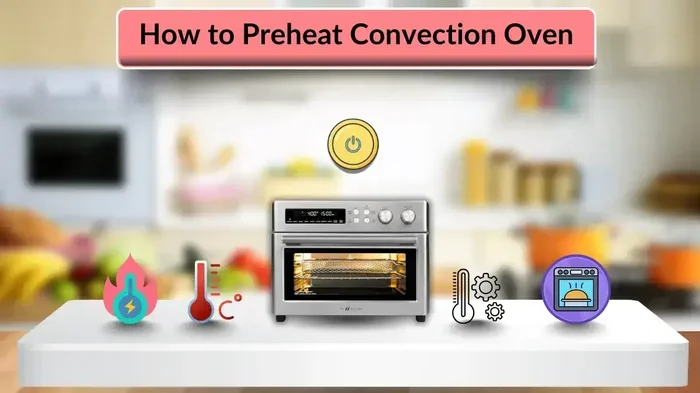
- Preheat the Oven: Always preheat to the target oven temperature for meatloaf before placing the loaf inside. A cold start leads to uneven cooking and longer bake times.
- Use a Light Hand with Salt: Too much salt can draw out moisture and make the meatloaf dry. Season gradually and taste the mixture before forming the loaf.
- Line the Pan with Parchment: This makes cleanup easier and prevents the bottom from getting too soggy or sticking to the pan.
Common Meatloaf Mistakes to Avoid
Even experienced cooks can run into trouble with baking meatloaf. Knowing what goes wrong helps you avoid the same pitfalls. Here are the most common mistakes and how to steer clear of them.
Mistake 1: Cooking at Too High a Temperature
Setting the oven too high, like 425°F or 450°F, will burn the outside long before the inside reaches 160°F. This is the number one reason for dry, overcooked meatloaf. Stick to 350°F for the most reliable and consistent results. If you want a faster crust, try a brief higher-temperature start, then reduce.
Mistake 2: Using Too Many Ingredients
It is tempting to add every ingredient you have to the mix, but overloading the meatloaf with vegetables, cheese, or extras can prevent it from holding together properly. Keep the ratio balanced: about 1 pound of ground meat per egg and a small amount of breadcrumbs and seasoning. The meatloaf moisture balance depends on not overcrowding the mixture.
Mistake 3: Skipping the Meat Thermometer
Relying on time alone is a gamble. Every oven is different, and variations in ingredient moisture content affect cooking time. A meat thermometer takes the guesswork out and guarantees a perfectly cooked loaf every time. It is a small investment that pays off dramatically in the quality of your oven-baked meatloaf.
Mistake 4: Not Letting It Rest
Cutting into the meatloaf immediately releases all the juices onto the cutting board instead of staying inside the loaf. Give it 10 to 15 minutes of rest time, and you will notice a big difference in moisture and sliceability. This is one of the most overlooked meatloaf tips among home cooks.
Mistake 5: Opening the Oven Door Too Often
Every time you open the oven door, you lose heat and can cause the meatloaf to cook unevenly. Resist the urge to check on it constantly. Trust your timer and only open the door when it is time to check the temperature with your meat thermometer.
Expert Insights and Final Thoughts
Expert Insight: Professional chefs often emphasize that the secret to a great meatloaf is not a fancy technique or expensive ingredients. It is about control. Controlling the meatloaf temperature, the mixing process, and the resting time is what separates a good meatloaf from a great one.
Many experienced cooks also recommend using a combination of meats for the best flavor profile. A blend of ground beef and ground pork offers a balance of richness and moisture. Adding a small amount of veal creates a tender, delicate texture that is hard to achieve with beef alone. This approach is common in traditional Italian-American meatloaf recipes and is well worth trying.
When it comes to meatloaf seasoning, keep it simple. Salt, pepper, garlic powder, onion powder, and a pinch of paprika go a long way. The focus should be on the quality of the meat and the precision of the cooking process, not on masking flavors with too many spices. Let the ingredients shine through.
For those who love a meatloaf glaze, a simple mixture of ketchup, brown sugar, and a splash of vinegar brushed on during the last 15 minutes of baking adds a beautiful caramelized finish. This is one of the most popular meatloaf tips from home cooks and professional chefs alike. The glaze adds a sweet-savory contrast that elevates the entire dish.
If you are meal prepping or planning meatloaf leftovers, the good news is that meatloaf reheats beautifully. Wrap individual slices in foil and warm them in the oven at 325°F for 15 to 20 minutes. The microwave works in a pinch, but the oven preserves the texture much better and keeps the crust from getting soggy.
Remember, the what temperature should meatloaf be cooked at in the oven answer is 350°F, but the real magic comes from understanding the full process. From mixing to baking to resting, every step contributes to the final result. Pay attention to detail, use a meat thermometer, and you will never serve a dry or undercooked meatloaf again.
Final Takeaway: The ideal oven temperature for meatloaf is 350°F, with an internal temperature of 160°F. Keep your loaf at a moderate size, avoid overmixing, let it rest before slicing, and always use a thermometer. These simple practices will elevate your baking meatloaf from ordinary to outstanding every time you step into the kitchen.
Frequently Asked Questions
What is the best oven temperature for meatloaf?
The best oven temperature for meatloaf is 350°F. This temperature allows the loaf to cook evenly, stay moist, and develop a golden crust without drying out. It is the standard recommended by most chefs and meatloaf recipes for reliable, consistent results every time you bake.
How long does it take to cook meatloaf at 350°F?
A standard 2-pound meatloaf baked at 350°F typically takes 45 to 60 minutes. Smaller loaves or mini meatloaves may be done in 25 to 35 minutes. The most important factor is reaching an internal meatloaf temperature of 160°F, so always use a meat thermometer to verify doneness.
Can I cook meatloaf at 400°F instead of 350°F?
Yes, you can cook meatloaf at 400°F, but it will bake faster and requires closer monitoring. At this higher temperature, a 2-pound loaf may take only 30 to 40 minutes. The risk is that the outside can brown or burn before the inside is fully cooked, so check the meatloaf internal temperature frequently and adjust your timing accordingly.
What internal temperature should meatloaf reach?
Meatloaf should reach an internal temperature of 160°F at the center. This is the safe meat temperature for ground meats as recommended by food safety guidelines. Using a meat thermometer inserted into the thickest part of the loaf is the most reliable way to confirm meatloaf doneness.
Should I let meatloaf rest before cutting?
Yes, absolutely. Letting meatloaf rest for 10 to 15 minutes after baking allows the juices to redistribute throughout the loaf. This makes it easier to slice and keeps each piece moist and flavorful. Skipping this step often results in a drier meatloaf with juices pooling on the cutting board instead of staying inside each slice.
How do I keep meatloaf from drying out?
To keep meatloaf moist, avoid overmixing the ingredients, do not overcook past 160°F internal temperature, and let the loaf rest before slicing. Using a blend of meats, adding moisture-rich ingredients like grated vegetables, and applying a glaze during the last 15 minutes of baking also help retain moisture in your oven-baked meatloaf and deliver a tender, flavorful result.
=== CONCLUSION ===
Mastering the what temperature should meatloaf be cooked at in the oven question is the foundation of every great meatloaf. The answer is clear: bake at 350°F, aim for an internal temperature of 160°F, and give the loaf time to rest before serving. These basics apply whether you are making a simple ground beef meatloaf or experimenting with a more elaborate meatloaf recipe that includes multiple meats and a homemade glaze.
The beauty of meatloaf is that it is forgiving. Even if you are not perfect with the timing, a meat thermometer and attention to the meatloaf doneness cues will guide you to a delicious result. Once you nail the meatloaf temperature and timing, you will find yourself making it week after week as a staple of your home cooking.
So preheat your oven to 350°F, gather your ingredients, and put your new meatloaf tips into practice. The perfect baking meatloaf is waiting for you, and it starts with getting the temperature just right.