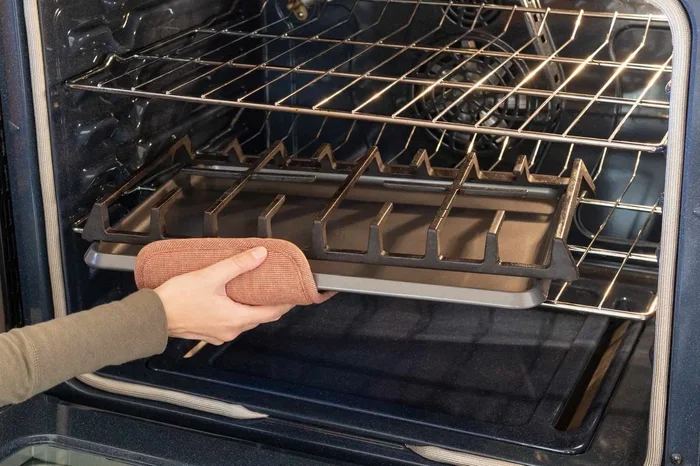
How To Clean Oven Burner Grates Without Scrubbing Hard
Learning how to clean oven burner grates without scrubbing hard is easier than you think. With a few simple household items like baking soda, vinegar, and dish soap, you can remove stubborn grease and food residue in under an hour. These methods work on gas stove grates, electric burner grates, and porcelain-coated surfaces without damaging the finish.
Key Takeaways
- Soak grates overnight: A hot water and dish soap soak loosens baked-on grease without any scrubbing.
- Use baking soda and vinegar: This natural combo creates a fizzy reaction that breaks down grime on oven burner grates.
- Ammonia fume method works wonders: Sealing grates in a bag with ammonia dissolves tough grease overnight.
- Clean regularly: Wiping grates after each use prevents heavy grease buildup and makes future cleaning easier.
- Avoid abrasive scrubbers: Steel wool and harsh pads can damage porcelain coatings and cast iron surfaces.
- Dry grates completely: Preventing moisture buildup stops rust and extends the life of your burner grates.
📑 Table of Contents
- Why Oven Burner Grates Get So Dirty
- What You Will Need to Clean Oven Burner Grates
- The Best Methods to Clean Oven Burner Grates Without Scrubbing Hard
- How to Maintain Your Burner Grates
- Common Mistakes to Avoid When Cleaning Burner Grates
- Quick Tips for Stubborn Grime on Oven Burner Grates
- How Often Should You Clean Your Burner Grates
- Comparing Cleaning Methods at a Glance
- Conclusion
Why Oven Burner Grates Get So Dirty
Every time you cook, your oven burner grates take a beating. Grease splatters. Food bubbles over. Saucy drips land right on the surface. Over time, this creates a thick layer of grease buildup that seems impossible to remove.
Gas stove grates are especially prone to this problem. The open flame spreads heat unevenly, which means some spots get hotter than others. That causes food to stick and burn onto the grate surface. Cast iron grates hold onto grease more than other materials. Porcelain-coated grates can also trap residue in tiny cracks.
Electric burner grates have a similar issue. The coil heats up and drips fall directly onto the surface. Without regular stovetop maintenance, these drips harden into a crusty layer. The result is a grate that looks terrible and affects how evenly your stove heats.
The good news is that you do not need to spend hours scrubbing. There are several easy methods that loosen food residue and cut through grease without any hard work. Let us walk through them.
What You Will Need to Clean Oven Burner Grates
Before you start, gather a few basic supplies. Most of these items are already in your kitchen or under your sink. Having everything ready makes the process smooth and fast.
Here is your shopping list of cleaning supplies:
- Baking soda — a natural degreaser that cuts through grease safely
- White vinegar — reacts with baking soda to lift stuck-on grime
- Dish soap — breaks down grease and food residue on contact
- Ammonia — a powerful fume-based cleaner for tough buildup
- Large sink or basin — for soaking grates comfortably
- Soft sponge or cloth — for wiping without scratching surfaces
- Plastic scraper or old toothbrush — for gentle residue removal
- Rubber gloves — to protect your hands during cleaning
You do not need any special tools or expensive products. These simple items handle kitchen cleaning jobs like a pro. The key is letting time and chemistry do the heavy lifting for you.
The Best Methods to Clean Oven Burner Grates Without Scrubbing Hard
There are several proven methods to get your burner grates sparkling clean. Each one works differently, so pick the one that fits your situation best. Below, we cover four easy approaches that require almost no elbow grease.
Method 1: The Baking Soda and Vinegar Soak
This is the most popular method for how to clean oven burner grates naturally. Baking soda is a mild abrasive that lifts dirt without scratching. Vinegar adds a fizzy reaction that pushes grime loose from the surface.
Here is how to do it:
- Remove the burner grates from your stove and shake off loose crumbs.
- Fill a sink or basin with hot water. Make sure the water is as hot as you can comfortably handle.
- Add two tablespoons of dish soap and stir until it dissolves.
- Sprinkle half a cup of baking soda directly onto each grate.
- Submerge the grates in the soapy water and push down gently.
- Let them soak for at least four hours. Overnight is even better.
- Remove the grates and pour white vinegar over the surface.
- The fizzy reaction will loosen any remaining grease and food residue.
- Wipe the grates with a soft sponge. Most grime will slide right off.
- Rinse with clean water and dry completely before putting them back.
This method works well for regular grease removal and light to moderate buildup. If your grates are extremely dirty, you may need to repeat the process once.
Method 2: The Ammonia Fume Method
The ammonia fume method is a game changer for heavily soiled grates. Instead of scrubbing, you let ammonia fumes dissolve the grease while you sleep. It sounds unusual, but it works incredibly well.
Here is what to do:
- Place your dirty burner grates inside a large trash bag or a sealed plastic container.
- Add about half a cup of ammonia. You do not need to submerge the grates.
- Seal the bag or container tightly. Make sure no fumes can escape.
- Leave it in a well-ventilated area or outside overnight.
- The next morning, remove the grates from the bag.
- The ammonia fumes will have softened all the baked-on grease.
- Wipe the grates with a damp cloth. The grime should come off easily.
- Rinse thoroughly with water and dry completely.
Important safety note: Always use ammonia in a ventilated area. Never mix ammonia with bleach or other chemicals. This method is one of the most effective ways to handle heavy stuck-on food without any physical scrubbing.
Method 3: The Dish Soap Hot Water Soak
This is the simplest method and a great starting point. If your grates are not badly damaged, a good soak can do most of the work for you.
Follow these steps:
- Remove the grates from the stove and let them cool completely.
- Fill your sink with the hottest water you can run.
- Add a generous amount of dish soap — about three to four tablespoons.
- Place the grates in the water and make sure they are fully submerged.
- Let them soak for two to three hours.
- After soaking, use a soft sponge to wipe the surface.
- Most grease and residue will dissolve during the soak.
- Rinse with clean water and dry thoroughly.
This method is perfect for routine maintenance of your gas stove grates or electric burner grates. If you clean your grates this way every few weeks, heavy buildup will never become a problem.
Method 4: Commercial Degreaser Spray
If you prefer store-bought solutions, a quality degreaser spray works fast. These products are designed to break down grease buildup on contact. Look for a degreaser that is safe for cooking surfaces.
Here is how to use one:
- Spray the degreaser generously on both sides of the grates.
- Let it sit for 10 to 15 minutes. Check the product label for exact timing.
- Wipe the grates with a damp cloth or sponge.
- Rinse thoroughly with warm water to remove any chemical residue.
- Dry completely before replacing the grates on the stove.
Commercial degreasers work well for quick deep clean sessions. However, they contain stronger chemicals than natural methods. Always ventilate your kitchen and wear rubber gloves when using these products.
How to Maintain Your Burner Grates
Cleaning is only half the battle. The real secret is preventing heavy buildup in the first place. A simple maintenance routine keeps your grates looking new and your stove working at its best.
Clean After Every Use
Get in the habit of wiping your burner grates after each cooking session. A quick wipe with a damp cloth removes fresh grease before it has a chance to harden. This takes less than two minutes and saves you from tough cleaning sessions later.
Deal with Spills Immediately
When food bubbles over or grease splatters, clean it up right away. Once a spill dries and hardens, it becomes much harder to remove. Keep a damp cloth near your stove for quick wipe-downs during cooking.
Deep Clean Monthly
Even with regular wiping, grime accumulates over time. Set a reminder to do a thorough oven burner grates cleaning once a month. This keeps buildup under control and extends the life of your grates.
Protect Your Grates from Damage
Use the right tools when cleaning. Avoid steel wool, abrasive pads, and harsh scouring powders. These can scratch porcelain coatings and damage cast iron surfaces. A soft sponge or old toothbrush is all you need for gentle but effective cleaning.
Common Mistakes to Avoid When Cleaning Burner Grates
Many people make mistakes that damage their grates or make the cleaning process harder. Here are the most common errors and how to avoid them.
Using Steel Wool or Abrasive Scrubbers
It is tempting to grab a steel wool pad when grease is stuck on hard. But this can scratch and damage the surface of your grates. For porcelain-coated grates, scratches expose the metal underneath, which leads to rust. For cast iron, scratches remove the seasoning that makes the grate nonstick.
Always use a soft sponge or cloth. A plastic scraper works well for removing large chunks of stuck-on food without causing damage.
Soaking Cast Iron Grates Too Long
Cast iron grates need special care. Soaking them in water for too long can cause rust. If you have cast iron grates, limit soak time to one to two hours. After cleaning, dry them immediately with a towel and apply a light coat of cooking oil to protect the surface.
Not Drying Grates Completely
Water left on the surface of grates leads to rust and unpleasant odors. Always dry your grates thoroughly after cleaning. You can even place them on a warm stove burner for a few minutes to evaporate any remaining moisture.
Using Too Much Ammonia
A little ammonia goes a long way. Using too much does not clean better and creates unnecessary fumes. Stick to the recommended amount and make sure your workspace is well ventilated.
Quick Tips for Stubborn Grime on Oven Burner Grates
Sometimes, despite your best efforts, some grime just will not budge. Here are a few quick tips for handling the toughest spots.
- Make a baking soda paste: Mix baking soda with a small amount of water to form a thick paste. Apply it directly to stubborn spots and let it sit for 30 minutes before wiping.
- Use a toothbrush: An old toothbrush reaches into small crevices and corners where grease hides.
- Try boiling water on the grate: Place the grate in a pot of boiling water on the stove. The heat helps dissolve hardened grease quickly.
- Add salt for abrasion: Coarse salt mixed with baking soda creates a gentle scrub that removes residue without scratching.
- Repeat the soak: For extremely dirty grates, a second overnight soak with fresh solution usually does the trick.
These tips work for all types of gas stove grates and electric burner surfaces. The goal is to let the cleaning solution do the work, not your hands.
How Often Should You Clean Your Burner Grates
The frequency depends on how often you cook. If you use your stove daily, a quick wipe after each use and a deeper clean every two weeks is ideal. If you cook a few times a week, a monthly deep clean is sufficient.
Watch for signs that your grates need attention. Visible grease buildup, discoloration, sticky residue, or unpleasant odors all signal that it is time to clean. The earlier you address buildup, the easier the cleaning process will be.
Comparing Cleaning Methods at a Glance
Not sure which method to choose? Here is a quick comparison of the four methods we covered.
- Baking Soda and Vinegar: Best for regular maintenance. Natural, safe, and effective for light to moderate grease.
- Ammonia Fumes: Best for heavy buildup. Works overnight with zero scrubbing required.
- Dish Soap Soak: Simplest method. Great for quick cleans and light surface grease.
- Commercial Degreaser: Fastest results. Best when you need a quick solution but contains stronger chemicals.
For the best results, combine methods. Start with a dish soap soak, follow up with baking soda and vinegar for any remaining residue, and use ammonia fumes for the really tough spots. This approach makes how to clean oven burner grates a breeze every time.
Conclusion
Learning how to clean oven burner grates without scrubbing hard is simple and effective. With the right methods and a little patience, you can restore even the grimiest grates to like-new condition. The baking soda and vinegar soak, ammonia fume method, dish soap soak, and commercial degreaser each offer a powerful way to remove grease and food residue without hard work.
Remember to maintain your grates regularly. A quick wipe after cooking and a monthly deep clean keep buildup under control and extend the life of your stove. Avoid common mistakes like using abrasive scrubbers or letting grates sit wet.
Your burner grates play a big role in how your stove performs. Clean grates mean better heat distribution, more even cooking, and a better-looking kitchen. Start using these methods today, and you will never dread cleaning your oven burner grates again.
Pick the method that works best for you, gather your supplies, and give your grates the care they deserve. You will be amazed at how easy it can be.
Frequently Asked Questions
Can I clean oven burner grates in the dishwasher?
Yes, you can place most burner grates in the dishwasher for a convenient clean. However, cast iron grates should not go in the dishwasher, as the high heat and harsh detergent can strip the seasoning and cause rust. Check your grate material before using this method.
How long should I soak oven burner grates for the best results?
For light grease, a one to two hour soak works well. For heavy buildup, soak your grates overnight in hot soapy water. The longer the soak, the easier the grease will come off with minimal wiping.
Is it safe to use ammonia around kitchen burner grates?
Yes, ammonia is safe for cleaning burner grates when used correctly. Always use it in a well-ventilated area, never mix it with other chemicals, and rinse the grates thoroughly with water after cleaning to remove any residue.
How do I prevent grease buildup on my burner grates?
Wipe your grates after each use with a damp cloth to remove fresh grease. Clean up spills immediately before they harden. Doing a deep clean every two to four weeks prevents heavy buildup from forming in the first place.
Can I use oven cleaner on burner grates?
It is not recommended to use oven cleaner on burner grates. Oven cleaners contain harsh chemicals that can damage the surface and leave residues that may affect food safety. Stick to gentle methods like baking soda soaks or degreaser sprays designed for stovetop surfaces.
What is the best way to dry burner grates after cleaning?
Dry your grates thoroughly with a clean towel immediately after washing. For extra protection against moisture, place them on a warm stove burner for a few minutes to evaporate any remaining water. This prevents rust and keeps your grates in great condition.