How Long To Cook 1 Lb Roast In Oven For Perfect Results
Learning how long to cook 1 lb roast in oven is the first step toward a delicious, restaurant-quality meal at home. A typical 1 lb roast needs 25 to 35 minutes at 400°F for a juicy, medium-rare result. This guide walks you through temperature, timing, seasoning, resting, and pro tips so you get perfect roast beef every single time.
Key Takeaways
- Cook Time: A 1 lb roast typically needs 25 to 35 minutes at 400°F for medium-rare doneness.
- Oven Temperature: 400°F is the sweet spot for a crispy exterior and juicy interior on a small roast.
- Internal Temperature: Aim for 135°F for medium-rare, 145°F for medium, and always use a meat thermometer.
- Resting Time: Let your roast rest for 10 minutes after cooking to lock in juices and ensure tenderness.
- Seasoning Matters: Simple seasonings like salt, pepper, garlic, and herbs go a long way in building flavor.
- Avoid Common Mistakes: Skip overcooking by monitoring internal temp, and always let the meat rest before slicing.
📑 Table of Contents
How Long To Cook 1 Lb Roast In Oven: The Complete Guide
There is something truly satisfying about pulling a perfectly cooked roast out of the oven. The aroma fills the kitchen. The outside is golden brown and slightly crispy. And the inside is juicy, tender, and bursting with flavor. If you have been wondering how long to cook 1 lb roast in oven, you are in the right place.
A 1 lb roast is a great size for a small family dinner or a special meal. It cooks faster than a larger roast, which means less time waiting and more time enjoying. But cooking time is not the only thing that matters. Temperature, seasoning, and resting all play big roles too. In this guide, we will walk you through everything you need to know. You will learn the best oven temperature, the exact cooking times, and pro tips for a juicy result every time.
Whether you are cooking a beef roast, a pork roast, or a lamb roast, the core principles stay the same. We will focus mainly on beef roast because it is the most popular choice for home cooks. But the techniques apply to other meats as well. Let us dive in and make sure your next roast comes out perfect from start to finish.
One of the most common questions home cooks ask is, “How long does it take to cook a 1 lb roast?” The answer depends on several factors. The type of meat, the cut, the starting temperature, and your desired level of doneness all matter. A lean beef eye round roast behaves differently than a well-marbled chuck roast. A pork loin roast has its own ideal cook time. We will break all of this down so you can confidently plan your next meal.
Best Oven Temperature For A 1 Lb Roast
Getting the oven temperature for roast right is one of the most important steps in the entire process. Too hot and the outside burns before the inside cooks through. Too cool and the roast takes forever, drying out along the way. For a 1 lb roast, 400°F is the ideal temperature. This heat level creates a beautiful sear on the outside while keeping the inside moist and tender.
Why Temperature Matters So Much
The oven temperature for roast affects how quickly the meat cooks and how the crust forms. At 400°F, the Maillard reaction happens fast. This is the chemical process that creates that delicious brown crust on the outside of the meat. It also helps render fat, which adds flavor and juiciness to every bite.
If you lower the temperature to 325°F, the roast will take longer to cook. This can work well for tougher cuts like chuck roast or pot roast in oven recipes. The lower heat breaks down connective tissue slowly, which is great for larger, tougher pieces of meat. But for a small 1 lb roast, 400°F gives you the best balance of speed and flavor. You get a great crust without drying out the meat.
Temperature Guide For Different Roast Types
Different types of roasts need slightly different approaches. Here is a quick comparison to help you choose the right temperature and time:
| Roast Type | Recommended Temp | Cooking Time (1 lb) | Best For |
|---|---|---|---|
| Beef Eye Round | 400°F | 25-35 min | Medium-rare to medium |
| Chuck Roast | 325°F | 45-60 min | Slow-cooked tenderness |
| Pork Loin Roast | 400°F | 25-30 min | Juicy and tender result |
| Lamb Leg Roast | 400°F | 25-35 min | Medium to well-done |
| Prime Rib Roast | 450°F start, then 325°F | 15-20 min | Special occasion meals |
As you can see, the roast beef cooking time varies by meat type and cut. A beef eye round roast at 400°F cooks much faster than a chuck roast at 325°F. Always consider the cut of meat when planning your cook time and temperature. Choosing the right beef roast recipe for your cut makes all the difference in the final result.
Step-by-Step: How To Roast A 1 Lb Beef Roast
Now that you know the right temperature, let us walk through the process step by step. Following these steps will help you achieve a roast that is flavorful, juicy, and cooked to perfection every single time. The process is simpler than most people think.
Prepping Your Roast
Start by taking your roast out of the refrigerator about 30 minutes before cooking. Letting it come to room temperature helps it cook more evenly throughout. A cold roast going straight into a hot oven creates uneven cooking. The outside overcooks while the inside stays cold.
Next, pat the roast dry with paper towels. Removing surface moisture helps create a better crust during searing. This is a small step that makes a big difference. Then, trim any excess fat if needed. A thin layer of fat is good because it adds flavor and keeps the meat moist during cooking. But thick, hard chunks of fat can cause uneven cooking and leave you with greasy results.
Seasoning And Searing
Seasoning is where you can get creative and make the roast your own. A simple blend of salt, black pepper, and garlic powder works wonders for most roasts. You can also add fresh herbs like rosemary and thyme for extra flavor. Some cooks like to add a little paprika or cumin for a smoky kick. Rub the seasoning all over the roast, pressing it into the surface gently so it sticks.
Searing is an optional but highly recommended step. Heat a cast iron skillet or oven-safe pan over high heat with a little oil. Sear the roast on all sides for about 1 to 2 minutes per side. This creates a flavorful crust that locks in juices. It also adds a beautiful dark color to the finished roast. Many slow roast beef enthusiasts swear by this step because it builds layers of flavor that you cannot get any other way.
Roasting Time And Technique
Place the seared roast on a wire rack set inside a roasting pan. The wire rack allows hot air to circulate around the meat, which promotes even cooking on all sides. Put the pan in the preheated oven at 400°F and set a timer.
For a 1 lb roast, the roast beef cooking time at 400°F is typically 25 to 35 minutes. This gives you a medium-rare result. If you prefer your roast more done, add a few extra minutes. But be careful not to overcook it, as a small roast can dry out quickly. Here is a simple timeline to follow:
- 0 minutes: Roast goes into the preheated 400°F oven.
- 15 minutes: Check the color. The outside should be turning golden brown.
- 25 minutes: Start checking the internal temperature with a meat thermometer.
- 30-35 minutes: Target internal temp of 135°F for medium-rare. Remove from oven.
- 40-45 minutes total: For medium doneness at 145°F internal temp.
Remember, these times are guidelines. Your actual roast beef internal temp is what matters most. Every oven runs slightly differently, so trust your thermometer over the clock.
Internal Temperature And Doneness Guide
Knowing the internal temperature roast is the single most reliable way to determine doneness. Color and time are helpful clues, but temperature is the truth. A good oven-safe thermometer takes the guesswork out of roasting and gives you confidence with every cook. This is the tool that separates good cooks from great ones.
Temperature Chart For Beef Doneness
Here is a handy reference chart for beef roast doneness levels and what to expect:
| Doneness Level | Internal Temperature | Description |
|---|---|---|
| Rare | 120-125°F | Very red center, soft and tender texture |
| Medium Rare | 130-135°F | Warm red center, juicy and tender |
| Medium | 140-145°F | Pink center, slightly firmer bite |
| Medium Well | 150-155°F | Slight pink remaining, firmer texture |
| Well Done | 160°F+ | Little to no pink, drier texture |
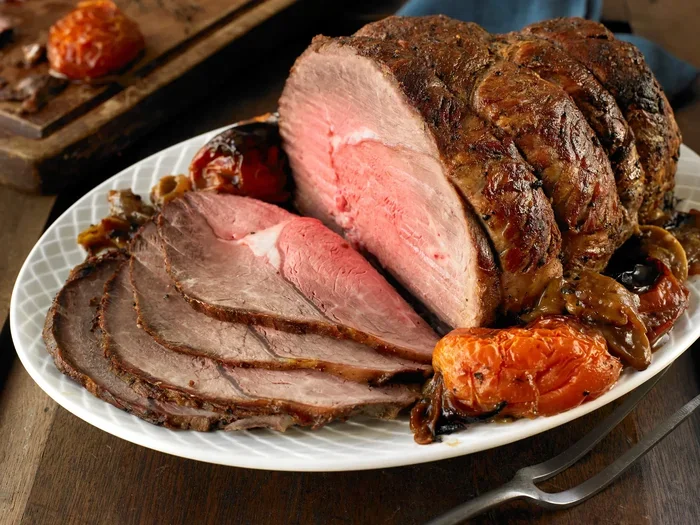
For most people, medium rare roast is the sweet spot. It offers the best balance of flavor, juiciness, and tenderness. The internal temp of 135°F gives you a roast that is pink and juicy in the center without being raw. If you prefer your meat more cooked, simply leave it in the oven for a few more minutes and check the temp again.
Resting Your Roast
Once your roast reaches the target temperature, pull it out of the oven. But do not slice into it right away. Resting is a crucial step that many people skip. When the roast rests, the juices redistribute throughout the meat. This makes every slice moist and flavorful instead of dry and bland.
Tent the roast loosely with aluminum foil and let it rest for 10 minutes. The foil creates a gentle foil tent roast that keeps the heat in without trapping too much steam. After 10 minutes, your roast will be ready to slice and serve. You will notice a big difference in juiciness compared to a roast that is sliced immediately.
Common Mistakes That Ruin Your Roast
Even experienced cooks can make mistakes when roasting a small roast. Knowing what to avoid is just as important as knowing what to do. Here are the most common errors that can ruin your roast and how to prevent them.
Skipping The Rest
This is the number one mistake people make. They take the roast out of the oven and immediately start slicing into it. The juices run all over the cutting board instead of staying in the meat. A 10-minute rest makes a huge difference in the final result. Your roast will be noticeably juicier and more tender when you let it rest properly.
Overcooking The Roast
A small 1 lb roast can go from perfect to overcooked in just a few minutes. The cooking time per pound is short, which leaves little room for error. Always use a meat thermometer to check the internal temperature. Do not rely on the oven timer alone. Every oven is slightly different, and the actual roast beef internal temp matters more than the clock says. Set a timer as a reminder, but always verify with a thermometer.
Not Using A Meat Thermometer
Some cooks judge doneness by color or by pressing the meat with a finger. While these methods can give you a rough idea, they are not precise. An oven-safe thermometer or an instant-read thermometer gives you an accurate reading every single time. It is a small investment that pays off big time. You will never second-guess your roast again once you make it a habit to check the temperature.
Skipping The Sear
You can roast without searing, but you will miss out on a lot of flavor. Searing creates a caramelized crust that adds depth and richness to the meat. It takes only a few minutes and makes a noticeable difference in the final dish. If you have the time, always sear before roasting. It is one of those small steps that elevates the entire meal.
Using The Wrong Cut Of Meat
Not all cuts are created equal when it comes to oven roasting. Lean cuts like eye round or top round are great for a quick roast at 400°F. But tougher cuts like chuck roast need low and slow cooking to break down the connective tissue. If you use a chuck roast at 400°F, you will end up with a tough, chewy result. Choose the right beef roast recipe for your cut, and the results will speak for themselves.
Expert Tips For A Perfect Roast Every Time
Here are some professional tips and tricks that will elevate your roast cooking game. These are the details that separate a good roast from a truly great one. Even if you are a beginner, these tips will help you achieve restaurant-quality results at home.
Quick Tips For Better Roasting
- Use a wire rack: It promotes even air circulation around the roast for consistent cooking on all sides.
- Season generously: Do not be shy with salt and pepper. The seasoning forms the flavor foundation of your roast.
- Let the meat come to room temperature: This reduces cooking time and promotes even doneness throughout the roast.
- Baste halfway through: Spoon some pan juices over the roast at the 15-minute mark for extra moisture and flavor.
- Invest in a good meat thermometer: This is the single best tool for perfect roast results every time you cook.
- Use a roasting pan with a rack: This keeps the roast out of the collecting juices and prevents unwanted steaming.
- Experiment with aromatics: Toss garlic cloves, onion wedges, and fresh herbs into the pan for added depth of flavor.
- Preheat your oven fully: A fully preheated oven ensures the roast starts cooking at the right temperature immediately.
- Plan your sides ahead: While the roast rests, you can prep sides like roasted vegetables or mashed potatoes.
How To Make Your Roast More Tender
Tenderness is what separates a great roast from an ordinary one. If you want a melt-in-your-mouth texture, here are some techniques that really help. First, choose the right cut of meat. Tender cuts like ribeye or tenderloin are naturally more tender than lean cuts like eye round. Second, do not overcook the roast. Overcooking is the fastest way to turn a tender cut into a tough, dry piece of meat. Third, let the roast rest properly after cooking. This step allows the muscle fibers to relax and reabsorb juices.
You can also use a technique called reverse searing for incredible tenderness. Start the roast in a low oven at 275°F until it reaches 120°F internally. Then sear it in a hot skillet for a few minutes on each side. This method gives you incredible tenderness and a perfect crust. It works especially well for thicker roasts, though it takes a bit longer for a 1 lb roast. The slow roast beef method at low temperature followed by a hot sear is a favorite among professional chefs.
Storing And Reheating Leftover Roast
If you have leftovers, store them properly to enjoy them the next day. Let the roast cool completely, then wrap it tightly in plastic wrap or foil. Refrigerate for up to 3 days. To reheat, place the slices in a baking dish, add a splash of beef broth, and cover with foil. Heat at 300°F for 15 to 20 minutes. This keeps the roast moist and prevents it from drying out during reheating. Leftover roast also makes amazing sandwiches, salads, and stir-fries the next day.
Conclusion
Now you know exactly how long to cook 1 lb roast in oven for perfect results every time. The key takeaways are simple and easy to remember. Cook at 400°F for 25 to 35 minutes. Use a meat thermometer to check for an internal temp of 135°F for medium-rare. Let the roast rest for 10 minutes before slicing. And always season well to bring out the best flavor in your meat.
Roasting a 1 lb beef roast is one of the most rewarding cooking skills you can learn. It is not complicated, but it does require attention to detail. Once you master the basics, you can experiment with different cuts, seasonings, and techniques. You will be able to whip up a delicious roast any night of the week without stress or guesswork.
Remember, practice makes perfect. Your first roast might not be flawless, and that is completely okay. Every time you cook, you will learn something new about your oven and your preferences. Soon, roasting a 1 lb roast will feel second nature. You will impress your family and guests with a restaurant-quality meal right from your own kitchen. So go ahead, fire up that oven, and enjoy the process of creating something truly delicious and satisfying.
The beauty of learning how long to cook 1 lb roast in oven is that it opens up a whole world of meal possibilities. You can make a quick weeknight dinner or a special occasion centerpiece. The techniques stay the same whether you are cooking for two or six people. Once you understand temperature, timing, and resting, you can roast almost any cut of meat with confidence. Your kitchen will thank you, and your family will love you for it.
Frequently Asked Questions
How long does it take to cook a 1 lb roast in the oven at 350°F?
At 350°F, a 1 lb roast will take approximately 35 to 45 minutes to reach medium-rare doneness. The lower temperature means a longer cook time compared to 400°F. Always use a meat thermometer to check the internal temperature rather than relying solely on the clock.
What is the best cut of beef for a 1 lb oven roast?
Beef eye round, top round, and sirloin tip are excellent choices for a 1 lb roast. They are lean, cook quickly, and are affordable. If you want more marbling and flavor, a small chuck roast or a beef tenderloin roast also works well at 400°F.
Do I need to cover a roast with foil while cooking in the oven?
No, you do not need to cover a roast while it cooks in the oven. Leaving it uncovered allows the heat to circulate evenly and creates a nice brown crust. You only need to cover the roast with foil during the resting phase to keep it warm while the juices redistribute.
Can I cook a frozen 1 lb roast in the oven?
Yes, you can cook a frozen roast, but it will take significantly longer. Add about 50% more cooking time to account for the frozen start. The internal temperature is still the most important factor, so use a meat thermometer to ensure the roast reaches a safe temperature of at least 145°F in the center.
How do I know if my roast is done without a meat thermometer?
Without a thermometer, you can use the finger test by pressing the center of the roast. A rare roast feels soft and squishy, medium-rare feels slightly firm with give, and well-done feels very firm. However, a meat thermometer is the most reliable method and removes all guesswork from the equation.
What should I serve with a 1 lb oven roast?
A 1 lb roast pairs well with roasted vegetables, mashed potatoes, rice, or a fresh salad. You can also make a simple pan gravy using the drippings left in the roasting pan. Add a splash of beef broth, whisk in a little flour, and simmer for a few minutes for a delicious homemade gravy.