How Long To Cook Small Salmon Fillet In Oven Perfectly
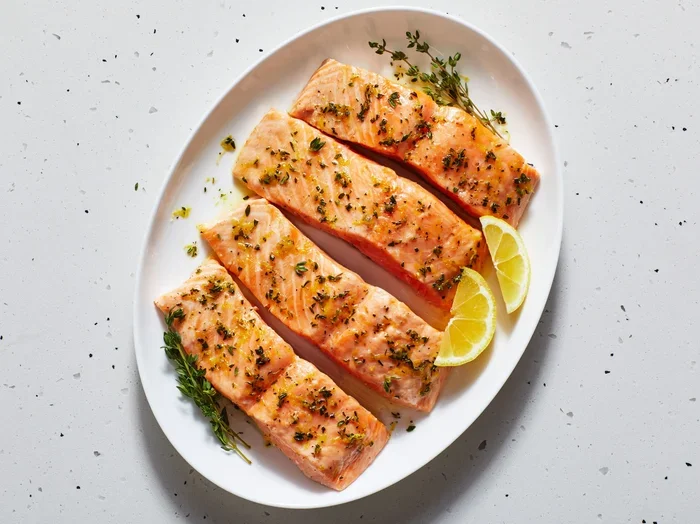
Learn exactly how long to cook small salmon fillet in oven for juicy, flaky results every time. This guide covers the perfect oven temperature, timing, and seasoning tips. You will discover the best method for thin fillets, thick fillets, and everything in between.
Key Takeaways
- Perfect Timing: Small salmon fillets bake in 10–15 minutes at 400°F, depending on thickness.
- Temperature Matters: Always preheat your oven to 400°F for crispy skin and moist flesh.
- Pat Dry First: Drying the skin ensures crispiness and prevents steaming.
- Season Simply: Olive oil, salt, pepper, and lemon bring out the best flavor.
- Check Internal Temp: The fish is done at 145°F, but many prefer 125°F for medium-rare.
- Rest Before Serving: Let the salmon rest for 3 minutes to lock in juices.
📑 Table of Contents
- Why Oven-Baked Small Salmon Fillet Is a Weeknight Hero
- How Long To Cook Small Salmon Fillet In Oven: The Exact Timing
- Step-by-Step Oven Method for Perfect Salmon
- Temperature and Thickness: What Really Matters
- Flavor Boosters and Seasoning Ideas
- Common Mistakes That Ruin Your Salmon
- Storing and Reheating Leftover Salmon
- Conclusion
Why Oven-Baked Small Salmon Fillet Is a Weeknight Hero
Ever wondered how long to cook small salmon fillet in oven without drying it out? You are not alone. Many home cooks struggle with that perfect flake. The good news is that a small fillet bakes fast. With the right oven temperature, you get juicy salmon every time. This guide shows you exactly how to do it.
Oven-baked salmon is a healthy protein that fits any schedule. It needs little prep and almost no cleanup. A small fillet cooks in under 15 minutes. That makes it ideal for busy weeknights. You can serve it with roasted veggies or a simple salad. The flavors stay bright and fresh. Plus, salmon is rich in omega-3 fats. It is truly a superfood for dinner.
Speed and Simplicity
When you want a fast meal, baked salmon wins. You spend only 5 minutes prepping. Then the oven does the work. No need to watch the stove. You can set the table while the fish bakes. This ease makes it a family favorite.
Healthy and Delicious
Salmon is packed with protein and good fats. It keeps you full without feeling heavy. A small fillet is the perfect portion. It avoids waste and saves money. You can use wild-caught or farmed salmon. Both work well in the oven. The key is cooking it just right.
How Long To Cook Small Salmon Fillet In Oven: The Exact Timing
How long to cook small salmon fillet in oven depends on a few simple factors. The main ones are thickness and oven heat. Most small fillets are about 1 inch thick. At 400°F, they need roughly 10 to 12 minutes. Thinner pieces may finish in 8 minutes. Thicker ones might need 15 minutes. The table below gives you a clear picture.
| Fillet Thickness | Oven Temp | Cook Time | Result |
|---|---|---|---|
| ½ inch (thin) | 400°F | 8–10 min | Very flaky, light |
| ¾ inch (medium) | 400°F | 10–12 min | Moist, tender |
| 1 inch (standard) | 400°F | 12–15 min | Perfectly flaky |
| 1¼ inch (thick) | 400°F | 15–18 min | Juicy, medium-rare center |
These times assume you start with a cold fillet from the fridge. Always use a meat thermometer for accuracy. The internal temperature is your best guide. It removes all guesswork. You will learn more about this in the next section.
What the Clock Says for Different Sizes
Small salmon fillets come in various shapes. A skinny tail piece cooks faster than a thick center cut. If your fillet is uneven, check the thickest part. That is where it needs the most time. You can also pound the fish to an even thickness. This ensures it cooks uniformly. No more dry edges with a raw center.
A Quick Reference for Baking Times
Here is a simple rule of thumb. For every ¼ inch of thickness, bake for 2–3 minutes at 400°F. So a ½-inch fillet takes about 4–6 minutes. A 1-inch fillet takes 8–12 minutes. This helps you plan meals quickly. You can adjust the time by a minute or two. It depends on how you like your salmon.
Step-by-Step Oven Method for Perfect Salmon
Now you know the timing. Let us walk through the method. Follow these steps for flawless oven-baked salmon every time. The process is easy and forgiving.
Preheat and Prep
First, preheat your oven to 400°F. While it heats, line a sheet pan with parchment paper. This prevents sticking and makes cleanup a breeze. Place the salmon fillet skin-side down on the pan. If the skin is on, it will crisp up beautifully. If you prefer no skin, that works too. Just reduce the time by a minute or two.
Season Like a Pro
Keep it simple for the best results. Drizzle the fillet with olive oil. Then sprinkle with salt and black pepper. A squeeze of fresh lemon juice adds brightness. You can also add minced garlic or dill. These flavors complement the fish without overpowering it. Avoid heavy sauces at this stage. They can make the skin soggy.
Bake and Rest
Place the sheet pan in the center of the oven. Bake for the time that matches your fillet thickness. At the 8-minute mark, check the fish. The flesh should be opaque and flake easily with a fork. If it still looks translucent, bake for 1–2 more minutes. Once done, remove the pan from the oven. Let the salmon rest for 3 minutes. This allows the juices to redistribute. Cutting too soon releases all the moisture.
Temperature and Thickness: What Really Matters
The secret to great baked salmon lies in two things. Those are oven temperature and fillet thickness. Get these right, and the cooking time falls into place.
The Role of Oven Heat
400°F is the sweet spot for small fillets. It is hot enough to crisp the skin. But not so hot that it dries out the flesh. Some recipes call for 375°F. That works for thicker cuts that need more time. Others use 425°F for very thin pieces. They cook in just 6–8 minutes. Stick with 400°F for the most reliable results. It balances crispiness and moisture perfectly.
Measuring Fillet Thickness
Use a ruler or your eye to gauge thickness. Place the fillet on the counter. Press gently in the center. If it is more than 1 inch thick, add time. If it is thin, shorten the bake. A kitchen thermometer is a great tool. It tells you the internal temperature without cutting the fish. Insert it into the thickest part. You want 145°F for fully cooked salmon. Many chefs pull it at 125°F for a buttery, medium-rare finish.
Quick Tip: If your fillet has a thin tail end, fold that piece under itself. This creates an even thickness. It prevents the thin part from overcooking while the thick part finishes.
Flavor Boosters and Seasoning Ideas
Basic salt and pepper never let you down. But a few extra ingredients can turn simple salmon into a restaurant-quality dish. Here are some easy ideas.
Classic Lemon Butter
Melt two tablespoons of butter in a small bowl. Stir in a tablespoon of fresh lemon juice. Add a pinch of garlic powder. Brush this mixture over the salmon before baking. The result is a rich, tangy flavor. It pairs perfectly with asparagus or green beans.
Herb-Crusted and Spice-Rubbed
For an herby crust, mix chopped dill, parsley, and breadcrumbs. Toss with a little olive oil. Spread it on the fillet in the last 3 minutes of baking. The crust becomes golden and crispy. If you prefer a spice rub, try smoked paprika and cumin. These add a warm, earthy note. They work especially well with wild-caught salmon.
Asian-Inspired Glaze
Combine soy sauce, honey, and grated ginger. Brush it on the salmon halfway through baking. The glaze caramelizes into a sticky, savory coating. Serve it over rice for a complete meal. This style is a hit with kids and adults alike.
Common Mistakes That Ruin Your Salmon
Even with a good recipe, small errors can ruin your salmon. Avoid these pitfalls for perfect results every time.
Overcooking the Fish
The biggest mistake is leaving salmon in the oven too long. The fish dries out quickly after it passes 145°F internal temp. It becomes chalky and bland. Set a timer and check early. It is always better to undercook slightly. You can always put it back for a minute. You cannot undo an overcooked fillet.
Skipping the Pat-Dry Step
Moisture on the surface creates steam. Steam prevents the skin from crisping. Always pat the fillet dry with paper towels before seasoning. This simple step makes a huge difference. You get a golden, crackly skin instead of a soggy one. It is one of the most important cooking tips for salmon.
Using a Cold Pan
Some recipes say to start the salmon in a cold oven. That works for large, thick cuts. For a small fillet, a preheated oven is better. It sears the outside immediately. This locks in moisture and speeds up cooking. Always preheat your oven for at least 10 minutes.
Storing and Reheating Leftover Salmon
Cooked salmon keeps well in the fridge. Store it in an airtight container. It stays fresh for up to 3 days. Reheat gently in a low oven or microwave. High heat dries out the fish quickly. The oven method is best. Warm it at 275°F for 10 minutes. This keeps the fillet moist and tender. You can also flake leftover salmon into salads or pasta. It makes a delicious cold lunch too.
Conclusion
How long to cook small salmon fillet in oven is a simple question with a clear answer. Most small fillets need just 10–15 minutes at 400°F. The exact time depends on thickness and your desired doneness. Pat the fish dry, season it simply, and use a thermometer. These steps guarantee juicy, flaky salmon every time. You now have all the tools to bake salmon like a pro. Try it tonight and enjoy a healthy, delicious dinner with minimal effort.
Frequently Asked Questions
What is the best oven temperature for small salmon fillets?
400°F is the ideal temperature for small salmon fillets. It cooks the fish evenly and crisps the skin perfectly. If you prefer a gentler cook, 375°F works well for thicker pieces. Always preheat your oven before placing the salmon inside.
How do I know when the salmon is done?
Check the internal temperature with a meat thermometer. The FDA recommends 145°F for fully cooked fish. Many chefs prefer 125°F for a medium-rare, buttery texture. The flesh should also be opaque and flake easily with a fork.
Can I bake salmon with the skin on?
Yes, baking salmon skin-side down is highly recommended. The skin protects the flesh and crisps up nicely. It also makes the fillet easier to handle. Just pat the skin dry before seasoning for the best results.
How long can I store cooked salmon in the fridge?
Cooked salmon keeps in the refrigerator for up to 3 days. Store it in an airtight container to maintain moisture. Reheat it gently at 275°F to avoid drying out the fish.
Should I cover salmon with foil while baking?
No, baking salmon uncovered is best. It allows the skin to crisp and the surface to caramelize. Covering it traps steam and makes the skin soft. Parchment paper on the sheet pan is enough to prevent sticking.
What is the difference between wild-caught and farmed salmon for baking?
Wild-caught salmon has a richer flavor and firmer texture. It bakes up slightly drier and holds its shape well. Farmed salmon is fattier and more tender. It can become mushy if overcooked. Both types work great in the oven with proper timing.