Gas Oven Ranges How To Pick The Best One For Your Kitchen
Choosing the right gas oven ranges can transform your cooking experience. This guide walks you through everything you need to know, from BTU ratings to layout styles. You’ll learn how to match a gas oven range to your kitchen size, cooking habits, and budget.
If you love cooking, you know that the right stove can make all the difference. Gas oven ranges have been a favorite for home chefs for decades. They offer instant heat, precise flame control, and a responsive cooking experience that electric models simply can’t match. Whether you’re searing a steak or baking a delicate cake, a gas oven range gives you the power and flexibility you need.
But with so many options on the market, picking the best one can feel overwhelming. You have to think about size, layout, BTU ratings, and special features like convection or downdraft ventilation. This guide breaks it all down. By the end, you’ll know exactly what to look for and how to choose a gas oven range that fits your kitchen and your cooking style.
We’ll cover everything from the different types of ranges to the key features that matter most. You’ll also find practical tips, common mistakes to avoid, and expert insights. Let’s dive in and find your perfect gas oven range.
Key Takeaways
- Understand your cooking style: A gas oven range offers instant heat control for searing and simmering.
- Choose the right type: Freestanding, slide-in, and French door models each suit different kitchen layouts.
- Check the BTU rating: Higher BTUs mean faster heating and better simmer control on the cooktop.
- Consider oven capacity: Look for even heat distribution and useful features like convection.
- Safety features matter: Auto shutoff, child locks, and gas leak detection add peace of mind.
- Installation and maintenance: Proper gas line hook-up and regular cleaning keep your range running smoothly.
📑 Table of Contents
- What Are Gas Oven Ranges and Why They Matter
- Key Features to Look For in a Gas Oven Range
- Types of Gas Oven Ranges: Freestanding, Slide-In, and French Door
- Sizing and Layout: Finding the Perfect Fit
- Top Considerations for Performance and Safety
- Installation, Care, and Long-Term Value
- Final Verdict: How to Pick the Best Gas Oven Range for Your Kitchen
What Are Gas Oven Ranges and Why They Matter
A gas oven range is a kitchen appliance that combines a cooktop and an oven, all powered by natural gas or propane. The cooktop uses open flames beneath metal grates, while the oven uses a gas burner at the bottom to generate heat. This setup gives you direct control over the cooking process. You can see the flame, adjust it instantly, and feel the heat change immediately.
Many home cooks prefer a gas oven range because it offers even heat distribution and excellent simmering capabilities. Unlike electric coils that take time to cool down, a gas burner responds in seconds. This makes it ideal for tasks like sautéing, stir-frying, and gentle simmering. Plus, a gas oven range can work during power outages if you have a standing pilot or electronic ignition that doesn’t rely on electricity.
The gas oven range also adds a traditional, professional look to many kitchens. It’s a staple in both residential and commercial settings. If you’re serious about cooking, investing in a quality gas oven range can truly elevate your meals.
How Gas Ranges Differ from Electric Ranges
A gas range uses open flames, while an electric range uses coils or radiant elements. Gas provides instant heat and cooler cooking surfaces. Electric ovens often have a slower preheat time. With a gas oven range, you get precise temperature control right at the burner. This is a big deal for dishes that require a quick sear or a gentle simmer.
Electric smooth-top cooktops are easy to wipe, but they can’t match the responsiveness of a gas stove. Many professional chefs still swear by the gas oven range for its versatility. The flame can be adjusted from a tiny whisper to a roaring blaze, giving you unmatched control.
Quick Tips: Gas Oven Range Benefits
- Instant heat response: Adjust the flame immediately for better cooking results.
- Even baking: Gas ovens tend to heat more evenly than electric models.
- Cost-effective fuel: Natural gas is often cheaper than electricity in many areas.
- Works in a pinch: A gas oven range can still function during a power outage (with spark ignition models).
Common Mistakes: Gas Oven Range Selection
- Ignoring the BTU rating: Low BTUs mean weak burners that struggle to sear meat.
- Forgetting about ventilation: A powerful gas oven range needs a good range hood or downdraft system.
- Skipping the oven size: A cramped oven limits what you can cook at once.
Key Features to Look For in a Gas Oven Range
When shopping for a gas oven range, you’ll see a lot of bells and whistles. But not all features are created equal. Here are the ones that really matter for performance and convenience.
Burner Heat Output and Control
The burner is the heart of your gas oven range. Look for a model with a wide range of BTU outputs. A high-BTU burner (around 15,000 to 20,000 BTU) can sear a steak beautifully. A low-BTU burner (around 5,000 to 7,000 BTU) is perfect for simmering sauces and melting chocolate without scorching.
Flame control is another critical factor. A good gas oven range will have precise knobs that let you dial in the exact flame size you need. Some premium models offer a dual-ring burner that can switch between a large and small flame for different cooking tasks.
Oven Capacity and Heat Distribution
The oven is where most of the magic happens. A gas oven range should offer enough space for your typical cooking. For a family of four, look for at least 4.5 to 5.5 cubic feet of oven capacity. This lets you roast a turkey or bake multiple sheet pans at once.
Even heat distribution is essential. Many gas oven ranges come with a convection fan that circulates hot air for uniform baking. This is a huge plus for roasting and baking. Without convection, the top of the oven runs hotter than the bottom, which can lead to unevenly baked goods.
Quick Tips: Gas Oven Range Oven Features
- Convection fan: Look for a true convection system with a third heating element for even baking.
- Multiple rack positions: More racks give you flexibility to cook multiple dishes at different levels.
- Interior light: A bright oven light helps you monitor food without opening the door and losing heat.
- Self-cleaning option: A pyrolytic self-clean cycle saves time, though it uses high heat.
Expert Insight: Gas Oven Range Burners
“A gas oven range with at least one high-output burner is a must for anyone who loves to sear or wok,” says Chef Maria Lopez. “The ability to go from a gentle simmer to a roaring flame in seconds is what sets a great gas stove apart.”
Cooktop Layout and Material
The cooktop surface matters for both looks and function. Most gas oven ranges have cast iron grates over stainless steel or enameled burner bowls. Cast iron grates are durable and stable, but they can be heavy. Some models offer continuous grates that span the entire width, making it easy to slide heavy pots across multiple burners.
Stainless steel is a popular choice because it resists staining and is easy to clean. However, fingerprint smudges can be a nuisance. Enameled surfaces are simpler to wipe but may chip over time. Choose a material that fits your cleaning routine and kitchen style.
Safety Features
Safety should never be an afterthought. A quality gas oven range includes several built-in safety features. Auto shutoff is a must-have. If the flame goes out, the gas supply automatically shuts off to prevent leaks. Child lock features prevent little ones from accidentally turning on the burners.
Some gas oven ranges also include a gas leak detector or a flame failure device. These are especially important in homes with young children or elderly family members. Look for models that meet current safety standards and certifications.
Common Mistakes: Gas Oven Range Safety
- Skipping the gas leak check: Always have a professional check the gas line connection when you install a new gas oven range.
- Ignoring ventilation: A powerful gas oven range produces heat and moisture. A proper range hood is essential.
- Not using the child lock: If you have curious toddlers, enable the child lock every time.
Types of Gas Oven Ranges: Freestanding, Slide-In, and French Door
Not all gas oven ranges are built the same. The three main types are freestanding, slide-in, and French door. Each has its own advantages and fits different kitchen designs. Understanding these differences will help you make the right choice.
Freestanding Gas Oven Ranges
A freestanding gas oven range stands on its own and can be placed anywhere in the kitchen. It typically has a backguard and controls on the back. This type is the most versatile and often the most affordable. You can push it against a wall or place it on an island if you have a dedicated gas line.
Freestanding gas oven ranges are easy to install and replace. They come in a wide range of sizes and styles. If you have a traditional kitchen layout with a range against a wall, a freestanding model is a great fit. They also offer the widest selection of burner configurations, from 4-burner to 6-burner options.
Slide-In Gas Oven Ranges
A slide-in gas oven range is designed to fit flush between kitchen cabinets. It has no backguard, and the controls are on the front. This creates a sleek, built-in look that many homeowners love. Slide-in models often have a downdraft ventilation system instead of a rear exhaust.
Slide-in gas oven ranges are ideal for modern kitchens with a seamless aesthetic. They require precise cabinet cutouts and a countertop that supports the front and back. Because they sit between cabinets, they can’t be moved easily once installed. If you’re doing a kitchen remodel and want a polished, integrated look, a slide-in gas oven range is a top choice.
French Door Gas Oven Ranges
A French door gas oven range features a double-door oven that opens from the middle. This design provides a wide viewing window and easy access to the oven interior. You don’t have to bend down as far to pull out a roasting pan. French door models are often taller and may include a storage drawer below the oven.
French door gas oven ranges are visually striking and offer a premium feel. They are usually found in higher-end models. The double door can sometimes make the oven feel more spacious, though the interior capacity varies. If you love the look and convenience of a French door, this is a beautiful option for a gas oven range.
Comparison Table: Gas Oven Range Types
| Feature | Freestanding | Slide-In | French Door |
|---|---|---|---|
| Installation | Simple, flexible placement | Requires flush cabinetry | Requires flush cabinetry |
| Controls | Rear-mounted | Front-mounted | Front-mounted |
| Ventilation | Rear exhaust or downdraft | Downdraft | Rear exhaust or downdraft |
| Style | Traditional, versatile | Sleek, integrated | Premium, spacious look |
| Price Range | Budget to mid-range | Mid to high-end | High-end |
| Best For | Flexible layouts, rentals | Modern kitchens, remodels | Luxury kitchens, easy access |
Key Takeaways for Types
- Freestanding: Best for flexibility and budget-friendly options.
- Slide-in: Offers a clean, built-in look with front controls.
- French door: Provides premium access and a spacious feel.
Sizing and Layout: Finding the Perfect Fit
Before you buy a gas oven range, measure your kitchen space carefully. The wrong size can lead to a poor fit, ventilation issues, and even safety hazards. Here’s how to get the dimensions right.
Measuring Your Kitchen Space
First, measure the width and height of the area where the range will sit. Standard gas oven ranges are 30 inches wide, but 36-inch and 48-inch models are also common. A 30-inch range fits most standard kitchen layouts. If you have a large kitchen island, a 36-inch or 48-inch range can make a bold statement.
Next, check the depth. Most ranges are 25 to 27 inches deep, but some slide-in models require a specific cutout depth. Also, measure the height from the floor to the bottom of your upper cabinets. You need enough clearance for the range to sit properly and for the oven door to open fully.
Ventilation and Gas Line Considerations
A gas oven range needs a dedicated gas line. The line should be properly sized and connected by a licensed professional. If your kitchen doesn’t have a gas line, you’ll need to have one installed before you can use a gas oven range. This adds to the upfront cost but is essential for safe operation.
Ventilation is just as important. A gas oven range produces heat, moisture, and combustion byproducts. A powerful range hood with a minimum of 400 CFM (cubic feet per minute) is recommended. Without proper ventilation, grease and odors can linger, and excess heat can damage cabinets. Consider a downdraft system if you prefer a sleek look without a traditional hood.
Quick Tips: Gas Oven Range Sizing
- Standard width: 30 inches fits most kitchens.
- Oven capacity: Aim for at least 4.5 cubic feet for a family.
- Gas line: Use a 1/2-inch gas line for most residential gas oven ranges.
- Range hood: Choose a hood that matches or exceeds the BTU output of your range.
Common Mistakes: Gas Oven Range Sizing
- Not measuring the opening: A range that’s too wide won’t fit between cabinets.
- Ignoring clearance: Allow at least 1 inch on each side for ventilation.
- Underestimating heat output: A high-BTU range needs a powerful range hood.
Top Considerations for Performance and Safety
Beyond the basics, there are several performance and safety factors that can make or break your experience with a gas oven range. Let’s dig deeper into what really matters.
Burner Design and Cooking Performance
The design of the burner affects how evenly and efficiently your gas oven range cooks. A standard round burner works well for most pots and pans. However, a gas cooktop with an oblong or oval burner is perfect for griddles and long cookware. Some premium gas oven ranges offer a wok burner or a dual-ring burner that can switch between a large and small flame.
Simmering is where a good gas oven range truly shines. The ability to maintain a very low, steady flame is crucial for delicate sauces and custards. Look for a burner that can go down to around 500 BTUs for true low-heat simmering. This gives you the control you need for perfect results.
Oven Performance and Features
The oven should deliver consistent heat across the cavity. A gas oven range with a convection fan helps circulate hot air for even baking and roasting. Some models also include a steam function, which keeps baked goods moist and creates a crispy crust on bread. This is a feature you’ll find on high-end gas oven ranges.
Broiling is another important function. A gas broiler uses direct infrared heat from above to sear and brown food quickly. Look for a broiler with at least 10,000 BTUs for strong, even browning. A gas oven range with a top broiler is perfect for melting cheese, caramelizing onions, or finishing a steak.
Safety Features You Can’t Ignore
Safety is non-negotiable when it comes to a gas oven range. The most important feature is a flame failure device (also known as a flame safeguard). This sensor detects if the flame goes out and automatically shuts off the gas supply. This prevents gas leaks and potential hazards.
Child lock is another valuable safety feature. It prevents children from turning on the burners or opening the oven door. Some gas oven ranges also include a cool-touch exterior, so the doors and handles don’t get too hot to touch. This is especially helpful in busy kitchens with kids.
Expert Insight: Gas Oven Range Safety
“Always look for a gas oven range with a flame failure device and a reliable ignition system,” says appliance safety expert Tom Harris. “A spark ignition is safer and more reliable than a standing pilot light because it only gas when you turn the knob.”
Energy Efficiency and Operating Costs
While gas is generally cheaper than electricity, the efficiency of your gas oven range still matters. A well-insulated oven with a good seal retains heat better, reducing the amount of gas needed. Convection ovens are more efficient because they cook food faster and at lower temperatures.
Consider the ongoing cost of operating your gas oven range. A range with a high BTU output uses more gas, but it also heats up faster. Balance the BTU rating with your cooking habits. If you rarely use the highest burner, you might not need a 20,000 BTU powerhouse. A mid-range gas oven range with a 15,000 BTU high burner is often the sweet spot for most home cooks.
Installation, Care, and Long-Term Value
Once you’ve chosen the perfect gas oven range, proper installation and care are essential for safety and longevity. A well-maintained range will perform beautifully for many years.
Professional Installation
Installing a gas oven range is not a DIY job unless you have experience with gas appliances. A licensed professional should connect the gas line and ensure there are no leaks. They will also check that the range is level and properly secured. Improper installation can lead to gas leaks, carbon monoxide exposure, or fire hazards.
During installation, the professional will also verify that your kitchen’s electrical system can support the range’s electronic controls and ignition. Most gas oven ranges require a standard 120-volt outlet for the clock and controls. Some models with advanced features may need a dedicated circuit.
Daily Cleaning and Maintenance
Keeping your gas oven range clean is simple with a regular routine. Wipe down the cooktop after each use with a mild cleaner and a soft cloth. For stuck-on grime, a paste of baking soda and water works wonders. Remove the grates and burner caps regularly and soak them in warm, soapy water.
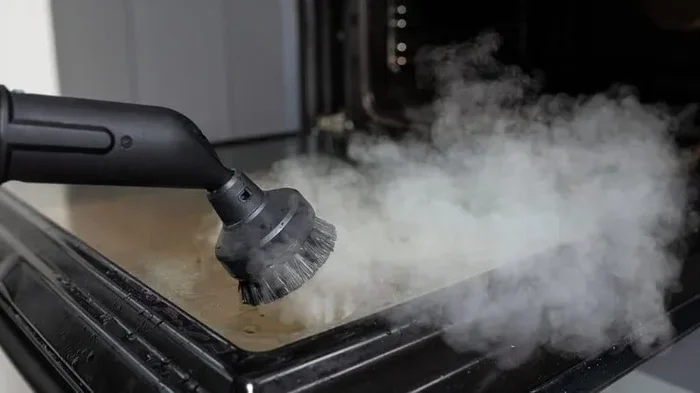
The oven interior should be cleaned periodically. If your gas oven range has a self-clean cycle, use it sparingly. The high heat can damage the oven’s electronics over time. For everyday spills, a non-abrasive oven cleaner or a steam-cleaning method is gentler. Always clean the oven when it’s cool to avoid burns.
Quick Tips: Gas Oven Range Maintenance
- Clean burner ports: Use a pin or needle to clear any clogged gas ports for a steady flame.
- Check the igniter: If the burner doesn’t light immediately, the igniter may need replacement.
- Inspect the gas line: Look for any signs of wear, cracks, or leaks near the connection.
- Use the right cookware: Flat-bottomed pots and pans ensure even heat and prevent damage to the cooktop.
Common Mistakes: Gas Oven Range Care
- Using abrasive pads: Steel wool can scratch the cooktop surface and damage the finish.
- Ignoring a yellow flame: A blue flame means proper combustion. A yellow or orange flame indicates a problem that needs professional attention.
- Overloading the oven: Blocking airflow with too many pans leads to uneven cooking and longer preheat times.
Long-Term Value and Durability
A quality gas oven range is a long-term investment. Stainless steel models tend to be the most durable and resistant to stains. They also add a timeless look to your kitchen. While the upfront cost may be higher, a well-built gas oven range can last 15 to 20 years with proper care.
Consider the warranty and brand reputation when making your purchase. Reputable brands often offer better customer service and longer warranties. This gives you peace of mind and protects your investment. Reading user reviews and expert ratings can also help you identify models that stand the test of time.
Final Verdict: How to Pick the Best Gas Oven Range for Your Kitchen
Choosing the right gas oven range comes down to understanding your needs and matching them with the right features. Whether you’re a casual cook or a culinary enthusiast, there’s a gas oven range that will serve you perfectly.
Start by measuring your kitchen space and determining the layout that works best. Decide between a freestanding, slide-in, or French door model based on your style and cabinet configuration. Pay close attention to the BTU ratings of the burners and the oven’s capacity and features. Safety features like flame failure devices and child locks should be non-negotiable.
Don’t forget about ventilation and installation. A proper gas line and a powerful range hood are essential for a safe and enjoyable cooking experience. With the right gas oven range, you’ll enjoy precise heat control, even cooking results, and a kitchen that feels like a professional chef’s domain.
Take your time, compare models, and trust your instincts. The best gas oven range is the one that fits your kitchen, your budget, and your cooking passion. Happy cooking!
Frequently Asked Questions
What is the ideal BTU range for a gas oven range cooktop burner?
The ideal BTU range for a cooktop burner depends on your cooking style. A high-output burner of 15,000 to 20,000 BTU is great for searing and stir-frying. A low-output burner of 5,000 to 7,000 BTU is perfect for simmering and delicate sauces. A good gas oven range should offer both high and low settings for versatility.
Can I install a gas oven range myself?
It is strongly recommended to have a licensed professional install your gas oven range. Improper gas line connections can lead to leaks, fire, or carbon monoxide hazards. A professional will also ensure the range is level, properly vented, and connected to the correct electrical outlet for the controls.
What is the difference between a gas oven range and a gas cooktop?
A gas oven range is a complete unit that includes both a cooktop and an oven below. A gas cooktop is just the top portion without an oven. A gas oven range provides a all-in-one cooking solution, while a cooktop is often paired with a separate wall oven for a built-in look.
How do I know if my kitchen has the right gas line for a gas oven range?
Most residential gas oven ranges require a 1/2-inch gas line with a dedicated shut-off valve. You can check with your local gas utility or a licensed plumber to verify that your existing line is properly sized and up to code. They can also advise on any necessary upgrades before installation.
Are French door gas oven ranges worth the extra cost?
French door gas oven ranges offer a premium look and convenient access. The double door design provides a wide viewing window and makes it easier to pull out large roasting pans without bending down. If you value aesthetics and easy access, and you have the budget, a French door gas oven range is absolutely worth it.
How often should I clean my gas oven range?
You should wipe down the cooktop after every use to prevent grease buildup. The oven interior should be cleaned every few weeks or as needed. Burner grates and caps should be removed and soaked monthly. Regular cleaning keeps your gas oven range performing at its best and prevents odors and flare-ups.