How To Make Beetroot Powder At Home Without The Oven
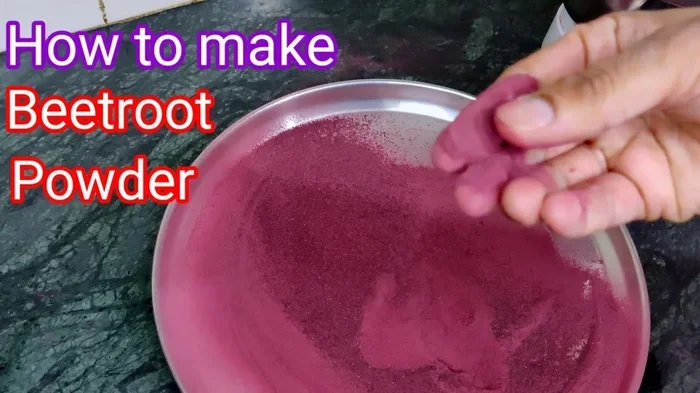
Making homemade beetroot powder is simple, affordable, and requires no oven at all. You can use sun drying, a dehydrator, or even a stovetop method to turn raw beetroot into a fine, nutrient-rich powder. This guide walks you through every step so you can create your own beetroot powder with ease.
Have you ever wondered how to make beetroot powder at home without using an oven? The good news is that it is much easier than you think. You do not need fancy equipment or years of cooking experience. With just a few simple steps, you can turn fresh beetroot into a fine, vibrant powder that adds nutrition and color to all kinds of dishes.
Beetroot powder has become incredibly popular in recent years. People use it in smoothies, juices, baked goods, and even as a natural food coloring. Store-bought versions can be pricey, and you never really know what is in them. Making your own homemade beetroot powder solves both problems. You control the quality, you save money, and you get a fresh product full of nutrients.
This guide covers every method you can use to create beetroot powder without an oven. Whether you have a dehydrator, access to sunlight, or just a regular stovetop, there is a method here for you. Let us dive in and get started.
Key Takeaways
- No oven needed: You can make beetroot powder using sun drying, a dehydrator, or stovetop methods.
- It is very simple: Only a few basic tools and fresh beetroot are required.
- Store-bought alternatives are expensive: Homemade beetroot powder saves money and avoids additives.
- Multiple uses: Use your powder in smoothies, soups, sauces, and as natural food coloring.
- Proper storage is key: Follow storage tips to keep your powdered beetroot fresh for months.
- Nutrient-rich: Homemade beetroot powder retains most of the vitamins and minerals found in raw beetroot.
- Start small: Practice with a small batch first before scaling up your beetroot powder recipe.
📑 Table of Contents
- Why Make Beetroot Powder at Home?
- What You Will Need to Get Started
- Method 1: Sun Drying Beetroot for Powder
- Method 2: Using a Food Dehydrator
- Method 3: Stovetop Drying Without an Oven
- How to Know When Your Beetroot Is Fully Dried
- Blending and Sifting Your Beetroot Powder
- Best Uses for Homemade Beetroot Powder
- How to Store Your Beetroot Powder Properly
- Common Mistakes to Avoid When Making Beetroot Powder
- Nutritional Benefits of Beetroot Powder
- Quick Tips for Perfect Beetroot Powder Every Time
- Conclusion
Why Make Beetroot Powder at Home?
Before we get into the how-to, let us talk about why you should even bother. There are many great reasons to make your own powdered beetroot at home.
It Saves Money
Store-bought beetroot powder can cost a lot. A small jar might set you back fifteen to thirty dollars. When you make it at home, the cost per serving drops dramatically. All you need is fresh beetroot, which is already affordable at most grocery stores.
You Know Exactly What Is In It
Many commercial beetroot powder brands add fillers, preservatives, or artificial ingredients. When you make it yourself, you know every single ingredient. It is pure, dried beetroot ground into a fine powder. No hidden surprises.
It Is Incredibly Versatile
Beetroot powder uses are nearly endless. You can add it to smoothies, mix it into soups, use it in baking, or even apply it as a natural dye for fabrics. Having a jar of homemade beetroot powder in your kitchen opens up a world of possibilities.
It Retains More Nutrients
When you dry beetroot at low temperatures using sun or a dehydrator, more nutrients survive compared to high-heat oven methods. Your beetroot powder will be rich in vitamins, minerals, and antioxidants. This makes it a great addition to a healthy diet.
What You Will Need to Get Started
One of the best things about making beetroot powder at home is that you do not need much equipment. Here is a simple list of what you will need.
Fresh Beetroot
Choose fresh, firm beetroot without soft spots or cracks. Organic beetroot is ideal because you will be using the skin too. However, regular beetroot works perfectly fine as well. Just make sure to wash it thoroughly.
A Knife and Cutting Board
You will need to slice your beetroot into thin pieces. A sharp knife and a sturdy cutting board make this step much easier and safer.
A Dehydrator or Sun-Drying Setup
This is the main tool for drying your beetroot without an oven. A food dehydrator is the most convenient option. If you do not have one, you can sun-dry your beetroot slices on a tray covered with mesh cloth. More on this below.
A Blender or Spice Grinder
Once your beetroot is completely dry, you will need a powerful blender or coffee grinder to pulverize it into a fine powder. A high-speed blender works best, but even a basic one can get the job done.
A Fine Mesh Strainer
This helps you sift out any larger chunks and ensures a smooth, fine beetroot powder texture.
An Airtight Container for Storage
Glass jars with tight-fitting lids work great. Mason jars are a popular and affordable choice for storing your powdered beetroot.
Method 1: Sun Drying Beetroot for Powder
Sun drying is the oldest and most natural way to dehydrate food. It requires no electricity and works wonderfully in warm, dry climates. This is a fantastic method if you want to make beetroot powder without an oven and without buying a dehydrator.
Step-by-Step Instructions
Follow these simple steps to sun-dry your beetroot and turn it into powder.
- Wash the beetroot thoroughly under running water. Scrub off any dirt.
- Peel the beetroot or leave the skin on. Leaving the skin on adds extra nutrients but may give the powder a slightly earthy color.
- Slice the beetroot into thin rounds, about one-eighth of an inch thick. The thinner the slices, the faster they dry.
- Arrange the slices on a drying rack or tray lined with parchment paper. Make sure the pieces do not overlap.
- Place the tray in a sunny, dry spot with good air circulation. A balcony, rooftop, or backyard table works well.
- Cover the tray with fine mesh cloth to keep insects away.
- Let the beetroot dry for two to four days depending on the weather. Turn the slices once a day for even drying.
- Check for dryness. The slices should be crispy and snap easily when bent. There should be no moisture left.
- Let the slices cool completely at room temperature.
- Blend the dried slices in a powerful blender or spice grinder until they form a fine powder.
- Sift the powder through a fine mesh strainer. Any larger pieces can go back into the blender for another round.
- Store the finished powder in an airtight jar in a cool, dark place.
Tips for Successful Sun Drying
- Choose a dry, low-humidity day to start your sun-dry beetroot project.
- Avoid drying on humid or rainy days. Moisture is the enemy of proper drying.
- Use multiple trays if you have a large batch. Spacing the slices out helps them dry faster.
- Bring the trays inside at night if dew forms. Moisture from dew can slow down the drying process.
Method 2: Using a Food Dehydrator
If you own a food dehydrator, making beetroot powder is incredibly easy and consistent. A dehydrator provides controlled heat and airflow, which means your dried beetroot comes out perfectly every time.
Step-by-Step Instructions
- Wash and peel your beetroot. Or leave the skin on for extra nutrition.
- Slice the beetroot into thin, even rounds. A mandoline slicer works great for uniform thickness.
- Arrange the slices on the dehydrator trays. Leave space between each piece for airflow.
- Set the temperature to between 125 and 135 degrees Fahrenheit. This low temperature preserves nutrients.
- Let the dehydrator run for eight to twelve hours. Check the slices after eight hours.
- The slices should be dry and crispy with no moisture left. They should break easily when bent.
- Allow the slices to cool completely before blending.
- Blend the dried slices into a fine powder using a high-speed blender.
- Sift and re-blend any larger pieces until you achieve a smooth consistency.
- Store in an airtight container away from heat and light.
Why a Dehydrator Works So Well
A dehydrator maintains a steady, low temperature throughout the drying process. This is ideal for preserving the beetroot nutrition in your final product. The consistent airflow also means no spots are left damp, which prevents mold growth. If you plan to make beetroot powder regularly, a dehydrator is a worthwhile investment.
Method 3: Stovetop Drying Without an Oven
Do not have a dehydrator or access to sunlight? No problem. You can use your stovetop to dry beetroot slices. This method uses very low heat and a heavy-bottomed pan or a stovetop dehydrator attachment.
How to Do It
Start by slicing your beetroot into very thin rounds. Place the slices in a single layer in a dry, heavy-bottomed pan on the lowest heat setting your stove offers. Keep the pan lid slightly ajar to allow moisture to escape.
Stir the slices every fifteen to twenty minutes. The drying process takes about four to six hours on the stovetop. You want the slices to become completely dry and crispy. Once dry, let them cool and then blend them into powder just like the other methods.
This stovetop method works well for small batches. It is not the most energy-efficient option, but it gets the job done when you need beetroot powder without an oven in a pinch.
How to Know When Your Beetroot Is Fully Dried
Drying your beetroot properly is the most important step in making great beetroot powder. If moisture remains, your powder will spoil quickly or develop mold. Here is how to tell if your dried beetroot is ready.
- The slices should be brittle and snap cleanly when bent.
- There should be no flexibility or softness left in the pieces.
- The color will darken significantly from the original deep red.
- The pieces should feel light and hollow, not heavy or rubbery.
- If you break a piece in half, the inside should be dry and pale, not moist or dark.
If you are unsure, give the slices more drying time. It is always better to over-dry slightly than to under-dry. Under-dried beetroot will ruin your powdered beetroot batch.
Blending and Sifting Your Beetroot Powder
Once your dried beetroot slices are completely cool, it is time to turn them into powder. This step requires a bit of patience but is very satisfying.
Blending Tips
- Use a high-speed blender for the smoothest results.
- Blend in small batches. Overfilling the blender can result in uneven powder.
- Pulse the blender rather than running it continuously. This prevents overheating.
- Let the blender rest for a few minutes between pulses to avoid motor burnout.
Sifting for a Fine Texture
After blending, pour the powder through a fine mesh strainer. Any chunks that do not pass through should go back into the blender. Repeat this process until all the powder is fine and smooth. The finer your beetroot powder, the better it blends into recipes and drinks.
Best Uses for Homemade Beetroot Powder
Now that you have your beautiful beetroot powder, what can you do with it? The options are truly endless.
Smoothies and Juices
Add a teaspoon or two of beetroot powder to your morning smoothie or juice. It boosts the nutritional content and gives a vibrant pink color. It pairs wonderfully with berries, banana, and spinach.
Baking
Use beetroot powder in muffins, pancakes, and bread. It adds a subtle earthy sweetness and a gorgeous natural color. It works as a great beetroot powder substitute for fresh beetroot in recipes.
Soups and Sauces
Stir a spoonful of beetroot powder into soups, stews, or marinara sauce. It thickens slightly and adds depth of flavor along with a beautiful reddish hue.
Natural Food Coloring
Looking for a natural way to color frostings, icings, or candies? Beetroot powder is a safe, food-grade alternative to artificial dyes. It works beautifully for red and pink coloring in desserts and drinks.
Health Supplements
Many people take beetroot powder as a daily supplement. It is rich in nitrates, which support blood flow and heart health. Simply mix it with water or juice and drink it as a daily tonic.
How to Store Your Beetroot Powder Properly
Proper storage is essential for keeping your homemade beetroot powder fresh and potent for months. Follow these simple storage guidelines.
- Use an airtight container. Glass jars with tight lids work best. Mason jars are perfect for this.
- Keep it in a cool, dark place. Avoid storing near the stove or in direct sunlight. Heat and light degrade the powder.
- Avoid moisture at all costs. Always use a completely dry spoon to scoop out your powder. Even a small amount of moisture can cause clumping or spoilage.
- Label your jar with the date of preparation. Homemade beetroot powder typically stays fresh for six to twelve months when stored properly.
- For long-term storage, you can store the jar in the refrigerator or freezer to extend the shelf life even further.
Taking the time to store your beetroot powder correctly ensures you get the most out of your hard work. A well-stored jar of powdered beetroot will maintain its color, flavor, and nutritional value for many months.
Common Mistakes to Avoid When Making Beetroot Powder
Even though making beetroot powder is straightforward, there are a few common mistakes that can ruin your batch. Here is what to watch out for.
Slicing the Beetroot Too Thick
If your slices are too thick, they will not dry evenly or completely. Always aim for thin, uniform slices. A mandoline slicer is a great investment for this purpose.
Not Drying Long Enough
Under-dried beetroot is the number one cause of spoiled beetroot powder. Make sure every piece is completely crispy and dry before blending. Any remaining moisture leads to mold and spoilage.
Blending While Still Warm
Never blend warm beetroot slices. The residual heat creates condensation inside the blender, which introduces moisture. Always let the dried slices cool completely to room temperature first.
Using a Weak Blender
A weak or small blender will struggle with dried beetroot. You will end up with a coarse, gritty powder instead of a fine, smooth one. Invest in a high-speed blender or use a dedicated coffee grinder for best results.
Storing in a Clear Container in Direct Light
Light degrades the nutrients and color of your beetroot powder over time. Always store in a dark place or use an opaque container.
Nutritional Benefits of Beetroot Powder
Why is everyone so excited about beetroot powder? The answer lies in its impressive nutritional profile. Beetroot nutrition is genuinely remarkable, and drying it into powder concentrates many of these benefits.
Beetroot powder is rich in dietary nitrates, which the body converts into nitric oxide. Nitric oxide helps widen blood vessels, which supports healthy blood pressure and improves blood flow. This is why many athletes use beetroot powder as a natural performance enhancer.
The powder is also packed with antioxidants, particularly betalains, which give beetroot its deep red color. These antioxidants help fight inflammation and protect your cells from oxidative stress. Additionally, beetroot powder contains iron, folate, manganese, and vitamin C, all in concentrated form.
Adding a spoonful of beetroot powder to your daily routine is one of the simplest ways to boost your overall nutrition. It is a whole food supplement that comes straight from nature.
Quick Tips for Perfect Beetroot Powder Every Time
- Start with small beetroot for more even drying and a finer powder.
- Pat dry the slices with a towel before placing them on your drying tray.
- Rotate your trays or slices regularly for consistent drying results.
- Use a coffee grinder for the finest, most uniform beetroot powder texture.
- Add a desiccant packet to your storage jar to absorb any remaining moisture.
- Experiment with blending your beetroot powder with other dried powders like turmeric or ginger for custom spice mixes.
- Taste your powder before storing. If it has any chewiness left, it needs more drying time.
Conclusion
Making beetroot powder at home without an oven is a rewarding and straightforward process. Whether you choose to sun dry, use a dehydrator, or dry on your stovetop, the result is the same: a vibrant, nutrient-dense powder that enhances your food and your health.
With just a few simple tools and some fresh beetroot, you can create your own homemade beetroot powder that rivals or even beats store-bought options. The process is forgiving, the methods are easy, and the payoff is huge. You get a pure, additive-free beetroot powder that you can feel good about using in your kitchen every single day.
So grab some fresh beetroot, pick your favorite drying method, and give it a try. Once you see how simple and satisfying it is, you will never go back to buying expensive jars from the store. Your beetroot powder recipe journey starts today, and it is easier than you ever imagined.
Frequently Asked Questions
Can I make beetroot powder without a dehydrator or oven?
Yes, absolutely. Sun drying is the most traditional method and requires no special equipment. You simply place thin beetroot slices on a tray in direct sunlight for two to four days. As long as you have warm, dry weather and good air circulation, you can make beetroot powder without an oven or any electric device.
How long does homemade beetroot powder last?
When stored properly in an airtight container in a cool, dark place, your homemade beetroot powder stays fresh for six to twelve months. Refrigeration or freezing can extend the shelf life even further. Always use a dry spoon to scoop the powder to prevent moisture contamination.
Is beetroot powder good for health?
Yes, beetroot powder is packed with nutrients. It is rich in dietary nitrates, which support blood flow and healthy blood pressure. It also contains antioxidants called betalains, along with iron, folate, and vitamin C. It is an excellent natural supplement for overall health and wellness.
Can I use beetroot powder as a substitute for fresh beetroot in recipes?
Absolutely. Beetroot powder works as a great substitute for fresh beetroot in most recipes. A general rule is one teaspoon of powder equals about one small beetroot. It is especially convenient for smoothies, baking, and sauces where you want the flavor and color without the bulk of fresh beetroot.
Why is my beetroot powder clumpy or not fine enough?
This usually happens for two reasons. First, the beetroot slices may not have been dried completely. Any remaining moisture causes clumping. Second, your blender may not be powerful enough. Try using a high-speed blender or a dedicated coffee grinder, and sift the powder through a fine mesh strainer for the smoothest results.
Can I make beetroot powder from cooked beetroot?
While you can, it is best to use raw beetroot for making powdered beetroot. Raw beetroot retains more nutrients and dries more evenly. Cooked beetroot contains more moisture, which can make the drying process longer and less predictable. If you must use cooked beetroot, spread it very thinly and allow extra drying time.