What Can I Use Instead Of An Oven For Delicious Meals
Finding out what can I use instead of an oven is easier than you think. Whether you own an air fryer, a slow cooker, or just a stovetop, you can still cook incredible meals. This guide covers every practical alternative, from countertop appliances to outdoor cooking methods, so you never have to miss out on great food again.
Have you ever stood in front of a broken oven, staring at a recipe that demands one? Or maybe you just moved into a tiny apartment with no oven at all. Whatever the reason, you are not stuck. There are plenty of ways to cook amazing food without a traditional oven. The good news is that what can I use instead of an oven is a question with a really satisfying answer. You might be surprised by how many tools and methods can step in and deliver delicious meals every single day.
Cooking without an oven is not just a temporary fix. It can actually become a fun and creative way to prepare food. Air fryers, slow cookers, stovetop techniques, and even outdoor grills can handle tasks that people usually assign to ovens. From roasting vegetables to baking cookies, there is a workaround for almost everything. Let us dive into the best alternatives and help you find the perfect solution for your kitchen.
Key Takeaways
- Air fryers are the top oven alternative: They use rapid hot air to crisp and bake food with less oil and faster cook times.
- Stovetop methods work surprisingly well: Skillets, Dutch ovens, and steaming pots can handle baking, roasting, and more.
- Slow cookers and pressure cookers save time: They deliver tender, flavorful results without needing any oven at all.
- Outdoor cooking opens up new options: Grills, campfires, and portable smokers can replace oven baking and roasting duties.
- Microwaves and electric skillets fill the gap: They handle quick meals, reheating, and even some baking tasks.
- No single tool replaces everything: The best approach is combining multiple alternatives based on what you are cooking.
- Small kitchen appliances are game changers: They save counter space, energy, and still produce restaurant-quality dishes.
📑 Table of Contents
- Why You Might Need an Oven Alternative
- Air Fryer: The Best Oven Replacement
- Stovetop Cooking Methods That Replace an Oven
- Slow Cooker and Pressure Cooker Alternatives
- Outdoor and Portable Cooking Options
- Microwave and Electric Skillet Solutions
- Combining Methods for the Best Results
- Final Thoughts on Cooking Without an Oven
Why You Might Need an Oven Alternative
People look for oven replacements for many different reasons. Some live in small spaces where a full oven does not fit. Others have a broken oven and cannot afford a replacement right away. Travel, dorm life, and camping trips also leave people searching for alternative cooking methods. No matter the reason, knowing your options gives you confidence in the kitchen.
Here are the most common situations where you might need a substitute:
- Broken or malfunctioning oven: Repair costs can be high, so using another tool saves money and time.
- Small kitchen or apartment living: Many rentals come with only a stovetop and a microwave.
- Dorm rooms or shared housing: Common areas may not allow full-size ovens.
- Camping or outdoor trips: You want hot, cooked meals without carrying a heavy oven.
- Energy savings: Smaller appliances use less power than heating a full oven.
- Summer cooking: Avoiding oven heat keeps your kitchen cool on hot days.
No matter which situation applies to you, the solutions below will help you cook with confidence and ease.
Air Fryer: The Best Oven Replacement
If you are looking for the single best oven alternative, the air fryer wins hands down. This countertop appliance circulates hot air rapidly around food, creating a crispy exterior and a cooked-through interior. It works remarkably well for roasting, baking, frying, and even reheating leftovers.
How an Air Fryer Mimics Oven Results
An air fryer uses a powerful fan and a heating element to create convection cooking. This is the same principle that many modern ovens use. The difference is that an air fryer concentrates the heat in a much smaller space, which means food cooks faster and more evenly. Most recipes that call for an oven can be adapted easily for an air fryer.
Here is what you can cook in an air fryer:
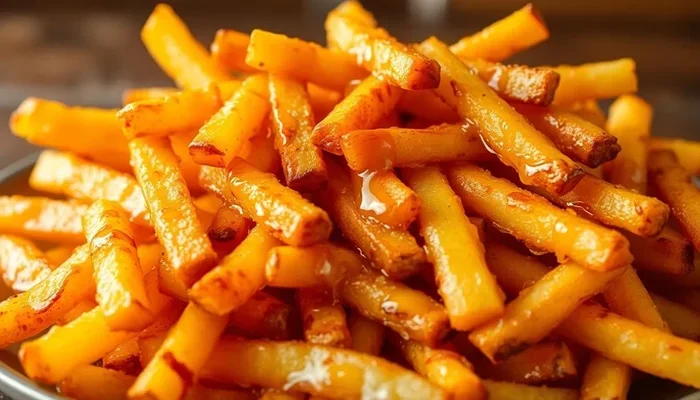
- Roasted vegetables: Toss broccoli, potatoes, or carrots with oil and seasoning, then air fry at 400°F for 12 to 15 minutes.
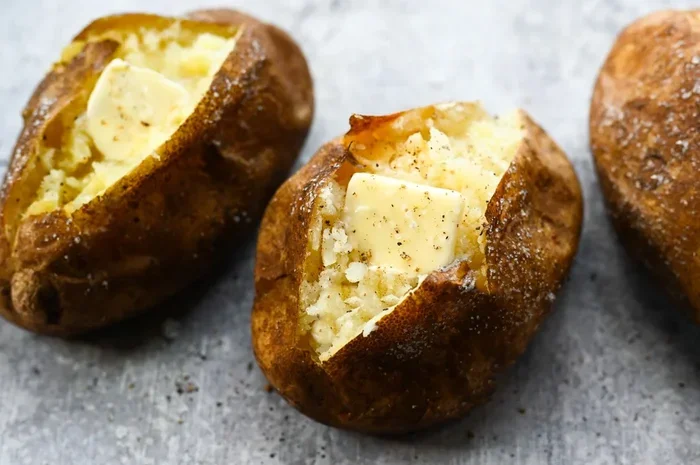
- Baked potatoes: A whole potato comes out fluffy inside with crispy skin in about 40 minutes.
- Chicken and fish: Both get beautifully golden without deep frying.
- Cakes and muffins: Small batches of baked goods turn out wonderfully.
- Reheating leftovers: Pizza, fries, and roasted meats stay crispy instead of getting soggy.
Air Fryer vs. Toaster Oven vs. Full Oven
People often compare air fryers to toaster ovens and full-size ovens. Here is a quick look at how they stack up:
| Feature | Air Fryer | Toaster Oven | Full Oven |
|---|---|---|---|
| Preheat Time | 1 to 3 minutes | 5 to 8 minutes | 10 to 15 minutes |
| Counter Space | Compact | Moderate | Large (built-in) |
| Energy Use | Low | Medium | High |
| Capacity | Small to medium | Small to medium | Large |
| Crisping Ability | Excellent | Good | Good |
| Price Range | $50 to $250 | $40 to $200 | Varies widely |
Quick Tip: When converting oven recipes for your air fryer, reduce the temperature by about 25°F and check food a few minutes earlier than the original recipe suggests.
The air fryer has become one of the most popular small kitchen appliances for good reason. It is fast, efficient, and incredibly versatile. If you do not own one yet, it might be the best investment you can make for cooking without an oven.
Stovetop Cooking Methods That Replace an Oven
Your stovetop is more powerful than you might think. With the right tools and techniques, you can handle many oven tasks directly on the burner. Stovetop cooking opens up a world of possibilities when you do not have access to an oven.
Using a Cast Iron Skillet
A cast iron skillet is one of the most versatile tools in any kitchen. It distributes heat evenly and holds it strongly, making it perfect for tasks people usually do in an oven. You can sear meat on the stovetop and then transfer the skillet to a low oven, but even without an oven, a cast iron skillet does a lot.
Try these stovetop-only techniques:
- One-pan roasting: Cook chicken thighs or pork chops by searing them first, then covering the pan and cooking on low heat until tender.
- Stovetop baking: Yes, you can bake cornbread or sheet pan cookies in a cast iron skillet on the stove. Use a diffuser to distribute heat gently.
- Frittatas and omelets: A skillet handles these perfectly with a lid to finish cooking the top.
The Dutch Oven Trick
A Dutch oven is a heavy, thick-walled pot that works beautifully on the stovetop. Many people use Dutch ovens in the oven, but they shine on the burner too. The thick walls trap heat and create an environment similar to an oven, especially when you use a tight-fitting lid.
You can braise meats, simmer soups, and even bake bread in a Dutch oven on the stovetop. The key is using low to medium heat and being patient. This method is perfect for slow, even cooking that produces tender, flavorful results.
Steaming and Poaching for Healthy Cooking
Not everything needs to be roasted or baked. Steaming and poaching are gentle stovetop cooking methods that produce healthy, flavorful meals. A simple pot with a steamer basket can cook fish, vegetables, and dumplings beautifully. Poaching eggs and chicken in simmering water is another great option that requires zero oven time.
Expert Insight: Chefs often say that the stovetop is the most underrated cooking surface. With practice, you can prepare entire meals using only a burner and a few quality pots and pans.
Slow Cooker and Pressure Cooker Alternatives
When the question is what can I use instead of an oven, slow cookers and pressure cookers often come up. These appliances handle cooking tasks that ovens do very well, especially for dishes that need long, gentle heat.
Slow Cooker: Set It and Forget It
A slow cooker is perfect for busy people who want to come home to a hot, ready meal. You add ingredients in the morning, set the temperature, and by evening, you have a fully cooked dish. Slow cookers excel at braising meats, making soups, stews, and even baking desserts like bread puddings or cobblers.
Benefits of using a slow cooker include:
- Hands-off cooking: No need to stir or monitor closely.
- Energy efficient: Uses far less electricity than a full oven.
- Tender results: Low and slow cooking breaks down tough cuts of meat beautifully.
- Batch cooking: Make large portions and freeze leftovers for easy meals later.
Pressure Cooker: Fast and Flavorful
If you need food ready in a fraction of the time, a pressure cooker is your best friend. Electric pressure cookers like the Instant Pot have become incredibly popular because they combine multiple functions in one device. You can sauté, steam, slow cook, and pressure cook all in the same pot.
Pressure cooking uses trapped steam and high pressure to raise the boiling point of water, which speeds up cooking dramatically. A pot roast that takes three hours in an oven can be done in about 45 minutes in a pressure cooker. Beans, grains, and tough cuts of meat all benefit from this method.
Common Mistake: Do not overfill your pressure cooker. Always leave at least one-third of the pot empty to allow steam to build up properly and ensure safe operation.
Outdoor and Portable Cooking Options
Not having an indoor oven does not mean you cannot roast, bake, or grill. Outdoor cooking methods offer fantastic alternatives that many people overlook entirely.
Grilling as an Oven Replacement
A grill can handle many of the same tasks an oven does. You can roast vegetables, cook meats, and even bake pizza on a grill. The direct heat from charcoal or gas gives food a smoky flavor that an oven simply cannot replicate. If you have access to a backyard grill, you already have a powerful cooking tool.
Grilling tips for oven-style cooking:
- Use indirect heat: Turn off one side of the grill and place food on the cooler side. This mimics the gentle, even heat of an oven.
- Invest in a grill pan: A cast iron grill pan lets you achieve oven-like results on your stovetop.
- Use a pizza stone: Place a pizza stone on the grill grate for crispy, oven-style pizza at home.
Campfire and Portable Cooking
For camping trips or backyard gatherings, campfire cooking is a timeless method. A simple grate over hot coals can roast vegetables, cook meats, and even bake bread wrapped in foil. Portable camp ovens and rocket stoves are also excellent options for outdoor alternative cooking methods that do not require a traditional oven.
Portable Ovens and Countertop Ranges
If you need something more permanent but still portable, consider a portable oven or a countertop range with an oven function. These units are smaller than a full oven but offer more cooking flexibility than an air fryer alone. They work well for RV living, small kitchens, and anyone who wants a dedicated baking setup without a full-size built-in oven.
Microwave and Electric Skillet Solutions
Sometimes you just need a quick meal without turning on a big appliance. The microwave and electric skillet are two underrated tools that can handle plenty of cooking tasks.
What Can the Microwave Really Do?
Most people think of a microwave as a reheating tool, but it can do much more. You can steam vegetables, cook oatmeal, make scrambled eggs, and even bake certain desserts. Microwave mug cakes have become incredibly popular, and they are a great example of how versatile this appliance can be.
Here are some surprising microwave uses:
- Steaming fish: Place fish in a microwave-safe dish with a little water and cover. Cook for 3 to 5 minutes for perfectly steamed fish.
- Baking potatoes: A potato cooks in about 5 to 7 minutes in the microwave, much faster than waiting for an oven to preheat.
- Melting chocolate and butter: Essential for baking and cooking without an oven.
- Cooking grains: Rice and quinoa cook well in a microwave with the right water ratio.
The Electric Skillet: A Hidden Gem
An electric skillet is one of the most underrated small kitchen appliances for cooking without an oven. It provides even, adjustable heat across a flat surface, and many models have lids that trap heat the way an oven does. You can fry, sauté, steam, and even bake in an electric skillet.
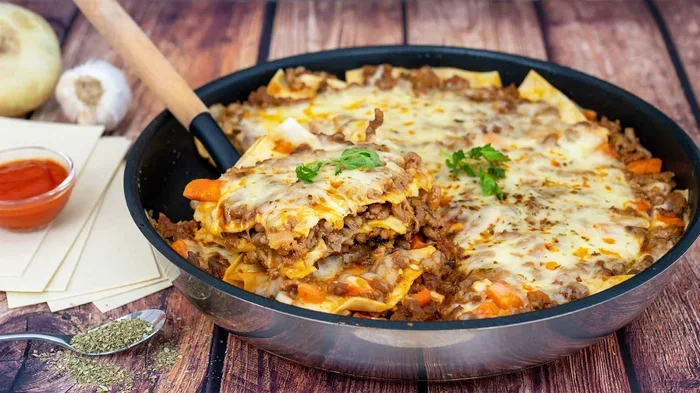
Try making a sheet cake, cinnamon rolls, or even a lasagna in an electric skillet. The key is using a deep skillet with a tight-fitting lid and keeping the heat low and steady. The results can genuinely surprise you.
Quick Tip: When baking in an electric skillet, place a thin wire rack inside the skillet and use parchment paper. This lifts the food off the direct heat surface and promotes more even cooking.
Combining Methods for the Best Results
No single appliance replaces every function of a full oven, but combining tools gives you incredible flexibility. Many home cooks use a stovetop to oven transition in reverse, starting on the stove and finishing with a broiler or a quick blast in an air fryer.
Here is a practical approach to cooking without an oven:
- Plan your meals around available tools: If you have an air fryer, build your weekly menu around it. If you only have a stovetop, focus on skillet meals and slow cooker recipes.
- Use multiple tools for one dish: Sear meat on the stovetop, then finish it in a slow cooker or air fryer.
- Batch cook and freeze: Use your slow cooker or pressure cooker to prepare large meals and save portions for later.
- Experiment with no-bake recipes: Salads, cold pasta dishes, wraps, and overnight oats fill the gap when you do not need any heat at all.
The beauty of cooking without an oven is that it pushes you to be more creative. You discover new techniques, new flavors, and new favorites that you might never have tried otherwise. Many people who cook without a traditional oven say they actually enjoy the process more because it forces them to think differently about food.
Common Mistakes to Avoid When Cooking Without an Oven
Even experienced cooks run into trouble when they switch to alternative methods. Here are some pitfalls to watch for:
- Overcrowding the air fryer or skillet: This leads to uneven cooking and soggy food. Give each piece of food space to breathe.
- Skipping the preheat: Even air fryers and electric skillets benefit from a quick preheat before cooking.
- Ignoring temperature differences: Stovetop heat is more direct than oven heat, so adjust cooking times accordingly.
- Not using a lid: A lid traps heat and creates an oven-like environment, which is essential for many stovetop methods.
- Using the wrong pan size: A pan that is too small or too large affects how food cooks. Match the pan to the task.
Avoiding these mistakes helps you get better results faster and builds your confidence in the kitchen.
Final Thoughts on Cooking Without an Oven
So, what can I use instead of an oven? The answer is almost anything. From air fryers and slow cookers to cast iron skillets and grills, the options are abundant and exciting. You do not need a traditional oven to cook meals that are delicious, satisfying, and worthy of a dinner table. The right combination of tools and techniques opens up a whole new world of cooking.
Start with one or two alternatives that fit your lifestyle and kitchen setup. Practice with simple recipes, and gradually build your confidence. Before long, you will be creating meals that rival anything a full-size oven can produce. The key is to stay curious, keep experimenting, and enjoy the process. Cooking without an oven is not a limitation, it is an opportunity to grow as a cook and discover skills you never knew you had.
Every great cook knows that flexibility in the kitchen is one of the most valuable skills. So embrace the alternatives, try new methods, and make the most of whatever tools you have. Your next delicious meal is closer than you think.
Frequently Asked Questions
Can I bake without an oven?
Yes, absolutely. You can bake using an air fryer, electric skillet, slow cooker, or even a stovetop method with a cast iron skillet and a lid. Many cake, bread, and cookie recipes have been successfully adapted for these alternative cooking methods.
Is an air fryer really a good oven replacement?
For most cooking tasks, an air fryer works as an excellent oven replacement. It uses rapid hot air to cook food quickly and evenly. While it has a smaller capacity than a full oven, it handles roasting, baking, and reheating with impressive results.
What is the most energy-efficient alternative to an oven?
An air fryer and a microwave are the most energy-efficient alternatives. They use significantly less electricity than heating a full-size oven, especially for small to medium meals. Slow cookers are also very efficient for long-cooking dishes.
Can I roast vegetables without an oven?
Yes, you can roast vegetables on a stovetop using a cast iron skillet or a grill pan. An air fryer also produces excellent roasted vegetables with crispy edges and tender centers in a fraction of the time.
Do I need special equipment to cook without an oven?
Not necessarily. A good quality stovetop skillet, a Dutch oven, and a few basic pots and pans can handle most cooking tasks. Adding an air fryer or slow cooker expands your options even further.
Can I make pizza without an oven?
Yes, you can make pizza on a stovetop using a grill pan or an electric skillet. You can also cook pizza on a grill outdoors. For a quick option, a microwave can make a simple pizza using tortillas as the base.