How To Make Tender Salmon In The Oven With This Easy Recipe
Discover how to make tender salmon in the oven with this simple, foolproof recipe. You will learn the ideal oven temperature, seasoning tips, and cooking times to get perfectly flaky, juicy salmon every single time. Whether you are a beginner or a busy weeknight cook, this easy salmon recipe will become your go-to dinner solution.
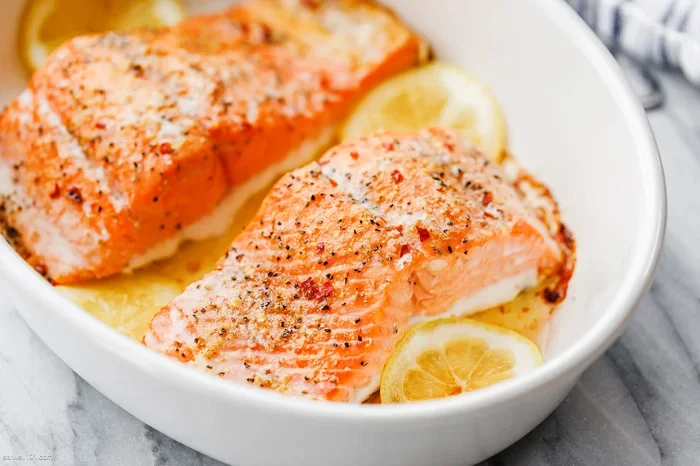
There is something magical about a perfectly baked salmon fillet. The outside turns golden and slightly crispy, while the inside stays soft, buttery, and incredibly tender. If you have ever struggled with dry, overcooked salmon in the oven, you are not alone. Many home cooks find it tricky to get that restaurant-quality result at home.
The good news is that how to make tender salmon in the oven is much simpler than you think. With the right temperature, a few simple ingredients, and a little patience, you can create oven-baked salmon that rivals any fine dining dish. This easy salmon recipe will walk you through every step, from choosing the right fillet to pulling it out of the oven at the perfect moment.
Whether you are cooking for a family dinner, a date night at home, or just looking for a healthy meal idea, this guide has everything you need. We will cover salmon cooking time, the best oven temperature for salmon, seasoning ideas, and common mistakes to avoid. By the end, you will feel confident enough to bake salmon like a pro.
Key Takeaways
- Perfect Temperature: Bake salmon at 400°F for juicy, tender results every time.
- Simple Seasoning: A few pantry staples like olive oil, garlic, and lemon make amazing salmon.
- Skin-On Cooking: Cooking salmon skin-side down gives you crispy skin and flaky meat.
- Timing Matters: Most fillets cook in 12 to 15 minutes, making this a fast weeknight meal.
- Internal Temp Check: Use a thermometer to ensure your salmon reaches 145°F for food safety.
- Resting Step: Let the salmon rest for a few minutes after baking for maximum juiciness.
- Versatile Recipe: This base recipe works with many flavor variations like honey garlic and lemon herb.
📑 Table of Contents
- Why Oven-Baked Salmon Is the Best Weeknight Dinner
- Choosing the Best Salmon for Oven Baking
- The Perfect Oven Temperature and Timing
- Seasoning Your Salmon for Maximum Flavor
- Step-by-Step Instructions for Perfect Oven Salmon
- Common Mistakes That Make Salmon Dry and Bland
- Expert Tips for Restaurant-Quality Salmon at Home
- Serving Suggestions and Side Dish Ideas
- Frequently Asked Questions
- Conclusion
Why Oven-Baked Salmon Is the Best Weeknight Dinner
Baked salmon is one of the most popular healthy dinner recipes for good reason. It is fast, nutritious, and incredibly versatile. A salmon fillet cooks in about 15 minutes, which makes it perfect for busy weeknights when you want something delicious without spending hours in the kitchen.
Salmon is packed with omega-3 fatty acids, protein, and essential vitamins. It is one of the most nutritious healthy protein options you can choose. And when you bake it in the oven, you do not need to watch it constantly or flip it halfway through. You can prep your sides, set the table, or relax while the oven-baked salmon does all the work.
Easy salmon dinner ideas are endless with this fish. You can pair it with roasted vegetables, rice, quinoa, or a fresh salad. The mild, rich flavor of salmon works well with almost any side dish. This makes it a go-to choice for meal planning and weekly menus.
Benefits of Baking Salmon Over Other Methods
- Minimal Effort: Season it, place it on a pan, and pop it in the oven.
- Consistent Results: The oven provides even heat, reducing the risk of uneven cooking.
- Crispy Skin: Baking skin-side down gives you perfectly crispy salmon skin without extra fuss.
- Easy Cleanup: One baking sheet and you are done.
- Scales Easily: You can bake multiple fillets at once for a crowd.
Choosing the Best Salmon for Oven Baking
The foundation of great oven-baked salmon starts with selecting the right fish. Not all salmon is created equal, and your choice will impact the final texture and flavor of your dish. Understanding what to look for will help you make better decisions at the store or fish market.
Fresh vs. Frozen Salmon
You can absolutely use frozen salmon for this recipe. In fact, many high-quality salmon fillets are flash-frozen right after being caught, which locks in freshness. If you buy frozen salmon, thaw it overnight in the refrigerator before baking. This slow thaw helps the fish retain moisture, which is key to getting tender salmon.
Fresh salmon is wonderful when you can find it. Look for bright, vibrant color and a clean, ocean-like smell. Avoid any fillets that look dull, discolored, or have a strong fishy odor. Fresh salmon filet should feel firm but slightly soft when you press it gently.
Skin-On vs. Skin-Off Fillets
For the best results, choose skin-on salmon. The skin acts as a protective layer during baking. It keeps the delicate flesh moist and helps the fillet hold its shape. Plus, when baked correctly, crispy salmon skin becomes a delicious treat on its own.
Skin-off fillets can work too, but they require more careful attention. Without the skin, the fish can dry out faster, and the salmon cooking time may be slightly shorter. If you only have skinless fillets, consider lowering the oven temperature by 10 degrees and checking the fish a few minutes early.
What to Look for at the Store
- Bright orange or pink color with no brown spots.
- Firm texture that springs back when touched.
- Fresh, mild smell (not overly fishy).
- Consistent thickness for even cooking.
- No gaps between the flesh layers.
The Perfect Oven Temperature and Timing
This is where the magic happens. Getting the right oven temperature for salmon is the single most important factor in making tender salmon in the oven. Too hot, and the outside dries out before the inside is cooked. Too low, and the fish takes too long and can become chalky.
Recommended Oven Temperature
The sweet spot for baking salmon is 400°F (200°C). This temperature is hot enough to create a beautiful golden crust on the outside while keeping the inside moist and flaky salmon. It also cooks the fish quickly, which helps prevent overcooking.
If you prefer a slightly slower cook for thicker fillets, you can drop the temperature to 375°F. This gives you a bit more control, especially if your salmon fillet is an inch thick or more. The salmon cooking time will increase by about 3 to 5 minutes at this lower temperature.
How Long to Bake Salmon
A standard salmon fillet that is about 1 inch thick will take 12 to 15 minutes at 400°F. Thinner fillets may be done in as little as 8 to 10 minutes. Thicker cuts might need 18 to 20 minutes. The best way to know when your baked salmon is ready is to use an instant-read thermometer.
The ideal salmon internal temperature is 145°F (63°C) measured at the thickest part of the fillet. At this temperature, the fish will be fully cooked but still tender and juicy. If you prefer your salmon slightly less done, pull it at 135°F to 140°F. The fish will continue to cook slightly as it rests on the hot pan.
| Fillet Thickness | Oven Temp | Approximate Cooking Time | Internal Temp Target |
|---|---|---|---|
| Thin (0.5 inch) | 400°F | 8-10 minutes | 140-145°F |
| Standard (1 inch) | 400°F | 12-15 minutes | 145°F |
| Thick (1.5 inch) | 400°F | 16-20 minutes | 145°F |
| Any thickness | 375°F | Add 3-5 minutes | 145°F |
Seasoning Your Salmon for Maximum Flavor
One of the best things about oven-baked salmon is how little seasoning it needs. The fish has a naturally rich, buttery flavor that shines with just a few simple ingredients. You can keep it classic or get creative with different salmon seasoning blends.
The Basic Seasoning Mix
For a simple yet delicious base, start with these pantry staples:
- Two tablespoons of extra virgin olive oil.
- One clove of garlic, minced finely.
- Half a lemon, juzed and zested.
- Half a teaspoon of salt.
- Quarter teaspoon of black pepper.
- A pinch of paprika for color and mild warmth.
Mix the olive oil, garlic, lemon juice, and seasonings in a small bowl. Brush the mixture generously over the salmon fillet before placing it on the baking sheet. The olive oil helps the seasonings stick to the fish and promotes even browning in the oven.
Flavor Variations to Try
Once you master the basic method, you can experiment with different flavor profiles. Here are some salmon dinner ideas that work beautifully in the oven:
- Honey Garlic Salmon: Add one tablespoon of honey to the basic mix for a sweet and savory glaze.
- Lemon Herb Salmon: Toss on fresh dill, thyme, and rosemary with extra lemon zest.
- Asian-Inspired Salmon: Use soy sauce, sesame oil, ginger, and a touch of honey.
- Garlic Butter Salmon: Melt butter with garlic and parsley for a rich, indulgent flavor.
- Mediterranean Salmon: Top with olives, capers, sun-dried tomatoes, and feta cheese.
Each variation takes the same basic baked salmon approach and transforms it into a completely different meal. This is what makes how to make tender salmon in the oven so appealing. It is a blank canvas for your creativity.
Quick Tips for Best Seasoning Results
- Season the salmon at least 15 minutes before baking. This lets the flavors penetrate the fish.
- Do not overseason. Salmon has a delicate flavor that can be overwhelmed by too many strong spices.
- Pat the fillet dry with a paper towel before seasoning. This helps achieve crispy skin.
- Use fresh garlic for the best flavor. Jarred garlic works in a pinch but lacks the same brightness.
Step-by-Step Instructions for Perfect Oven Salmon
Now that you have your salmon selected and seasoned, it is time to bake. Follow these simple steps for tender, juicy salmon every single time.
Step 1: Prep Your Baking Sheet
Line a baking sheet with parchment paper or a silicone baking mat. This prevents the salmon from sticking and makes cleanup a breeze. If you do not have parchment paper, a light coat of olive oil on the sheet will also work.
Step 2: Pat the Salmon Dry
Use a paper towel to gently pat the salmon fillet dry on both sides. Removing surface moisture is essential for getting crispy salmon skin. The drier the surface, the better the sear and texture will be after baking.
Step 3: Season Generously
Brush your chosen seasoning mix over the entire fillet. Pay extra attention to the top and sides. If using skin-on salmon, you can also add a light brush of oil to the skin side. This helps it crisp up beautifully in the oven.
Step 4: Place Skin-Side Down
Set the fillet skin-side down on the prepared baking sheet. This is the most important placement decision. The skin protects the delicate flesh from direct heat and renders out naturally, creating that satisfying crunch.
Step 5: Bake at 400°F
Place the baking sheet on the center rack of your preheated oven. Bake for 12 to 15 minutes for a standard 1-inch fillet. Do not open the oven door too often during cooking. Each time you open it, the temperature drops, which can affect the salmon cooking time and texture.
Step 6: Check the Internal Temperature
Use an instant-read thermometer inserted into the thickest part of the fillet. When it reads 145°F, your oven-baked salmon is done. If you do not have a thermometer, look for the flesh turning opaque and flaking easily with a fork.
Step 7: Let It Rest
This step is often overlooked but makes a big difference. Let the salmon rest on the hot baking sheet for 3 to 5 minutes after removing it from the oven. The residual heat continues to cook the fish gently, and the juices redistribute throughout the fillet. This resting period is what separates good salmon from truly tender salmon in the oven.
Common Mistakes That Make Salmon Dry and Bland
Even experienced cooks sometimes make mistakes that lead to dry, overcooked baked salmon. Knowing what to avoid will save you from disappointing dinners and wasted ingredients.
Mistake 1: Baking at Too High a Temperature
Some recipes call for very high heat, like 450°F or even 500°F. While this can create a nice crust, it also increases the risk of drying out the fish. Stick to 400°F for the most reliable results. This temperature gives you a good balance of crispy exterior and moist, flaky salmon inside.
Mistake 2: Overcooking the Fish
Salmon continues to cook after you remove it from the oven. This carryover cooking means you should pull the fillet out a few degrees before it reaches the target temperature. If you wait until the internal temp hits 150°F, the salmon will likely be dry and overdone by the time it reaches the table.
Mistake 3: Skipping the Parchment Paper
Baking directly on a bare sheet pan can cause the salmon to stick and can create uneven heat distribution. Parchment paper provides a gentle, even cooking surface and makes cleanup effortless. It is a small step that makes a noticeable difference.
Mistake 4: Not Patting the Fish Dry
Moisture on the surface of the salmon creates steam instead of allowing the skin to crisp. This leads to soggy, flabby skin and a less appealing texture. Taking 30 seconds to pat the fillet dry with a paper towel is a simple step that pays off big time.
Mistake 5: Cutting Into the Salmon Too Soon
Resist the urge to cut into the fillet immediately after taking it out of the oven. Cutting releases the juices that are still redistributing. Let it rest for a few minutes, and you will be rewarded with a much juicier, more flavorful piece of fish.
Expert Tips for Restaurant-Quality Salmon at Home
Professional chefs use a few tricks that make their oven-baked salmon stand out. These techniques are easy to adopt at home and will elevate your fish from ordinary to extraordinary.
Bring the salmon to room temperature before baking. Take the fillet out of the refrigerator 15 to 20 minutes before cooking. This ensures the fish cooks evenly from edge to center. Cold fish going into a hot oven can result in a temperature gradient, with the outside overcooked and the center still cold.
Use a hot baking sheet. Preheating your baking sheet in the oven before placing the salmon on it creates an immediate sear on the bottom. This is especially helpful for achieving crispy salmon skin. Just be careful when handling the hot pan and use oven mitts.
Add a finishing touch. A small dollop of butter, a squeeze of fresh lemon, or a sprinkle of flaky sea salt right after the salmon comes out of the oven adds a beautiful finishing flavor. This last-minute addition gives the dish a restaurant-quality feel with minimal effort.
Invest in a good instant-read thermometer. This single tool will transform your cooking. It removes all the guesswork and takes the stress out of knowing when your salmon fillet is perfectly done. Thermometers are inexpensive and last for years.
Store leftovers properly. If you have leftover baked salmon, let it cool completely and store it in an airtight container in the refrigerator. Properly stored, cooked salmon keeps for up to three days. Reheat gently in the oven at 275°F to keep it from drying out.
Serving Suggestions and Side Dish Ideas
How to make tender salmon in the oven is only half the fun. The right side dishes turn a simple salmon dinner into a memorable meal. Here are some pairing ideas that complement the rich, buttery flavor of baked salmon.
- Roasted Asparagus: Toss asparagus with olive oil, salt, and garlic. Roast on the same sheet pan during the last 10 minutes of salmon cooking.
- Garlic Butter Rice: A fluffy rice pilaf soaks up the salmon juices beautifully.
- Lemon Herb Couscous: Light and fluffy, this grain makes a wonderful base for salmon.
- Fresh Green Salad: A crisp salad with a light vinaigrette adds brightness to the rich fish.
- Roasted Baby Potatoes: Crispy on the outside, creamy on the inside, and perfect for soaking up flavors.
- Steamed Broccoli: A simple, healthy option that pairs well with any salmon seasoning.
For a complete healthy dinner plate, aim for half the plate filled with vegetables, a quarter with salmon, and a quarter with a whole grain or starch. This balance keeps the meal nutritious and satisfying without feeling heavy.
Frequently Asked Questions
Can I bake salmon without skin?
Yes, you can absolutely bake skinless salmon. The cooking time may be slightly shorter since the skin is no longer acting as a protective layer. Lower the oven temperature by 10 degrees and check the fillet a few minutes early to prevent drying out. Skinless salmon filet works well for this easy salmon recipe.
How do I know if my salmon is done?
The most reliable way is to use an instant-read thermometer. Insert it into the thickest part of the fillet. When the salmon internal temperature reaches 145°F, the fish is fully cooked. You can also check by gently pressing the top of the fillet. It should feel firm but still give slightly, and the flesh should flake easily with a fork.
Can I use frozen salmon for this recipe?
Yes, but make sure to thaw it completely before baking. The best method is to place the frozen fillet in the refrigerator overnight. Thawing at room temperature is not recommended as it can lead to uneven cooking and food safety concerns. Proper thawing ensures even salmon cooking time and better texture.
What is the best salmon seasoning for beginners?
Start with the basic mix of olive oil, garlic, lemon, salt, and pepper. This combination brings out the natural flavor of the fish without overwhelming it. Once you are comfortable, you can experiment with honey, soy sauce, herbs, or spices. The beauty of oven-baked salmon is that even simple seasoning creates delicious results.
How long can I store leftover baked salmon?
Cooked salmon keeps in the refrigerator for up to three days when stored in an airtight container. Reheat it gently in the oven at 275°F for about 10 minutes. Avoid microwaving if possible, as it can make the fish rubbery and dry. Proper storage lets you enjoy your tender salmon in the oven leftovers the next day.
Why is my salmon always dry after baking?
The most common reason is overcooking. Baking too long or at too high a temperature removes moisture from the fish. Another cause is not patting the fillet dry before seasoning, which affects how the heat penetrates the surface. Following the temperature and timing guidelines in this salmon recipe will help you achieve juicy, flaky salmon every time.
Conclusion
How to make tender salmon in the oven is a skill anyone can master with the right guidance. From selecting the perfect salmon fillet to nailing the oven temperature for salmon and timing, this easy salmon recipe covers everything you need. The process is simple, the results are impressive, and the cleanup is minimal.
Remember the key points: bake at 400°F, cook for 12 to 15 minutes for a standard fillet, check the internal temperature, and let the fish rest before serving. These small steps make a huge difference in the final texture and flavor of your oven-baked salmon.
Once you try this method a few times, it will become second nature. You will be able to whip up a healthy salmon recipe on any busy weeknight without stress or guesswork. The combination of crispy skin, juicy flesh, and endless seasoning options means you will never get bored with this versatile fish.
So go ahead and give it a try. Pick up a fresh salmon filet this week, fire up your oven, and enjoy one of the most delicious and nutritious meals you can make at home. Your taste buds and your health will thank you. Happy baking!