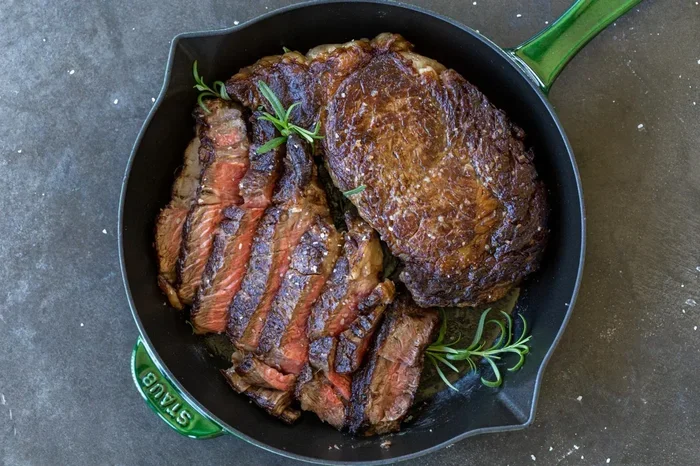
How To Cook Thick Ribeye Steak In Oven The Right Way
Cooking thick ribeye steak in oven is easier than you think if you follow the right method. This guide covers everything from choosing the perfect cut to achieving a flawless crust and ideal internal temperature. You will learn the reverse sear technique, seasoning tips, and common mistakes to avoid. Whether you are a beginner or a seasoned home cook, this method delivers consistent, restaurant-quality results. By the end, you will feel confident cooking a thick ribeye steak in oven like a pro.
There is something truly special about a thick ribeye steak cooked in oven. The even heat wraps around every inch of that beautiful cut of beef, creating a perfect edge-to-edge doneness that is hard to achieve on a stovetop alone. If you have ever struggled with uneven cooking or a gray band of meat running through the middle, this guide is for you.
Cooking thick ribeye steak in oven the right way comes down to a few key principles. You need the right cut, the right temperature, and a little patience. This method, often called the reverse sear, has become a favorite among steak lovers and home cooks alike. It gives you incredible control and results that will impress anyone at your dinner table. Let us walk through every step together.
Key Takeaways
- Thick-cut ribeye steak (1.5 to 2 inches) works best for oven cooking because it retains moisture and develops a great crust.
- The reverse sear method slowly cooks the steak in the oven first, then finishes with a hot sear for even doneness.
- A meat thermometer is essential for hitting the exact internal temperature you want without guessing.
- Resting the steak for 5 to 10 minutes after cooking keeps the juices locked inside for a juicier bite.
- Simple seasoning with salt, pepper, and garlic lets the natural flavor of the beef shine through.
- Avoid common mistakes like skipping the dry brine, overcrowding the pan, or cooking from cold fridge temperature.
📑 Table of Contents
- Why Oven-Cooked Thick Ribeye Steak Is Worth It
- Choosing the Perfect Thick Ribeye Steak
- How To Cook Thick Ribeye Steak In Oven: Step-by-Step
- The Reverse Sear Method Explained
- Common Mistakes to Avoid When Cooking Steak in Oven
- Expert Tips for the Best Oven Ribeye Steak
- Pairing Your Oven Ribeye Steak with Sides
- Frequently Asked Questions
- Final Thoughts on Cooking Thick Ribeye Steak in Oven
Why Oven-Cooked Thick Ribeye Steak Is Worth It
You might wonder why you should bother cooking steak in oven instead of just using a grill or cast iron skillet. The truth is, each method has its strengths. But oven cooking offers some unique advantages that make it worth trying.
When you cook thick ribeye steak in oven, the heat surrounds the meat evenly on all sides. This means no hot spots, no uneven cooking, and no guesswork. A thick cut benefits especially from this gentle, consistent warmth. Here is why more people are choosing the oven method:
- Even heat distribution cooks the steak uniformly from edge to edge.
- Better control over doneness because the oven temperature stays steady.
- Hands-off cooking lets you focus on sides and timing.
- Works great for multiple steaks at once without crowding a pan.
- Less risk of overcooking compared to high-heat stovetop methods.
The oven also pairs beautifully with the reverse sear technique. You slowly bring the steak up to temperature in the oven, then finish with a blazing-hot sear on the stovetop. The result is a steak with a deep, caramelized crust and a perfectly pink center. It is a game changer for anyone who loves beef ribeye.
Choosing the Perfect Thick Ribeye Steak
Before you even turn on the oven, the most important decision is picking the right steak. Not all ribeye cuts are created equal, and choosing wisely sets you up for success.
What Thickness Should You Look For?
For oven cooking, you want a thick ribeye steak that is at least 1.5 inches thick. Ideally, aim for 2 inches. Thinner steaks tend to overcook before you can get a good sear. A thicker cut gives you a larger margin for error and allows the reverse sear method to work its magic.
When you are shopping, look for steaks that feel firm but have a good amount of marbling. Those white streaks of fat running through the meat are what give ribeye its rich, buttery flavor. The more marbling, the more flavorful and juicy your steak will be.
Bone-In vs Boneless Ribeye
Both bone-in and boneless ribeye work wonderfully in oven. Bone-in steaks, sometimes called tomahawk steaks when the bone is long, add a rustic presentation and slightly more flavor during cooking. Boneless cuts are easier to handle and sear evenly. Choose based on your preference and what looks best at your local butcher or grocery store.
Quality Grades to Consider
If you can find it, look for USDA Prime or USDA Choice grade ribeye. Prime grade has the most marbling and will give you the most luxurious eating experience. Choice grade is still excellent and more widely available. Avoid Select grade for this method because it has less fat and can dry out more easily.
| Grade | Marbling | Flavor | Availability | Best For Oven? |
|---|---|---|---|---|
| Prime | Abundant | Rich, buttery | Limited | Excellent |
| Choice | Moderate to abundant | Great beef flavor | Widely available | Very good |
| Select | Less marbling | Milder | Common | Okay, but drier |
How To Cook Thick Ribeye Steak In Oven: Step-by-Step
Now for the part you have been waiting for. Here is the complete process for cooking a thick ribeye steak in oven. Follow these steps closely, and you will nail it every single time.
Step 1: Prep the Steak
Take your ribeye steak out of the refrigerator about 30 to 45 minutes before cooking. Let it sit on the counter at room temperature. This is important because a cold steak going into a hot oven cooks unevenly. The outside can burn while the inside stays cold.
While the steak is resting, pat it dry with paper towels. Dry surface meat browns better and creates a superior crust. If you have time, this is also a great moment to apply a light dry brine. Just sprinkle kosher salt on both sides and let it sit uncovered in the fridge for a few hours or overnight. The salt draws out moisture, which then gets reabsorbed, seasoning the meat deeply and improving the texture.
Step 2: Season Generously
When you are ready to cook, season your thick ribeye steak with kosher salt and freshly cracked black pepper. Keep it simple. The beef has enough flavor on its own, and you do not want to mask it. Some people add garlic powder or a touch of smoked paprika, and that works too. But salt and pepper alone will let the natural beef taste shine.
Do not be shy with the seasoning. The steak is thick, so it needs a good amount of salt on each side. Press the seasoning into the surface lightly so it sticks.
Step 3: Preheat the Oven
Set your oven to 250 degrees Fahrenheit. This low temperature is the key to the reverse sear method. You are not cooking the steak all the way through at this stage. You are gently bringing it up to a uniform temperature throughout.
Place a wire rack inside a baking sheet or roasting pan. The rack allows air to circulate around the steak, which helps it cook evenly. You do not want the steak sitting in a pool of its own juices on the bottom of the pan.
Step 4: Cook in the Oven
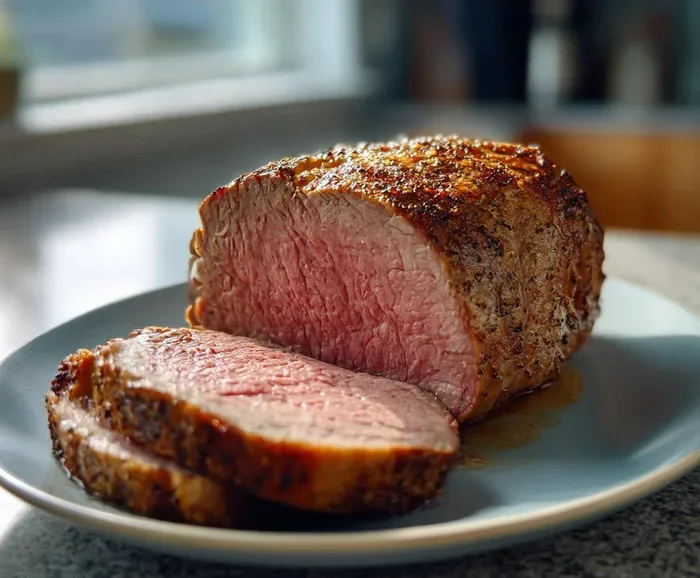
Place the seasoned ribeye steak on the wire rack and put it in the oven. Cook until the internal temperature reaches about 110 to 115 degrees Fahrenheit for medium-rare. This usually takes 20 to 30 minutes depending on the thickness of your steak and your oven.
Use an instant-read meat thermometer to check the temperature. Insert it into the thickest part of the steak, avoiding any bone if your steak has one. The slow oven cooking ensures the temperature is even from edge to edge, with no gray band.
Step 5: Sear the Steak
This is where the magic happens. Heat a cast iron skillet over high heat until it is smoking hot. Add a high smoke-point oil like avocado oil or grapeseed oil. Carefully place the steak in the skillet and let it sear for about 1 to 2 minutes per side.
You will hear a beautiful sizzle when the steak hits the pan. That is the sound of flavor forming. Use tongs to hold the steak and sear the edges as well. For extra flavor, add a couple of cloves of smashed garlic and a sprig of rosemary to the pan during the last minute of searing. Baste the steak with the melted butter and fragrant oil.
Step 6: Rest the Steak
Once your steak reaches the perfect internal temperature during searing, take it off the heat. Place it on a cutting board and tent it loosely with aluminum foil. Let it rest for 5 to 10 minutes. This resting period allows the juices to redistribute throughout the meat. If you cut into it too soon, all those juices will run out onto the board instead of staying in the steak.
Step 7: Slice and Serve
After resting, slice the steak against the grain for maximum tenderness. Serve it immediately with your favorite sides. A baked potato, roasted vegetables, or a simple side salad all pair beautifully with a perfectly cooked oven ribeye.
The Reverse Sear Method Explained
The reverse sear is the technique that makes oven-cooked thick ribeye steak truly exceptional. Instead of starting with a hot pan and finishing in the oven, you do it in reverse. You start in the oven and finish with a hot sear.
Here is why this works so well for thick cuts. When you cook a thick steak over high heat first, the outside can easily overcook before the inside reaches your desired doneness. The reverse sear eliminates that problem. By starting low and slow, the heat has time to penetrate evenly. By the time you sear it, the steak is already close to your target temperature throughout.
The final sear adds that deep, flavorful crust that makes steak so satisfying. You get the best of both worlds: perfectly even doneness and a beautiful brown exterior. This method works especially well for steaks that are 1.5 inches thick or more. Thinner steaks can overcook during the low oven phase, so stick with thick cuts for this approach.
What Internal Temperature Should You Target?
Your target temperature before searing depends on how done you like your steak:
- Rare: 110 to 115 degrees Fahrenheit before searing
- Medium Rare: 115 to 120 degrees Fahrenheit before searing
- Medium: 120 to 125 degrees Fahrenheit before searing
- Medium Well: 125 to 130 degrees Fahrenheit before searing
Remember that the temperature will rise about 5 degrees during the sear. This carryover cooking is important to account for. Pull the steak off the heat a few degrees early, and it will reach your perfect doneness during resting.
Common Mistakes to Avoid When Cooking Steak in Oven
Even with a great recipe, small mistakes can make a big difference in the final result. Here are the most common errors people make when cooking thick ribeye steak in oven, and how to avoid them.
Starting with a Cold Steak
Never put a fridge-cold steak directly into the oven. The temperature difference between the cold center and the hot oven causes uneven cooking. The outside can overcook while the inside stays too cold. Always let your steak come to room temperature for at least 30 minutes before cooking.
Skipping the Dry Brine
Skipping the dry brine is one of the easiest ways to miss out on better flavor and texture. Salt draws moisture out and then reabsorbs it, seasoning the meat deeply and creating a drier surface that browns better. Even 30 minutes of dry brining makes a noticeable difference.
Not Using a Meat Thermometer
Guessing the doneness of a thick steak is a recipe for disappointment. Invest in a good instant-read meat thermometer. It takes the guesswork out completely and ensures your steak is cooked exactly the way you like it. This is the single most important tool for consistent oven steak.
Overcrowding the Pan During Searing
When you get to the sear phase, make sure the skillet is hot and the steak has plenty of room. If you crowd the pan, the temperature drops and the steak steams instead of sears. You will not get that deep, golden-brown crust you are aiming for. One steak at a time is the way to go.
Cutting Into the Steak Too Soon
It is tempting to cut into that beautiful steak right away, but resist the urge. Cutting releases all those juices you worked hard to keep inside. Let the steak rest for at least 5 minutes. Your patience will be rewarded with a much juicier, more flavorful bite.
Using the Wrong Oil
When searing, use an oil with a high smoke point. Extra virgin olive oil burns at the high temperatures needed for a good sear. Avocado oil, grapeseed oil, or even vegetable oil work much better. They can handle the heat without smoking and creating off-flavors.
Expert Tips for the Best Oven Ribeye Steak
You already have the fundamentals down. Now let us add some pro-level tips that will take your oven steak to the next level.
Use a wire rack, not a flat pan. Air circulation around the steak is crucial for even cooking. A wire rack set inside a baking sheet allows hot air to flow underneath, preventing the bottom from getting soggy or overcooked.
Let the cast iron skillet get truly smoking hot. The sear should happen fast. If the pan is not hot enough, the steak will release its juices and steam instead of forming a crust. Give the pan several minutes to heat up before adding the steak.
Add compound butter after cooking. A dollop of garlic herb butter melting on top of a rested ribeye steak adds an incredible layer of richness. Mix softened butter with minced garlic, fresh herbs like thyme and parsley, and a pinch of salt. Place it on the hot steak right before serving.
Experiment with wood-fired flavors. If you have a wood-burning oven or a pizza oven, try cooking your ribeye steak in that. The smoky flavor adds a whole new dimension that complements the rich beef taste perfectly.
Save the drippings. After the steak rests, there will be flavorful juices on the cutting board. You can use those to make a quick pan sauce or drizzle over the sliced steak for extra richness. Just deglaze the pan with a splash of beef broth or red wine and reduce it slightly.
Try different seasoning blends. While salt and pepper is classic, do not be afraid to experiment. A steak rub with smoked paprika, onion powder, and a touch of cayenne adds a smoky kick. Coffee-based steak rubs also create an incredibly deep, complex crust.
Quick Tips for Perfect Oven Steak
- Always pat the steak dry before seasoning for a better crust.
- Use a wire rack to promote even air circulation.
- Invest in a reliable instant-read meat thermometer.
- Let the steak rest for at least 5 minutes after cooking.
- Slice against the grain for maximum tenderness.
- Preheat your skillet thoroughly before searing.
- Use a high smoke-point oil for the sear phase.
- Account for carryover cooking of about 5 degrees.
Pairing Your Oven Ribeye Steak with Sides
A great thick ribeye steak deserves great sides. The rich, beefy flavor pairs well with a variety of accompaniments. Here are some ideas that complement a perfectly oven-cooked steak.
- Crispy roasted potatoes with rosemary and garlic are a classic pairing.
- Grilled asparagus adds a fresh, earthy contrast to the rich steak.
- A simple mixed green salad with a bright vinaigrette cuts through the richness.
- Creamy mashed potatoes are the ultimate comfort side for steak night.
- Roasted root vegetables like carrots and parsnips add seasonal warmth.
- Corn on the cob with butter and a sprinkle of chili powder is a summer favorite.
For a complete meal, keep the sides simple so the steak remains the star of the show. A glass of red wine like a bold Cabernet Sauvignon or a rich Malbec pairs beautifully with ribeye. The tannins in the wine complement the fat in the steak and enhance the overall dining experience.
Frequently Asked Questions
What is the best oven temperature for cooking thick ribeye steak?
The best oven temperature for cooking thick ribeye steak is 250 degrees Fahrenheit. This low temperature allows the steak to cook slowly and evenly, bringing it up to your desired internal temperature without overcooking the edges. It is the foundation of the reverse sear method and works especially well for steaks that are 1.5 inches thick or more.
How long should I cook a thick ribeye steak in the oven?
Cooking time depends on the thickness of your steak and your target temperature. A 2-inch thick ribeye typically takes 20 to 30 minutes at 250 degrees Fahrenheit. Use a meat thermometer to check the internal temperature rather than relying on time alone. The steak should reach about 110 to 115 degrees for medium-rare before you sear it.
Do I need to sear the steak after cooking it in the oven?
Yes, searing after the oven phase is highly recommended. The sear creates a deep, flavorful crust through the Maillard reaction, which adds texture and complexity to the steak. A hot cast iron skillet with a high smoke-point oil works best for this step. Sear for about 1 to 2 minutes per side, including the edges.
Can I cook a bone-in ribeye steak in the oven the same way?
Absolutely. Bone-in ribeye steaks can be cooked using the same reverse sear method. The bone actually adds extra flavor during cooking and can help insulate parts of the steak. Just be sure to check the temperature near the bone, as it may cook slightly differently than the surrounding meat. Add a few extra minutes if needed.
How long should I rest the steak after cooking?
Rest your thick ribeye steak for at least 5 to 10 minutes after cooking. This resting period allows the juices to redistribute throughout the meat. If you cut into it too soon, the juices will run out and the steak will be less juicy and flavorful. Tent it loosely with foil to keep it warm while it rests.
Can I use frozen thick ribeye steak for oven cooking?
It is best to thaw the steak completely before cooking. Cooking a frozen steak in the oven leads to uneven cooking, with the outside overcooking while the inside remains frozen. Thaw the steak in the refrigerator overnight for the best results. If you are in a pinch, use the defrost setting on your microwave, but cook the steak immediately afterward.
Final Thoughts on Cooking Thick Ribeye Steak in Oven
Cooking thick ribeye steak in oven the right way is one of the most satisfying things you can do in the kitchen. It is a method that rewards patience and attention to detail but does not require advanced cooking skills. With the reverse sear technique, a good meat thermometer, and a quality cut of beef, you can achieve restaurant-quality results at home.
The beauty of this approach is its consistency. Once you understand the process, you can replicate perfect steak every single time. No more guessing, no more uneven cooking, and no more dry, gray-centered steaks. Just a beautifully cooked ribeye with a perfect crust and a juicy, flavorful center.
Start with a great thick-cut ribeye, season it simply, and let the oven do the heavy lifting. Finish with a hot sear and a proper resting period. The results will speak for themselves. Whether you are cooking for a special occasion or just treating yourself to a weeknight steak dinner, this method delivers every time. So fire up that oven, grab a thick ribeye, and get ready to enjoy one of the best meals you have ever made at home.