The Best Oven Temp To Cook Pot Roast Inside Your Kitchen
Finding the right temp to cook pot roast in oven is the key to a tender, juicy, and flavorful meal. The ideal oven temperature for pot roast falls between 300°F and 325°F, which allows the beef to cook low and slow until it becomes fork-tender. Whether you use a Dutch oven or a regular baking dish, understanding your oven-braised beef temperature makes all the difference. This guide covers everything from searing to resting, so you can serve a perfect pot roast recipe every single time.
There is something deeply satisfying about a pot roast that falls apart at the touch of a fork. The rich aroma filling your kitchen, the tender chunks of beef swimming in savory gravy, and the melt-in-your-mouth texture — it is pure comfort food magic. But getting a pot roast just right takes more than tossing meat in an oven-safe pot and hoping for the best.
The temp to cook pot roast in oven is the single most important factor that determines whether your roast turns out dry and tough or perfectly tender and juicy. Many home cooks make the mistake of cranking the heat up, thinking faster means better. In reality, low and slow cooking is the secret to unlocking the full potential of your beef chuck roast. When you understand the braising temperature and how collagen breaks down over time, you will never serve a bad pot roast again.
This guide walks you through everything you need to know about oven temperature for pot roast. From choosing the right cut to setting your timer, we cover every detail so you can confidently prepare a stunning roast beef dinner. Let us dive in.
Key Takeaways
- Best Oven Temperature: Cook pot roast at 300°F to 325°F for the most tender results.
- Low and Slow Wins: Lower temperatures break down collagen and connective tissue better than high heat.
- Internal Temp Matters: Aim for 190°F to 200°F for a fork-tender beef chuck roast.
- Sear First: Always sear your meat before braising to lock in flavor and create a beautiful crust.
- Use a Meat Thermometer: Guessing leads to overcooked or undercooked roasts every time.
- Rest Your Roast: Let the pot roast rest for 15 to 20 minutes before slicing for juicier meat.
- Dutch Oven Is King: A Dutch oven pot roast delivers superior results due to even heat distribution.
📑 Table of Contents
- Why Oven Temperature Matters for Pot Roast
- The Best Oven Temp to Cook Pot Roast
- Choosing the Right Cut of Beef for Pot Roast
- Step-by-Step Guide to Cooking Pot Roast in the Oven
- Common Mistakes to Avoid When Cooking Pot Roast
- Dutch Oven vs. Regular Baking Dish for Pot Roast
- How Long to Cook Pot Roast at Different Temperatures
- Expert Tips for Flavorful Pot Roast
- Conclusion
Why Oven Temperature Matters for Pot Roast
The temperature you choose directly affects how your beef roast oven turns out. Too high, and the outside burns while the inside stays tough. Too low, and the meat never reaches the right level of tenderness. Finding the sweet spot is everything.
The Science Behind Low and Slow Cooking
Pot roast is a braising method. This means you cook tough cuts of meat slowly in liquid. The braising temperature needs to be low enough to break down the collagen breakdown process without drying out the meat.
When you cook beef at high temperatures, the connective tissue shrinks and tightens. This squeezes out moisture and makes the roast chewy. But at lower temperatures, collagen converts into gelatin. Gelatin is what gives pot roast its silky, melt-in-your-mouth texture. This conversion happens best between 160°F and 180°F inside the meat, which is why a long cook time matters so much.
High Heat vs. Low Heat for Pot Roast
Some recipes call for higher temperatures like 350°F or 375°F. These can work, but they require closer monitoring. At higher heat, the cooking time for pot roast shrinks, but the risk of dry meat increases significantly.
Here is a simple comparison to help you understand the differences:
- 300°F to 325°F: The gold standard for pot roast. Even heat, tender results, and minimal risk of drying out.
- 350°F to 375°F: Faster cooking but requires more attention. Best for thinner cuts or when you are short on time.
- 250°F to 275°F: Ultra-low temperature. Great for overnight cooking or extra-tender results, but takes significantly longer.
Most experts agree that the best oven temperature for roast beef is in the 300°F to 325°F range. This gives you a reliable window of about 3 to 4 hours for a typical 3 to 4 pound roast.
The Best Oven Temp to Cook Pot Roast
So what is the actual temp to cook pot roast in oven? The answer depends on a few factors, but here is the bottom line.
Recommended Temperature Range
The ideal pot roast temperature for oven cooking is 325°F. This temperature provides a balance between cooking time and moisture retention. At 325°F, a 3 to 4 pound beef chuck roast will cook through evenly and develop deep flavor.
If you prefer an even more hands-off approach, 300°F works beautifully too. The trade-off is a longer cook time, usually around 4 to 5 hours. But the results are worth it. The meat becomes incredibly tender and the flavors have more time to develop.
Some cooks swear by 275°F for an ultra-slow roast. This temperature is perfect for a Dutch oven pot roast that you can set and forget. The oven-braised beef comes out so tender it practically dissolves.
Internal Temperature Targets
Oven temperature is important, but the beef roast internal temp is what truly tells you when the roast is done. Here are the targets you should aim for:
- 190°F to 200°F: This is the sweet spot for pot roast. The collagen has fully broken down, and the meat is fork-tender.
- 170°F to 180°F: The meat is cooked through but may still be slightly tough. Not ideal for pot roast.
- Above 205°F: Risk of drying out. The meat may still be tender if cooked in enough liquid, but quality decreases.
Always use a meat thermometer to check the internal temperature. Do not rely on time alone, as ovens vary and roast size affects cooking speed.
Choosing the Right Cut of Beef for Pot Roast
Not all beef cuts are created equal when it comes to oven pot roast. The right cut has plenty of connective tissue and marbling, which transforms during slow cooking into tenderness and flavor.
Top Cuts for Pot Roast
Here are the best choices for your next pot roast recipe:
- Beef Chuck Roast: The undisputed king of pot roast. It has the perfect balance of fat and connective tissue. It is affordable and widely available.
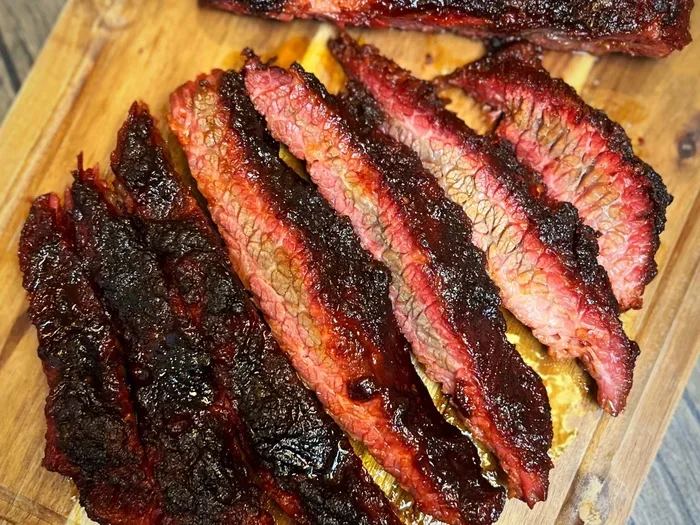
- Brisket (Flat Cut): A great alternative that produces incredibly tender results when cooked low and slow.
- Bottom Round Roast: Leaner than chuck but still works well for pot roast. Just do not overcook it.
- Short Ribs (Bone-In): These create a rich, deeply flavored braise. Cook them at the same temp to cook pot roast in oven as chuck roast.
Cuts to Avoid
Some cuts simply do not work for pot roast. Avoid tender cuts like filet mignon or sirloin. These lack the connective tissue needed for braising and will turn dry and chalky when cooked low and slow. Save those for grilling or pan-searing.
Step-by-Step Guide to Cooking Pot Roast in the Oven
Now that you know the right oven temperature for pot roast, let us walk through the process step by step. Following these steps ensures consistent, delicious results every time.
Step 1: Prepare the Meat
Remove your beef roast from the refrigerator about 30 minutes before cooking. Let it come to room temperature. This helps the roast cook more evenly. Pat the meat dry with paper towels. Moisture on the surface prevents proper searing.
Step 2: Sear the Roast
Searing is a non-negotiable step. Heat a tablespoon of oil in your oven-safe pot over medium-high heat. Once the oil is shimmering, place the roast in the pot. Let it sear undisturbed for about 3 to 4 minutes per side. You want a deep brown crust on all sides.
This step does two things. First, it adds incredible flavor through the Maillard reaction. Second, it creates a beautiful fond on the bottom of the pot, which becomes the base of your gravy.
Step 3: Build the Braising Liquid
Remove the roast and set it aside. In the same pot, add chopped onions, carrots, and celery. Cook for about 5 minutes until softened. Add minced garlic and cook for one more minute. Pour in beef broth and add a splash of red wine if you like. Stir to deglaze the pot, scraping up all the browned bits.
Season the liquid with salt, pepper, thyme, and bay leaves. This aromatic base is what gives your pot roast recipe its signature flavor.
Step 4: Braise in the Oven
Return the roast to the pot. The liquid should come about halfway up the sides of the meat. Do not submerge it completely. Cover the pot with a tight-fitting lid or aluminum foil.
Place the pot in the preheated oven set to 325°F. For a 3 to 4 pound roast, plan for about 3 to 4 hours of cooking time. Check the beef roast internal temp after 3 hours. When it reaches 190°F to 200°F, your roast is ready.
Step 5: Rest and Serve
Remove the pot from the oven and let the roast rest for 15 to 20 minutes before slicing. This resting period allows the juices to redistribute throughout the meat. Skipping this step leads to a dry roast.
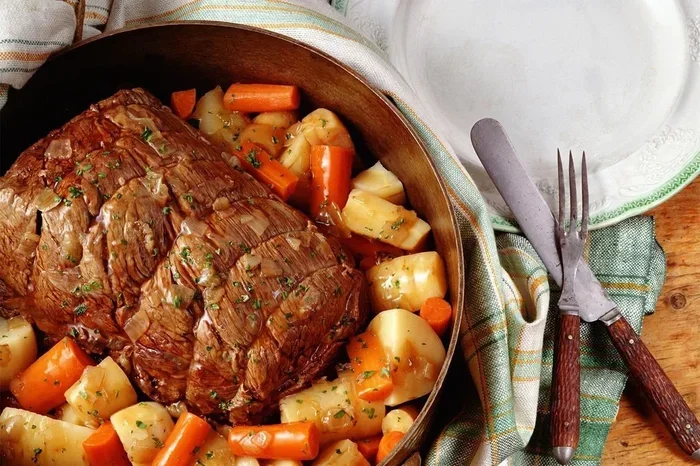
Strain the braising liquid and skim the fat. Use the liquid to make a quick gravy or serve it alongside the roast. Add your roasted vegetables to the pot and serve everything together for a complete meal.
Quick Tips for Perfect Pot Roast
- Do not skip the searing step. It builds flavor that you cannot get any other way.
- Use enough braising liquid but do not submerge the roast completely.
- Keep the oven temperature consistent. Opening the door too often drops the heat.
- Let the roast rest before cutting. Patience pays off with juicier meat.
- Use a meat thermometer instead of guessing based on time alone.
Common Mistakes to Avoid When Cooking Pot Roast
Even experienced cooks make mistakes with pot roast. Knowing what to avoid saves you from a disappointing dinner.
Cooking at Too High a Temperature
The most common error is setting the oven too hot. A temperature above 350°F causes the beef to seize up and become tough. The connective tissue does not have enough time to break down properly. Stick to the recommended temp to cook pot roast in oven range for the best results.
Using the Wrong Cut of Meat
As mentioned earlier, tender cuts do not work for pot roast. If you buy a lean cut and cook it low and slow, it will still come out dry. Always choose a cut with visible marbling and connective tissue, like beef chuck roast.
Overcooking the Roast
While pot roast benefits from long cooking times, there is a limit. Cooking beyond 210°F internal temperature can cause the meat to become mushy and dry. Monitor the beef roast internal temp closely, especially during the last hour of cooking.
Skipping the Sear
Some recipes skip searing to save time. This is a mistake. The seared crust adds depth and complexity to the final dish. It takes only 10 minutes and makes a enormous difference in flavor.
Not Enough Liquid
Braising requires enough liquid to create steam and maintain moisture. If the liquid evaporates too much, the roast dries out. Check the pot periodically and add more broth if needed.
Dutch Oven vs. Regular Baking Dish for Pot Roast
The vessel you use matters more than most people realize. A Dutch oven pot roast produces superior results compared to a regular baking dish.
Why a Dutch Oven Works Best
A Dutch oven distributes heat evenly and retains it exceptionally well. The heavy lid traps moisture, creating a self-basting environment. This means your oven-braised beef stays juicy and tender throughout the entire cook.
Dutch ovens also work well on the stovetop for searing before transferring to the oven. This one-pot approach simplifies the cooking process and reduces cleanup.
Using a Regular Baking Dish
A regular baking dish works in a pinch, but you need to cover it tightly with foil. Without a heavy lid, moisture escapes faster, which can lead to a drier roast. Add extra braising liquid if you use a baking dish instead of a Dutch oven.
Both vessels can produce excellent results at the same oven temperature for pot roast. The key is managing moisture levels and maintaining consistent heat.
How Long to Cook Pot Roast at Different Temperatures
Understanding the relationship between temp to cook pot roast in oven and time helps you plan your meal effectively. Here is a practical guide:
Temperature and Time Chart
Below is a helpful reference for planning your pot roast:
- 300°F: 4 to 5 hours for a 3 to 4 pound roast. Best for extra-tender results.
- 325°F: 3 to 4 hours for a 3 to 4 pound roast. The ideal balance of time and tenderness.
- 350°F: 2.5 to 3 hours for a 3 to 4 pound roast. Faster but requires closer monitoring.
- 375°F: 2 to 2.5 hours for a 3 to 4 pound roast. Not recommended for beginners.
These times assume a starting roast temperature of about 35°F to 40°F. Always check the internal temperature rather than relying solely on the clock.
Expert Tips for Flavorful Pot Roast
Once you master the basics of temp to cook pot roast in oven, you can start experimenting with flavors and techniques that elevate your roast to restaurant quality.
Add Aromatics for Depth
Onions, garlic, carrots, celery, and fresh herbs like rosemary and thyme create a flavorful braising base. Some cooks add a splash of Worcestershire sauce or soy sauce for umami depth. A tablespoon of tomato paste adds richness and color to the gravy.
Use Red Wine or Beer
Deglazing the pot with red wine or beer adds complexity to the braising liquid. The alcohol cooks off, leaving behind rich, deep flavors that pair beautifully with beef. Choose a dry red wine like Cabernet Sauvignon for the best results.
Don Forget the Vegetables
Pot roast vegetables cook right in the braising liquid. Potatoes, carrots, parsnips, and turnips absorb all those savory juices. Add them during the last 90 minutes of cooking so they do not turn to mush.
Make Ahead and Reheat
Pot roast tastes even better the next day. The flavors meld and deepen overnight in the refrigerator. To reheat, place the roast and its juices in a covered Dutch oven at 325°F for about 30 to 45 minutes. This reheating method keeps the meat moist and tender.
Freezing Leftovers
Pot roast leftovers freeze beautifully. Slice the meat, store it with its braising liquid in an airtight container, and freeze for up to 3 months. Reheat gently on the stovetop or in the oven for a quick, satisfying meal any time.
Conclusion
Cooking a perfect pot roast comes down to one critical factor: temp to cook pot roast in oven. Set your oven to 300°F to 325°F, choose the right cut of beef, and give it enough time to break down slowly. The results are worth every minute of waiting.
Remember to sear your meat, use a meat thermometer, and let the roast rest before serving. These small steps make a huge difference in the final dish. Whether you are cooking for a family dinner or a special occasion, a well-made pot roast always impresses.
Now that you understand the best oven temperature for roast beef and the science behind braising, you are ready to create a stunning meal in your own kitchen. Grab a beef chuck roast, preheat your oven, and enjoy the process of creating something truly special. Your family and guests will thank you.
Frequently Asked Questions
What is the best temp to cook pot roast in oven?
The best temp to cook pot roast in oven is between 300°F and 325°F. This range allows the collagen in the beef to break down slowly, resulting in a tender, fork-tender pot roast every time. Avoid temperatures above 350°F, as they can dry out the meat.
How long does it take to cook a pot roast in the oven at 325°F?
At 325°F, a 3 to 4 pound beef chuck roast typically takes 3 to 4 hours. The exact time depends on the size and shape of the roast. Always check the internal temperature with a meat thermometer to confirm doneness.
Can I cook pot roast at 350°F instead of 325°F?
Yes, you can cook pot roast at 350°F, but the cooking time shortens to about 2.5 to 3 hours. The trade-off is a slightly higher risk of the meat drying out. If you use 350°F, monitor the roast closely and add more liquid if needed.
What internal temperature should pot roast reach?
The ideal beef roast internal temp for pot roast is 190°F to 200°F. At this temperature, the connective tissue has fully broken down into gelatin, giving the meat a tender, melt-in-your-mouth texture. Use a reliable meat thermometer to check.
Should I cover my pot roast while cooking in the oven?
Yes, always cover your pot roast during braising. A tight-fitting lid or aluminum foil traps moisture and creates a self-basting environment. This keeps the roast juicy and prevents it from drying out during the long cook time.
Can I use a Dutch oven for pot roast in the oven?
Absolutely. A Dutch oven pot roast is one of the best methods for oven-braised beef. The heavy cast iron distributes heat evenly and retains moisture exceptionally well. It also works on the stovetop for searing before you transfer it to the oven.
=== CONCLUSION ===
Temp to cook pot roast in oven is the foundation of every great pot roast. By keeping your oven between 300°F and 325°F, you give the beef the time and gentle heat it needs to become incredibly tender. The right pot roast temperature, combined with proper searing, a flavorful braising liquid, and patience, transforms a simple cut of beef into a show-stopping centerpiece.
Use a meat thermometer, avoid common mistakes, and follow the steps outlined in this guide. You will consistently produce a pot roast recipe that earns rave reviews from everyone at your table. Happy cooking!