How To Dry Fresh Thyme In Oven Without Losing Flavor
Drying fresh thyme in the oven is one of the easiest and fastest ways to preserve this beloved herb. When done correctly, oven drying thyme locks in the essential oils and keeps the taste vibrant for months. You will learn the ideal temperature, timing, and storage tips to avoid losing flavor. This guide covers every step from washing to storing so you get the best results. Whether you grow your own or buy fresh bunches, you can master this simple technique today.
There is something really satisfying about drying your own herbs at home. Fresh thyme is one of those kitchen staples that disappears fast, especially during the growing season. Instead of letting that beautiful bunch go to waste, you can dry fresh thyme in oven and enjoy it all year long.
The process is simpler than most people think. You do not need any fancy equipment or years of experience. A regular home oven, some parchment paper, and a little patience are all you need. In this guide, we walk you through every step so your dried thyme tastes just as good as the fresh version.
Many home cooks worry about losing flavor when they dry herbs in the oven. That is a valid concern. High heat can destroy the delicate essential oils that give thyme its wonderful aroma and taste. But with the right temperature and timing, you can preserve thyme flavor perfectly. Let us get into it.
Key Takeaways
- Low heat is key: Drying thyme at 170°F or lower preserves flavor and prevents burning.
- Preparation matters: Washing, drying, and stripping leaves properly sets you up for success.
- Oven drying is faster than air drying: You can have dried thyme in 1 to 3 hours instead of days.
- Storage makes a difference: Proper containers and cool, dark places keep dried thyme fresh for up to a year.
- Check for doneness frequently: Crumbly leaves mean your thyme is ready and fully dried.
- Dried thyme is versatile: Use it in cooking, teas, rubs, and homemade seasoning blends.
📑 Table of Contents
Why Dry Thyme in the Oven?
You have several options for drying herbs at home. Air drying, using a dehydrator, or using your oven are the most common methods. Each has its benefits, but oven drying offers some real advantages that make it worth trying.
First, oven drying is fast. Air drying can take one to two weeks depending on humidity and airflow. An oven can do the same job in one to three hours. This makes it perfect when you need dried thyme quickly or have a large batch to handle.
Second, oven drying gives you more control. You set the temperature, you monitor the progress, and you adjust as needed. With air drying, weather and conditions can ruin a batch. The oven keeps things consistent and predictable.
Third, oven drying works well for small batches. If you only have a few sprigs of fresh thyme, a dehydrator might be overkill. Your oven handles small amounts easily and efficiently.
How Oven Drying Compares to Other Methods
Let us look at how oven drying herbs stacks up against the alternatives. This comparison helps you understand why many home cooks prefer the oven method for thyme specifically.
- Speed: Oven drying takes 1 to 3 hours. Air drying takes 7 to 14 days. A dehydrator takes 2 to 4 hours.
- Flavor retention: Oven drying at low heat preserves flavor very well. Air drying can lose some flavor if conditions are not ideal.
- Equipment needed: You only need an oven and parchment paper. A dehydrator costs extra and takes up space.
- Batch size: Oven drying works great for small to medium batches. Dehydrators handle larger amounts better.
- Consistency: Ovens provide even heat. Air drying depends on your environment.
As you can see, oven drying hits a sweet spot between speed, simplicity, and flavor quality. That is why so many people choose this method for preserving fresh thyme.
Preparing Your Fresh Thyme for Drying
Proper preparation is the most overlooked step in drying thyme in oven. Taking a few extra minutes here makes a big difference in the final result. Do not skip this part.
Choosing the Right Thyme
Start with the freshest thyme you can find. If you grow your own, pick sprigs in the morning after the dew has dried but before the sun gets too hot. The essential oils are at their peak during this window. Store-bought thyme works great too, but choose bunches that look vibrant and smell strong.
Avoid thyme that looks wilted, yellow, or has dark spots. Those signs mean the herb is past its prime, and the flavor will not be as good even after drying. Fresh, healthy sprigs give you the best dried thyme results.
Washing and Drying the Sprigs
Rinse your thyme sprigs gently under cool running water. This removes any dirt, insects, or residue. Do not soak the thyme because excess water can promote mold during the drying process.
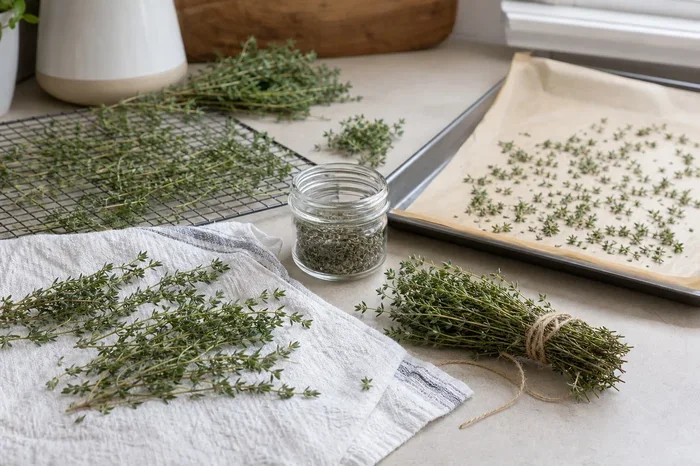
After rinsing, shake off the excess water gently. Then spread the sprigs on a clean kitchen towel and pat them dry. You can also let them air dry for 15 to 20 minutes. The key is to make sure no water remains on the leaves before they go into the oven. Moisture is the enemy of flavor when you are dehydrating thyme.
Stripping the Leaves
Some people dry thyme on the stem and strip the leaves afterward. Others strip the leaves first and then dry them. Both methods work, but stripping the leaves first gives you faster and more even drying.
To strip the leaves, hold the top of the stem and run your fingers down toward the base. The tiny leaves should slide right off. Discard the stems or save them for making stock. Spread the leaves out on your prepared baking sheet and get ready for the oven.
Setting Up Your Oven for Drying Thyme
The oven temperature is the single most important factor in how to dry fresh thyme in oven without losing flavor. Too hot and you will cook the herbs instead of drying them. Too low and the process takes forever. Finding the right balance is everything.
The Ideal Temperature for Drying Thyme
Set your oven to the lowest possible temperature. Most ovens go as low as 170°F, and that is the sweet spot for drying herbs in oven. Some ovens can go even lower, around 150°F, which works too.
If your oven does not go below 170°F, you can prop the door open slightly with a wooden spoon. This lets moisture escape and keeps the temperature lower. The goal is gentle, indirect heat that slowly draws out water without cooking the essential oils.
Never set your oven above 200°F for drying thyme. Higher temperatures will scorch the leaves and destroy the delicate flavors you are trying to preserve. Remember, we are not cooking thyme here. We are dehydrating it carefully.
Preparing Your Baking Sheet
Line a baking sheet with parchment paper or a silicone baking mat. Do not use aluminum foil because it can create hot spots and cause uneven drying. The parchment paper also prevents the tiny thyme leaves from sticking to the sheet.
Spread the thyme leaves in a single layer across the sheet. Do not pile them on top of each other. Air needs to flow around every leaf for even drying. If you have a lot of thyme, use multiple baking sheets and rotate them during the process.
Oven Rack Position Matters
Place the baking sheet on the middle rack of your oven. This position allows the most even heat distribution. The top rack tends to get too hot, and the bottom rack can create uneven results. The middle rack gives you the best chance at perfectly dried thyme.
If you are using two sheets, place one on the upper-middle rack and one on the lower-middle rack. Switch their positions halfway through drying to ensure both batches dry evenly.
The Drying Process Step by Step
Now that your oven is set and your thyme is prepared, it is time to actually dry the herb. This part requires patience and attention, but it is not difficult at all.
What to Expect During Drying
Place the baking sheet in the oven and set a timer for 30 minutes. Drying thyme in oven usually takes between 1 and 3 hours depending on the moisture content and your oven temperature. The leaves are done when they feel crumbly and dry to the touch.
During the first 30 minutes, check on the thyme. You may notice some moisture forming on the pan. That is normal. After 30 minutes, remove the tray and check the leaves. Gently touch a few to see if they crumble easily.
If the leaves still feel slightly flexible or damp, put them back in the oven for another 15 to 30 minutes. Keep checking every 15 minutes after that. Over-drying can make the leaves too brittle and cause them to lose even more flavor.
Signs Your Thyme Is Fully Dried
Here are the clear signs that your oven dried thyme is ready:
- The leaves crumble easily between your fingers.
- The stems snap cleanly instead of bending.
- The color has faded slightly but still looks like dried thyme.
- The aroma is strong and concentrated.
- There is no moisture or flexibility left in the leaves.
If your thyme does not show these signs yet, keep drying it in short intervals. Check every 10 to 15 minutes to avoid over-drying.
Common Mistakes to Avoid During Drying
Even though drying thyme in oven is straightforward, a few common mistakes can ruin the results. Here is what to watch out for:
- Using too high a temperature: This cooks the herbs instead of drying them. The flavor turns bitter and harsh.
- Overcrowding the pan: Piling leaves on top of each other traps moisture and leads to uneven drying.
- Not checking frequently: Thyme can go from perfectly dried to burnt in just a few minutes at high heat.
- Skipping the drying step before oven: Wet leaves take much longer and may develop mold.
- Using a dirty baking sheet: Residue from previous cooking can affect the taste of your thyme.
Avoiding these simple mistakes ensures your herb drying process goes smoothly and your thyme comes out flavorful every time.
Storing Your Dried Thyme Properly
Drying is only half the battle. How you store your dried thyme leaves determines how long the flavor lasts. Proper storage keeps your homemade thyme fresh and potent for months.
Best Containers for Dried Thyme
Glass jars with tight-fitting lids are the best option for storing dried herbs. Mason jars work perfectly and look great on a kitchen shelf. The glass does not absorb odors the way plastic can, and it keeps moisture out effectively.
If you do not have glass jars, airtight metal tins or food-grade plastic containers also work well. The most important thing is that the container seals tightly. Air is the number one enemy of dried herbs because it slowly strips away the flavor and aroma.
Where to Store Dried Thyme
Keep your dried thyme in a cool, dark, and dry place. A pantry or cupboard away from the stove and oven is ideal. Heat, light, and moisture all degrade the quality of dried herbs over time.
Do not store dried thyme right above your stove or near a window. The heat and light will cause the flavor to fade much faster than normal. A dark corner of your pantry can keep dried thyme fresh for up to 12 months.
Labeling and Dating Your Thyme
It is easy to forget when you dried your thyme, especially if you dry multiple herbs at once. Always label your containers with the name of the herb and the date you dried it. This helps you use the oldest batches first and ensures you enjoy your homemade dried thyme at its best.
A simple piece of masking tape and a marker works perfectly. Some people also like to add the date range for best use, such as “Best by: June 2025.” This small habit makes a big difference in keeping your spice collection organized and fresh.
Using Your Dried Thyme in the Kitchen
Once you have successfully dried thyme in oven, the fun really begins. Dried thyme opens up a world of culinary possibilities. It is a pantry staple that elevates so many dishes.
Cooking with Dried Thyme
Dried thyme works beautifully in soups, stews, roasts, and marinades. Because the flavor is more concentrated than fresh thyme, you need less of it. A good rule of thumb is to use one-third the amount of dried thyme compared to fresh.
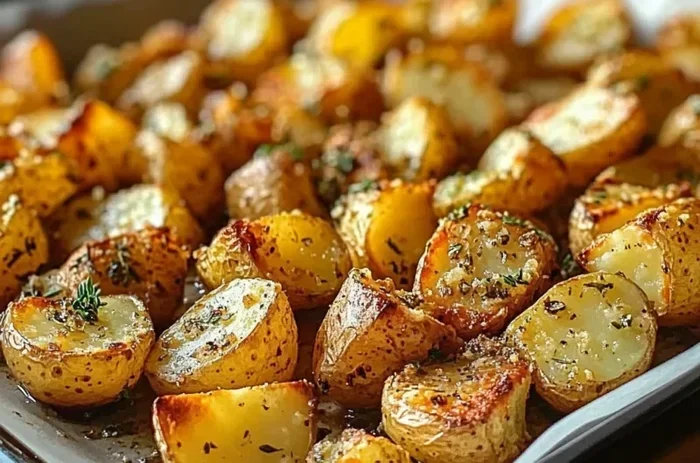
Add dried thyme early in the cooking process so the flavors have time to develop and meld together. It pairs wonderfully with roasted vegetables, chicken, fish, potatoes, and even homemade bread. The thyme seasoning possibilities are truly endless.
Making Homemade Thyme Seasoning Blends
One of the best ways to use your dried thyme is to create custom seasoning blends. Mix dried thyme with garlic powder, onion powder, salt, and black pepper for a versatile all-purpose seasoning. You can also combine it with rosemary, oregano, and basil for an Italian-style blend.
These homemade blends make great gifts too. Package them in small jars with a cute label and you have a thoughtful, practical present for any cook. It is a wonderful way to share the joy of drying herbs at home with friends and family.
Other Creative Uses for Dried Thyme
Beyond cooking, dried thyme has several other uses. You can steep it in hot water for a soothing herbal tea. It also works well in homemade potpourri or sachets for drawers and closets. The aromatic properties of dried thyme make it a natural air freshener.
Some people even add dried thyme to homemade cleaning solutions for its antibacterial properties. The possibilities go far beyond the kitchen when you know how to properly preserve thyme flavor.
Expert Tips for the Best Results
After helping many home cooks master the art of drying herbs, here are the tips that make the biggest difference in quality and flavor.
Tip 1: Do Not Rush the Process
The temptation is to crank up the heat to speed things along. Resist that urge. Low and slow is the secret to drying thyme without losing flavor. Patience pays off with better-tasting results.
Tip 2: Use a Kitchen Thermometer
Many ovens run hotter or cooler than the dial suggests. A simple oven thermometer helps you verify the actual temperature inside. This small tool can be the difference between perfectly dried thyme and a disappointing batch.
Tip 3: Dry in Small Batches
If you have a large harvest of fresh thyme, dry it in small batches rather than cramming everything onto one tray. Small batches dry more evenly and give you better control over the final result.
Tip 4: Taste Test Before Storing
Before you put all your dried thyme away, taste a few leaves. They should have a concentrated, pleasant thyme flavor. If they taste weak or flat, they may need more drying time. This final check ensures you are storing the best possible product.
Tip 5: Freeze for Extra Longevity
If you want your dried thyme to last even longer, consider freezing it. Place the dried leaves in a freezer-safe bag and keep them in the freezer. Frozen dried thyme can maintain its flavor for well over a year. This is a great option if you dried a large batch and will not use it all quickly.
Frequently Asked Questions
Can I dry thyme in the oven at a higher temperature to save time?
We strongly recommend against this. High temperatures above 200°F cook the thyme instead of drying it, which destroys the essential oils and ruins the flavor. Stick to 170°F or lower for the best results. A little extra time is worth preserving that wonderful thyme taste.
How long does dried thyme last when stored properly?
When stored in an airtight container in a cool, dark place, dried thyme stays fresh and flavorful for up to 12 months. After that, the flavor gradually weakens. Always label your containers with the date so you know when to use them by for the best taste.
Do I need to wash fresh thyme before drying it?
Yes, you should rinse your thyme gently under cool water to remove any dirt or residue. But make sure you dry the sprigs thoroughly afterward. Excess moisture can lead to mold during the drying process and dilute the flavor of your final product.
Can I dry thyme on the stem instead of stripping the leaves?
Absolutely. Drying thyme on the stem works well and some people prefer it because the stems help protect the leaves during drying. Just know that the process may take slightly longer, and you will need to strip the leaves from the stems after they are dry.
Is oven drying the same as using a food dehydrator for thyme?
Both methods work well, but they are not exactly the same. A dehydrator uses consistent low heat and airflow, which can produce very even results. An oven is faster and more accessible for most people. Oven drying at a low temperature gives you excellent flavor retention, though you need to monitor it more closely.
Can I use dried thyme instead of fresh thyme in any recipe?
Yes, you can substitute dried thyme for fresh in almost any recipe. The general conversion ratio is one part dried thyme to three parts fresh thyme. Because dried thyme is more concentrated, using too much can overpower a dish. Start with less and adjust to taste.
Conclusion
Learning how to dry fresh thyme in oven is one of the most rewarding kitchen skills you can develop. It is fast, simple, and gives you control over the quality of your dried herbs. With just a little preparation and the right temperature, you can preserve the vibrant flavor of fresh thyme for months.
The key takeaways are straightforward. Use low heat, prepare your thyme carefully, dry it slowly, and store it properly. These steps ensure your oven dried thyme tastes incredible and lasts a long time. You will wonder why you ever bought dried thyme from the store when you can make your own at home.
Start with a small batch your first time. As you get comfortable with the process, you can dry larger quantities and experiment with different recipes. Soon, drying fresh thyme in oven will be a regular part of your kitchen routine. Your taste buds will thank you every time you sprinkle that homemade seasoning into your favorite dishes.
So grab some fresh thyme, preheat your oven, and give it a try. Once you experience the difference homemade dried thyme makes, you will never go back to store-bought. Happy drying, and happy cooking.