How To Cook Down Pumpkin In The Oven For Perfect Results
Cooking down pumpkin in the oven is one of the simplest ways to prepare this versatile seasonal vegetable. Whether you want smooth pumpkin puree for baking or caramelized pumpkin pieces for savory dishes, the oven method delivers consistent, delicious results. This guide walks you through every step, from choosing the right pumpkin to storing your finished product. You will learn proper temperatures, timing, and pro tips that guarantee perfect oven-baked pumpkin every single time.
There is something deeply satisfying about pulling a tray of golden, caramelized pumpkin from the oven. The warm, sweet aroma fills your kitchen, and you know you have created something truly special. How to cook down pumpkin in the oven is a skill that opens up a world of culinary possibilities. Whether you are making homemade pumpkin puree for pies or roasting pumpkin pieces for a hearty autumn soup, the oven method is reliable and straightforward.
Many people feel intimidated by the idea of cooking pumpkin from scratch. They assume it requires special equipment or advanced cooking skills. The truth is far different. All you need is a basic oven, a sharp knife, and a little patience. This guide breaks everything down into simple, easy-to-follow steps. By the end, you will feel confident tackling any pumpkin recipe that comes your way.
Roasting pumpkin in the oven is not just about the final product. It is about the process. The way the natural sugars in the pumpkin flesh caramelize under heat creates depth of flavor that you simply cannot replicate with canned alternatives. Once you try homemade oven-baked pumpkin, you may never go back to store-bought versions again.
Key Takeaways
- Choose the right pumpkin: Sugar pumpkins work best for cooking down in the oven.
- Prep matters: Properly cutting and seeding your pumpkin ensures even roasting.
- Temperature and time are key: Roast at 400°F for 40-60 minutes depending on size.
- Cool and process correctly: Let it cool fully before scooping and blending for puree.
- Store safely: Refrigerate or freeze your cooked pumpkin for lasting freshness.
- Get creative: Use your oven-roasted pumpkin in soups, pies, and roasted vegetable dishes.
📑 Table of Contents
- Why Cook Pumpkin In The Oven
- Choosing The Right Pumpkin For Oven Roasting
- Preparing Your Pumpkin For The Oven
- The Complete Oven Roasting Process
- Making Pumpkin Puree From Roasted Pumpkin
- Storing Your Cooked Pumpkin
- Delicious Ways To Use Your Cooked Pumpkin
- Common Mistakes To Avoid When Cooking Pumpkin
- Expert Tips For Perfect Roasted Pumpkin Every Time
- Quick Tips Summary
- Conclusion
Why Cook Pumpkin In The Oven
You might wonder why oven roasting is the best method for cooking down pumpkin. There are several compelling reasons. First, the oven provides even, consistent heat that cooks the pumpkin thoroughly. This is important because uneven cooking can leave some parts mushy while others remain hard.
Second, oven roasting enhances the natural sweetness of the pumpkin flesh. As the pumpkin bakes, its sugars concentrate and caramelize. This creates a rich, complex flavor profile that works beautifully in both sweet and savory dishes. Boiling pumpkin, by contrast, can make it waterlogged and bland.
Third, roasting pumpkin in the oven gives you control over texture. Want smooth puree for pumpkin pie? Roast until very soft and blend it. Prefer chunky roasted pumpkin for salads or grain bowls? Pull it out earlier. The oven method adapts to whatever you need.
Finally, oven roasting is hands-off. Once your pumpkin is in the oven, you can focus on other tasks in the kitchen. There is no need to stand over a stove and stir. This makes it a convenient choice for busy home cooks who still want homemade results.
Oven-Baked Pumpkin vs. Stovetop Methods
It is worth comparing oven-baked pumpkin to stovetop methods like boiling or steaming. Boiling is fast, but it dilutes flavor and adds moisture. Steaming preserves more nutrients but still lacks the caramelization that roasting provides. Oven-baked pumpkin wins on flavor, texture, and versatility.
That said, boiling has its place when you need a large quantity of pumpkin puree quickly. For most home cooks, however, the oven method delivers superior results with minimal effort. The choice ultimately depends on your priorities and how much time you have.
Choosing The Right Pumpkin For Oven Roasting
Not all pumpkins are created equal when it comes to cooking. The variety you select makes a big difference in flavor, texture, and ease of preparation. Understanding what to look for will save you frustration and deliver better results every time.
The best pumpkin for oven roasting is the sugar pumpkin, also called a pie pumpkin. These are smaller than the big carving pumpkins you see at Halloween. Sugar pumpkins typically weigh between four and eight pounds. Their flesh is dense, sweet, and smooth, which makes them ideal for cooking down.
Carving pumpkins, on the other hand, have thin, watery flesh with less flavor. They work fine for jack-o-lanterns but produce subpar results in the kitchen. If you are buying pumpkin specifically for cooking, look for ones labeled as sugar pumpkins or baking pumpkins at your grocery store or farmers market.
What To Look For When Buying
- Firm skin: The pumpkin should feel hard and heavy for its size. Avoid any with soft spots or cuts.
- Deep orange color: A rich, uniform orange hue indicates ripeness and sweetness.
- Green stem intact: A firmly attached stem means the pumpkin was harvested recently and will last longer.
- Medium size: Four to eight pounds is the sweet spot for even cooking and good flesh-to-skin ratio.
When you bring your pumpkin home, store it in a cool, dry place. It can last for several weeks this way. This makes pumpkin a great seasonal staple to keep on hand for all your autumn and winter recipes.
Preparing Your Pumpkin For The Oven
Proper preparation is the foundation of great roasted pumpkin. Taking the time to prep correctly ensures even cooking and the best possible flavor. The good news is that preparation is simple, even if it requires a little elbow grease.
Start by washing the outside of your pumpkin under cool running water. Use a clean brush to remove any dirt or debris. Dry it thoroughly with a towel before you begin cutting. A dry surface gives you better grip and reduces the risk of slipping with your knife.
Next, lay your pumpkin on a stable cutting board. Use a large, sharp chef knife to cut it in half from stem to base. If the pumpkin is hard to cut through, try microwaving it for two to three minutes first. This softens the skin slightly and makes slicing much easier.
Once halved, use a large spoon to scoop out all the seeds and stringy pulp from each half. Do not throw the seeds away. Roasted pumpkin seeds make a delicious and nutritious snack. You can rinse them, toss them with olive oil and salt, and bake them separately at 300°F for about 20 minutes.
Cutting Your Pumpkin Into Pieces
For most recipes, you will want to cut the pumpkin halves into smaller, uniform pieces. This promotes even cooking and makes the pumpkin easier to process later. Aim for chunks that are about two inches wide. Smaller pieces will cook faster, while larger pieces take longer but hold their shape better.
If you plan to make pumpkin puree, you can roast the pumpkin in larger halves instead of chunks. This minimizes moisture loss and yields more flesh. Place the halves cut-side down on your baking sheet for the best results.
Arrange your pumpkin pieces or halves on a parchment-lined baking sheet. Leave space between each piece so air can circulate freely. Overcrowding the pan traps steam and prevents proper caramelization. Two baking sheets may be necessary if you are cooking a large quantity.
The Complete Oven Roasting Process
Now comes the fun part. Roasting pumpkin in the oven is straightforward, but a few details make all the difference. Follow these steps for perfectly cooked pumpkin flesh every time.
Preheat your oven to 400 degrees Fahrenheit. This is the ideal temperature for roasting pumpkin. It is hot enough to caramelize the natural sugars quickly but not so hot that the outside burns before the inside cooks through. If you prefer a slower, more hands-off approach, you can roast at 375 degrees, but it will take longer.
Drizzle your pumpkin pieces with olive oil or melted coconut oil. Use about one tablespoon per pound of pumpkin. Toss the pieces gently to coat them evenly. Season with salt and pepper, or add spices like cinnamon, nutmeg, or cumin depending on your intended use.
Place the baking sheet in the preheated oven on the middle rack. Set a timer for 25 minutes. After 25 minutes, open the oven and check the pumpkin. The pieces should be starting to soften and develop light golden edges. Use a spatula to flip or stir them gently.
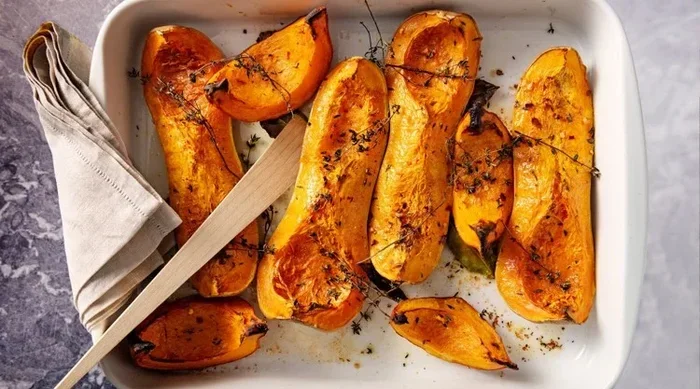
Return the pan to the oven and continue roasting for another 15 to 30 minutes. Total pumpkin cooking time varies based on the size of your pieces and the specific oven you use. The pumpkin is done when a fork slides easily through the thickest part and the edges are deeply golden and slightly caramelized.
Signs Your Pumpkin Is Perfectly Roasted
Knowing when your roasted pumpkin is done is essential. Here are the key indicators:
- Color: The edges should be deep golden brown, almost caramel-colored.
- Softness: A fork or knife should pierce the flesh with little resistance.
- Smell: Your kitchen should smell sweet and toasty, like brown sugar and warm spices.
- Shrinkage: The pumpkin pieces will have shrunk slightly and pulled away from the skin.
If your pumpkin pieces are not yet soft enough, give them another five to ten minutes. Check again every five minutes to avoid overcooking. Overcooked pumpkin becomes dry and dark, which affects both flavor and texture.
Making Pumpkin Puree From Roasted Pumpkin
One of the most popular reasons people cook down pumpkin in the oven is to make homemade pumpkin puree. This silky, flavorful puree is the star ingredient in pumpkin pie, pumpkin bread, pumpkin soup, and countless other recipes. Making it yourself is surprisingly easy.
Once your roasted pumpkin has cooled enough to handle, scoop the flesh away from the skin. The skin should separate easily after roasting. Discard the skin and place the flesh in a large bowl. You can also work directly on the cutting board and transfer as you go.
For smooth puree, use a food processor or high-powered blender. Add the pumpkin flesh in batches and pulse until completely smooth. You may need to add one to two tablespoons of water or oil if the puree seems too thick or the motor struggles.
For a chunkier puree, use a potato masher or fork instead. This works well for soups and stews where a rustic texture is welcome. Both methods produce excellent results. The choice comes down to personal preference and what you plan to make with the puree.
Draining Excess Moisture
Homemade pumpkin puree contains more moisture than canned pumpkin. This extra water can affect the texture of baked goods. To fix this, spread the puree on a clean kitchen towel or cheesecloth and let it drain for one to two hours. You can also place it in a fine-mesh strainer over a bowl in the refrigerator overnight.
Draining makes a noticeable difference in recipes like pumpkin pie and pumpkin muffins. The final product will be denser, richer, and closer in texture to canned pumpkin. This extra step is well worth the effort for serious bakers.
Storing Your Cooked Pumpkin
Proper storage ensures your hard work does not go to waste. Cooked pumpkin keeps well in both the refrigerator and freezer, giving you flexibility to use it over time.
To refrigerate, place your pumpkin puree or roasted pieces in an airtight container. It will keep for up to five days in the fridge. For longer storage, freeze the puree in airtight freezer bags or containers. Frozen pumpkin lasts for up to six months and works perfectly in baked goods, soups, and sauces.
If you roasted whole pumpkin halves, wrap them tightly in plastic wrap or aluminum foil before refrigerating. They will keep for three to four days. When you are ready to use them, simply scoop out the flesh as needed.
Freezing Tips For Best Results
- Portion control: Freeze puree in measured portions so you only thaw what you need.
- Label everything: Include the date and contents on each container.
- Leave headspace: Leave about half an inch of space in containers or bags to allow for expansion.
- Thaw safely: Move frozen pumpkin to the refrigerator the night before you plan to use it.
Properly stored oven-baked pumpkin retains its flavor and nutritional value for months. This makes it a fantastic ingredient to prepare in batch when pumpkins are in season and abundant at farmers markets and grocery stores.
Delicious Ways To Use Your Cooked Pumpkin
The beauty of oven-roasted pumpkin lies in its versatility. Once you have a batch of cooked pumpkin ready, the possibilities are nearly endless. Here are some of the best ways to use your roasted pumpkin in everyday cooking.
Pumpkin soup is a classic autumn dish. Blend your roasted pumpkin with vegetable or chicken broth, add a touch of cream, and season with sage and salt. The result is a velvety, warming soup that tastes like fall in a bowl. Top with toasted pumpkin seeds for added crunch.
Pumpkin pie is the most iconic use for pumpkin puree. Combine the puree with eggs, sugar, spices, and evaporated milk, then pour into a pie crust and bake until set. Homemade pumpkin pie made from scratch has a depth of flavor that canned pumpkin simply cannot match.
For savory dishes, try adding roasted pumpkin chunks to grain bowls, salads, or pasta. Their natural sweetness pairs beautifully with earthy flavors like kale, quinoa, and goat cheese. Roasted vegetables like pumpkin, sweet potato, and Brussels sprouts make a stunning side dish for any autumn dinner.
You can also fold pumpkin puree into oatmeal, yogurt, or smoothies for a seasonal breakfast boost. Add it to pancake or waffle batter for a festive twist on morning favorites. The subtle sweetness and vibrant color make even simple dishes feel special.
Common Mistakes To Avoid When Cooking Pumpkin
Even experienced cooks can run into trouble when roasting pumpkin for the first time. Being aware of common pitfalls helps you avoid them and achieve better results from the start.
Using the wrong pumpkin variety is the most common mistake. Large carving pumpkins have thin, watery flesh that lacks flavor. Always choose sugar pumpkins or baking pumpkins for cooking. The difference in taste and texture is dramatic.
Overcrowding the baking sheet is another frequent error. When pumpkin pieces are too close together, they steam instead of roast. This prevents caramelization and leads to soggy results. Give each piece plenty of space on the pan, and use two sheets if necessary.
Skipping the draining step can also cause problems, especially for bakers. Excess moisture in pumpkin puree makes batters soggy and prevents proper setting. Always drain your puree if you plan to use it in pies or baked goods.
Not letting the pumpkin cool completely before processing can lead to a lukewarm, slightly steamed puree rather than a deeply caramelized one. Patience pays off here. Let the pumpkin rest until it is just warm or completely cool before scooping and blending.
Finally, ignoring food safety is a mistake no one should make. Cooked pumpkin should not sit at room temperature for more than two hours. Refrigerate or freeze it promptly to keep it safe and fresh.
Expert Tips For Perfect Roasted Pumpkin Every Time
Professional chefs and experienced home cooks share a few tricks that elevate roasted pumpkin from good to outstanding. Incorporating these tips into your routine will consistently improve your results.
First, line your baking sheet with parchment paper or a silicone baking mat. This prevents sticking and makes cleanup a breeze. It also promotes even browning on the bottom of the pumpkin pieces.
Second, season generously. Pumpkin has a mild, slightly sweet flavor that benefits from a little extra attention. A sprinkle of sea salt, a crack of black pepper, and a drizzle of good olive oil bring out its natural sweetness beautifully. For sweet applications, a pinch of cinnamon or nutmeg adds warmth and complexity.
Third, rotate your baking sheet halfway through cooking. Ovens have hot spots, and rotating ensures all the pumpkin pieces cook evenly. This simple habit prevents some pieces from burning while others remain undercooked.
Fourth, save and roast the seeds. Pumpkin seeds are nutritious and delicious. Toss them with a little oil and salt, spread them on a separate baking sheet, and roast at 300 degrees for 20 to 25 minutes until golden and crunchy.
Finally, taste as you go. Every pumpkin is slightly different in sweetness and moisture content. Adjust your seasoning, cooking time, and temperature based on what you observe during the roasting process. Trust your senses and your instincts.
Quick Tips Summary
- Always use sugar pumpkins for the best flavor and texture.
- Cut pumpkin into uniform pieces for even cooking.
- Roast at 400 degrees Fahrenheit for optimal caramelization.
- Do not overcrowd the baking sheet.
- Drain puree if using it for baked goods.
- Store cooked pumpkin in the fridge for up to five days or freeze for up to six months.
- Roast pumpkin seeds separately for a tasty snack.
Conclusion
How to cook down pumpkin in the oven is a rewarding and straightforward process that anyone can master. From selecting the right pumpkin to roasting it to golden perfection and transforming it into silky puree, every step is simple and satisfying. The oven method brings out the best in pumpkin, intensifying its natural sweetness and creating a depth of flavor that store-bought alternatives simply cannot match.
Once you learn this technique, you will find yourself reaching for pumpkin throughout the autumn and winter months. Pumpkin soup, pumpkin pie, roasted pumpkin in grain bowls, and spiced pumpkin smoothies all start with this one essential skill. The versatility of oven-baked pumpkin makes it a valuable addition to any home cook’s repertoire.
Remember the key principles: choose the right pumpkin, prep it carefully, roast at the right temperature, and store your finished product properly. With these fundamentals in place, you are equipped to create delicious pumpkin dishes with confidence. So grab a pumpkin, preheat your oven, and enjoy the process of turning this humble seasonal squash into something truly extraordinary.
Frequently Asked Questions
What type of pumpkin is best for oven roasting?
Sugar pumpkins, also called pie pumpkins, are the best choice. They are smaller, denser, and sweeter than carving pumpkins. Their flesh roasts evenly and produces smooth, flavorful puree.
How long does it take to cook pumpkin in the oven?
At 400 degrees Fahrenheit, pumpkin chunks typically take 40 to 60 minutes. Larger halves may need 45 to 75 minutes. Check for tenderness with a fork to determine doneness.
Can I use the skin when making pumpkin puree?
No, the skin is tough and not meant to be eaten. After roasting, simply scoop the soft flesh away from the skin and discard the skin before blending into puree.
How should I store cooked pumpkin?
Refrigerate cooked pumpkin in an airtight container for up to five days. For longer storage, freeze it in measured portions for up to six months. Always cool the pumpkin completely before storing.
Why is my roasted pumpkin watery?
Overcrowding the pan, using a pumpkin variety with high water content, or not draining the puree can cause excess moisture. Use sugar pumpkins, give pieces space on the tray, and drain puree if needed.
Can I freeze roasted pumpkin puree?
Yes, freezing works perfectly. Portion the puree into airtight freezer bags or containers, label with the date, and freeze for up to six months. Thaw overnight in the refrigerator before using.