How Long To Cook Turkey In Oven Bag At 350 Degrees
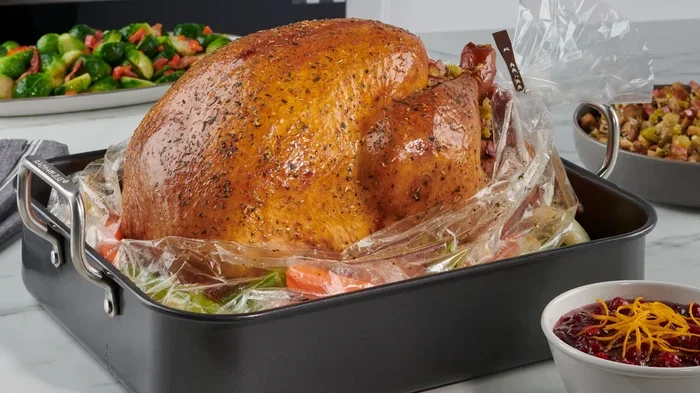
Cooking turkey in an oven bag at 350°F is the fastest path to a moist, golden bird with almost no cleanup. This guide reveals the exact timing for every turkey size, from a small breast to a whole Thanksgiving turkey. You will find a simple step-by-step method, a detailed cooking time chart, and pro tips that guarantee juicy results every time.
If you are wondering how long to cook turkey in oven bag at 350, you have come to the right place. This method delivers a moist, juicy turkey with minimal effort and almost no oven cleanup. A 350°F oven bag traps steam, which bastes the bird as it roasts, giving you restaurant-quality results at home. You will learn the exact timing for any turkey size, from a small turkey breast to a whole bird for Thanksgiving. By the end, you will know the perfect oven bag turkey recipe and cooking time for your next dinner.
Cooking turkey in a bag might sound unusual, but home cooks have used this trick for decades. The bag creates a mini oven inside your oven, circulating hot air and moisture around the meat. This means you can forget about basting and worrying about dry breast meat. Whether you are preparing a weeknight meal or a holiday centerpiece, this approach saves time and delivers consistently tender results. Let us walk through everything you need to know.
Key Takeaways
- Oven bag turkey cooks faster: A whole bird at 350°F takes about 3 to 3.5 hours, while a breast may need just 1.5 hours.
- Moisture stays locked inside: The bag traps steam, which bastes the turkey automatically and prevents dry meat.
- Timing depends on weight: Always use a meat thermometer and check the internal temperature, not just the clock.
- Simple prep is key: Season the bag, vent it properly, and avoid opening the oven too often.
- Resting matters: Let the turkey rest for 20 to 30 minutes after cooking for the juiciest slices.
- Avoid common mistakes: Do not skip venting, do not use a bag not rated for oven use, and do not overcook.
📑 Table of Contents
Why Cook Turkey In An Oven Bag?
The oven bag turkey method is popular for good reason. It simplifies the cooking process and removes the guesswork. Many people avoid roasting a whole turkey because they fear it will turn out dry or take too long. An oven bag solves both problems. It seals in juices and creates a humid environment that keeps the meat tender. Here are the main benefits you can expect.
Benefits Of Using An Oven Bag
- Moisture retention: The bag traps steam, which continuously bathes the turkey. This eliminates the need for frequent basting.
- Faster cooking: Because the heat circulates efficiently, your turkey cooks faster than traditional roasting. A whole bird can be ready in under 3.5 hours.
- Easy cleanup: The bag catches all drips and grease, so your roasting pan stays clean. You can even discard the bag after cooking.
- Even browning: The bag promotes uniform heat distribution, reducing the risk of burnt edges or undercooked centers.
- Less monitoring: You do not need to open the oven door every 30 minutes, which helps maintain a steady temperature.
When you roast turkey in bag, you are essentially creating a self-basting environment. The steam loosens the natural juices, which drip back over the meat. This is why oven bag turkey often turns out more flavorful than traditional roasting. Even a frozen turkey can be cooked this way, though thawing first is always safer and more even.
How Long To Cook Turkey In Oven Bag At 350
The exact cooking time for turkey in oven bag at 350 depends on the weight of your bird. A smaller breast will be ready much faster than a large whole turkey. Below is a detailed breakdown to help you plan your meal. Always remember that these times are approximate and a meat thermometer is your best friend.
Turkey Weight and Cooking Time Chart
Use this chart as a starting point for your oven bag turkey recipe. The times assume a 350°F oven and a fully thawed turkey.
| Turkey Weight | Approximate Cooking Time | Internal Temp Goal |
|---|---|---|
| 4–6 lbs (breast only) | 1 hour 15 min to 1 hour 45 min | 165°F in thickest part |
| 8–10 lbs (whole bird) | 2 hours 15 min to 2 hours 45 min | 165°F in thigh |
| 12–14 lbs (whole bird) | 2 hours 45 min to 3 hours 15 min | 165°F in thigh |
| 16–18 lbs (whole bird) | 3 hours 15 min to 3 hours 45 min | 165°F in thigh |
| 20–22 lbs (whole bird) | 3 hours 45 min to 4 hours 15 min | 165°F in thigh |
These turkey cooking times are based on a standard oven bag size that fits birds up to 20 pounds. If you have a larger bird, you may need a jumbo bag and add a little extra time. The 350°F oven bag method is forgiving, but sticking to the weight chart will give you the best results.
Step-by-Step Instructions
Follow these simple steps to prepare your oven bag turkey perfectly every time.
- Preheat your oven to 350°F. Place the oven rack in the lower third of the oven.
- Thaw your turkey completely if it is frozen. A frozen bird will cook unevenly and increase the risk of foodborne illness.
- Season the turkey inside and out with salt, pepper, garlic powder, and any herbs you like. You can also place onion wedges and celery inside the cavity for extra flavor.
- Preheat the oven bag by placing it in the oven for 1 to 2 minutes on a baking sheet. This helps the bag become flexible and reduces the chance of tearing.
- Place the turkey breast-side up in the bag. Tuck the wings under the body and tie the legs together with kitchen twine.
- Add a tablespoon of flour to the bag and shake gently. This thickens the juices into a natural gravy and prevents the bag from bursting.
- Seal the bag with the provided tie or a rubber band. Use a fork to poke 6 to 8 small holes in the top of the bag for steam to escape.
- Place the bagged turkey on a roasting pan or baking sheet. Do not let the bag touch the oven walls or heating elements.
- Cook according to the weight chart above. Do not open the oven door for the first 2 hours, as this releases heat and steam.
- Check the internal temperature in the thickest part of the thigh and the thickest part of the breast. The temperature should read 165°F.
- Rest the turkey for at least 20 minutes before carving. This lets the juices redistribute and keeps the meat moist.
Quick Tips: Always use a turkey thermometer to check the temperature. The oven bag turkey will brown slightly differently than a traditional roast, but it will still taste incredible. If you prefer crispier skin, remove the bag for the last 15 minutes of cooking and turn on the broiler for a few minutes. Watch it closely to prevent burning.
Oven Bag Turkey Recipe: Ingredients and Prep
The beauty of oven bag turkey is that you do not need a complicated recipe to get great results. A basic seasoning blend and a few aromatic vegetables are all you need. This section covers the essential ingredients and how to prep your bird for the bag.
Best Seasonings For Oven Bag Turkey
- Salt and black pepper: The foundation of any good roast. Season generously inside the cavity and on the skin.
- Garlic powder and onion powder: These add a savory depth without the hassle of chopping fresh garlic.
- Dried thyme and rosemary: Classic poultry herbs that complement the natural flavor of turkey.
- Smoked paprika: A pinch adds a subtle smoky flavor and helps with browning.
- Butter or olive oil: Rub a small amount under the skin of the breast for extra juiciness.
- Fresh herbs and citrus: A sprig of fresh sage, a lemon half, and an onion wedge inside the cavity work wonders.
For a simple oven bag turkey recipe, mix 1 teaspoon of salt, ½ teaspoon of pepper, 1 teaspoon of garlic powder, and ½ teaspoon of paprika. Rub this blend all over the turkey. Place the aromatics inside the bag with the bird. The steam will carry these flavors directly into the meat. This is one of the easiest turkey preparation methods you will ever use.
Common Mistakes To Avoid When Using Oven Bags
Even with a simple method, a few common errors can ruin your oven bag turkey. Avoid these mistakes to ensure a safe and delicious meal.
1. Skipping the flour or starch. Without a thickener, the juices can boil violently inside the bag and cause it to burst. A tablespoon of flour or cornstarch mixed with a little water solves this problem.
2. Not venting the bag properly. Always poke holes in the top of the bag to allow steam to escape. A sealed bag builds too much pressure and can explode in the oven.
3. Using a bag not rated for oven use. Only use oven bags specifically labeled as heat-safe for 350°F or higher. Do not use plastic bags from the grocery store, as they can melt and release harmful chemicals.
4. Overcooking the turkey. Because the bag traps moisture, it is easy to think the bird is not done when it actually is. Rely on the internal temperature, not the clock. A turkey thermometer is non-negotiable.
5. Opening the oven door too often. Every time you open the door, the temperature drops and the steam escapes. This extends the cooking time and can lead to uneven results. Trust the process and keep the door closed.
Expert Insight: Professional chefs often recommend letting the oven bag turkey rest at room temperature for 30 minutes before it goes in the oven. This reduces the cooking time slightly and promotes more even heat distribution throughout the bird.
Expert Tips For Perfect Juicy Turkey
Getting a juicy turkey from an oven bag is easier than you think, but a few expert tricks take it from good to outstanding. These tips come from experienced home cooks and culinary professionals who use this method regularly.
Choose the Right Bag Size
Oven bags come in standard and jumbo sizes. A standard bag fits turkeys up to 18 pounds comfortably. If you have a 20- to 22-pound bird, use a jumbo bag and do not crowd it. The turkey should have room to move slightly inside the bag without touching the sides too tightly.
Butterfly or Spatchcock for Faster Cooking
If you are cooking a turkey breast or a smaller bird, consider spatchcocking it. Removing the backbone and flattening the bird reduces the cooking time significantly. A spatchcocked turkey in an oven bag at 350°F can be done in about 1.5 hours for a 10-pound bird. This method also ensures the white and dark meat cook at the same rate.
Add Gravy Ingredients Directly to the Bag
You can turn the drippings into a quick gravy without extra pans. After cooking, carefully remove the turkey and pour the bag juices into a saucepan. Add a cup of chicken broth and a tablespoon of flour, then simmer until thickened. This easy turkey recipe hack saves time and cleanup.
Use a Meat Thermometer Correctly
The internal temperature turkey must reach 165°F in both the thigh and the breast. Insert the thermometer into the thickest part of the thigh without touching the bone. For the breast, aim for the center. If you are using a 350°F oven bag, the temperature will rise quickly in the final 30 minutes, so start checking early.
Key Takeaways: Always use a turkey thermometer, let the bird rest before carving, and do not skip the venting hole. These small steps make a big difference in the final result.
How To Know When Your Turkey Is Done
Knowing the exact moment to take your oven bag turkey out of the oven is the final step to success. The cooking time chart gives you a guideline, but the only true indicator is the internal temperature. Here is how to check and what to look for.
Insert a meat thermometer into the innermost part of the thigh, the thickest part of the breast, and the wing joint. All three spots should read 165°F. If the thigh reads 165°F but the breast is at 155°F, return the turkey to the oven for another 10 to 15 minutes. The 350°F oven bag method is forgiving, but carryover cooking will raise the temperature by about 5 to 10 degrees after you remove the bird.
Another sign of a done turkey is the juices running clear. If you pierce the thickest part of the thigh and the juices are clear, not pink, the bird is likely ready. However, always confirm with a thermometer. A whole turkey cooking time can vary based on your oven’s accuracy, the shape of the bird, and whether it is stuffed or unstuffed. For unstuffed birds cooked in a bag, the times in the chart above are highly reliable.
After you remove the turkey, tent it loosely with aluminum foil and let it rest for 20 to 30 minutes. This resting period allows the juices to settle back into the meat, making every slice tender and moist. Do not skip this step, even if you are eager to dig in. A well-rested oven bag turkey is the difference between good and great.
Common Mistakes To Avoid: Do not rely solely on the pop-up timer that comes with some turkeys, as they are not always accurate. Do not carve the turkey immediately after removing it from the oven, as the juices will run out and leave the meat dry. And do not forget to vent the bag before cooking, as pressure buildup can cause a mess in your oven.
Conclusion
Cooking turkey in an oven bag at 350°F is one of the simplest and most reliable methods you can use. Whether you are preparing a small turkey breast for Tuesday dinner or a large whole bird for Thanksgiving, the oven bag turkey technique delivers moist, flavorful meat with minimal effort. The cooking time depends on the weight, but with the chart and step-by-step instructions provided, you can plan your meal with confidence.
Remember to always use a turkey thermometer, vent the bag properly, and let the bird rest before carving. These small details ensure your roast turkey in bag turns out perfectly every time. The 350°F oven bag method is a game-changer for busy cooks who want a delicious holiday meal without the stress. Try it at your next gathering and enjoy the compliments that follow.
Now that you know exactly how long to cook turkey in oven bag at 350, you are ready to get started. Gather your ingredients, preheat the oven, and let the bag do the work. You will be surprised at how easy it is to achieve a juicy, golden turkey that everyone will love.
Frequently Asked Questions
Can I Cook a Frozen Turkey In an Oven Bag?
Yes, you can cook a frozen turkey in an oven bag, but it will take significantly longer. Add about 50 percent more time to the normal cooking estimates. Always ensure the internal temperature reaches 165°F in the thickest part. Thawing the turkey first is safer and more reliable for even cooking.
What Size Oven Bag Do I Need For A Whole Turkey?
For a turkey up to 18 pounds, a standard oven bag works perfectly. For birds between 18 and 22 pounds, choose a jumbo bag. Always check the bag packaging for the maximum weight capacity to avoid accidents. A bag that is too small can cause the turkey to touch the hot oven walls.
Do I Need To Add Liquid To The Oven Bag?
No, you do not need to add water or broth to the oven bag. The turkey releases its own juices as it cooks, and the trapped steam does all the work. Adding liquid is unnecessary and can make the bag slippery, increasing the risk of tearing. A tablespoon of flour is the only addition recommended to thicken the drippings.
Can I Use An Oven Bag In A Convection Oven?
Yes, you can use an oven bag in a convection oven. Reduce the temperature by 25°F and check the turkey earlier than the standard times suggest. Convection ovens circulate hot air more efficiently, which can shorten the cooking time. Always use a thermometer to confirm doneness.
How Do I Prevent The Oven Bag From Melting Or Burning?
To prevent melting, always preheat the oven to 350°F before placing the bag inside. Do not let the bag touch the oven walls or heating elements. Use a sturdy baking sheet or roasting pan underneath. Only use bags specifically labeled as oven-safe, and never exceed the temperature rating on the package.
Is It Safe To Reheat Leftover Turkey That Was Cooked In An Oven Bag?
Yes, it is safe to reheat leftover turkey. Store the cooked turkey in the refrigerator within two hours of cooking. Reheat individual slices in the microwave or oven until they reach an internal temperature of 165°F. The oven bag method does not affect the safety of reheating, and the meat will retain its moisture well.