How To Cook Conch In The Oven Perfectly Every Time
Learn How To Cook Conch In The Oven the right way with this complete guide. You will discover the best recipes, preparation tips, and oven settings to get tender, flavorful conch every single time. Whether you are a beginner or a seasoned cook, this guide covers everything you need to know about baking conch in the oven.
Conch is one of the most beloved seafood ingredients in the Caribbean and beyond. People love the way it tastes and the versatility it brings to the kitchen. But many home cooks feel intimidated when it comes to preparing conch. The good news is that cooking conch in the oven is one of the easiest and most reliable methods you can use.
When you learn how to cook conch in the oven, you open up a world of delicious possibilities. From crispy conch fritters to rich and savory conch stew, the oven does most of the work for you. This guide walks you through every step with clear instructions and practical tips. You will learn how to prep the meat, choose the right temperature, and avoid the mistakes that turn conch tough and chewy.
Whether you picked up fresh conch from a local fish market or found it dried in a specialty store, this article has you covered. We will explore the best recipes, the most effective techniques, and the simple tricks that make oven-baked conch absolutely perfect. By the end, you will feel confident enough to make conch a regular part of your home cooking routine.
Key Takeaways
- Proper preparation is key: Cleaning and tenderizing conch meat before baking makes a huge difference in texture and flavor.
- Oven temperature matters: Baking conch at 350°F to 375°F delivers the best results for most recipes.
- Marinating adds depth: A good garlic butter or citrus marinade transforms plain conch into something extraordinary.
- Avoid overcooking: Conch becomes tough and rubbery when baked too long, so timing is critical.
- Multiple cooking methods work in the oven: From conch fritters to casseroles, the oven handles them all beautifully.
- Fresh and dried conch both work: Each requires slightly different prep, but both yield delicious oven-baked results.
- Serving style enhances the dish: Pairing oven-baked conch with the right sides elevates the entire meal.
📑 Table of Contents
Why Oven-Baked Conch Is a Great Choice
There are many ways to cook conch. You can fry it, stew it, grill it, or toss it into a salad. But baking conch in the oven offers some real advantages that other methods simply do not match.
Even Cooking and Better Texture
When you use an oven, the heat surrounds the conch evenly on all sides. This means no hot spots and no uneven cooking. The meat stays moist on the inside while developing a slightly caramelized exterior. This is especially important for thicker cuts of conch, which can be tricky to cook evenly on a stovetop.
Hands-Off Convenience
Oven cooking frees you up. You can prep a marinade, pop the conch in, and focus on making side dishes or setting the table. There is no need to stand over a hot stove flipping pieces constantly. This makes oven-baked conch ideal for family dinners and entertaining guests.
Versatility Across Recipes
The oven works beautifully for almost every type of conch dish. You can bake conch fritters on a sheet pan, make a hearty conch casserole, or slow-roast conch with herbs and butter. Each method produces different textures and flavors, giving you plenty of creative options.
How To Prepare Conch for the Oven
Proper preparation is the most important step in how to cook conch in the oven. Skipping this stage can lead to tough, chewy results no matter how well you control the temperature. Follow these steps to get your conch ready for baking.
Step 1: Clean the Conch Meat
If you bought fresh conch, start by removing the tough outer skin and the internal cartilage. Use a sharp knife to peel away the dark outer layer. Rinse the meat thoroughly under cold running water. Pat it completely dry with paper towels before moving to the next step.
For dried conch, you will need to rehydrate it first. Soak the pieces in cold water for at least 8 hours or overnight. Change the water a couple of times during soaking to remove excess salt. After rehydrating, drain and pat the meat dry.
Step 2: Tenderize the Meat
Conch meat can be quite tough, so tenderizing is essential. Place the cleaned conch on a cutting board and use a meat mallet to pound it evenly. You want the meat to be about a quarter-inch thick. This breaks down the fibers and helps the meat cook more tenderly in the oven.
Another popular method is to boil the conch briefly before baking. Simmer the pieces in salted water for about 1 to 2 hours until they become tender. Let them cool, then slice and proceed with your chosen recipe. This pre-cooking step makes a noticeable difference in the final texture.
Step 3: Season and Marinate
Conch has a mild, slightly sweet flavor that absorbs marinades beautifully. A simple garlic butter marinade works wonders. Mix softened butter with minced garlic, fresh lime juice, chopped parsley, salt, and black pepper. Coat the conch pieces thoroughly and let them sit for at least 30 minutes in the refrigerator.
For a more Caribbean-style flavor, try a marinade with orange juice, lime juice, garlic, onion, thyme, and a pinch of cayenne pepper. The citrus helps break down the meat further while adding bright, zesty flavor. Marinating for a few hours or even overnight produces the best results.
Best Conch Oven Recipes and Methods
Now that your conch is prepped and marinated, it is time to choose a recipe. Here are some of the best ways to bake conch in the oven that deliver outstanding flavor and texture.
Classic Garlic Butter Conch
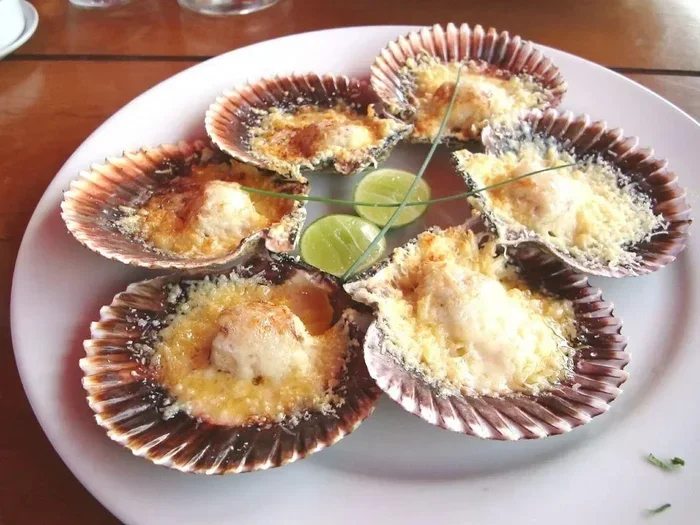
This is the simplest and most popular method for oven-baked conch. Preheat your oven to 375°F. Arrange the marinated conch pieces in a single layer on a baking sheet lined with parchment paper. Bake for 15 to 20 minutes, turning once halfway through. The conch should be firm but tender and lightly golden on the edges.
For extra flavor, top the conch with a sprinkle of fresh breadcrumbs mixed with parsley and a drizzle of melted butter during the last 5 minutes of baking. This creates a light, crispy coating that pairs perfectly with the tender meat inside.
Conch Casserole
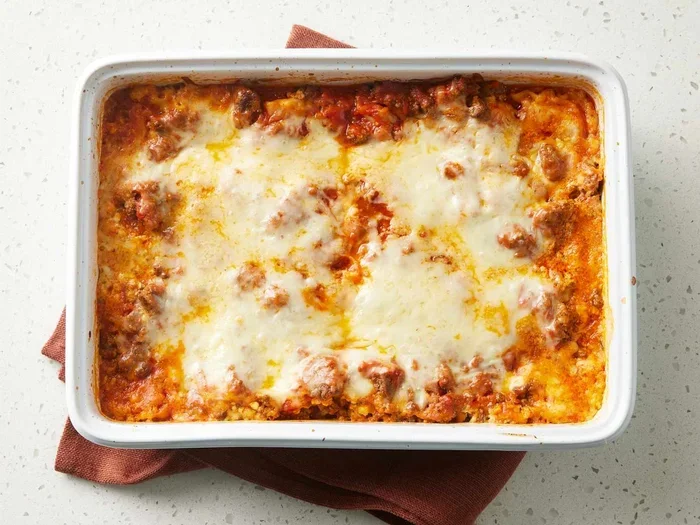
A conch casserole is a comforting, crowd-pleasing dish that is perfect for gatherings. Preheat the oven to 350°F. Layer sliced conch in a greased baking dish with sautéed onions, bell peppers, celery, and diced tomatoes. Pour a creamy sauce made from butter, flour, milk, and seasoning over the top. Add a layer of shredded cheese and bake covered for 45 minutes, then uncover and bake for an additional 15 minutes until bubbly and golden.
This method works especially well with pre-boiled conch because the long baking time in the sauce ensures the meat stays moist and absorbs all those rich flavors.
Conch Fritters in the Oven
Most people fry conch fritters, but you can bake them in the oven for a lighter version. Mix diced conch with a batter made from flour, cornmeal, eggs, milk, diced onion, bell pepper, and seasoning. Drop spoonfuls of batter onto a parchment-lined baking sheet. Lightly spray or brush the tops with oil. Bake at 400°F for about 12 to 15 minutes, flipping once, until they are crispy and golden brown.
Oven-baked fritters are a great way to enjoy the same great taste with less oil and fewer calories. They make excellent appetizers or snacks for any occasion.
Conch Stew Baked in the Oven
Baking conch stew is a hands-off way to develop deep, rich flavors. Combine conch pieces with potatoes, carrots, celery, onion, garlic, tomatoes, and a flavorful broth in a Dutch oven or deep baking dish. Season generously with thyme, bay leaves, salt, and pepper. Cover and bake at 325°F for about 2 to 2.5 hours until the conch and vegetables are completely tender.
The slow baking process allows the flavors to meld together beautifully. Serve this stew over rice or with crusty bread for a satisfying and complete meal.
Tips for Perfectly Tender Conch Every Time
Getting the texture right is the biggest challenge when you cook conch in the oven. These practical tips help you avoid common pitfalls and achieve consistently tender results.
Control the Oven Temperature
Most conch recipes work best between 350°F and 375°F. Too high a temperature can dry out the outside while leaving the inside undercooked. Too low and the conch can become tough from prolonged exposure to heat. Invest in an oven thermometer to make sure your oven is running at the correct temperature.
Do Not Overcook
This is the single most important rule for oven-baked conch. Overcooked conch turns rubbery and nearly impossible to chew. Start checking for doneness at the minimum cooking time listed in your recipe. The conch should be firm but yield easily when you press it with a fork. If you are using pre-boiled conch, the baking time will be shorter.
Use a Meat Thermometer
An instant-read thermometer takes the guesswork out of baking conch. The internal temperature should reach 145°F for safe eating. For the best texture, pull the conch out when it hits 140°F and let it rest for a few minutes. The residual heat will bring it up to the safe temperature without overcooking it.
Let the Meat Rest After Baking
Just like with other proteins, letting conch rest after baking allows the juices to redistribute. Remove the conch from the oven and let it sit for 5 minutes before serving. This small step makes a noticeable difference in juiciness and tenderness.
Slice Against the Grain
When serving baked conch, always slice against the direction of the muscle fibers. This shortens the fibers and makes each bite much easier to chew. If you are unsure which direction the grain runs, look for the lines in the meat and cut perpendicular to them.
Common Mistakes to Avoid When Baking Conch
Even experienced cooks sometimes make mistakes with conch. Knowing what to avoid saves time, ingredients, and a lot of frustration.
Skipping the Tenderizing Step
Many people rush straight from cleaning to seasoning and baking. This almost always leads to tough, chewy conch. Always pound the meat or pre-boil it before it goes in the oven. Taking the extra 10 to 15 minutes for tenderizing transforms the final result.
Using Too High a Temperature
A hot oven might work well for some meats, but conch does not respond well to high heat. Baking at 400°F or above dries out the meat quickly and creates an unpleasant texture. Stick to the recommended temperature range of 325°F to 375°F for the best outcomes.
Not Marinating Long Enough
A quick 5-minute sprinkle of salt and pepper is not enough. Conch benefits from a proper marinade that penetrates the meat and adds moisture. Give it at least 30 minutes, but ideally a few hours or overnight for the deepest flavor.
Overcrowding the Baking Sheet
It is tempting to fit as much conch as possible onto one sheet pan. But overcrowding traps steam and prevents proper browning. Arrange the pieces in a single layer with space between them. If you need to bake more, use multiple sheets or work in batches.
Ignoring the Type of Conch You Have
Fresh conch and dried conch behave very differently in the oven. Dried conch must be rehydrated properly before baking, or it will remain tough and chewy. Fresh conch benefits from pre-boiling or thorough pounding. Always adjust your prep method based on the type of conch you are using.
Serving Suggestions and Pairings
The right sides can turn a simple oven-baked conch dish into a memorable meal. Here are some excellent pairings that complement the flavor of conch beautifully.
Rice and peas is a classic Caribbean side that works with almost any conch dish. The creamy texture of the rice balances the slight chewiness of the conch perfectly.
Coleslaw adds a refreshing crunch and cool contrast. A light vinegar-based slaw cuts through the richness of butter-based conch recipes.
Fried plantains bring a sweet, caramelized flavor that pairs wonderfully with savory conch. They are a staple side in Caribbean cooking and add a festive touch to any table.
Fresh salad with citrus dressing lightens up heavier conch dishes like casseroles and stews. A simple green salad with lime vinaigrette keeps the meal balanced.
Cornbread or crusty bread is perfect for soaking up the sauce from conch stew or casserole. Freshly baked bread adds warmth and comfort to the meal.
Grilled vegetables like zucchini, peppers, and asparagus make a healthy and colorful side. Their smoky flavor complements the oven-baked conch without competing for attention.
How To Store and Reheat Leftover Conch
Oven-baked conch keeps well in the refrigerator for up to 3 days. Store it in an airtight container to maintain moisture and prevent the meat from drying out. When reheating, use the oven at 300°F rather than the microwave. The microwave tends to make conch rubbery, while gentle oven reheating preserves the tender texture.
You can also freeze baked conch for up to 3 months. Wrap the pieces tightly in plastic wrap and foil, or store them in a freezer-safe container. Thaw overnight in the refrigerator before reheating. Note that pre-boiled conch freezes better than raw conch that has not been cooked yet.
Conclusion
Learning how to cook conch in the oven is a skill that pays off with delicious, impressive meals every time you cook. From the initial cleaning and tenderizing to choosing the right temperature and timing, each step plays a vital role in the final result. The recipes and tips in this guide give you a solid foundation to explore different conch dishes with confidence.
Remember to always prep your conch properly, avoid overcooking, and let your creativity shine with marinades and seasonings. The oven is one of the best tools you have for bringing out the best in conch, whether you are making a simple garlic butter dish or an elaborate casserole. With practice, you will find your favorite methods and develop your own signature recipes.
So preheat that oven, grab some fresh conch, and get cooking. Your kitchen is about to smell incredible, and your family and friends are going to love every bite.
Frequently Asked Questions
Can I use dried conch instead of fresh conch for oven baking?
Yes, dried conch works well for oven baking, but you must rehydrate it first. Soak the dried conch in cold water for at least 8 hours or overnight, changing the water a couple of times. After rehydrating, drain and pat it dry before seasoning and baking. The rehydration process is essential for getting tender results.
What is the best oven temperature for baking conch?
The ideal temperature range for baking conch is 350°F to 375°F. This range cooks the meat evenly without drying it out. If you are making a casserole or stew, you can go slightly lower at 325°F for a longer, slower cook that develops deeper flavors and keeps the conch moist.
How long does it take to cook conch in the oven?
Baking time depends on the recipe and whether the conch has been pre-boiled. Simple garlic butter conch takes about 15 to 20 minutes at 375°F. Casseroles and stews need 45 minutes to 2.5 hours at 325°F to 350°F. Always check for tenderness by pressing the meat with a fork before serving.
Do I need to boil conch before putting it in the oven?
Boiling is not strictly required, but it significantly improves tenderness. Pre-boiling conch for 1 to 2 hours breaks down the tough fibers and reduces oven baking time. If you skip this step, make sure to pound the meat thoroughly and do not overcook it in the oven. Pre-boiled conch is always more forgiving and produces better results.
What are the best seasonings for oven-baked conch?
Garlic butter is a classic choice that complements conch beautifully. Other excellent options include citrus-based marinades with lime and orange juice, Caribbean spice blends with thyme and cayenne, and simple combinations of olive oil, parsley, and lemon zest. Conch absorbs flavors well, so feel free to experiment with different seasoning profiles.
Can I freeze oven-baked conch for later use?
Yes, you can freeze baked conch for up to 3 months. Let it cool completely, then wrap it tightly in plastic wrap and aluminum foil or place it in a freezer-safe container. Thaw overnight in the refrigerator before reheating. Reheat gently in the oven at 300°F to preserve the texture and prevent the meat from becoming tough.