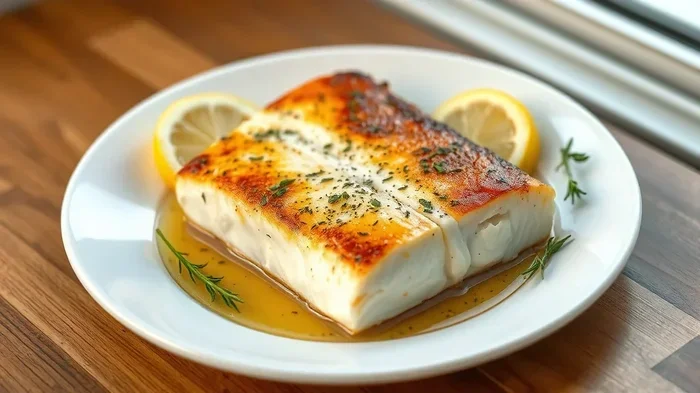
What Temperature Should You Cook Mahi Mahi In The Oven
Cooking mahi mahi in the oven is simple when you know the right temperature and timing. The ideal oven temperature to cook mahi mahi is 400°F, which delivers a perfectly golden, flaky fillet in just 15 to 20 minutes. Whether you are a beginner or a seasoned home cook, this guide covers everything you need to know about mahimaahi oven temperature, seasoning, cooking times, and common mistakes to avoid.
Key Takeaways
- Best Temperature: 400°F is the sweet spot for oven-baked mahi mahi, giving you a moist, flaky result with a beautiful golden crust.
- Cooking Time: Most mahi mahi fillets need only 15 to 20 minutes at 400°F, depending on thickness.
- Internal Temperature: Always aim for 145°F internal temperature for food safety and perfect doneness.
- Seasoning Matters: Simple seasonings like lemon, garlic, and herbs elevate the natural flavor of this white fish.
- Avoid Overcooking: Mahi mahi dries out quickly, so watch it closely and use a fish thermometer.
- Prep Tips: Pat the fillet dry, preheat the oven, and use a lined baking sheet for the best results.
- Versatile Dish: Mahi mahi works with countless flavor profiles, from Mediterranean to spicy Cajun styles.
📑 Table of Contents
- The Best Oven Temperature For Mahi Mahi
- How Long To Cook Mahi Mahi In The Oven
- Tips For Perfect Oven-Baked Mahi Mahi
- Seasoning Ideas And Flavor Combinations
- Common Mistakes People Make When Baking Mahi Mahi
- How To Tell When Mahi Mahi Is Done
- Comparison: Different Oven Temperatures For Mahi Mahi
- Serving Suggestions And Side Dishes
- Storing And Reheating Leftover Mahi Mahi
- Health Benefits Of Mahi Mahi
- Final Thoughts On Cooking Mahi Mahi In The Oven
The Best Oven Temperature For Mahi Mahi
If you have ever wondered what temperature to cook mahi mahi in the oven, you are not alone. This firm, delicious white fish is a favorite among seafood lovers. But getting the temperature right makes all the difference between a dry, bland fillet and a restaurant-quality dish.
The short answer is 400°F (200°C). This temperature works beautifully for most mahi mahi fillets. It cooks the fish evenly, creates a lovely golden exterior, and keeps the inside moist and flaky. Many home cooks and professional chefs agree that 400°F is the go-to oven temperature for this type of fish.
But why 400°F specifically? Well, this temperature is hot enough to sear the outside quickly. That sear locks in moisture and gives you that appealing golden-brown color. At the same time, it is not so hot that the fish dries out before the center cooks through. It is the perfect balance for a fillet that is about half an inch to one inch thick.
If your fillet is thinner than half an inch, you might want to drop the temperature slightly to 375°F. Thinner fillets cook faster, and a slightly lower temperature gives you more control. On the other hand, if your fillet is thicker than one inch, you can bump the heat up to 425°F. This helps the center cook through without overcooking the edges.
The beauty of mahi mahi is that it is forgiving. It does not fall apart easily like some delicate fish. This makes it a great choice for oven cooking, even for beginners who are still building confidence in the kitchen.
Why Oven Temperature Matters So Much
Temperature is the single most important factor when baking fish. Too low, and the fish steams instead of baking. This leads to a mushy texture and pale color. Too high, and the outside burns while the inside stays raw.
Getting the oven temperature right ensures even cooking from edge to center. It also affects how the fish flakes. At the correct temperature, mahi mahi breaks apart in soft, juicy chunks. That is exactly what you want from a great piece of fish.
Another reason temperature matters is food safety. Fish needs to reach an internal temperature of 145°F to be considered safe to eat. Using the right oven temperature helps you hit that target without overcooking the fillet.
How Long To Cook Mahi Mahi In The Oven
Temperature and time go hand in hand. Knowing the right cooking time is just as important as knowing the right temperature. So how long should you bake mahi mahi?
For a standard fillet at 400°F, plan for 15 to 20 minutes. This range covers most common fillet thicknesses. A fillet that is about three-quarters of an inch thick will likely need closer to 15 minutes. A thicker fillet, around one inch, may need the full 20 minutes or even a few minutes longer.
Here is a simple guide to help you estimate cooking time based on thickness:
- Thin fillets (less than 0.5 inch): 10 to 12 minutes at 400°F
- Medium fillets (0.5 to 0.75 inch): 12 to 15 minutes at 400°F
- Standard fillets (0.75 to 1 inch): 15 to 20 minutes at 400°F
- Thick fillets (over 1 inch): 20 to 25 minutes at 400°F or 425°F
These times are estimates. Every oven is different. Some ovens run hot, while others run cool. The best approach is to start checking the fish a few minutes before the estimated time is up. Use a fish thermometer to check the internal temperature. When it hits 145°F, your mahi mahi is ready.
Does Fillet Thickness Change Everything?
Absolutely. Thickness is the biggest variable in mahi mahi cooking time. A thin fillet will go from perfect to overcooked in just a couple of minutes. That is why many cooks prefer thicker fillets for oven baking. They give you a wider window of perfection.
If you only have thin fillets, consider covering the pan with foil for the first half of cooking. This traps steam and helps the fish stay moist. Then remove the foil for the last few minutes to crisp up the top.
Also, keep in mind that frozen mahi mahi will take longer to cook than fresh fillets. If you are cooking from frozen, add about 5 to 10 extra minutes to the cooking time. Make sure the fish is fully thawed for the most even results, though.
Tips For Perfect Oven-Baked Mahi Mahi
Getting the temperature and time right is the foundation. But a few extra tips can take your mahi mahi from good to outstanding. Here are some tried-and-true methods that make a real difference.
Pat The Fillet Dry Before Seasoning
This is one of the simplest tips that many people overlook. Before you put the mahi mahi in the oven, pat it dry with a paper towel. Moisture on the surface creates steam, which prevents the fish from getting crispy. A dry surface means better browning and a more appealing texture.
After patting dry, season the fillet generously. Salt and pepper are a great starting point. But you can also add garlic powder, paprika, or dried herbs like thyme and oregano. A light brush of olive oil helps the seasonings stick and adds flavor.
Preheat Your Oven Properly
Do not skip this step. Preheating the oven to 400°F before the fish goes in ensures even cooking from the very first minute. If you put the fish in a cold oven, it will cook unevenly. The outside will overcook while the inside struggles to reach the right temperature.
Give your oven at least 10 to 15 minutes to reach the target temperature. Most ovens have a light or indicator that tells you when they are ready. Trust that preheating step. It makes a noticeable difference in the final result.
Use A Baking Sheet Lined With Parchment Paper
Lining your baking sheet with parchment paper or a silicone mat prevents the fish from sticking. It also makes cleanup a breeze. You can place the mahi mahi directly on the lined sheet or use a lightly oiled wire rack for even better air circulation.
A wire rack is a secret weapon for baking fish. It allows hot air to flow around the fillet from below. This means the bottom side gets just as golden and crispy as the top. No more soggy bottoms.
Let The Fish Rest After Cooking
Once the mahi mahi comes out of the oven, let it rest for 2 to 3 minutes before serving. This allows the juices to redistribute throughout the fillet. If you cut into it immediately, some of that delicious moisture will run out onto the plate instead of staying in the fish.
Seasoning Ideas And Flavor Combinations
One of the best things about mahi mahi is that it pairs well with so many flavors. The fish has a mild, slightly sweet taste that absorbs seasonings beautifully. Here are some popular combinations to try.
Mediterranean Style
Top your mahi mahi with olive oil, minced garlic, sliced tomatoes, Kalamata olives, and fresh basil. A squeeze of lemon juice at the end brightens everything up. This combination brings a taste of the Mediterranean coast right to your dinner table.
Citrus Herb
Mix fresh lemon zest, chopped parsley, dill, and a bit of butter. Spread this over the fillet before baking. The citrus cuts through the richness of the fish and adds a refreshing zing. This is probably the most popular way to prepare mahi mahi in the oven.
Spicy Cajun
If you like a little heat, try a Cajun seasoning blend. Paprika, cayenne pepper, garlic powder, onion powder, and dried oregano make a fantastic rub. The spice adds a bold kick that pairs perfectly with the mild sweetness of the fish.
Asian-Inspired
For something different, brush the fillet with a mix of soy sauce, sesame oil, ginger, and a touch of honey. Top with sliced green onions and sesame seeds after baking. This gives you a flavor profile that feels fresh and exciting.
Common Mistakes People Make When Baking Mahi Mahi
Even experienced cooks make mistakes when baking fish. Here are the most common ones and how to avoid them.
Overcooking The Fish
This is the number one mistake. Mahi mahi goes from perfectly done to dry and rubbery very quickly. The fish continues to cook slightly even after you take it out of the oven. So pull it off the heat when it is just barely done. The internal temperature should be around 145°F, and the flesh should flake easily with a fork but still look moist.
Not Preheating The Oven
Putting fish in a cold oven leads to uneven cooking. The fillet spends too much time in the temperature danger zone. Always preheat. It takes just a few minutes and makes a big difference.
Using A Dirty Or Unprepared Pan
If your baking sheet is not lined or lightly oiled, the fish will stick. This makes it harder to serve and can break apart the fillet. A little preparation goes a long way toward a clean, beautiful presentation.
Skipping The Thermometer
guessing is not a reliable method. Invest in a simple instant-read thermometer. It takes the guesswork out of cooking fish and ensures your mahi mahi is always safe and perfectly done.
Crowding The Pan
If you are cooking multiple fillets, give them space. Crowding the pan traps steam and prevents proper browning. Each fillet should have room to breathe. If necessary, use two baking sheets.
How To Tell When Mahi Mahi Is Done
Knowing when your mahi mahi is finished cooking is a skill that comes with a little practice. Here are the three most reliable ways to check.
Use a thermometer. Insert an instant-read thermometer into the thickest part of the fillet. When it reads 145°F, the fish is done. This is the most accurate method and takes the guesswork out entirely.
Check the color. Properly cooked mahi mahi is opaque white throughout. If you see any translucent or raw-looking areas in the center, it needs more time. The fish should also have a slight golden color on the outside.
The fork test. Gently press the top of the fillet with a fork. If the flesh flakes apart easily and looks moist, it is done. If it resists flaking or looks dry, it needs a little more time in the oven.
Remember, mahi mahi continues to cook after you remove it from the oven. So pull it off when it is just slightly underdone. It will reach the perfect temperature during the resting period.
Comparison: Different Oven Temperatures For Mahi Mahi
Not sure which temperature to choose? Here is a quick comparison of the most common options.
| Temperature | Best For | Cooking Time (per inch) | Result |
|---|---|---|---|
| 375°F | Thin fillets, gentle cooking | 18 to 22 minutes | Moist, tender, less browning |
| 400°F | Standard fillets, most recipes | 15 to 20 minutes | Golden crust, moist inside |
| 425°F | Thick fillets, crispy skin | 12 to 18 minutes | Crispy exterior, slightly faster cook |
For most home cooks, 400°F is the best all-around choice. It gives you a great balance of flavor, texture, and cooking time. But feel free to experiment with different temperatures based on your fillet thickness and personal preference.
Serving Suggestions And Side Dishes
Mahi mahi is versatile and pairs well with many sides. Here are some ideas to round out your meal.
- Rice: A fluffy bowl of jasmine or cilantro lime rice complements the fish perfectly.
- Roasted vegetables: Asparagus, zucchini, and cherry tomatoes roasted in the same oven make an easy one-pan meal.
- Salad: A light mixed greens salad with a lemon vinaigrette adds freshness and balance.
- Grilled corn: Charred corn on the cob with a little butter and chili powder is a summer favorite.
- Quinoa: A protein-packed quinoa salad with cucumber, tomato, and feta cheese works wonderfully.
The right side dish can turn a simple baked fillet into a complete, satisfying meal. Keep it simple and let the mahi mahi be the star of the plate.
Storing And Reheating Leftover Mahi Mahi
If you have leftovers, store them in an airtight container in the refrigerator. Cooked mahi mahi keeps well for up to 3 days. When you are ready to eat it again, reheating is the tricky part. The microwave can dry out fish quickly.
The best way to reheat mahi mahi is in the oven at 300°F for about 10 minutes. Cover the fillet loosely with foil to trap moisture. This method preserves the texture much better than microwaving. You can also reheat it gently in a skillet with a little oil on medium-low heat.
Health Benefits Of Mahi Mahi
Beyond its great taste, mahi mahi is a nutritious choice. It is a lean source of protein with about 20 grams of protein per 3-ounce serving. It is also rich in omega-3 fatty acids, which support heart health and reduce inflammation.
Mahi mahi provides important vitamins and minerals too. It contains vitamin B12, which supports nerve function and energy levels. It also has selenium, a powerful antioxidant that helps protect your cells. Potassium and phosphorus are present in good amounts as well.
Because mahi mahi is low in fat and calories, it is a great option for people watching their weight or following a healthy diet. Baking it in the oven is one of the healthiest ways to prepare it, as it requires little to no added fat.
Final Thoughts On Cooking Mahi Mahi In The Oven
Learning what temperature to cook mahi mahi in the oven opens up a world of delicious, healthy meals. The process is straightforward, the results are impressive, and the cleanup is minimal. With 400°F as your starting point, a reliable timer, and a fish thermometer, you will serve perfectly baked mahi mahi every single time.
Remember to pat the fillet dry, preheat the oven, season generously, and keep an eye on the cooking time. Avoid the common mistakes that lead to dry, overcooked fish. And most importantly, have fun experimenting with different flavors and seasonings.
Mahi mahi is one of the most approachable fish for home cooking. It is forgiving, flavorful, and quick to prepare. Once you master the basic oven temperature and timing, you can get creative with marinades, glazes, and side dishes. Your family and guests will be impressed with a restaurant-quality meal that you made in your own kitchen.
So the next time you are at the grocery store or fish market, pick up a fresh mahi mahi fillet. Preheat your oven to 400°F. And get ready to enjoy one of the best seafood dishes you have ever made at home.
Frequently Asked Questions
What is the best temperature to cook mahi mahi in the oven?
The best oven temperature to cook mahi mahi is 400°F. This temperature ensures the fish cooks evenly, develops a golden crust, and stays moist and flaky on the inside. For thinner fillets, you can lower it to 375°F, and for thicker cuts, 425°F works well too.
How long does it take to bake mahi mahi at 400°F?
Most mahi mahi fillets bake at 400°F for 15 to 20 minutes. The exact time depends on the thickness of the fillet. A standard three-quarter-inch fillet will be done in about 15 minutes, while thicker fillets may need the full 20 minutes or a bit more.
What internal temperature should mahi mahi reach?
Mahi mahi should reach an internal temperature of 145°F for food safety. Use an instant-read thermometer inserted into the thickest part of the fillet to check. The fish should also flake easily with a fork and look opaque white throughout.
Can you cook frozen mahi mahi in the oven?
Yes, you can cook frozen mahi mahi in the oven, but it will take longer than fresh fish. Add about 5 to 10 extra minutes to the cooking time. For the best results, thaw the fish in the refrigerator overnight before baking for more even cooking.
How do I keep mahi mahi from drying out in the oven?
To keep mahi mahi moist, pat the fillet dry before seasoning, do not overcook it, and let it rest for a few minutes after removing it from the oven. Brushing the fillet with a little olive oil or melted butter before baking also helps retain moisture. Using foil for the first half of cooking is another helpful trick.
What are the best seasonings for oven-baked mahi mahi?
Mahi mahi pairs well with many seasonings. Popular choices include lemon zest, garlic, fresh herbs like dill and parsley, paprika, and a drizzle of olive oil. For bolder flavor, try Cajun spices, soy sauce and ginger, or a simple salt, pepper, and lemon combination. The mild flavor of mahi mahi absorbs seasonings beautifully.
=== CONCLUSION ===
Cooking mahi mahi in the oven at the right temperature is one of the easiest ways to enjoy this delicious fish at home. The ideal mahi mahi oven temperature is 400°F, which delivers a golden, flaky fillet in just 15 to 20 minutes. Remember to check the internal temperature at 145°F, avoid overcooking, and experiment with different seasonings to keep things interesting.
Whether you are a beginner or a seasoned cook, mastering the oven temperature for mahi mahi will elevate your seafood cooking to the next level. With the tips and techniques in this guide, you have everything you need to prepare a perfectly baked mahi mahi fillet every time. So preheat that oven, grab a fresh fillet, and enjoy a healthy, flavorful meal that the whole family will love.