How To Bake Chicken Legs In The Oven At 350 Degrees
Baking chicken legs in the oven at 350 degrees is the easiest way to get tender, juicy meat with crispy skin. This method works for both bone-in chicken legs and drumsticks with minimal effort. You will learn the right baking temperature, cooking time, and seasoning tips to nail this oven-baked chicken recipe every time. Whether you are a beginner or a seasoned cook, this guide covers everything you need for perfect roasted chicken legs.
There is something truly special about baking chicken legs in the oven at 350 degrees. The smell that fills your kitchen as the chicken roasts is absolutely irresistible. Plus, this method is incredibly simple. You do not need any fancy equipment or years of cooking experience. Just a few basic ingredients, a hot oven, and a little patience, and you will have restaurant-quality roasted chicken legs on your plate.
Many people overcomplicate oven-baked chicken. They worry about drying it out or getting the timing wrong. But here is the truth. Baking chicken legs at 350°F is one of the most forgiving cooking methods you can use. The bone-in cut holds moisture beautifully, and the moderate temperature gives the skin plenty of time to turn golden and crispy without burning. Whether you are feeding a family of four or hosting a weekend gathering, this approach never lets you down.
This guide walks you through every single step. From choosing the right chicken legs to picking the perfect seasoning blend, we have you covered. You will also learn about cooking time, internal temperature, and the little tricks that separate good chicken from great chicken. By the end, you will feel confident enough to make this dish on autopilot.
Key Takeaways
- 350°F is the ideal baking temperature for chicken legs, ensuring even cooking and juicy results.
- Bone-in chicken legs take about 40 to 50 minutes at 350 degrees to reach a safe internal temperature of 165°F.
- Patting the chicken dry and using a wire rack are the secrets to crispy skin.
- Resting the chicken for 5 to 10 minutes after baking keeps the juices locked in.
- A simple seasoning blend of olive oil, garlic, paprika, and salt transforms basic chicken into a flavor-packed dish.
- Using an oven-safe thermometer removes all guesswork and guarantees perfectly cooked chicken every time.
- Convection ovens can reduce baking time by about 5 to 10 minutes compared to standard ovens.
📑 Table of Contents
- Why Baking Chicken Legs at 350°F Works So Well
- What You Need to Get Started
- Step-by-Step Guide to Baking Chicken Legs at 350
- How Long to Bake Chicken Legs at 350 Degrees
- Tips for Crispy, Juicy Chicken Every Time
- Common Mistakes to Avoid When Baking Chicken Legs
- Expert Insights: Elevating Your Baked Chicken Legs
- Frequently Asked Questions
- Conclusion
Why Baking Chicken Legs at 350°F Works So Well
The baking temperature of 350 degrees Fahrenheit is a sweet spot for chicken legs. It is hot enough to render the fat under the skin and create that satisfying crunch. Yet it is gentle enough to cook the meat through without drying it out. This balance is what makes baked chicken legs so reliable.
At higher temperatures, the skin can burn before the inside is fully cooked. At lower temperatures, the chicken spends too long in the oven and loses moisture. 350°F hits the perfect middle ground. The heat circulates evenly around the chicken, cooking the meat slowly and consistently. This is especially important for bone-in chicken, which takes a bit longer to cook through than boneless cuts.
The Science Behind Even Cooking
When you place chicken legs in a 350-degree oven, the heat slowly penetrates through the skin and into the meat. The fat underneath the skin begins to melt and baste the chicken from the inside. This self-basting effect keeps the juicy chicken moist throughout the cooking process. The bone also plays a role. It conducts heat inward, helping the meat cook evenly from the center outward.
Another reason 350°F works so well is that it allows the collagen in the connective tissue to break down gradually. This is what gives roasted chicken legs that fall-off-the-bone tenderness. Rush the process with a higher temperature, and you risk tough, chewy meat. Keep it steady at 350, and the results speak for themselves.
What You Need to Get Started
Before you start baking chicken legs at 350, gather your ingredients and tools. Having everything ready makes the process smooth and enjoyable. Here is what you need.
Ingredients for Perfect Seasoned Chicken Legs
- Chicken legs or drumsticks — bone-in, skin-on for the best results
- Olive oil or melted butter — helps the seasoning stick and promotes browning
- Kosher salt — seasons the meat deeply and helps crisp the skin
- Black pepper — adds a gentle heat and earthy flavor
- Garlic powder — a classic pairing that enhances the natural chicken flavor
- Paprika — adds color and a subtle smoky sweetness
- Onion powder — brings depth and warmth to the seasoning blend
- Fresh herbs like thyme or rosemary — optional but highly recommended
Tools You Will Need
- Baking sheet — a sturdy, rimmed sheet works best
- Parchment paper or aluminum foil — makes cleanup a breeze
- Wire cooling rack — this is the secret to crispy skin on all sides
- Oven-safe meat thermometer — the single most important tool for perfect chicken
- Mixing bowl — for tossing the chicken with oil and seasoning
- Tongs — for handling the chicken safely
Quick Tips for Ingredient Selection
Choose chicken legs that are similar in size. This ensures they cook at the same rate. Look for chicken with creamy-colored skin and no unpleasant odor. If you can, buy organic or free-range chicken. It tends to have better flavor and a more satisfying texture. Avoid pre-packaged legs that are sitting in excess liquid, as this can make the skin soggy.
Step-by-Step Guide to Baking Chicken Legs at 350
Now for the fun part. Here is the complete process for oven-baked chicken legs that come out perfectly every time. Follow these steps and you will never second-guess your results.
Step 1: Preheat Your Oven
Start by preheating your oven to 350°F. Give it at least 15 to 20 minutes to reach the right temperature. A properly preheated oven is essential for even cooking and crispy skin. If you use a convection oven, you can reduce the temperature slightly to 325°F for similar results.
Step 2: Prep the Chicken Legs
Remove the chicken legs from the refrigerator about 20 minutes before baking. This lets them come closer to room temperature, which promotes more even cooking. Pat them thoroughly dry with paper towels. Dry skin crisps up much better than wet skin. This is one of the most overlooked steps in roasting chicken legs.
Step 3: Season Generously
In a mixing bowl, combine your olive oil, salt, pepper, garlic powder, paprika, onion powder, and any dried herbs you like. Toss the chicken legs in this mixture until they are evenly coated. Do not be shy with the seasoning. The chicken seasoning blend needs enough salt and spice to penetrate through the skin and into the meat.
Step 4: Arrange on a Wire Rack
Place a wire rack over your baking sheet. Lay the chicken legs on the rack with space between each piece. This allows hot air to circulate all around the chicken, which is the key to evenly crispy skin. If you do not have a wire rack, you can place the chicken directly on a foil-lined baking sheet, but the results will not be quite as crispy.
Step 5: Bake and Monitor
Place the baking sheet in the center of the oven. Set a timer and let the chicken bake undisturbed. Resist the urge to open the oven door too often, as this drops the temperature and can affect the cooking process. Use your oven-safe thermometer to check the internal temperature near the end of cooking.
Step 6: Rest and Serve
Once the internal temperature reaches 165°F, remove the chicken from the oven. Let it rest on the rack for 5 to 10 minutes. This resting period allows the chicken juices to redistribute throughout the meat. The result is juicier, more flavorful bites. Serve alongside roasted vegetables, mashed potatoes, or a fresh salad for a complete meal.
How Long to Bake Chicken Legs at 350 Degrees
The baking time for chicken legs at 350°F depends on a few factors. The size of the chicken legs, whether they are bone-in or boneless, and your specific oven all play a role. Here is a general guide to help you plan.
Standard Baking Times at 350°F
- Small drumsticks (4-5 oz each): 35 to 40 minutes
- Regular chicken legs (6-8 oz each): 40 to 45 minutes
- Large chicken legs (9+ oz each): 45 to 55 minutes
- Frozen chicken legs (not recommended, but possible): 60 to 70 minutes
These times are guidelines. The most reliable way to know your chicken legs are done is to use a meat thermometer. Insert it into the thickest part of the meat, avoiding the bone. When it reads 165°F, your chicken is safe to eat.
How to Tell When Baked Chicken Legs Are Done
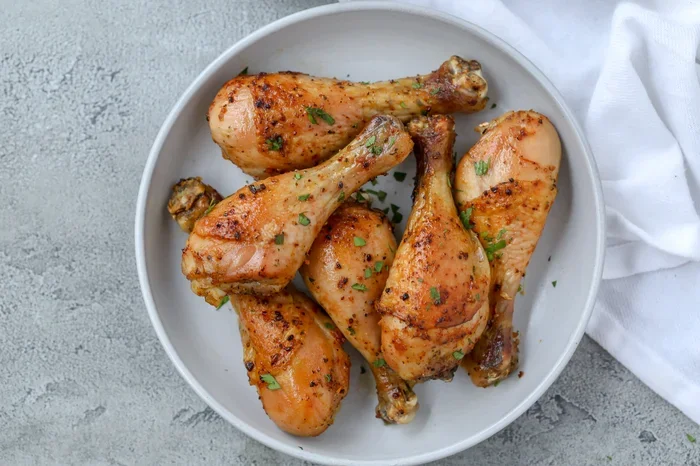
Beyond the thermometer, there are a few visual and tactile signs. The skin should be deep golden brown and slightly caramelized. When you pierce the thickest part of the meat, the juices should run clear, not pink. The meat should feel firm but springy when you press it. If you cut into a chicken leg and the meat near the bone still looks pink, it needs more time.
| Chicken Leg Size | Baking Time at 350°F | Internal Temp Goal |
|---|---|---|
| Small drumsticks (4-5 oz) | 35-40 minutes | 165°F |
| Regular chicken legs (6-8 oz) | 40-45 minutes | 165°F |
| Large chicken legs (9+ oz) | 45-55 minutes | 165°F |
| Frozen chicken legs | 60-70 minutes | 165°F |
Tips for Crispy, Juicy Chicken Every Time
Getting crispy chicken skin while keeping the meat juicy is an art, but it is one anyone can master. Here are the tips that make the biggest difference.
Use a Wire Rack
This cannot be stressed enough. A wire rack elevates the chicken above the baking sheet, allowing hot air to flow underneath. Without a rack, the skin on the bottom side gets soggy from sitting in its own rendered fat. A wire cooling rack costs just a few dollars and transforms your results.
Dry the Chicken Thoroughly
Moisture is the enemy of crispy skin. After patting the chicken dry with paper towels, you can take it a step further. Place the seasoned chicken on a wire rack in the refrigerator for 30 minutes or even overnight. This dries the surface even more, leading to extra crispy skin when it hits the hot oven.
Do Not Overcrowd the Pan
Give each chicken leg plenty of space. Overcrowding traps steam and creates uneven cooking. If you are baking a large batch, use two baking sheets and rotate them halfway through cooking. The extra effort makes a noticeable difference.
Brush with Butter or Oil Partway Through
About halfway through the baking time, open the oven and quickly brush the chicken legs with a little more olive oil or melted butter. This adds another layer of richness and helps the skin turn an even, beautiful golden color. It is a small step with a big payoff.
Let the Chicken Rest
Never skip the resting step. When you take the roasted chicken legs out of the oven, the internal temperature will continue to rise by a few degrees. This carryover cooking finishes the job perfectly. More importantly, resting gives the muscle fibers time to relax and reabsorb their juices. Skip this, and you risk dry, tough chicken.
Common Mistakes to Avoid When Baking Chicken Legs
Even experienced cooks make mistakes with oven-baked chicken. Here are the most common ones and how to avoid them.
Skipping the Preheat
Putting chicken into a cold oven leads to uneven cooking and longer bake times. Always preheat to 350°F before placing the chicken inside. This ensures the skin starts crisping immediately and the cooking process begins right away.
Using Too Much Seasoning
It might seem counterintuitive, but you can overdo it. Too much salt can make the chicken taste overly salty and draw out moisture. Too much spice can burn at high temperatures. Use a balanced seasoning blend and taste as you go. Less is sometimes more.
Not Using a Thermometer
guessing whether chicken is done is a recipe for disappointment. Undercooked chicken is unsafe, and overcooked chicken is dry and tasteless. An oven-safe thermometer takes the guesswork out completely. Invest in a good one and use it every time.
Opening the Oven Door Too Often
Every time you open the oven door, you lose heat and temperature. This can extend your cooking time and prevent the skin from crisping properly. Check the chicken only when you need to, and use the oven light to monitor progress.
Forgetting to Rest the Chicken
Cutting into baked chicken legs immediately after removing them from the oven releases all the juices onto the cutting board. You lose all that moisture and flavor. Always let the chicken rest for at least 5 minutes before serving.
Expert Insights: Elevating Your Baked Chicken Legs
Want to take your roasted chicken legs to the next level? Here are some pro tips that make a real difference.
Try a Dry Brine for Extra Flavor and Crispiness
A dry brine is incredibly simple. Rub the chicken legs generously with salt and place them uncovered in the refrigerator for 2 to 24 hours. The salt draws out moisture, which then gets reabsorbed into the meat. This seasons the chicken deeply and dries the surface for maximum crispiness. When you are ready to bake, simply pat them dry, add your other seasonings, and pop them in the oven.
Add a Glaze in the Last 10 Minutes
For a restaurant-style finish, brush the chicken legs with a glaze during the last 10 minutes of baking. Honey mustard, barbecue sauce, or a simple mixture of honey and soy sauce all work beautifully. The glaze caramelizes quickly in the hot oven and adds a glossy, flavorful finish to your golden brown chicken.
Pair with Vegetables for a One-Pan Meal
Toss potatoes, carrots, onions, or bell peppers around the chicken on the baking sheet. As the chicken roasts, its juices drip down and flavor the vegetables. You get a complete meal with minimal cleanup. Just make sure to cut the vegetables into similar-sized pieces so they cook at the same rate.
Convection vs. Conventional Oven
If you have a convection oven, use the convection setting for baking chicken legs. The fan circulates hot air more efficiently, which promotes even browning and slightly faster cooking. Reduce the temperature by 25°F and check the chicken about 5 to 10 minutes earlier than the standard time.
Frequently Asked Questions
Can I bake chicken legs at 350 from frozen?
Yes, you can bake frozen chicken legs at 350°F, but you will need to increase the cooking time significantly. Expect them to take about 60 to 70 minutes. Make sure the internal temperature reaches 165°F before serving. Keep in mind that frozen chicken may release more moisture, which can affect how crispy the skin gets.
How do I know when baked chicken legs are done without a thermometer?
Without a thermometer, you can check by piercing the thickest part of the meat. The juices should run clear, not pink. The meat should feel firm and spring back when pressed. However, a meat thermometer is always the most reliable method. It removes all doubt and ensures food safety every time.
Can I use chicken thighs instead of chicken legs?
Absolutely. Chicken thighs work just as well in this recipe. They are even more forgiving than chicken legs because they have more fat content, which keeps them moist. Thighs will take about the same amount of time at 350°F, but always use the thermometer to confirm doneness.
What is the best way to store leftover baked chicken legs?
Let the chicken cool completely, then store it in an airtight container in the refrigerator. Oven-baked chicken keeps well for up to 4 days. To reheat, place the chicken in the oven at 350°F for about 10 to 15 minutes. Avoid microwaving if you want to keep the skin crispy. The oven reheats it gently and preserves the texture much better.
Should I cover chicken legs with foil while baking?
Generally, no. Leaving the chicken uncovered allows the skin to crisp up properly. However, if your oven runs very hot or you notice the skin browning too quickly, you can loosely tent the pan with foil for the last 10 minutes of baking. This prevents burning while still allowing the meat to finish cooking through.
Can I add sauce before or after baking?
It is best to add sauces and glazes during the last 10 to 15 minutes of baking. Applying sauce too early can cause it to burn and turn bitter because of the sugar content. If you prefer a thicker, more caramelized coating, brush it on twice during those final minutes for the best flavor and appearance.
Conclusion
Baking chicken legs in the oven at 350 degrees is one of the simplest and most satisfying ways to cook chicken. It requires minimal effort, basic ingredients, and a little patience. The results are juicy, flavorful chicken with crispy golden skin that everyone will love. Whether you are preparing a weeknight dinner or a weekend feast, this method delivers every single time.
Remember the key points. Use a wire rack, dry your chicken well, season generously, and always check the internal temperature with a thermometer. Avoid common mistakes like skipping the preheat or cutting into the chicken too early. With these tips in your kitchen toolkit, you are set up for success.
Now it is your turn. Preheat that oven to 350°F, grab some chicken legs, and get cooking. Once you try this method, you will never go back to complicated recipes or takeout again. Oven-baked chicken legs are a timeless comfort food, and now you know exactly how to make them perfectly. Enjoy every bite.