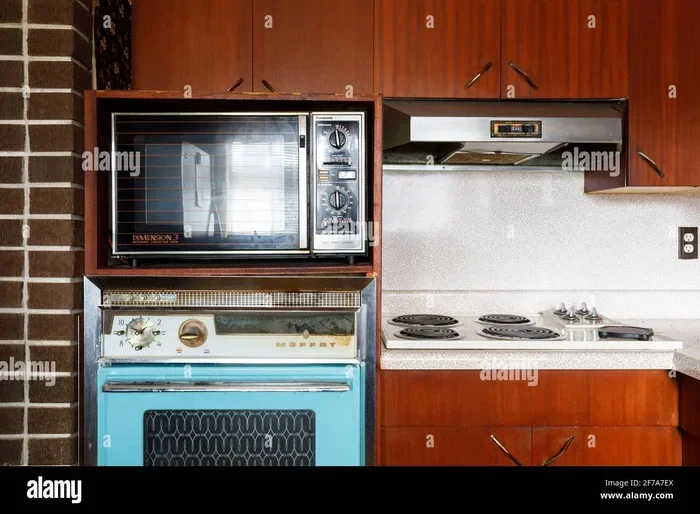
When Were Microwave Ovens First Available To The Public
Microwave ovens first became available to the public in the late 1960s and early 1970s, after decades of development in radar technology. The first home microwave, the Amana Radarange, launched in 1967 and cost around $495. Today, microwave ovens are one of the most essential kitchen appliances found in nearly every household worldwide.
Key Takeaways
- Microwave ovens entered the consumer market in the late 1960s, making cooking and reheating faster than ever before.
- Percy Spencer invented the first microwave oven concept in 1945 while working with radar technology at Raytheon.
- The first home microwave model was the Amana Radarange, released in 1967 at a price of about $495.
- Early microwave ovens were huge and expensive, but prices dropped significantly by the mid-1970s.
- Modern microwaves offer features like sensor cooking, inverter technology, and smart connectivity that early models never had.
- Microwave safety is well-established, and health organizations confirm that microwave cooking is safe and nutritious.
- Today, over 90% of American households own a microwave, making it one of the most popular kitchen appliances ever.
📑 Table of Contents
Opening Summary
Have you ever wondered when were microwave ovens first available to the public? The answer might surprise you. Microwave ovens have been a staple in kitchens for over fifty years, but their journey from a military radar technology to a household kitchen appliance is truly fascinating. The first domestic microwave hit store shelves in the late 1960s, and it looked nothing like the slim, sleek countertop microwave you might have today.
When were microwave ovens first available to the public is a story filled with innovation, high prices, and slow adoption. It took nearly two decades from the initial invention to the moment families could actually buy one for their homes. In this article, we will walk through the full microwave history, from the first radar-based discovery to the affordable home microwave models we use every day.
You will learn about the inventors behind the technology, the early commercial microwave models, how prices changed over time, and why the microwave oven became one of the most popular kitchen appliances in history. Whether you are a cooking enthusiast or just curious about microwave technology, this guide covers it all.
Introduction
The microwave oven is one of the most taken-for-granted kitchen appliances in modern life. We use it to reheat leftovers, cook frozen meals, and even bake desserts. But the road from a radar lab to your kitchen counter was long and full of surprises. When were microwave ovens first available to the public? The short answer is the late 1960s, but the full story goes back to World War II and a happy accident involving melted candy.
Understanding the microwave history helps us appreciate how far microwave cooking has come. Early models were massive, heavy, and cost more than a car. Today, you can pick up a reliable microwave oven for under $100. Let us dive into this incredible journey and explore every milestone along the way.
The Invention of the Microwave Oven
How Radar Technology Led to Cooking
The story of the microwave oven begins not in a kitchen but in a radar technology lab during World War II. Engineers were working on magnetrons, which are the devices that generate microwave radiation used in radar systems. These magnetrons could produce short bursts of microwave energy that helped detect enemy aircraft.
Nobody at the time imagined that this same microwave technology could be used for cooking food. The connection between radar waves and heating food was discovered by accident, and it changed the way we prepare meals forever. The microwave oven invention is one of the most unexpected breakthroughs in the history of kitchen appliances.
Percy Spencer’s Breakthrough Moment
The man credited with the microwave oven invention is Percy Spencer, an engineer at the Raytheon Corporation. In 1945, Spencer was working on an active magnetron for radar sets when he noticed something strange. A chocolate bar in his pocket had melted.
Spencer did not just shrug it off. He was curious and wanted to understand what happened. He experimented by placing popcorn kernels near the magnetron, and they popped. Then he tried an egg, which exploded. These simple experiments proved that microwave energy could generate enough heat to cook food. Spencer filed a patent for the microwave cooking process, and the race to build a practical microwave oven began.
The First Microwave Oven: The Radarange
The very first microwave oven built for commercial use was called the Radarange. It was introduced by Raytheon in 1947, but it was not something you could buy for your home. The Radarange stood nearly six feet tall and weighed over 750 pounds. It used water-cooled magnetrons and was extremely expensive to produce.
The first commercial microwave units were sold to restaurants, hospitals, and military facilities. They were used to keep food warm and to speed up meal preparation in large-scale settings. The Radarange was a marvel of microwave technology, but it was far from the convenient home microwave we know today.
When Microwave Ovens Became Available to the Public
The First Home Microwave Models
So, when were microwave ovens first available to the public for home use? The answer came in 1967, when Amana, a division of Raytheon, released the first domestic microwave designed for regular households. This model was called the Amana Radarange, and it marked a huge step forward in microwave history.
The Amana Radarange was still large and heavy compared to modern countertop microwave units, but it was small enough to fit in a typical kitchen. It retailed for about $495 in 1967, which is roughly $4,000 in today’s money. Despite the high microwave price, it was an instant hit among families who wanted to save time on cooking and reheating.
The early consumer microwave models were simple by today’s standards. They had basic microwave timers and a few power settings. There were no digital displays, no preset cooking programs, and no sensor technology. But people loved the speed and convenience of microwave cooking, and sales grew steadily through the early 1970s.
How Much Did the First Home Microwave Cost?
The microwave price was the biggest barrier to widespread adoption in the 1960s. At nearly $500, the first home microwave oven was a luxury item. Most American families in 1967 earned about $7,000 per year, so spending a full month’s salary on a single appliance was a big decision.
However, as microwave technology improved and manufacturing costs dropped, prices fell rapidly. By the mid-1970s, you could buy a basic home microwave for around $200 to $300. This made microwave cooking accessible to a much wider audience. By 1975, about one in four American households owned a microwave oven, and the number kept climbing through the 1980s and 1990s.
Today, microwave ovens are among the most affordable kitchen appliances you can buy. A reliable countertop microwave can be purchased for as little as $60 to $100. The dramatic drop in microwave price over the decades is one of the main reasons why nearly every kitchen now has one.
The Slow Rise of Microwave Popularity
Even after microwave ovens became affordable, many people were hesitant to use them. In the 1970s, there were widespread concerns about microwave safety and whether microwave cooking was healthy. Some people believed that microwave radiation could make food dangerous or cause health problems.
Over time, these fears faded as scientific studies confirmed that microwave ovens were perfectly safe when used correctly. Food companies also started offering microwave-ready meals, which helped normalize microwave cooking in everyday life. By the 1980s, the microwave oven had become a standard fixture in American kitchens, and soon the trend spread worldwide.
How Microwave Technology Evolved Over the Decades
From Big and Heavy to Compact and Affordable
The evolution of the microwave oven is a story of constant improvement. The first commercial microwave units were massive and required special installation. The first home microwave models were smaller but still bulky. Early microwave ovens used high-wattage magnetrons that consumed a lot of electricity and generated a lot of heat.
By the 1980s, engineers found ways to make microwave ovens more energy-efficient and compact. The introduction of smaller, lighter components allowed manufacturers to create the slim, sleek designs we see today. Microwave wattage became a key selling point, with most countertop microwave models offering between 700 and 1,200 watts of cooking power.
In the 1990s and 2000s, microwave technology advanced even further. Features like automatic microwave timers, child safety locks, and multi-stage cooking programs became standard. The microwave oven was no longer just a reheating tool; it could bake, defrost, steam, and even air-fry with the right settings.
The Rise of the Countertop Microwave
The countertop microwave is the most common type of microwave oven found in homes today. It sits on the kitchen counter and plugs into a standard electrical outlet. Countertop microwaves come in a wide range of sizes, from compact models that fit in small spaces to large units with capacities over two cubic feet.
One of the biggest advantages of the countertop microwave is its portability. Unlike built-in microwave ovens that are installed into cabinets or walls, a countertop model can be moved easily. This makes it a great option for renters, small apartments, and anyone who wants flexibility in their kitchen appliances setup.
Modern countertop microwaves also offer features that early models could never dream of. Many now include inverter technology, which provides steady, even power for better cooking results. Some models have smart connectivity, allowing you to control the oven with your phone or voice commands. The microwave oven has truly come a long way since the days of the heavy, water-cooled Radarange.
Key Milestones in Microwave Oven Development
Here is a quick timeline of the major milestones in microwave history:
- 1945 – Percy Spencer discovers microwave cooking while working on radar technology at Raytheon.
- 1947 – The first commercial microwave, the Radarange, is introduced. It is massive and extremely expensive.
- 1952 – Raytheon licenses microwave oven technology to other manufacturers, opening the door for wider use.
- 1954 – The first domestic microwave concept is tested, but it is too large and costly for average consumers.
- 1967 – Amana releases the first affordable home microwave, the Radarange, priced at $495.
- 1975 – Microwave prices drop significantly, and one in four American households owns a microwave oven.
- 1980s – Microwave ovens become a standard kitchen appliance, with new features like auto-cook and defrost settings.
- 1990s-2000s – Inverter technology, sensor cooking, and smart features are introduced in countertop microwave models.
- Today – Over 90% of American households own a microwave oven, and prices continue to drop while features continue to improve.
Common Myths and Misconceptions About Microwave Cooking
Does Microwave Cooking Destroy Nutrients?
One of the most persistent myths about microwave cooking is that it destroys all the nutrients in food. This is simply not true. In fact, microwave cooking can actually preserve more nutrients than traditional boiling or frying methods. The short cooking time and minimal use of water help retain vitamins and minerals in vegetables and other foods.
Studies published in nutrition journals have shown that microwave reheating and cooking can be one of the best methods for maintaining the nutritional value of food. The key is to avoid overcooking. Using the right microwave wattage and cooking time ensures that your food is heated evenly without losing its nutritional benefits.
Are Microwaves Safe for Your Health?
Concerns about microwave safety have been around since the first home microwave models appeared in the 1960s. Some people worried that microwave radiation could leak out of the oven and cause health problems. Others believed that microwave cooking made food radioactive or changed its molecular structure in harmful ways.
The truth is that microwave ovens are thoroughly tested and regulated by health and safety organizations worldwide. The microwave radiation used in these ovens is non-ionizing, which means it does not damage DNA or cause cancer. As long as your microwave oven is in good condition and the door seal is intact, there is no health risk associated with microwave cooking. The FDA and other agencies set strict limits on microwave leakage, and all certified ovens must meet these standards before they are sold.
Can You Use Any Container in a Microwave?
Another common misconception is that you can put any container in a microwave oven. In reality, some materials can melt, release harmful chemicals, or even catch fire when exposed to microwave energy. Always use containers that are labeled microwave-safe. Glass, ceramic, and certain plastics are safe for microwave reheating and cooking. Avoid using metal containers, aluminum foil, or styrofoam in your microwave oven.
The Modern Microwave: What You Should Know Today
Features Modern Microwaves Offer
Today’s microwave ovens are lightyears ahead of the first consumer microwave models from the 1960s. Modern countertop microwave units come packed with features that make microwave cooking faster, easier, and more precise than ever before.
Some of the most popular features found in today’s microwave ovens include:
- Sensor cooking – Automatically adjusts power and time based on the food’s moisture level.
- Inverter technology – Provides consistent power for even cooking and defrosting.
- Preprogrammed settings – One-touch buttons for popular foods like popcorn, potatoes, and frozen meals.
- Child safety locks – Prevent accidental operation and keep kids safe.
- Smart connectivity – Control your microwave oven using a smartphone app or voice assistant.
- Quiet operation – Modern microwave ovens are designed to run more quietly than older models.
- Energy efficiency – Newer models use less electricity while delivering better microwave cooking results.
Tips for Buying Your First Microwave
If you are in the market for a new microwave oven, there are a few things you should keep in mind. First, consider the microwave wattage. Higher wattage means faster and more even cooking. Most experts recommend at least 800 to 1,000 watts for a reliable countertop microwave.
Next, think about the size and capacity. Measure the space where you plan to place the oven and make sure the model you choose will fit comfortably. If you have a small kitchen, a compact microwave oven with a capacity of 0.5 to 0.7 cubic feet might be perfect. Larger families may prefer a model with 1.0 cubic feet or more.
Finally, set a budget. Microwave ovens are available at a wide range of price points. You can find a solid, reliable home microwave for as little as $60 to $100. If you want advanced features like sensor cooking or smart connectivity, expect to pay a bit more. The good news is that even budget-friendly models today offer far better performance than the expensive microwave ovens of the 1960s and 1970s.
Conclusion
The story of when microwave ovens first available to the public is a remarkable journey of innovation and everyday convenience. From Percy Spencer’s accidental discovery in 1945 to the affordable countertop microwave sitting on your kitchen counter today, the microwave oven has come a long way. The first home microwave cost nearly $500 in 1967, but today you can get a high-quality microwave oven for a fraction of that price.
Microwave ovens have transformed the way we cook, reheat, and prepare food. They save time, energy, and money, and they are one of the safest and most efficient kitchen appliances ever invented. The microwave history is a testament to human ingenuity and the power of microwave technology to improve everyday life.
Whether you use your microwave oven to reheat yesterday’s dinner, cook a quick breakfast, or prepare a full meal, you are benefiting from decades of innovation. The next time you press the start button on your microwave oven, take a moment to appreciate how far microwave cooking has come since the first domestic microwave was introduced to the public over fifty years ago.
Frequently Asked Questions
When were microwave ovens first invented?
The concept of the microwave oven was invented in 1945 by Percy Spencer, an engineer at Raytheon. He discovered that microwave energy from a magnetron could heat food, leading to the development of the first commercial microwave called the Radarange in 1947.
When did microwave ovens become affordable for regular families?
Microwave ovens became affordable for most families in the mid-1970s. By 1975, the price of a basic home microwave had dropped to around $200 to $300, making microwave cooking accessible to a much wider audience. Today, reliable countertop microwave models can be purchased for as little as $60.
Is microwave cooking safe for health?
Yes, microwave cooking is completely safe. Microwave ovens use non-ionizing radiation, which does not damage DNA or make food radioactive. Health organizations like the FDA confirm that microwave ovens are safe when used correctly and maintained in good condition.
What was the first microwave model available for home use?
The first domestic microwave available to the public was the Amana Radarange, released in 1967. It cost about $495 at the time and was a huge step forward in making microwave technology practical for everyday home cooking and microwave reheating.
How has microwave technology changed over the years?
Microwave technology has evolved dramatically. Early microwave ovens were massive, heavy, and expensive. Modern countertop microwave units are compact, energy-efficient, and packed with features like sensor cooking, inverter technology, and smart connectivity. Microwave wattage and cooking precision have improved significantly over the decades.
Can you bake and cook full meals in a microwave oven?
Absolutely. While many people use their microwave oven mainly for reheating, modern microwaves can bake, steam, defrost, and cook full meals. With the right microwave wattage and cooking settings, you can prepare a wide variety of dishes using your microwave oven as a primary kitchen appliance.