What Is Safe To Put In The Oven The Definitive Guide
Understanding what is safe to put in the oven starts with knowing your materials. Glass, ceramic, metal, and silicone are generally oven-safe, while plastic, styrofoam, and certain adhesives are not. Always check labels, follow temperature limits, and avoid common mistakes that can ruin your cookware or harm your health.
Have you ever wondered if that leftover container can go in the oven? Or maybe you grabbed a dish from the cabinet without checking if it handles heat. These small decisions matter more than you think. Using the wrong item in a hot oven can cause real problems. It can damage your cookware, ruin your food, or even create safety hazards in your kitchen.
This guide answers the question what is safe to put in the oven once and for all. We will walk through every common material, container, and kitchen item. You will learn what works, what does not, and why. Whether you are baking cookies or reheating last night’s dinner, this guide has you covered.
Key Takeaways
- Glass and ceramic bakeware are safe: Most glass and ceramic dishes handle oven heat well when labeled oven-safe.
- Metal pans and foil are reliable: Aluminum foil, metal baking sheets, and stainless steel pans are great for oven use.
- Silicone is heat-resistant: Silicone baking mats and molds work well up to high temperatures.
- Plastic and styrofoam are dangerous: These materials melt and release harmful chemicals in the oven.
- Check temperature limits: Every oven-safe item has a maximum temperature. Exceeding it can cause damage.
- Parchment paper is a helpful tool: It is safe up to moderate oven temperatures and prevents sticking.
- When in doubt, check the label: Always look for oven-safe markings before placing anything in the oven.
📑 Table of Contents
What Is Safe To Put In The Oven: Understanding Oven-Safe Materials
The first step to kitchen safety is knowing your materials. Not every dish, container, or pan belongs in the oven. Some items handle high heat beautifully. Others can crack, melt, or release harmful substances. Let us break down the most common materials and what you need to know about each one.
Glass Bakeware
Glass bakeware is one of the most popular oven-safe options. Brands like Pyrex make glass dishes that handle oven heat very well. Oven-safe glass can usually withstand temperatures between 350°F and 450°F. Always look for the oven-safe label on the bottom of the dish.
Here are some quick tips for using glass in the oven:
- Never place cold glass directly into a hot oven. Let it come to room temperature first.
- Avoid sudden temperature changes. This can cause the glass to shatter.
- Do not use glass under the broiler. The direct heat can crack it.
- Check for chips or cracks before using. Damaged glass is more likely to break.
Ceramic Dishes and Cookware
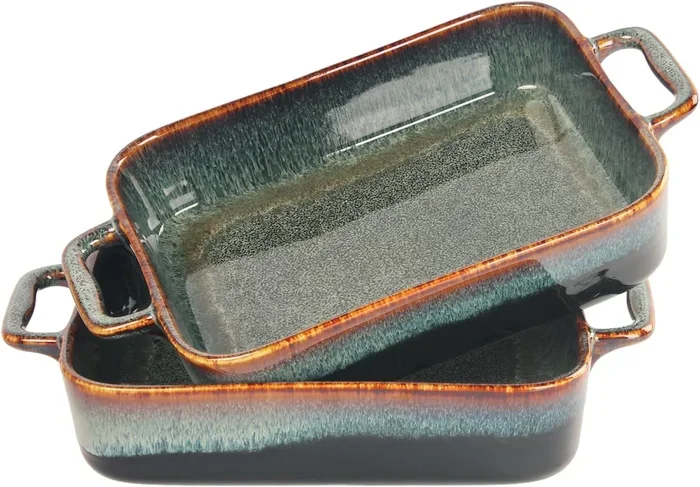
Ceramic bakeware is another excellent choice for oven cooking. Ceramic distributes heat evenly, which makes it great for casseroles and baked dishes. Most ceramic dishes are oven-safe up to 450°F or higher.
However, not all ceramic is created equal. Some decorative ceramics have glazes that may not be oven-safe. Here is what to keep in mind:
- Check if the ceramic dish is labeled oven-safe before using it.
- Handmade or decorative ceramics may not handle high heat well.
- Ceramic with metallic paint or decorations should not go in the oven.
- Let ceramic cool naturally. Plunging a hot dish into cold water can cause cracking.
Metal Pans and Baking Sheets
Metal cookware is one of the most versatile oven-safe options. Aluminum pans, stainless steel baking sheets, and cast iron skillets all handle oven heat with ease. Most metal pans can go from stovetop to oven without any issues.
Here are the most common metal items that are safe for oven use:
- Aluminum baking sheets: Great for cookies, roasted vegetables, and more.
- Cast iron skillets: These are nearly indestructible and work beautifully in the oven.
- Stainless steel pans: Durable and heat-resistant, perfect for oven-baked dishes.
- Aluminum foil: Useful for lining pans or covering dishes during baking.
One thing to watch out for is non-stick coatings. Some non-stick pans have coatings that can break down at high temperatures. Always check the manufacturer’s temperature limit before placing a non-stick pan in the oven.
Silicone Baking Tools
Silicone has become a popular kitchen material in recent years. Silicone baking mats, molds, and spatulas are all heat-resistant. Most silicone items are safe up to 450°F to 500°F. They are flexible, non-stick, and easy to clean.
Benefits of silicone in the oven include:
- It does not scratch your baking pans.
- It is lightweight and easy to handle.
- It is dishwasher safe and reusable.
- It provides a non-stick surface for baking and cooking.
Just make sure your silicone is labeled as food-grade and oven-safe. Cheap or low-quality silicone may not handle high heat properly.
Common Items People Get Wrong
Many kitchen items look like they could go in the oven, but they cannot. This is where most accidents happen. People assume a container is heat-safe when it really is not. Let us look at the most common items people get wrong.
Plastic Containers
Plastic containers are a big no-go for the oven. Most plastics cannot handle oven temperatures. They will melt, warp, and release harmful chemicals into your food. Even containers labeled “microwave-safe” are not oven-safe.
Here is why plastic and ovens do not mix:
- Plastic melts at temperatures as low as 170°F to 250°F.
- Melted plastic can stick to your oven and be very hard to clean.
- Chemicals from melted plastic can leach into your food.
- Even short exposure to high heat can damage plastic containers.
Styrofoam and Paper Products
Styrofoam is another material that should never go in the oven. It will melt almost immediately and can release toxic fumes. The same goes for most paper products, including paper bags and cardboard boxes.
While parchment paper is oven-safe, regular paper is not. Parchment paper is treated to handle heat up to about 450°F. But a plain paper bag or cardboard box will catch fire quickly.
Wooden Utensils and Cutting Boards
Wooden items like cutting boards, spoons, and paddles should stay out of the oven. Wood can dry out, crack, or even catch fire under high heat. It is not designed to handle the intense temperatures inside an oven.
Adhesives and Decorations
Many decorative plates and bowls have adhesive labels or metallic decorations. These can melt or release harmful fumes in the oven. Even if the dish itself is ceramic or glass, the decorations may not be oven-safe.
Always remove labels and stickers from dishes before baking. If a dish has metallic paint or gold trim, it is best to keep it out of the oven entirely.
Temperature Guidelines For Different Cookware
Every oven-safe item has a temperature limit. Knowing these limits helps you cook safely and protect your cookware. Here is a helpful breakdown of common materials and their temperature ranges.
| Material | Safe Temperature Range | Notes |
|---|---|---|
| Oven-safe glass | 350°F – 450°F | Avoid broiler and sudden temperature changes |
| Ceramic dishes | Up to 450°F+ | Check for oven-safe label on decorative pieces |
| Aluminum pans | Up to 450°F | Lightweight and heats quickly |
| Cast iron | Up to 500°F+ | Very durable and retains heat well |
| Stainless steel | Up to 500°F | Durable and resistant to warping |
| Silicone | Up to 450°F – 500°F | Check manufacturer’s temperature limit |
| Parchment paper | Up to 450°F | Use for lining pans and preventing sticking |
| Aluminum foil | Up to 500°F+ | Do not cover oven vents with foil |
This table gives you a quick reference for what is safe to put in the oven at different temperatures. When you are unsure, always check the manufacturer’s instructions.
Understanding Your Oven’s Temperature Settings
Most home ovens can reach temperatures between 200°F and 550°F. The standard baking temperature is usually around 350°F. Broiling uses much higher heat, often above 500°F. Understanding your oven settings helps you choose the right cookware.
For example, glass bakeware works great for baking at 350°F but may not be safe under the broiler. Cast iron handles broiling beautifully because it can withstand very high heat. Always match your cookware to the cooking method and temperature you plan to use.
Quick Tips For Oven Safety
Staying safe in the kitchen does not have to be complicated. A few simple habits can make a big difference. Here are some practical tips to keep in mind every time you use your oven.
Always Check the Label
The easiest way to know if something is safe is to look for the oven-safe symbol or label. Most bakeware will have this information on the bottom or back of the item. If you are not sure, check the manufacturer’s website or packaging.
Use Oven Mitts and Heat-Resistant Pads
Even when you use the right cookware, hot surfaces can cause burns. Always use oven mitts or heat-resistant pads when handling hot dishes. A heat-resistant trivet or cooling rack is also helpful for setting hot pans on the counter.
Preheat Your Oven Before Adding Food
Preheating ensures even cooking and prevents temperature shocks to your cookware. Placing cold dishes into a preheated oven is usually fine, but placing hot dishes onto cold surfaces can cause cracking.
Keep Your Oven Clean
Food spills and grease buildup can smoke or even catch fire at high temperatures. Clean your oven regularly to prevent this. A clean oven also cooks food more evenly and efficiently.
Do Not Overcrowd the Oven
Leaving space between dishes allows air to circulate properly. Overcrowding can lead to uneven cooking and longer bake times. It can also block heat vents, which affects your oven’s performance.
Set a Timer
It is easy to forget about food baking in the oven. Set a timer every time you start cooking. This helps prevent overcooking and reduces the risk of smoke or fire.
What To Never Put In Your Oven
Now that we have covered what is safe, let us talk about what is not. Some items should absolutely never go in the oven, no matter what temperature you are using.
Items That Are Always Dangerous
- Plastic bags and wrap: These will melt instantly and can start a fire.
- Styrofoam cups or containers: They release toxic fumes and melt quickly.
- Regular paper or cardboard: These will catch fire at oven temperatures.
- Wooden items: They can crack, burn, or ignite in the heat.
- Items with rubber or plastic handles: The handles will melt or burn.
- Empty metal containers: An empty metal pan can overheat and damage your oven.
Items That Seem Safe But Are Not
Some items trick people into thinking they are oven-safe. Here are a few that can surprise you:
- Takeout containers: Most are not designed for oven heat.
- Mason jar lids with rubber seals: The rubber can melt and release chemicals.
- Frozen food trays: These are often not oven-safe, even if they look sturdy.
- Travel mugs: They are insulated and not designed for direct oven heat.
The safest rule is simple. If an item is not clearly labeled as oven-safe, do not put it in the oven. When in doubt, transfer your food to a known oven-safe dish before baking.
Expert Insights On Oven Safety
We asked kitchen safety experts for their top tips on oven use. Their advice reinforces what we have covered in this guide.
Dr. Lisa Chen, Food Safety Specialist: “The number one mistake people make is assuming a container is oven-safe just because it looks sturdy. Always check the label. A container that looks strong can still release harmful chemicals when heated beyond its limit.”
Chef Marcus Rivera: “Invest in a few good oven-safe baking dishes and pans. Once you have the right tools, you will never have to guess what is safe to put in the oven. Cast iron, glass, and stainless steel are your best friends in the kitchen.”
Safety Inspector Tom Brooks: “Never leave the oven unattended when using items you are unsure about. A quick check before baking can prevent a house fire or a ruined meal.”
Final Thoughts
Knowing what is safe to put in the oven is one of the most important kitchen skills you can develop. It protects your food, your cookware, and your home. With the right knowledge, you can bake, roast, and reheat with confidence.
Remember the basics. Glass, ceramic, metal, and silicone are generally safe. Plastic, styrofoam, wood, and paper are not. Always check labels, follow temperature guidelines, and use common sense. When you are unsure, transfer your food to a known oven-safe container.
Your oven is a powerful tool. Using it correctly makes cooking easier, safer, and more enjoyable. Keep this guide handy, share it with friends and family, and never second-guess what belongs in the oven again.
Now that you know what is safe to put in the oven, you can cook with confidence. Happy baking!
Frequently Asked Questions
Can you put a glass dish in the oven?
Yes, most glass dishes labeled oven-safe can go in the oven. Pyrex and similar brands handle temperatures up to 450°F. Always avoid sudden temperature changes and never place cold glass directly into a hot oven.
Is aluminum foil safe to put in the oven?
Yes, aluminum foil is safe to use in the oven. It can handle high temperatures and is great for lining pans or covering dishes. Just do not cover oven vents with foil, as this can affect airflow and cooking performance.
Can you put a microwave-safe container in the oven?
No, microwave-safe does not mean oven-safe. Microwave-safe containers are designed for microwave radiation, not dry oven heat. Always check for an oven-safe label before placing any container in the oven.
What temperature is parchment paper safe to?
Parchment paper is generally safe up to 450°F. It is a great tool for lining baking sheets and preventing food from sticking. However, it can brown or scorch at very high temperatures, so keep an eye on it while baking.
Can you put a cast iron skillet in the oven?
Yes, cast iron skillets are one of the most oven-safe cookware options. They can handle temperatures well above 500°F. Cast iron is durable, retains heat beautifully, and works great for both stovetop and oven cooking.
Is silicone safe to put in the oven?
Yes, food-grade silicone is safe for oven use up to about 450°F to 500°F. It is flexible, non-stick, and easy to clean. Make sure your silicone products are labeled oven-safe and food-grade before using them in the oven.