How To Cook Tuna Fillet In Oven For A Juicy Perfect Result
Learning how to cook tuna fillet in oven is easier than you think. This guide walks you through every step, from picking the right fillet to pulling a perfectly juicy piece out of the oven. You will discover the best temperature, timing, and seasoning tricks that turn simple tuna into a restaurant-quality meal. Whether you are a beginner or a home cook looking to level up, these methods work every time. Get ready to make oven-baked tuna fillet that is tender, flavorful, and absolutely delicious.
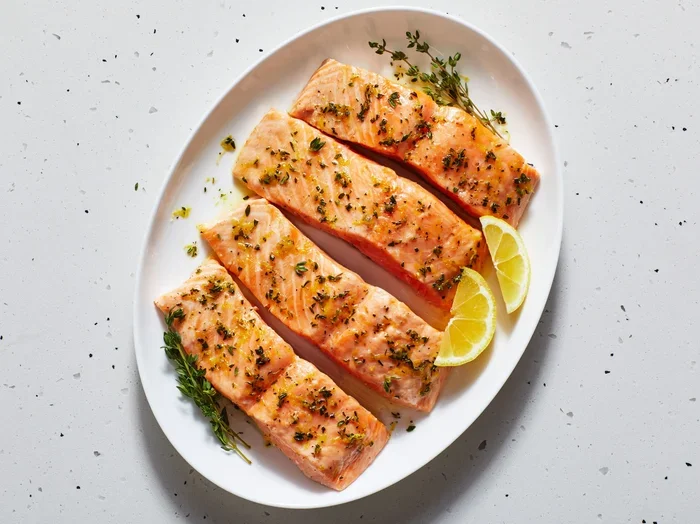
Cooking tuna in the oven might sound intimidating, but it is actually one of the simplest and most rewarding things you can do in the kitchen. A perfectly baked tuna fillet comes out with a golden crust on the outside and a tender, slightly pink center on the inside. It is fast, it is easy, and it tastes incredible. If you have been looking for a go-to tuna steak recipe that never fails, you are in the right place. In this guide, we will show you exactly how to cook tuna fillet in oven so it turns out juicy and delicious every single time.
The beauty of oven-baked tuna is that it does not require a lot of fancy equipment or hard-to-find ingredients. A basic oven, a good fillet, and a few simple seasonings are all you need. Whether you prefer yellowfin tuna, white tuna fillet, or ahi tuna oven style, the principles stay the same. You will learn the right temperature, the best timing, and the seasoning combinations that bring out the best flavor. By the end of this guide, you will feel confident enough to make this dish on any weeknight without a second thought.
Key Takeaways
- Right Temperature Matters: Baking tuna at 400°F to 425°F gives you the best crust and juicy center.
- Don’t Overcook It: Tuna dries out fast, so keep a close eye on the internal temperature.
- Seasoning Is Key: Simple herbs, olive oil, and lemon transform a plain fillet into something amazing.
- Fresh vs. Canned: Fresh tuna fillets give the best oven results, but canned tuna has its place too.
- Rest Before Serving: Letting tuna rest for a few minutes keeps all those juices locked in.
- Pair It Well: Tuna pairs beautifully with roasted vegetables, rice, and light salads.
📑 Table of Contents
- Why Oven-Baked Tuna Is a Great Choice
- Choosing the Right Tuna Fillet
- Preparing Your Tuna Fillet for the Oven
- The Best Oven Temperature and Timing
- Flavorful Seasonings and Marinades for Tuna
- Common Mistakes to Avoid When Baking Tuna
- Serving Suggestions and Pairings
- Expert Insights on Perfect Oven-Baked Tuna
- Conclusion
Why Oven-Baked Tuna Is a Great Choice
There are many ways to prepare tuna, but using an oven has some real advantages. First, it is hands-off. You can prep the fillet, pop it in the oven, and focus on other things while it cooks. Second, oven baking gives you a consistent result. The heat surrounds the fish evenly, which helps avoid hot spots or uneven cooking that you might get on a stovetop. Third, it is a healthier cooking method. You do not need lots of oil or butter. A light coating of olive oil and some herbs are enough to create a flavorful baked tuna fillet that is good for you too.
Many people love oven-baked tuna because it is versatile. You can serve it as a main course with roasted vegetables, slice it over a salad, or enjoy it with a side of rice or quinoa. It works for a quick Tuesday dinner just as well as it does for a weekend dinner party. The mild, clean flavor of tuna pairs with almost any seasoning or sauce, which makes it a blank canvas for your creativity. Once you master the basic method, you can experiment with different flavors and always get great results.
Oven-Baked Tuna vs. Pan-Seared Tuna
It is worth comparing oven-baked tuna to the more traditional pan-seared method. Pan-searing gives you a beautiful crust and is faster, but it requires more attention and a hot skillet. Oven-baked tuna is more forgiving. The gentle, even heat reduces the risk of overcooking the outside while the inside is still raw. For beginners, the oven method is definitely the easier path to a perfect result. That said, some chefs like to sear the tuna first and then finish it in the oven for the best of both worlds.
Choosing the Right Tuna Fillet
Picking the right tuna is the first step to a great dish. Not all tuna is created equal, and the type you choose affects both the flavor and the texture of your final result. Here are the most common options you will find at the grocery store or fish market.
Fresh Tuna vs. Canned Tuna
For how to cook tuna fillet in oven, fresh tuna is always the best choice. Fresh tuna fillet preparation is straightforward, and the results are far superior. Fresh tuna has a clean, mild flavor and a firm texture that holds up beautifully in the oven. Canned tuna is convenient and affordable, but it is already cooked and has a softer texture that does not respond well to oven baking. You can use canned tuna in salads or casseroles, but for a juicy tuna fillet in oven, always go fresh when possible.
Types of Fresh Tuna
Different tuna species offer different flavors and textures. Here is a quick look at the most popular options:
- Yellowfin Tuna: This is the most common type found in stores. It has a mild flavor and a firm, meaty texture. It is perfect for oven baking because it stays together well and cooks evenly.
- Ahi Tuna: Ahi is a type of yellowfin, often used in sushi. It has a rich, slightly sweet flavor and a deep red color. It works wonderfully in the oven with a simple seasoning.
- Albacore Tuna: Also known as white tuna, albacore has a lighter color and a milder, more delicate flavor. It is a great choice if you prefer a softer texture.
- Bluefin Tuna: This is the premium option. Bluefin has a buttery, rich flavor and a high fat content. It is expensive but absolutely worth trying if you want the best tuna fillet oven recipe experience.
What to Look for When Buying
When shopping for fresh tuna, look for fillets that are bright in color and have a clean, ocean-like smell. Avoid any fillets that look dull, discolored, or have a strong fishy odor. The flesh should be firm to the touch and spring back when pressed. If possible, buy from a reputable fishmonger or a store with high turnover. Freshness is the single most important factor in getting a great result from your tuna fish oven recipe.
Preparing Your Tuna Fillet for the Oven
Proper preparation makes all the difference between a good tuna fillet and a great one. The good news is that tuna fillet preparation does not take long. In fact, the simpler you keep it, the better the natural flavor of the fish will shine through.
Step-by-Step Preparation
Follow these simple steps to get your tuna ready for the oven:
- Pat the fillet dry: Use paper towels to remove excess moisture from the surface. Dry fish gets a better crust and seasons more evenly.
- Check for bones: Run your fingers along the fillet and feel for any small bones. Use tweezers or pliers to remove them carefully.
- Score the skin: If the fillet has skin, make shallow diagonal cuts on the outside. This helps the heat penetrate evenly and prevents the skin from curling.
- Season generously: Salt, pepper, and a drizzle of olive oil are the foundation. Add herbs or spices of your choice for extra flavor.
- Bring to room temperature: Take the tuna out of the refrigerator about 15 to 20 minutes before cooking. This helps it cook more evenly throughout.
Quick Tips for Perfect Preparation
- Do not wash fresh tuna under water. The natural moisture is part of what keeps it juicy.
- If you like a crispy tuna crust, pat the fillet extra dry and let it air-dry in the fridge for an hour before cooking.
- Keep the fillet at least one inch thick. Thin fillets dry out too quickly in the oven.
- Always use a sharp knife for scoring. A dull knife can tear the flesh.
The Best Oven Temperature and Timing
This is where the magic happens. Getting the temperature and timing right is the key to how to cook tuna fillet in oven successfully. Too hot and the outside burns while the inside stays raw. Too cool and the fish dries out before it cooks through. The sweet spot is right in the middle.
Recommended Oven Temperature
For most tuna steak recipes, preheat your oven to 400°F (200°C). This temperature is hot enough to create a beautiful golden crust but gentle enough to keep the inside tender and moist. If you prefer a slightly more well-done tuna, you can go up to 425°F (220°C). For a rarer center, drop it to 375°F (190°C). The table below shows the recommended settings for different levels of doneness.
| Doneness Level | Oven Temperature | Cooking Time (1-inch fillet) | Internal Temperature |
|---|---|---|---|
| Rare | 375°F (190°C) | 8-10 minutes | 110-115°F |
| Medium-Rare | 400°F (200°C) | 10-12 minutes | 115-125°F |
| Medium | 425°F (220°C) | 12-14 minutes | 125-135°F |
| Well-Done | 425°F (220°C) | 14-16 minutes | 145°F+ |
Use a meat thermometer to check the tuna internal temperature at the thickest part of the fillet. This is the most reliable way to know exactly how done your fish is. Remember that the temperature will rise a few degrees as the fish rests after coming out of the oven.
How Long to Bake Tuna Fillet
The cooking time depends on the thickness of your fillet and your desired level of doneness. A standard 1-inch thick fillet at 400°F will take about 10 to 12 minutes for a medium-rare result, which most people consider the sweet spot for oven-baked tuna. For fillets that are 1.5 inches thick, add about 3 to 4 minutes. Always start checking a few minutes early so you do not overcook the fish.
Quick Tips for Perfect Timing
- Set a timer and check early. You can always put it back in for more time, but you cannot undo overcooking.
- If you like a seared tuna look, broil for the last 1 to 2 minutes. Watch it closely to prevent burning.
- Thinner fillets cook faster. Adjust your timing accordingly.
- Let the tuna rest for 3 to 5 minutes after removing it from the oven. This helps the juices redistribute.
Flavorful Seasonings and Marinades for Tuna
Tuna has a naturally mild flavor that absorbs seasonings beautifully. The right combination of herbs, spices, and marinades can turn a simple baked tuna fillet into a memorable meal. Here are some of the best flavor profiles to try.
Simple Mediterranean Style
This is the classic approach and one of the easiest ways to make delicious oven-baked tuna. Mix olive oil, minced garlic, fresh lemon juice, dried oregano, and a pinch of salt and pepper. Brush the mixture over the fillet and let it marinate for 15 to 20 minutes before baking. The result is bright, fresh, and incredibly satisfying.
Asian-Inspired Glaze
For something different, try a soy-ginger glaze. Combine soy sauce, sesame oil, fresh grated ginger, a touch of honey, and rice vinegar. Brush this over the tuna during the last few minutes of cooking. This gives you a beautiful crispy tuna exterior with a sweet and savory glaze that pairs perfectly with steamed rice and stir-fried vegetables.
Herb-Crusted Tuna
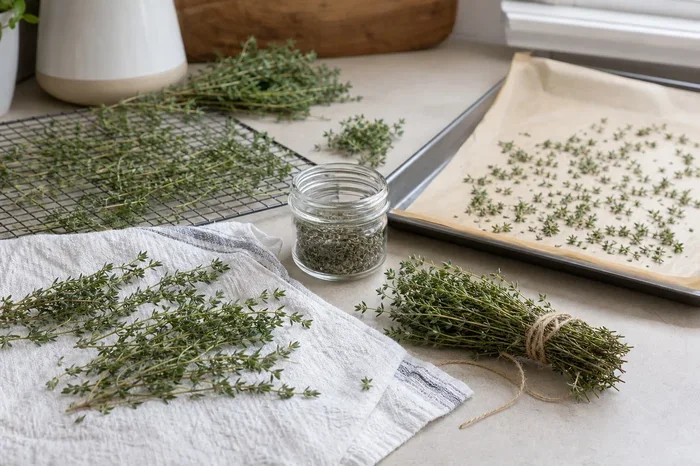
If you want to impress your guests, a herb crust is the way to go. Mix chopped fresh rosemary, thyme, parsley, and dill with breadcrumbs and a little olive oil. Press the mixture onto the top of the seasoned fillet before baking. The crust adds a wonderful texture and aroma that makes any tuna fillet oven recipe feel elevated and restaurant-worthy.
Quick Marinade Ideas
- Lemon and Herb: Lemon zest, parsley, thyme, olive oil, salt, and pepper.
- Spicy Chipotle: Chipotle peppers in adobo, lime juice, honey, and cumin.
- Sesame Ginger: Soy sauce, sesame oil, ginger, garlic, and a splash of rice vinegar.
- Italian Style: Sun-dried tomatoes, basil, garlic, olive oil, and a sprinkle of parmesan.
When using marinades, keep the marinating time short for fresh tuna. 15 to 30 minutes is enough. Longer marinating can break down the delicate texture of the fish and make it mushy.
Common Mistakes to Avoid When Baking Tuna
Even though how to cook tuna fillet in oven is straightforward, there are a few common mistakes that can ruin an otherwise perfect fillet. Knowing what to avoid will save you from disappointment and help you get better results every time.
Overcooking the Tuna
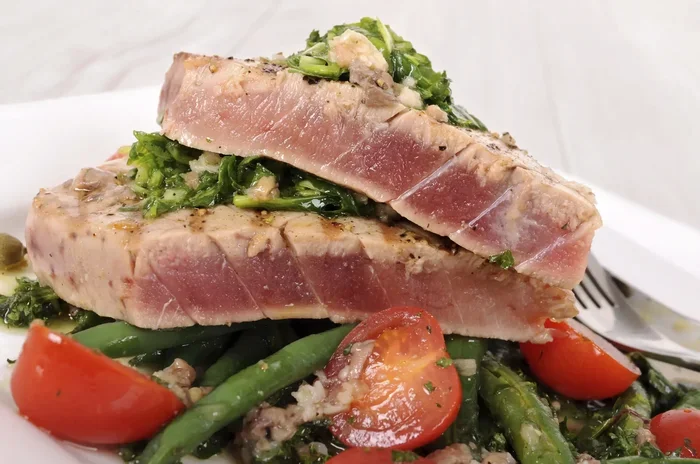
This is by far the most common mistake. Tuna is a lean fish with very little fat, which means it dries out quickly once it is overcooked. A baked tuna fillet should still be slightly pink in the center when you cut into it. If it is completely opaque and flakes apart easily, it has been in the oven too long. Use a meat thermometer and pull the fish out when it reaches about 120°F to 125°F for the best texture.
Skipping the Dry Step
Many people skip patting the fillet dry before seasoning. This is a missed opportunity. Moisture on the surface creates steam instead of allowing a crust to form. A dry surface means better browning and a more appealing texture. Take the extra 30 seconds to pat it down with paper towels.
Using Too Much Seasoning
Tuna is a delicate fish. Heavy seasoning can mask its natural flavor instead of enhancing it. A light touch with salt, pepper, and a few herbs goes a long way. Let the quality of the fish speak for itself. If you want bold flavors, use a marinade on the side and serve it alongside the fish rather than cooking it in.
Not Preheating the Oven
Putting tuna into a cold oven leads to uneven cooking. The fish starts to cook slowly as the oven heats up, which can result in a rubbery texture. Always preheat your oven to the target temperature before placing the fillet inside. This ensures the heat hits the fish immediately and creates that desirable crust from the start.
Serving Suggestions and Pairings
A great oven-baked tuna fillet deserves great sides. The right pairing elevates the dish and makes a simple meal feel like a complete dining experience. Here are some of the best ways to serve your tuna.
Best Side Dishes for Baked Tuna
- Roasted vegetables: Asparagus, zucchini, bell peppers, and cherry tomatoes all roast beautifully alongside tuna. Toss them in olive oil, salt, and herbs, and put them in the oven about 10 minutes before the tuna is done.
- Rice or quinoa: A light bed of rice or quinoa absorbs the juices and makes the meal more filling. Try a coconut rice or a lemon herb quinoa for extra flavor.
- Fresh salad: A simple green salad with a light vinaigrette cuts through the richness of the tuna. Arugula, mixed greens, or a cucumber tomato salad all work well.
- Mashed potatoes: Creamy mashed potatoes are a classic pairing that complements the mild flavor of tuna perfectly.
- Couscous or orzo: These quick-cooking grains are easy to prepare and pair wonderfully with tuna with herbs.
Sauces That Pair Well with Oven-Baked Tuna
A good sauce adds moisture and extra flavor to your seared tuna-style oven fillet. Here are a few easy options:
- Lemon butter sauce: Melt butter with lemon juice, a squeeze of garlic, and fresh dill. Drizzle over the tuna just before serving.
- Sriracha mayo: Mix sriracha sauce with mayonnaise and a squeeze of lime. This creamy, spicy dip pairs perfectly with crispy tuna.
- Pesto drizzle: A spoonful of basil pesto adds a burst of flavor and a beautiful green color to any plate.
- Soy ginger glaze: Reduce soy sauce, ginger, garlic, and a little honey on the stovetop until syrupy. Brush it over the tuna right out of the oven.
Expert Insights on Perfect Oven-Baked Tuna
We spoke with professional chefs and home cooking experts to gather their top tips for making the best tuna fillet oven recipe. Here is what they had to say.
Start with Room Temperature Fish
Chef Maria Santos, a seafood specialist with over 15 years of experience, emphasizes the importance of bringing tuna to room temperature before cooking. She says, “Cold fish in a hot oven cooks unevenly. The outside overcooks while the center stays cold. Taking the fish out 15 to 20 minutes before baking makes a huge difference in the final texture.”
Use a Hot Pan for a Searing Finish
Many chefs recommend finishing oven-baked tuna with a quick sear on the stovetop. “Bake the tuna in the oven until it is almost done, then sear it in a hot cast-iron skillet with a little oil for 30 to 60 seconds on each side,” says cooking instructor James Lee. “This gives you the best of both worlds: a tender, juicy center with a beautiful golden crust.”
Quality Olive Oil Makes a Difference
Do not underestimate the power of good olive oil. Cooking expert Rachel Wong recommends using extra virgin olive oil for both the marinade and the pan. “It adds a fruity, slightly peppery flavor that enhances the tuna without overpowering it. It also helps the herbs stick to the surface and promotes better browning,” she explains.
Key Takeaways from the Experts
- Always use a meat thermometer for precision.
- Less is more when it comes to seasoning fresh tuna.
- Fresh tuna should be sushi-grade if you want a rare center.
- Rest the fish after cooking to lock in the juices.
- Experiment with different marinades to find your favorite flavor profile.
Conclusion
How to cook tuna fillet in oven is a skill that anyone can learn with a little practice and the right guidance. From choosing the perfect fresh fillet to nailing the oven temperature and timing, every step matters. The key is to keep it simple, respect the fish, and not be afraid to experiment with flavors and seasonings. A well-made baked tuna fillet is healthy, delicious, and impressive enough to serve to guests. It is also quick enough to prepare on the busiest of weeknights.
Remember to pat your fish dry, season it thoughtfully, and use a meat thermometer to check the internal temperature. Avoid the common pitfalls of overcooking and skipping the preheat step. With the tips and techniques in this guide, you are well on your way to making oven-baked tuna that is juicy, flavorful, and absolutely perfect every time. So go ahead, preheat that oven, and give it a try. Your taste buds will thank you.
Frequently Asked Questions
Can I use canned tuna for oven baking?
Canned tuna is already cooked and has a soft, moist texture that does not hold up well in the oven. It can become mushy and fall apart. For the best oven-baked tuna fillet experience, always use fresh tuna. Save canned tuna for salads, sandwiches, and casseroles.
What is the best internal temperature for tuna?
For a medium-rare result, which most people prefer, aim for an internal temperature of 120°F to 125°F. This gives you a tender, slightly pink center that is juicy and full of flavor. If you prefer your tuna more done, you can cook it to 135°F or higher, but be aware that it will be drier.
How do I know if my tuna is fresh?
Fresh tuna should have a bright, vibrant color and a clean, mild ocean smell. The flesh should be firm and spring back when pressed. Avoid tuna that looks dull, has a strong fishy odor, or feels soft and mushy. Buying from a trusted fishmonger or a store with good turnover helps ensure freshness.
Can I freeze tuna before oven baking?
Yes, you can freeze tuna, but thaw it properly in the refrigerator overnight before cooking. Avoid thawing at room temperature, as this can affect the texture and safety of the fish. Once thawed, pat it dry and follow the same preparation steps as fresh tuna for the best results.
What is the best way to reheat leftover baked tuna?
The best way to reheat oven-baked tuna is in a low-temperature oven at around 275°F for 5 to 8 minutes. This gently warms the fish without drying it out. Avoid microwaving, as it can make the tuna rubbery and tough. If you must use a microwave, do so on low power and cover the fish with a damp paper towel.
Is tuna healthy to eat regularly?
Tuna is an excellent source of protein, omega-3 fatty acids, and essential vitamins like B12 and D. It is low in calories and high in nutrients, making it a healthy choice for most diets. However, because tuna can contain mercury, it is best to enjoy it in moderation and vary your protein sources throughout the week.