How To Stop Grease Fire In Oven And Keep Your Kitchen Safe
Discover how to stop grease fire in oven safely. Learn step-by-step methods to smother flames, prevent burns, and protect your kitchen from grease fire hazards. This guide gives you the essential kitchen fire safety tips every home cook needs.
A grease fire in oven is one of the scariest things you can face in a kitchen. Hot oil and high heat create a dangerous combination that can turn a quick meal into a nightmare. But knowing the right steps makes all the difference.
When you open the oven door and see flames, panic is a natural reaction. However, acting fast and staying calm can stop a small cooking fire from becoming a major disaster. This guide will walk you through exactly what to do. You will learn how to smother the flames and protect your home from severe damage.
Understanding how to stop grease fire in oven is not just for professional chefs. It is a vital skill for every home cook. Whether you are baking fries or broiling chicken, grease fires can happen to anyone. The good news is that you can prevent and fight them with the right knowledge. Preparation is the key to staying safe.
Key Takeaways
- Turn Off The Heat: Cutting the fuel source is the first step to controlling the fire.
- Keep The Door Closed: Smothering the fire by removing oxygen prevents explosive flare ups.
- Use Baking Soda: This household item safely smothers small grease flames without spreading them.
- Never Use Water: Water causes violent steam explosions that spread burning oil everywhere.
- Clean Regularly: Removing grease buildup prevents the fire hazard from igniting in the first place.
- Have a Class K Extinguisher: This is the professional tool designed specifically for cooking oil fires.
📑 Table of Contents
- Understanding How Grease Fires Start In Your Oven
- Immediate Steps To Stop A Grease Fire In Oven
- Safe Extinguishing Methods For Grease Fires
- Preventing Grease Fires Before They Happen
- When To Call For Professional Help
- Comparison Of Grease Fire Suppression Methods
- Quick Tips To Keep Your Kitchen Safe
- Common Mistakes People Make With Oven Fires
- Expert Insights On Kitchen Fire Safety
- Final Thoughts On Grease Fire Prevention
Understanding How Grease Fires Start In Your Oven
Before you can fight a fire, you need to know how it starts. Grease fires happen when cooking oils get too hot. Understanding this helps you prevent and stop grease fire in oven situations quickly. Knowledge is your first line of defense against a fire hazard.
The Role of Grease Buildup
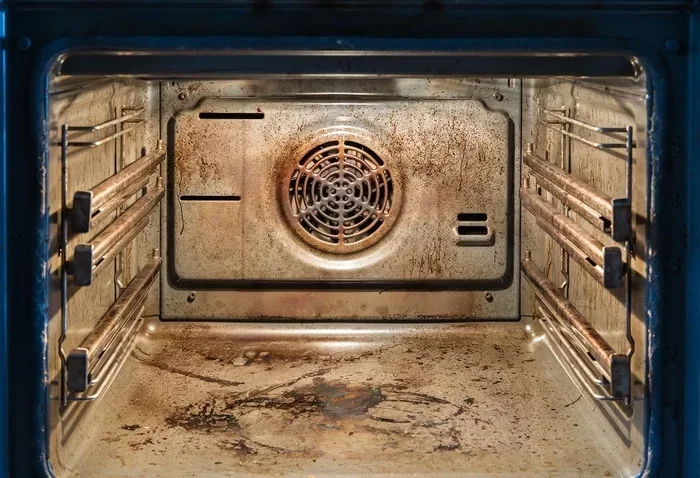
Over time, grease builds up on the oven walls and trays. This grease buildup is highly flammable. When the oven gets hot, this residue can easily ignite. A kitchen fire safety routine includes regular cleaning to remove this dangerous fire hazard. Do not let old food spills sit in the oven for days.
Even a small splatter can cause a big flare up. When hot air circulates inside the oven, it heats these oily spots. Soon, the temperature reaches the flash point of the grease. That is when the cooking oil flare up begins. The flames can spread quickly to other parts of the oven interior.
Cleaning your oven regularly removes this risk. A simple wipe down after each use goes a long way. You do not need harsh chemicals either. Warm water and mild soap often work perfectly. Keeping the interior clean is a basic burn prevention step every cook should take seriously.
Do not forget to clean the oven door seals too. Grease often collects in the rubber seals. When the oven heats up, this trapped grease can ignite. A thorough cleaning routine keeps all parts of the oven safe. It also helps your oven run more efficiently and last longer.
High Heat and Oil Sparks
Different oils have different smoke points. When oil exceeds its smoke point, it can spontaneously combust. This is a severe fire suppression concern. Water or moisture hitting superheated oil creates steam explosions. These explosions spread burning oil everywhere in the oven.
In an oven, this often happens when you leave food unattended. A piece of food dripping oil onto a hot surface starts the chain reaction. Always monitor your hot oil while cooking. Keeping an eye on the temperature prevents these dangerous cooking fire events. Never walk away from a hot oven when frying or broiling.
Another cause is overcrowding the pan. When you put too much food in the pan, the oil overflows. The overflowing oil hits the heating elements. This creates an instant stovetop fire or oven blaze. Leave enough space between food pieces to allow proper air circulation. This simple tip reduces the risk of a grease fire in oven dramatically.
Also, avoid using wet food in hot oil. Frozen food or food with ice crystals causes violent bubbling. The bubbling pushes oil over the edges of the pan. This overflowing oil can hit the oven burner or heating element. Always thaw food completely before placing it in hot oil.
Immediate Steps To Stop A Grease Fire In Oven
If you open the oven door and see flames, you must act immediately. The wrong move can make the fire worse. Follow these steps to stop grease fire in oven safely and effectively. Speed is important, but so is staying calm.
Turn Off The Heat Source
The very first thing you should do is turn off the oven. Cutting the heat source slows down the fire. It stops the temperature from rising further. This simple action gives you a better chance of controlling the grease fire. Do not panic and forget to hit the off button.
Do not unplug the oven if the flames are too high. You might risk burning yourself badly on the door handle. Just hit the off button on the control panel or dial. This is a basic but critical burn prevention step. Once the heat is off, the fire has no new fuel to burn.
If the fire is on the stove instead, turn off the burner. Then, move to the next step. Cutting the fuel supply is the foundation of fire suppression. Without heat, the fire cannot sustain itself for long.
Keep The Oven Door Closed
Resist the urge to open the oven door all the way. Oxygen feeds fire. Opening the door wide gives the flames more oxygen. This can cause a sudden, explosive flare up. The fire might shoot out and burn you or catch your curtains on fire nearby.
Instead, keep the door slightly cracked at first to check the situation. If the flames look manageable, you can close it fully. A closed oven door smothers the fire by cutting off the oxygen supply. This is a simple smother fire technique that works wonders. Let the lack of oxygen do the hard work for you.
Wait at least fifteen minutes before you even think about opening the door. The oven needs time to cool down. Rushing this step can reignite the flames. Patience is a key part of fire safety when dealing with a grease fire in oven. The lack of oxygen will eventually extinguish the flames completely.
Safe Extinguishing Methods For Grease Fires
Once you have cut the oxygen and heat, you need to extinguish the flames. Not all methods are safe for grease fires. Knowing the right grease fire extinguisher options is vital for your kitchen fire safety. Always choose methods that do not involve water.
Using Baking Soda For Small Flames
For small grease fire in oven incidents, baking soda is your best friend. Baking soda releases carbon dioxide when heated. This smothers small flames effectively. It is a safe, non-toxic way to put out a stovetop fire or a small oven blaze.
Do not use baking powder instead. Baking powder contains cornstarch and other agents that can actually feed the fire. People often confuse the two, and this mistake can be dangerous. Keep a large box of plain baking soda in your kitchen at all times. It is an essential fire safety tool that costs almost nothing.
You need a lot of baking soda to put out a fire. A small sprinkle will not work. Pour a generous amount directly onto the base of the flames. The soda will react with the grease and cut off the oxygen. This method works best for very small, contained flames. Have multiple boxes stored in your kitchen just in case.
Why Water Is A Strict No-No
Never throw water on a grease fire. Water and oil do not mix. When water hits boiling oil, it instantly turns to steam. This causes the burning oil to splatter violently. The fire suppression goes out the window, and the fire spreads rapidly across your kitchen.
Throwing a wet towel is also extremely dangerous. The water in the cloth will boil and pop the hot oil everywhere. This can cause severe burns to your face and hands. Stick to dry methods only. Remembering this simple rule keeps you safe from severe kitchen fire safety risks. Water makes a grease fire ten times worse and more dangerous.
Similarly, do not use a glass lid. The heat can shatter the glass. Use a metal lid or a baking sheet instead. A metal lid blocks the oxygen just like a closed oven door. Always keep a metal lid near your cooking area for emergencies.
Class K Fire Extinguishers
For a more permanent fire suppression solution, consider a Class K fire extinguisher. These are designed specifically for cooking oils and fats. They use a wet chemical agent that creates a soapy foam over the oil. This foam cools the oil and seals the surface. It prevents re-ignition completely.
Every serious kitchen should have one. If you frequently cook with large amounts of hot oil, a Class K extinguisher is a must-have. Place it in an easy-to-reach spot near the oven. Check the pressure gauge monthly to ensure it is ready to use. A grease fire extinguisher is a small price to pay for peace of mind and burn prevention.
Preventing Grease Fires Before They Happen
Stopping a fire is hard. Preventing one is much easier. A good oven cleaning routine is your first line of defense against grease fire in oven risks. Prevention saves you from the terror of a live blaze and costly repairs.
Regular Oven Cleaning
Grease and food residue build up every time you cook. Regular oven cleaning removes this flammable material. Wipe up spills immediately after the oven cools down. Do not let grease sit and bake onto the walls. Once it bakes on, it becomes much harder to remove and more dangerous.
Deep clean your oven at least once a month. Use safe, non-flammable cleaning products. A clean oven is a safe oven. This reduces the risk of a cooking fire starting from hidden residue. You can use a mixture of baking soda and water for a natural clean.
Do not forget the oven racks and trays. These parts also collect grease. Soak them in hot soapy water and scrub them clean. A thorough cleaning routine keeps your kitchen fire safety intact. It also helps your oven run more efficiently and heat evenly.
A clean oven not only prevents fires but also cooks food more evenly. It extends the life of your appliance too. Making cleaning a habit saves you from future headaches and dangerous situations.
Monitoring Cooking Temperatures
Always use a thermometer to monitor your oil temperature. Never heat oil past its smoke point. Different oils have different limits. Avocado oil handles higher heat than olive oil. Knowing the right temperature for your hot oil prevents accidental flare ups.
Stay in the kitchen while you fry or broil. Distractions lead to forgotten pots and overheating grease buildup. Setting a timer helps you stay focused. This simple habit is one of the best kitchen safety tips you can follow. A watched pot is a safe pot.
Avoid using excessive amounts of oil. If a recipe calls for a tablespoon, do not use a cup. Less oil means less risk. Using a deep fryer with a built-in thermostat is even safer. These fryers are designed to prevent fire hazard situations automatically. They shut off when the oil gets too hot.
Thermometers are cheap and easy to use. They take the guesswork out of cooking with oil. You can find them at any grocery store. Keeping your oil at the right temperature is the best way to avoid a grease fire in oven.
When To Call For Professional Help
Sometimes a grease fire is too big to handle alone. Knowing when to call for help protects your life and your home. Do not hesitate to call the fire department if you are unsure about the size of the blaze.
Signs Of A Severe Fire
If the flames reach the top of the oven, call the fire department immediately. Do not try to fight a massive fire hazard by yourself. If the fire suppression methods fail, evacuation is the best choice. A small fire can double in size in just a few seconds.
Look for signs of electrical fire. If you see sparks or smell burning plastic, the wiring might be involved. These situations require professional fire safety experts. Your life is more important than any appliance. Let the trained firefighters handle dangerous blazes safely.
Also call for help if the fire spreads to the cabinets. Cabinets are often made of wood or contain flammable materials. A fire that spreads beyond the oven needs immediate professional attention. Do not try to be a hero in these situations. Get out, stay out, and let the professionals do their job.
After The Fire Is Out
Once the flames are out, do not use the oven right away. Let it cool completely. Check for hidden grease buildup that might reignite. Have a professional inspect the oven if the fire was severe. Even a small fire can damage internal wiring or sensors.
Ventilate your kitchen by opening windows. Smoke and soot can linger and damage your health. Proper burn prevention also means dealing with the aftermath safely. Call your insurance company if there is significant fire damage. Document the damage with photos and keep receipts for any repairs.
Do not attempt to use the oven until a professional has inspected it. Hidden damage can cause future fires. Safety always comes first when dealing with the aftermath of a cooking fire.
Comparison Of Grease Fire Suppression Methods
Choosing the right method depends on the size of the fire. Here is a quick look at your options for fire suppression and burn prevention.
| Method | Best For | Effectiveness |
|---|---|---|
| Baking Soda | Small, contained flames | High for minor flare ups |
| Closed Oven Door | Cutting off oxygen supply | Very effective for smothering |
| Class K Extinguisher | Large, spreading grease fires | Professional grade, highly effective |
| Fire Department | Uncontrollable fires | Only safe option for major fires |
Using the right grease fire extinguisher makes a huge difference. Always match the tool to the size of the fire. A small stovetop fire needs a different approach than a raging oven blaze. Keep the right tools on hand so you are always prepared for any cooking fire emergency.
Quick Tips To Keep Your Kitchen Safe
- Stay alert: Never leave hot oil unattended while it is heating up on the stove or in the oven.
- Keep a lid nearby: A metal lid can smother small pan fires quickly and effectively.
- Clean regularly: Remove grease buildup after every single use of your oven or stovetop.
- Check equipment: Ensure your smoke alarm works with a monthly test and battery change.
- Use a thermometer: Monitor oil temperature to avoid hot oil flashes and cooking oil flare up events.
- Store flammables away: Keep towels, paper bags, and curtains far from the heat source.
Common Mistakes People Make With Oven Fires
Avoiding errors is just as important as knowing what to do. Many people make mistakes out of fear or simple ignorance. Learn what not to do to keep your kitchen fire safety intact and your family protected.
Moving the burning pan: This spills burning oil on you. It spreads the fire hazard instantly. Keep the pan inside the oven or on the stove. Moving it can cause severe burns and spread the flames to other parts of the room.
Using flour: Flour is not baking soda. Flour can actually explode in a hot oven. It makes the fire suppression worse. Only use baking soda for small grease fires. Flour is a fire hazard when used on a grease fire because it can ignite in the hot air.
Ignoring the smoke alarm: If your smoke alarm goes off, do not disable it. It is there to save your life. A working alarm gives you early warning of grease fire in oven risks. Replace the batteries in your alarm every six months to ensure it always works.
Using a wet cloth: A wet towel will steam and spread the burning oil. Always use a dry metal lid or baking soda. Wet cloths turn into steam bombs in a grease fire. Keep your cloths away from the oven until it is completely cool.
Expert Insights On Kitchen Fire Safety
Fire safety experts always emphasize prevention. The kitchen fire safety rules are simple but strict. They have seen the devastating aftermath of grease fire in oven incidents. Their advice can save your home and your life.
Keep flammable items away from the oven and stove. Oven mitts, towels, and paper bags can easily catch fire. Store your grease fire extinguisher in an accessible place but away from the direct heat source. Make sure every adult in the house knows where the extinguisher is located.
Teach everyone in the house the stop-drop-and-roll technique. If clothing catches fire, stop moving, drop to the ground, and roll. This basic burn prevention skill can save a life. Practice this with your children so they know what to do in an emergency without panicking.
Experts also recommend creating a family fire escape plan. Everyone should know two ways out of the house. Pick a meeting spot outside, like the mailbox or a neighbor’s driveway. Practicing this plan ensures everyone stays calm if a cooking fire ever breaks out. A good plan turns panic into action.
By following expert advice, you build a culture of safety in your home. It is not about being afraid of cooking. It is about being smart and prepared. A little planning goes a long way in protecting your loved ones.
By understanding how to stop grease fire in oven and following these safety rules, you protect your home. A little preparation goes a long way in preventing cooking fire disasters. You cannot predict everything, but you can certainly be prepared for the worst-case scenario.
Final Thoughts On Grease Fire Prevention
Knowing how to stop grease fire in oven is a crucial life skill. You do not need to be scared of cooking with oil. You just need to be prepared and careful. Respect the heat, and it will not hurt you or your loved ones.
Always keep your oven clean to prevent grease buildup. Never use water on a grease fire. Keep a box of baking soda and a proper fire extinguisher within reach. These simple steps make your kitchen a safer place for everyone you love and invite into your home.
Remember, your safety comes first. If the fire gets out of control, leave the house and call the fire department. You can always replace an oven, but you cannot replace a life. Stay safe, stay alert, and happy cooking!
Frequently Asked Questions
Can you use a fire extinguisher on an oven fire?
Yes, but only a Class K extinguisher designed for cooking oils. Standard extinguishers can make it worse. Always make sure the fire is small and contained before using an extinguisher. Pull the pin, aim at the base of the fire, and squeeze the handle.
What happens if you put water on a grease fire in the oven?
Putting water on a grease fire causes a violent steam explosion. The water instantly turns to steam and pushes the burning oil everywhere. This spreads the fire rapidly and causes severe burns. Always keep water away from any grease fire.
How do you prevent grease fires in the oven?
Regular oven cleaning is the best prevention. Remove grease buildup after every use. Never leave the oven unattended when broiling or frying. Keep the temperature within safe limits and avoid overcrowding the pan with food.
Is it safe to use a closed oven door to smother a fire?
Yes, keeping the oven door closed is one of the safest methods. It cuts off the oxygen supply and smothers the flames. Wait at least fifteen minutes before opening the door to let the oven cool down completely.
What is the best thing to keep in your kitchen for a grease fire?
A box of baking soda is the best household item for small fires. You should also keep a metal lid nearby to smother pan fires. For larger fires, a Class K fire extinguisher is essential for proper fire suppression.
When should you evacuate due to a grease fire?
Evacuate immediately if the fire cannot be controlled within seconds. If the flames spread beyond the oven or reach the cabinets, leave the house. Call the fire department from outside and wait for professional help to arrive.