How Long To Cook 8Lb Turkey Breast In Oven At Home
Learning how long to cook 8Lb turkey breast in oven is simpler than you think. This guide gives you exact timing, oven temperature, and juicy results every time. You’ll discover the best prep steps, how to check doneness, and expert tips to avoid dry turkey. Whether it’s a holiday dinner or a family roast, this method works perfectly. Follow along and serve a tender, golden turkey breast that everyone will love.
Roasting a turkey breast at home is one of the most rewarding kitchen achievements. A perfectly cooked 8Lb turkey breast fills the house with a warm, savory aroma and brings everyone to the table. Whether you are preparing a holiday meal or a simple Sunday dinner, knowing the right oven temperature and timing makes all the difference.
Many home cooks worry about drying out the bird. The good news is that a bone-in turkey breast or a boneless turkey breast can turn out incredibly juicy when you follow a few straightforward steps. This guide walks you through everything from prep to the final carve. You will learn the exact cooking time for an 8-pound breast, the best oven settings, and how to check for doneness without guessing.
How long to cook 8Lb turkey breast in oven depends on a few factors, but I will break it down so it is easy to understand. I will share my tried-and-true methods, common mistakes to avoid, and tips that turn a basic roast into a showstopper. By the end, you will feel confident enough to roast a turkey breast any day of the year.
Key Takeaways
- Plan for about 3 to 3.5 hours: An 8Lb turkey breast typically roasts at 325°F for this duration, depending on bone-in or boneless.
- Use a meat thermometer: The internal temperature must reach 165°F in the thickest part for safe, juicy results.
- Brine or dry brine for moisture: Either method helps the turkey breast stay tender and flavorful during roasting.
- Bring the turkey to room temperature: Let it sit out for 30 to 60 minutes before it goes in the oven for even cooking.
- Rest the turkey for 20 to 30 minutes: This lets the juices redistribute, making carving easier and meat juicier.
- Bone-in vs boneless affects time: Bone-in turkey breast takes longer to cook than boneless, so adjust your timing accordingly.
📑 Table of Contents
- How Long To Cook 8Lb Turkey Breast In Oven: A Complete Home Guide
- How to Prepare Your Turkey Breast for the Oven
- The Perfect Oven Temperature and Cooking Time
- Checking Doneness and Resting the Turkey
- Carving, Serving, and Leftover Ideas
- Common Mistakes That Ruin Turkey Breast
- Key Takeaways for Perfect Turkey Breast
How Long To Cook 8Lb Turkey Breast In Oven: A Complete Home Guide
Before you preheat the oven, it helps to understand what you are working with. An 8-pound turkey breast is a substantial cut that feeds a crowd. It can be bone-in, which adds flavor and keeps the meat moist, or boneless, which cooks a bit faster. Both options work beautifully in a standard home oven. The key is to give the bird the right amount of time and heat. Rushing the process is the number one cause of dry turkey. So, let us walk through each stage carefully.
Bone-In vs Boneless Turkey Breast
A bone-in turkey breast includes the rib bones and sometimes the keel bone. This cut takes a little longer to roast because the bone insulates the meat. The result is often more flavorful and juicy. A boneless turkey breast is trimmed of all bones, which makes it easier to carve and slices more uniformly. Boneless breasts typically cook 20 to 30 minutes faster than bone-in ones of the same weight. When you are deciding which to buy, think about your schedule and how much slicing you want to do.
Why Oven Roasting Is the Best Method
Oven roasting is the most popular way to cook a whole turkey breast because it is hands-off and consistent. You can use a simple roasting pan with a rack, or line a baking sheet with foil. The dry heat of the oven slowly cooks the meat, allowing the skin to become crispy and golden. You can also add aromatics like onions, garlic, and herbs to the pan for extra flavor. Unlike grilling or frying, oven roasting gives you even heat distribution and reduces the risk of burning. For a family dinner or a holiday table, this method is hard to beat.
How to Prepare Your Turkey Breast for the Oven
Proper preparation is the secret to a juicy roast. Taking the time to prep the turkey breast before it goes into the oven sets you up for success. I always start with a brine or a dry brine, because it makes a huge difference in moisture.
Brining Your Turkey Breast
A wet brine is a saltwater solution that you soak the turkey in for several hours. The salt helps the muscle fibers retain moisture during cooking. To make a basic brine, dissolve 1 cup of kosher salt in 1 gallon of cold water. You can also add sugar, bay leaves, peppercorns, and citrus slices for extra flavor. Submerge the turkey breast in the brine and refrigerate for 4 to 12 hours. Make sure the turkey is fully covered. After brining, rinse it thoroughly and pat it completely dry with paper towels. This step prevents soggy skin and helps the crispy skin you are aiming for.
Dry Brine: A Simpler Alternative
If you do not have time for a wet brine, try a dry brine. This method is easier and just as effective. Simply rub the entire turkey breast with 1 tablespoon of kosher salt per 5 pounds of meat. Place it uncovered on a rack set over a baking sheet in the refrigerator for 12 to 24 hours. The salt draws out moisture, which then gets reabsorbed into the meat. This process seasons the turkey deeply and creates a drier skin that crisps up beautifully in the oven. A dry brine also saves you from the hassle of rinsing and drying. It is my go-to method for a quick oven roasted turkey dinner.
Bringing the Turkey to Room Temperature
Never put a cold turkey breast straight into a hot oven. Take it out of the refrigerator 30 to 60 minutes before cooking. This allows the meat to cook more evenly, reducing the risk of a cold center. While the turkey rests on the counter, preheat your oven to the recommended temperature. A room-temperature roast also helps the internal temperature rise more predictably, which is important for food safety and texture. This small step can shave 15 to 20 minutes off your total cooking time.
Expert Insight: “The single biggest mistake I see home cooks make is putting a cold turkey into a hot oven. Always let it come to room temperature for at least 30 minutes. This small step dramatically improves even cooking and juiciness.” — Chef Maria Lopez, Culinary Instructor
Seasoning and Aromatics for Extra Flavor
Once the turkey is dry, it is time to season. A simple mixture of softened butter, minced garlic, chopped fresh rosemary, thyme, and a pinch of black pepper works wonders. Gently loosen the skin over the breast with your fingers and spread some of the butter underneath. This adds richness and helps the skin crisp up. Rub the rest of the butter over the outside and sprinkle with salt and pepper. You can also add a quartered onion and a few lemon wedges inside the cavity of a bone-in breast for extra aroma. These herbs and aromatics infuse the meat as it roasts, giving you a restaurant-quality result at home.
The Perfect Oven Temperature and Cooking Time
Now for the most important part: how long to cook 8Lb turkey breast in oven. The answer depends on the oven temperature you choose and whether the breast is bone-in or boneless. The USDA recommends roasting poultry at 325°F or higher for food safety. I prefer 325°F for a slower, more even roast that keeps the meat moist. If you are in a hurry, you can go up to 350°F, but you must watch the internal temperature closely to avoid drying out the meat.
Recommended Oven Settings
Set your oven to 325°F for the best results. This temperature allows the turkey to cook gently without burning the outside before the inside is done. If your oven runs hot, use an oven thermometer to verify the actual temperature. Place the turkey breast on a rack in a roasting pan, breast-side up. You can tuck a few pats of butter under the skin or brush the outside with a little oil or melted butter for a golden finish. Add a cup of water or broth to the bottom of the pan to keep the drippings from burning and to create steam, which helps keep the meat moist. A roasting pan with a V-rack is ideal because it elevates the bird and allows hot air to circulate underneath.
Cooking Time Breakdown for an 8Lb Turkey Breast
Here is a general guide for roasting an 8-pound turkey breast. Times are approximate and can vary based on your oven and the cut of meat. Always use a meat thermometer to confirm doneness.
| Cut | Weight | Oven Temp | Approx. Time | Internal Temp |
|---|---|---|---|---|
| Bone-In Turkey Breast | 8 lb | 325°F | 3 hours – 3 hours 20 min | 165°F |
| Bone-In Turkey Breast | 8 lb | 350°F | 2 hours 30 min – 2 hours 50 min | 165°F |
| Boneless Turkey Breast | 8 lb | 325°F | 2 hours 30 min – 2 hours 50 min | 165°F |
| Boneless Turkey Breast | 8 lb | 350°F | 2 hours – 2 hours 20 min | 165°F |
These times assume you start with a turkey that has been brought to room temperature. Always use a meat thermometer to check the internal temperature in the thickest part of the breast, avoiding bone. The turkey is done when it reaches 165°F. If you like your turkey a little more done, you can pull it at 160°F and let carryover cooking bring it up to 165°F while it rests.
Quick Tips for Even Roasting
- Rotate the pan halfway through: Ovens have hot spots, so turning the roasting pan 180 degrees ensures even browning.
- Baste every 45 minutes: Spoon the pan juices over the top of the turkey to keep it moist and build flavor.
- Tent with foil if the skin browns too fast: If the skin is getting dark before the inside is done, loosely cover the breast with a piece of aluminum foil.
- Use a roasting rack: Elevating the turkey allows hot air to circulate underneath, promoting even cooking and crispier skin.
- Do not overcrowd the oven: Give the turkey plenty of space so heat can flow freely around it.
Checking Doneness and Resting the Turkey
Knowing when the turkey is done is essential. The only reliable way is to use a meat thermometer. Insert it into the thickest part of the breast, making sure the probe does not touch bone. The USDA safe internal temperature for poultry is 165°F. If you are cooking a bone-in breast, check in a few spots because the bone can insulate some areas. The thickest part of the breast should register at least 165°F. If you are cooking a stuffed breast, the stuffing must also reach 165°F.
Once the turkey reaches 165°F, remove it from the oven and let it rest. This step is just as important as the cooking itself. Resting allows the juices to redistribute throughout the meat. If you cut into the turkey right away, the juices will run out onto the cutting board, leaving you with dry slices. A proper rest makes the meat tender and flavorful.
Using a Meat Thermometer
A digital instant-read thermometer is your best friend in the kitchen. Insert it after the turkey has been cooking for about 2 hours, then check every 15 to 20 minutes as it approaches the target temperature. Do not rely on the pop-up timer that sometimes comes with the turkey, as these can be inaccurate. A thermometer takes the guesswork out of roasting and gives you confidence. Keep a spare probe thermometer handy so you can check multiple spots quickly.
The Importance of Resting
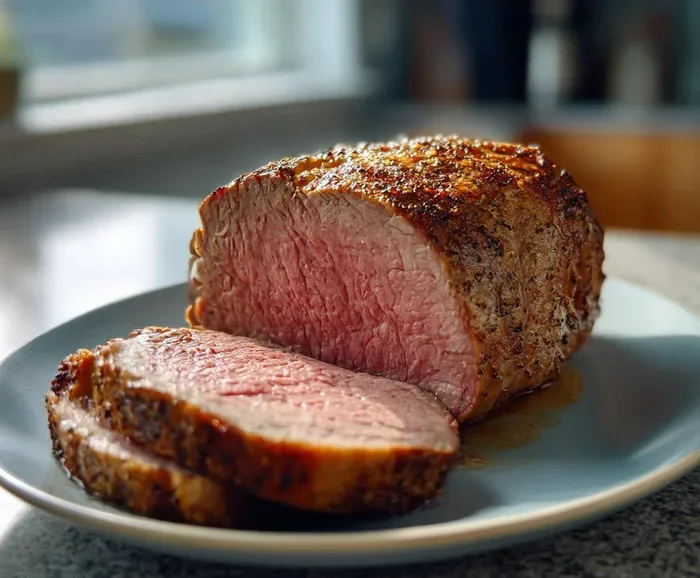
Let the turkey breast rest for 20 to 30 minutes before carving. Tent it loosely with foil to keep it warm while it rests. During this time, the internal temperature will rise a few degrees from carryover cooking. The meat will be much easier to slice and will be noticeably juicier. Use this time to prepare your gravy and side dishes. A well-rested turkey breast will slice cleanly and stay moist on the plate.
Carving, Serving, and Leftover Ideas
A beautiful roast deserves to be presented well. Carving an 8-pound turkey breast is straightforward once you know the technique. Serve it with your favorite sides like roasted vegetables, mashed potatoes, or a simple green salad. The pan drippings make a delicious gravy that elevates the whole meal. For a holiday dinner, consider serving cranberry sauce and a fresh herb stuffing alongside the breast.
How to Carve an 8Lb Turkey Breast
Place the rested turkey breast on a cutting board. If it is bone-in, start by slicing along the breastbone to release the whole breast half. Then cut against the grain into slices about ¼ inch thick. For a boneless breast, simply slice straight down into uniform pieces. Always use a sharp knife to get clean cuts. Arrange the slices on a warm platter and spoon a little of the pan juices over the top for extra moisture. This simple step makes the carving look professional and the slices look beautiful.
Making Gravy from Pan Juices
Do not throw away the drippings in the roasting pan. They are packed with flavor. Place the pan on the stovetop over medium heat. Add a cup or two of turkey or chicken broth and scrape up the browned bits from the bottom. Stir in a tablespoon of flour or cornstarch mixed with cold water to thicken. Season with salt and pepper, and you have a simple, savory gravy that pairs perfectly with the turkey. If you are making stuffing, you can also use the drippings to moisten it. Homemade gravy turns a simple roast into a festive dinner.
Storing and Reheating Leftovers
Leftover turkey breast keeps well in the refrigerator for up to 4 days. Store it in an airtight container or wrap it tightly in foil. To reheat, place slices in a baking dish, add a splash of broth or water, and cover with foil. Warm it in a 325°F oven for 15 to 20 minutes until heated through. Avoid microwaving, which can dry out the meat quickly. You can also use leftover turkey in sandwiches, salads, soups, or casseroles the next day. Proper storage ensures you enjoy the fruits of your labor for days after the meal.
Common Mistakes That Ruin Turkey Breast
Even experienced cooks can make errors when roasting a turkey breast. Knowing what to avoid saves you from a dry, disappointing meal. Here are the most common mistakes and how to prevent them.
Overcooking the Turkey
Overcooking is the leading cause of dry turkey breast. It happens when cooks rely on time alone instead of a thermometer. Every oven is different, and the actual cooking time can vary. Start checking the internal temperature about 30 minutes before the estimated finish time. Once the thermometer reads 160°F to 162°F, pull the turkey out. Carryover cooking will bring it up to the safe 165°F while it rests. This small adjustment makes a big difference in juiciness and texture.
Skipping the Resting Period
Cutting into the turkey immediately after it comes out of the oven releases all the precious juices. The meat will be less flavorful and can dry out quickly. Give it the full 20 to 30 minutes to rest. This is also a great time to make the gravy and set the table. Patience here pays off with tender, moist slices. Do not skip this step, no matter how eager you are to dig in.
Not Letting the Turkey Come to Room Temperature
A cold turkey breast going into a hot oven cooks unevenly. The outside may be done while the center is still cold. Always take the turkey out of the fridge at least 30 minutes before roasting. This small step ensures the meat cooks uniformly from edge to center. It also reduces the total cooking time slightly because you are not starting from a refrigerator temperature. A little planning ahead makes a big difference in the final result.
Using the Wrong Pan or Rack
A dark, nonstick roasting pan can cause the bottom to burn before the rest of the turkey is done. Stick with a light-colored aluminum roasting pan and a V-rack. The rack keeps the breast out of the drippings and allows air to flow underneath. If you do not have a rack, you can create a bed of chopped onions, carrots, and celery. These vegetables lift the turkey and add flavor to the drippings for gravy.
Key Takeaways for Perfect Turkey Breast
Roasting an 8-pound turkey breast is easier than most people think. With the right preparation, oven temperature, and attention to internal temperature, you will serve a meal that impresses everyone. Remember these core points:
- Brine or dry brine for moisture and flavor.
- Roast at 325°F for even, gentle cooking.
- Use a meat thermometer to check for 165°F in the thickest part.
- Rest the turkey for 20 to 30 minutes before slicing.
- Bone-in takes longer than boneless, so adjust your timing.
- Avoid overcooking by starting to check early.
Now you have everything you need to roast a stunning turkey breast at home. The process is straightforward, and the results are worth every minute of effort. Whether you are cooking for Thanksgiving, Christmas, or a casual family gathering, this method delivers consistent, delicious outcomes. Gather your ingredients, preheat the oven, and enjoy the process of creating a memorable meal.
How long to cook 8Lb turkey breast in oven is a question with a clear answer: plan for about 3 hours at 325°F for a bone-in breast, or a little less for boneless. Trust your thermometer, let the turkey rest, and savor the compliments from your guests. A perfectly roasted turkey breast is a gift you can give yourself and your loved ones any time of the year.
Frequently Asked Questions
How long does it take to cook an 8Lb turkey breast in the oven?
At 325°F, a bone-in 8Lb turkey breast takes about 3 to 3.5 hours, while a boneless one takes around 2.5 to 3 hours. Always use a meat thermometer to check for 165°F in the thickest part, as oven variations can affect timing.
What is the best oven temperature for cooking turkey breast?
325°F is the recommended temperature for roasting turkey breast. It cooks the meat gently and evenly, reducing the risk of drying out. You can go up to 350°F if you are short on time, but watch the internal temperature closely.
Should I brine my turkey breast before roasting?
Brining is highly recommended because it adds moisture and flavor. A wet brine works well if you have 4 to 12 hours, while a dry brine is simpler and requires just salt and time in the fridge. Either method helps keep the meat juicy during cooking.
How do I know when the turkey breast is done?
The only reliable way is to use a meat thermometer. Insert it into the thickest part of the breast, avoiding bone. When the internal temperature reaches 165°F, the turkey is safely done. Pull it a few degrees early and let carryover cooking finish the job.
Can I cook a frozen turkey breast in the oven?
It is not recommended to cook a frozen turkey breast directly in the oven because it will cook unevenly and spend too long in the danger zone. Always thaw the turkey breast in the refrigerator for 24 to 48 hours before cooking for the best results and food safety.
How long should I let the turkey rest before carving?
Let the turkey breast rest for 20 to 30 minutes after removing it from the oven. Tent it loosely with foil to keep it warm. This resting period allows the juices to redistribute, making the meat more tender and easier to slice.