Is Cast Iron Oven Safe Here Is What You Should Know
Yes, cast iron is oven safe and one of the most durable cookware options you can own. Whether you use a skillet, Dutch oven, or grill pan, cast iron handles high heat with ease. This guide covers everything from temperature limits to seasoning tips so you can cook with confidence. Learn how to keep your cast iron in great shape for years of oven use.
You love your cast iron cookware. It sears steaks beautifully, bakes cornbread to golden perfection, and delivers even heat every time. But one question keeps popping up: is cast iron oven safe? The short answer is yes. Cast iron is one of the most oven-friendly materials you will ever own. In this guide, we will walk through everything you need to know about using cast iron in the oven safely and confidently.
Whether you are a beginner cook or a seasoned home chef, understanding how your cast iron behaves in the oven matters. You want to get the best results without damaging your pan. We will cover temperature limits, handle safety, seasoning tips, and much more. By the end, you will feel completely comfortable popping your cast iron into the oven whenever a recipe calls for it.
Key Takeaways
- Cast iron is fully oven safe: It can handle temperatures up to 500°F or higher, making it perfect for oven cooking.
- Seasoning protects your pan: Proper seasoning creates a natural nonstick surface and prevents rust in the oven.
- Watch the handle material: Some cast iron handles have rubber or wooden parts that may not be oven safe at high temperatures.
- Enamel coated cast iron works too: It offers a smoother surface but has different temperature limits than bare cast iron.
- Preheat gradually: Avoid thermal shock by warming your cast iron slowly to prevent cracking or warping.
- Maintenance is simple: A little care after each use keeps your cast iron performing beautifully in the oven.
📑 Table of Contents
- What Makes Cast Iron Oven Safe?
- Temperature Limits for Cast Iron in the Oven
- The Handle Question: Is Your Cast Iron Handle Oven Safe?
- Enamel Coated Cast Iron: Is It Oven Safe?
- Seasoning Your Cast Iron for Oven Use
- Common Mistakes to Avoid When Using Cast Iron in the Oven
- Best Cast Iron Oven Recipes to Try
- How to Clean Cast Iron After Oven Use
- Expert Tips for Oven Cooking with Cast Iron
- Key Takeaways
- Conclusion
What Makes Cast Iron Oven Safe?
Cast iron is a dense, heavy metal that absorbs and retains heat incredibly well. This is why it works so well on the stovetop and in the oven. Unlike some cookware with plastic or wooden handles, bare cast iron can handle extreme temperatures without releasing harmful chemicals.
The material itself is naturally heat resistant. It does not warp, melt, or leach anything into your food at normal cooking temperatures. This makes it a top choice for oven safe cookware among home cooks and professional chefs alike.
How Cast Iron Handles High Heat
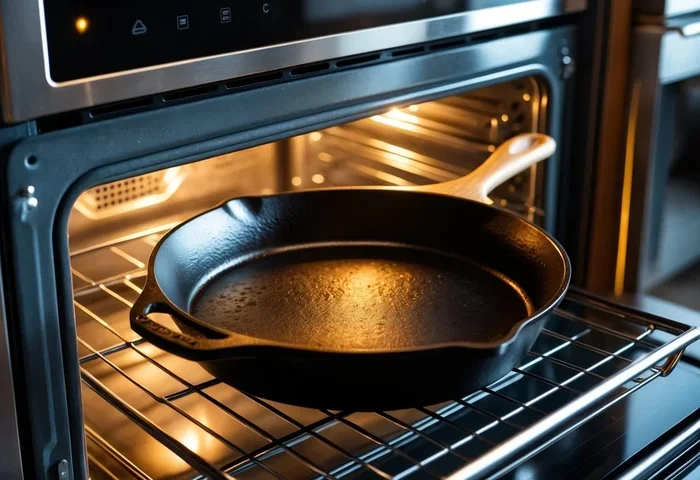
Cast iron can tolerate temperatures up to 500°F or even higher. Most oven recipes call for temperatures between 350°F and 450°F, which is well within the safe range for cast iron. The metal distributes heat slowly but evenly once it is hot. This is called thermal retention, and it is one of the biggest advantages of cooking with cast iron.
Here are a few reasons cast iron excels in the oven:
- Even heat distribution: Cast iron heats up consistently across the entire surface.
- Heat retention: It stays hot long after you turn off the oven, keeping your food warm.
- No chemical coatings: Bare cast iron does not contain PFOA, PTFE, or other synthetic materials.
- Durability: With proper care, a cast iron pan can last for generations.
So when you ask yourself, is cast iron oven safe, the answer is a clear yes. The real question is how to use it properly and get the best results.
Temperature Limits for Cast Iron in the Oven
Most bare cast iron pans can handle temperatures up to 500°F. Some seasoned cast iron pieces can go even higher. But there are a few things to keep in mind before you set the temperature dial.
Understanding Your Oven Temperature Settings
Most home ovens go up to 500°F or 550°F. This is perfectly fine for cast iron. If you are broiling, the top element can create very intense heat. Cast iron handles this well because of its thick construction. However, you should always place your pan in the center of the oven for even cooking.
Here is a quick reference for common oven temperatures and cast iron safety:
- 350°F: Safe for baking, roasting, and casseroles.
- 400°F: Great for searing and finishing dishes in the oven.
- 450°F: Ideal for pizza, bread, and high-heat roasting.
- 500°F: The upper safe limit for most cast iron cookware.
Avoid going above 500°F for extended periods unless your specific pan is rated for higher temperatures. Excessive heat can break down the seasoning over time. It can also cause smoke if there is leftover food residue on the surface.
Can Cast Iron Handle Thermal Shock?
Thermal shock happens when you move cast iron from a cold environment to a hot one very quickly. For example, taking a cold pan straight from the fridge and placing it in a hot oven. This sudden temperature change can cause the pan to crack or warp.
To avoid thermal shock, let your cast iron come to room temperature before placing it in the oven. This is a simple habit that protects your cookware. It also helps the food cook more evenly.
The Handle Question: Is Your Cast Iron Handle Oven Safe?
This is one of the most overlooked parts of the cast iron oven safety conversation. Not all cast iron handles are created equal. The handle material matters a lot when you are putting a pan in the oven.
Bare Metal Handles
Most traditional cast iron skillets and Dutch ovens have bare metal handles. These are fully oven safe at high temperatures. You can safely place them in the oven at any standard cooking temperature. The handle will get hot, so always use an oven mitt or a thick towel when removing the pan.
Rubber or Silicone-Wrapped Handles
Some modern cast iron cookware comes with rubber or silicone grips on the handle. These materials have lower heat tolerances. They can melt or release harmful fumes at temperatures above 350°F to 400°F. If your cast iron has a wrapped handle, check the manufacturer’s instructions before placing it in a hot oven.
Wooden Handles
Cast iron with wooden handles is less common but does exist. Wood is not oven safe at high temperatures. It can burn or char if exposed to oven heat for too long. Avoid placing cast iron with wooden handles in the oven unless the manufacturer specifically says it is safe.
The safest bet is to choose cast iron with a bare metal handle for oven use. This gives you the most flexibility and peace of mind.
Enamel Coated Cast Iron: Is It Oven Safe?
Enamel coated cast iron has become very popular in recent years. Brands like Le Creuset and Staub make beautiful enameled Dutch ovens and skillets. But how do they perform in the oven compared to bare cast iron?
What Is Enamel Coated Cast Iron?
Enamel is a glass-like coating fused to the surface of cast iron. It creates a smooth, non-reactive cooking surface. You do not need to season enameled cast iron the way you do with bare cast iron. The enamel coating provides a natural nonstick surface right out of the box.
Temperature Limits for Enamel Coated Cast Iron
Most enamel coated cast iron is oven safe up to 450°F to 500°F. However, the enamel coating can chip or crack if exposed to sudden temperature changes. This means you need to be even more careful about thermal shock with enameled pieces.
Here are some quick tips for using enamel coated cast iron in the oven:
- Preheat gradually: Do not place cold enameled cast iron directly into a hot oven.
- Avoid the broiler: The intense direct heat from the broiler can damage the enamel coating.
- Check the lid knob: Many enameled Dutch ovens have phenolic lid knobs that are oven safe up to 350°F to 400°F only.
- Do not empty cold water into a hot pan: This can cause the enamel to crack or shatter.
So, is enamel coated cast iron oven safe? Yes, but with a few more precautions than bare cast iron. Always check the manufacturer’s guidelines for your specific piece.
Seasoning Your Cast Iron for Oven Use
Seasoning is the process of applying a thin layer of oil to cast iron and heating it until it polymerizes. This creates a natural nonstick surface and protects the metal from rust. Proper seasoning is essential for anyone who uses cast iron in the oven regularly.
Why Seasoning Matters for Oven Cooking
When you cook with cast iron in the oven, the heat helps the seasoning bond to the surface. Over time, this builds up a protective layer that makes your pan nearly nonstick. It also enhances the flavor of your food. A well-seasoned cast iron pan produces better sears, crispier edges, and more even browning.
How to Season Cast Iron for Oven Use
Follow these simple steps to season your cast iron for oven cooking:
- Clean the pan: Wash it with warm water and a small amount of mild dish soap. Dry it completely with a towel.
- Apply a thin layer of oil: Use a high-smoke-point oil like flaxseed oil, grapeseed oil, or vegetable oil. Apply it with a paper towel, wiping off any excess.
- Place it upside down in the oven: Set the pan on the middle rack with a sheet of foil on the rack below to catch drips.
- Bake at 450°F to 500°F for one hour: This allows the oil to polymerize and bond to the iron.
- Let it cool inside the oven: Do not remove it while it is still hot. Allow it to cool naturally to prevent thermal shock.
Repeat this process two to three times for the best results. Your cast iron will develop a beautiful dark, glossy finish that is built to last.
How Often Should You Re-Season?
You should re-season your cast iron whenever you notice food sticking or when the surface looks dull or rusty. Most people re-season their cast iron every few months with regular use. If you use your cast iron in the oven frequently, the seasoning may need refreshing more often.
The good news is re-seasoning is quick and easy. A single hour in the oven is all it takes to restore your pan to its former glory.
Common Mistakes to Avoid When Using Cast Iron in the Oven
Even experienced cooks make mistakes with cast iron. Here are some common errors that can damage your pan or reduce its performance.
Mistake 1: Sudden Temperature Changes
Going from a cold pan to a hot oven or vice versa is the fastest way to crack cast iron. Always let your pan adjust to room temperature first. This prevents thermal shock and keeps your pan in great shape.
Mistake 2: Using the Wrong Oil for Seasoning
Not all oils work well for seasoning cast iron. Oils with low smoke points, like olive oil, can leave a sticky residue. Stick to high-smoke-point oils like vegetable oil, canola oil, or flaxseed oil for the best results.
Mistake 3: Soaking Cast Iron in Water
Never soak cast iron in water for long periods. Water causes rust, especially on bare cast iron. If you need to clean stuck-on food, use a stiff brush and warm water. Dry the pan immediately and thoroughly after washing.
Mistake 4: Ignoring the Handle
As we discussed earlier, not all handles are oven safe. Putting a cast iron pan with a rubber-wrapped handle in a 450°F oven can ruin the handle and create a safety hazard. Always double-check before you place your pan in the oven.
Mistake 5: Skipping the Drying Step
After washing, always dry your cast iron completely. Even a small amount of moisture can cause rust over time. Some people even place the pan on the stove over low heat for a minute to ensure it is fully dry before storing it.
Best Cast Iron Oven Recipes to Try
Now that you know cast iron is safe in the oven, it is time to put that knowledge to use. Here are some delicious recipes that showcase the versatility of cast iron in the oven.
Cast Iron Skillet Cornbread
Cornbread baked in a cast iron skillet is a classic for a reason. The pan creates a perfectly crispy crust on the outside while keeping the inside soft and moist. Preheat your skillet in the oven, pour in the batter, and bake at 425°F for about 20 minutes.
Cast Iron Dutch Oven Roast
A Dutch oven is perfect for slow-roasting meats in the oven. The heavy lid traps moisture and creates a tender, flavorful result. Try a beef roast with potatoes and carrots at 325°F for a hearty weeknight dinner.
Cast Iron Pizza
You can make restaurant-quality pizza at home using a cast iron skillet. Preheat the skillet in the oven at 500°F, add your dough and toppings, and bake until the crust is golden and the cheese is bubbly.
Cast Iron Sheet Pan Dinner
For an easy cleanup, use a cast iron sheet pan for roasted vegetables and chicken. The even heat distribution ensures everything cooks perfectly. Season your protein and veggies, spread them on the pan, and bake at 400°F for 25 to 30 minutes.
How to Clean Cast Iron After Oven Use
Cleaning cast iron after oven use is simple but requires a few specific steps to maintain the seasoning and prevent rust.
Step-by-Step Cleaning Process
- Let the pan cool: Allow it to cool to a safe handling temperature before cleaning.
- Remove food residue: Use a stiff brush or a chainmail scrubber to remove any stuck-on bits.
- Wash with warm water: Use warm water and a small amount of mild soap if needed. You can also use just water and a brush.
- Dry immediately: Use a clean towel to dry the pan right away. Do not let it air dry.
- Apply a light coat of oil: Rub a thin layer of oil onto the cooking surface to protect it from moisture and rust.
- Store properly: Keep your cast iron in a dry place with the lid slightly off if stored in a cabinet.
Following these steps after every oven use will keep your cast iron in excellent condition for years to come. Remember, proper cast iron care is the key to long-lasting performance.
Expert Tips for Oven Cooking with Cast Iron
Here are some expert insights to help you get the most out of your cast iron in the oven:
- Preheat your pan: Preheating cast iron in the oven before adding food ensures a great sear and even cooking.
- Use oven mitts: Cast iron handles get extremely hot in the oven. Always use a thick oven mitt when handling your pan.
- Place a tray underneath: When baking, place a sheet tray under your cast iron to catch any drips and make cleanup easier.
- Avoid acidic foods for long cooks: Tomatoes and other acidic ingredients can break down seasoning if cooked for extended periods. Short cooks are fine.
- Invest in a lid: A cast iron lid traps heat and moisture, making it perfect for braising and baking bread.
Key Takeaways
- Cast iron is fully oven safe and can handle temperatures up to 500°F or higher.
- Bare metal handles are the safest choice for oven use; avoid rubber, silicone, or wooden handles at high temperatures.
- Enamel coated cast iron is oven safe but requires extra care to prevent chipping and thermal shock.
- Seasoning regularly keeps your cast iron nonstick, rust-free, and performing at its best.
- Avoid thermal shock by letting your pan adjust to room temperature before placing it in the oven.
- Clean and dry thoroughly after every use to maintain the seasoning and prevent rust.
- Cast iron is a long-term investment: with proper care, it can last for decades and even be passed down through generations.
Conclusion
The answer to the question is cast iron oven safe is a definitive yes. Cast iron is one of the most versatile, durable, and oven-friendly materials you can cook with. From searing and baking to roasting and broiling, cast iron handles it all with ease. As long as you follow a few simple guidelines, your cast iron will serve you well for many years.
Remember to check your handle material, avoid sudden temperature changes, and keep your pan properly seasoned. These small habits make a big difference in the performance and lifespan of your cookware. Whether you are baking cornbread, roasting a Sunday dinner, or making homemade pizza, cast iron delivers results that no other material can match.
So go ahead and put that cast iron pan to use in the oven. With the tips and knowledge from this guide, you are fully equipped to cook safely and confidently. Your cast iron is ready, and so are you. Happy cooking!
Frequently Asked Questions
Can I put a cast iron skillet in the oven at 450°F?
Yes, cast iron skillets are safe at 450°F. This is a standard baking and roasting temperature that cast iron handles with ease. Just make sure your pan does not have any rubber or silicone parts on the handle before placing it in the oven.
Is enamel coated cast iron oven safe?
Yes, enamel coated cast iron is oven safe up to 450°F to 500°F. However, you should avoid sudden temperature changes and keep the enamel away from the broiler’s direct heat. Always check the manufacturer’s guidelines for your specific piece.
Can cast iron crack in the oven?
Cast iron can crack if exposed to thermal shock, which happens when you move it from a cold environment to a hot oven quickly. To prevent this, let your pan come to room temperature before placing it in the oven.
Do I need to re-season cast iron after oven use?
You do not need to re-season after every use. However, if you notice food sticking or the surface looking dull, a quick re-seasoning in the oven at 450°F for one hour will restore the protective layer.
Can I use soap to wash cast iron after oven cooking?
Yes, a small amount of mild dish soap is safe for cleaning cast iron after oven use. Just avoid soaking the pan for long periods and dry it immediately to prevent rust.
What is the maximum temperature cast iron can handle in the oven?
Most bare cast iron cookware can handle temperatures up to 500°F safely. Some high-quality pieces can go even higher. Always check the manufacturer’s recommendations for your specific cast iron product.