Can an Oven Catch Fire And How to Prevent Dangerous Fires
Yes, an oven can catch fire, and it happens more often than most people think. Grease buildup, electrical faults, and unattended cooking are the top causes of oven fires in homes. This guide covers everything you need to know about oven fire risks, prevention, and what to do if flames break out. Understanding these dangers can protect your family, your home, and your peace of mind.
You probably trust your oven every day. It cooks your meals, bakes your favorite treats, and keeps your family fed. But here is a scary thought. Can an oven catch fire? The answer is yes. Ovens are one of the most common sources of house fires. Yet most people never think about it until it is too late. Understanding oven fire risks is not just smart. It can save your life.
Every year, thousands of house fires start in the kitchen. Many of them involve ovens. Grease, food debris, and electrical problems all play a role. The good news is that most oven fires are preventable. With the right knowledge and a few simple habits, you can keep your kitchen safe. This article will walk you through everything you need to know. From the causes of oven fires to prevention tips and emergency response steps, we have you covered.
Key Takeaways
- Ovens can and do catch fire: Faulty wiring, grease buildup, and overheating are leading causes of oven fires in households.
- Prevention is simple: Regular cleaning, proper use, and routine maintenance greatly reduce fire risk.
- Never ignore warning signs: Unusual smells, smoke, or sparks mean something is wrong and needs immediate attention.
- Know how to respond: Using the wrong method to put out an oven fire can make things worse.
- Keep a fire extinguisher nearby: A Class B or Class K extinguisher is essential for kitchen fire safety.
- Supervise your oven: Never leave a hot oven unattended, especially during self-cleaning cycles.
📑 Table of Contents
Can an Oven Catch Fire? Understanding the Real Risk
The short answer is yes. An oven can catch fire under certain conditions. Many people assume ovens are completely safe because they are enclosed appliances. But that enclosed space can actually make things worse. Heat builds up quickly. Flames can spread fast. And if something inside the oven ignites, the door can trap smoke and fire inside until it is too late.
Oven fires happen for many reasons. Some are caused by user error. Others are caused by appliance defects or wear over time. Either way, the result can be devastating. A small oven fire can grow into a full-blown kitchen fire in minutes. It can damage your home, your belongings, and even injure people you love.
How Common Are Oven Fires?
You might wonder how often oven fires actually happen. The numbers are startling. According to fire safety organizations, cooking equipment causes nearly half of all house fires in the United States. Ovens are a major contributor to that statistic. Unattended cooking is the number one cause. Grease fires inside ovens are also very common. These fires can reach temperatures of over 1,000 degrees Fahrenheit in seconds.
Most oven fires start small. A piece of food spills over and catches fire. Grease splatters onto the heating element and ignites. A forgotten item inside the oven overheats and smolders. These small fires can quickly become dangerous if they are not caught early. This is why knowing the risks matters so much.
Why Ovens Are Fire Hazards
Ovens are designed to produce and contain extreme heat. That is their job. But that same heat can ignite flammable materials. Paper, cardboard, plastic, and certain foods can all catch fire inside an oven. The enclosed space means there is no easy way for heat to escape. This creates the perfect conditions for a fire to start and spread.
Many people also underestimate how hot oven parts get. The heating element, the walls, and even the oven light can become extremely hot. If anything flammable touches these surfaces, a fire can ignite. This is especially true for older ovens with worn-out wiring or damaged insulation.
Common Causes of Oven Fires
Knowing what causes oven fires is the first step toward preventing them. Let us look at the most common reasons ovens catch fire and what you can do about each one.
Grease Buildup Inside the Oven
Grease is one of the biggest fire hazards in any oven. When you cook, grease splatters onto the oven walls, the bottom, and the racks. Over time, this grease builds up. It sticks to surfaces. It collects in corners and crevices. And when the oven gets hot, that built-up grease can ignite.
A small grease fire can start from just a few splatters. The heat from the oven is often enough to light it. Once a grease fire starts inside an oven, it can spread quickly. The flames can reach the ceiling, the walls, and even the cabinets above the oven. This is why regular oven cleaning is so important. Removing grease buildup eliminates one of the most common fire starters.
Overheating and Leaving the Oven On Too Long
Leaving your oven on for too long is another major cause of oven fires. Some people use the oven to heat their home. Others forget they turned it on. And some simply leave it running while they run errands or go to sleep. All of these behaviors increase the risk of a fire.
When an oven runs for too long, internal temperatures can rise beyond safe levels. Wiring can overheat. Insulation can break down. And if anything flammable is nearby, the risk of ignition increases. Modern ovens have safety shutoffs, but these are not foolproof. Older ovens may not have them at all. Never leave your oven running unattended for long periods.
Faulty Wiring and Electrical Problems
Electrical issues are a hidden but serious cause of oven fires. Over time, the wiring inside your oven can wear out. Connections can loosen. Insulation can crack. When this happens, sparks can fly. Those sparks can ignite grease, food debris, or nearby materials.
Electrical oven fires are especially dangerous because they can start without any visible warning. You might not see or smell anything until it is too late. This is why regular oven maintenance matters. Have a professional inspect your oven’s electrical components at least once a year. If you notice flickering lights, burning smells, or tripped breakers, get your oven checked immediately.
Cooking Without Supervision
One of the simplest ways an oven fire starts is through unattended cooking. Many people put something in the oven and then walk away. They get distracted by their phone, the television, or other tasks. By the time they remember, it might be too late.
Food can overflow. Grease can splatter. And without someone watching, a small problem can turn into a big fire. Always stay in the kitchen when your oven is on. If you must leave, turn the oven off first. This one habit can dramatically reduce your risk of an oven fire.
Placing Wrong Items Inside the Oven
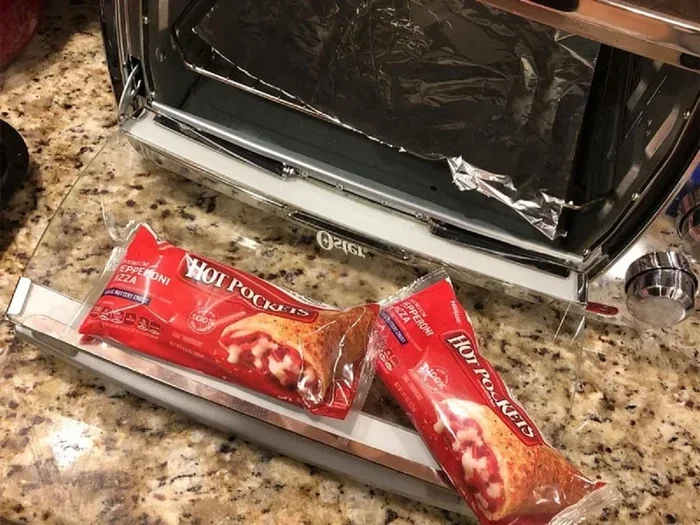
Not everything belongs inside an oven. Some people accidentally leave aluminum foil, paper towels, or plastic containers inside. Others use oven-safe dishes that are actually not rated for high temperatures. All of these items can catch fire when exposed to high heat.
Aluminum foil can block airflow and cause heat to build up. Paper and cardboard ignite easily at oven temperatures. Plastic melts and can release toxic fumes. Always double-check what you are putting inside your oven. Use only oven-safe cookware and remove any flammable items before turning on the heat.
Self-Cleaning Cycle Risks
Many modern ovens have a self-cleaning feature. While convenient, this feature can actually increase fire risk. During the self-cleaning cycle, the oven heats up to extremely high temperatures, sometimes over 900 degrees Fahrenheit. This is designed to burn off grease and food debris. But if there is too much buildup, the flames can get out of control.
Some ovens have caught fire during self-cleaning cycles. The extreme heat can ignite large amounts of grease or cause electrical components to fail. If you use the self-cleaning feature, stay nearby the entire time. Do not leave the house while it is running. And always clean out large food debris before starting the cycle.
Warning Signs Your Oven May Be at Risk
Most oven fires do not happen without warning. There are usually signs that something is wrong. Learning to recognize these warning signs can help you take action before a fire starts.
Unusual Smells or Burning Odors
If you smell something burning when your oven is on, do not ignore it. A burning smell could mean grease is overheating. It could also mean wiring is melting or food debris is scorching. Any unusual odor from your oven should be investigated immediately. Turn off the oven, open a window, and check inside.
Excessive Smoke or Sparks
Smoke or sparks coming from your oven are serious red flags. Smoke means something is burning inside. Sparks could indicate an electrical problem. Either way, turn off the oven right away. Do not open the door suddenly, as this can feed oxygen to the flames and make the fire worse.
Uneven Heating or Hot Spots
If your oven heats unevenly, it could be a sign of a failing heating element. Hot spots can cause food to burn in certain areas. Burnt food creates more grease buildup. And more grease means a higher fire risk. If you notice hot spots or uneven cooking, have your oven inspected by a professional.
Flickering Lights or Unusual Sounds
Your oven should run quietly and steadily. If you hear buzzing, crackling, or popping sounds, something is wrong. Flickering lights inside the oven can also indicate electrical issues. These are not minor annoyances. They are warning signs of potential oven fire hazards. Get them checked out as soon as possible.
How to Prevent Oven Fires
Preventing an oven fire is much easier than dealing with one after it starts. Here are practical steps you can take to keep your kitchen safe.
Clean Your Oven Regularly
Regular oven cleaning is the single most effective way to prevent oven fires. Remove grease, food spills, and debris after every use. Do a deep clean of the inside of your oven at least once a month. Pay special attention to the bottom of the oven, the racks, and the area around the heating elements.
Use oven-safe cleaning products. Avoid using too much water on electrical components. If you have a self-cleaning oven, use that feature regularly but stay nearby during the cycle. A clean oven is a safer oven.
Never Leave the Oven Unattended
This cannot be stressed enough. Always stay in the kitchen when your oven is on. If you need to leave, turn the oven off. Set a timer on your phone to remind you to check on your food. Distractions happen. A timer can help you stay on track and prevent forgotten meals from turning into fires.
Use Oven-Safe Cookware Only
Check the labels on your cookware before putting it in the oven. Not all pots, pans, and dishes are oven-safe. Using the wrong materials can cause them to crack, melt, or catch fire. Stick to materials like cast iron, stainless steel, and ceramic that are rated for high temperatures.
Keep Flammable Items Away
Move towels, paper, plastic, and cardboard away from the oven. These items can catch fire from the heat or from sparks. Keep a clear area around your oven at all times. This simple step can prevent a small fire from spreading to the rest of your kitchen.
Install and Maintain Smoke Detectors
A working smoke detector is your best early warning system. Install smoke detectors near your kitchen and in every bedroom. Test them monthly. Replace the batteries at least twice a year. A smoke detector can alert you to a fire in seconds, giving you time to react before the flames spread.
Have a Fire Extinguisher Handy
Keep a fire extinguisher in or near your kitchen. Make sure it is rated for grease and electrical fires. A Class B or Class K extinguisher is ideal for oven fire situations. Learn how to use it before an emergency happens. Practice with your family so everyone knows what to do.
Schedule Regular Professional Maintenance
Have a qualified technician inspect your oven at least once a year. They can check the wiring, heating elements, thermostat, and other components for signs of wear or damage. Professional maintenance can catch problems early before they turn into oven fires. This is especially important for older ovens or models with known safety issues.
What to Do If Your Oven Catches Fire
Despite your best efforts, fires can still happen. Knowing what to do in an oven fire can make all the difference. Here is what you need to remember.
Keep the Oven Door Closed
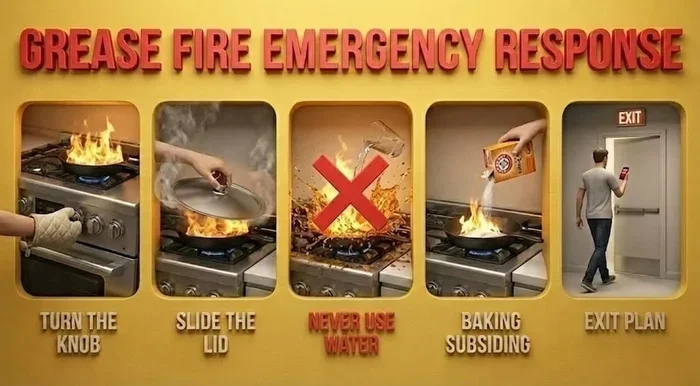
The first thing to do is keep the oven door shut. Opening the door can feed oxygen to the flames and make the fire bigger. Keep the door closed and turn off the oven. This cuts off the heat source and can help smother the fire.
Do Not Use Water
Never throw water on an oven fire. Water and grease do not mix. Throwing water on a grease fire can cause the flames to explode and spread rapidly. Water can also cause electrical shorts if the fire is caused by wiring. Always use a fire extinguisher or baking soda for small oven fires.
Call Emergency Services
If the fire does not go out quickly, call your local fire department immediately. Do not try to fight a large fire on your own. Get everyone out of the house and wait for professional help. Even small fires can become dangerous in seconds. Your safety always comes first.
Ventilate After the Fire Is Out
Once the fire is extinguished, open windows and doors to ventilate the area. Oven fires produce toxic smoke and fumes. Let the air clear before going back into the kitchen. Have your oven inspected by a professional before using it again. Even if the fire seemed small, hidden damage could make it unsafe.
Oven Safety Tips Every Homeowner Should Know
Oven safety goes beyond just preventing fires. It is about creating a safe kitchen environment for everyone. Here are some extra tips to keep in mind.
- Read your oven manual: Every oven is different. Read the manual to understand your specific model’s safety features and limitations.
- Replace old ovens: If your oven is more than 15 years old, consider replacing it. Older models may lack modern safety features.
- Use oven mitts: Burns can happen quickly and distract you during cooking, increasing the risk of accidents.
- Keep children away: Establish a kid-free zone around the oven. Hot surfaces and open flames are dangerous for little ones.
- Install oven locks: If you have young children, consider installing oven door locks to prevent accidental burns or tampering.
- Monitor the oven during use: Even if you are just baking cookies, stay nearby and keep an eye on the oven.
These tips might seem simple, but they can make a big difference. Oven safety is not about fear. It is about being prepared and staying aware. A few small habits can protect your home and your family from the devastating effects of a kitchen fire.
Final Thoughts on Oven Fire Safety
So, can an oven catch fire? Yes, it can. But now you know the risks, the causes, and the prevention steps. The most important thing to remember is that oven fires are largely preventable. With regular cleaning, careful use, and proper maintenance, you can greatly reduce the chance of a fire in your home.
Do not wait until something goes wrong to take action. Start today. Clean your oven. Check your smoke detectors. Review your family’s fire safety plan. These small steps add up to a big difference. Your kitchen is the heart of your home. Keep it safe, keep it clean, and keep your family protected.
A fire can happen to anyone. But it does not have to happen to you. Stay informed, stay vigilant, and stay safe. Your oven works hard for you every day. Give it the care and attention it deserves, and it will keep serving you safely for years to come.
Frequently Asked Questions
Can an oven catch fire even when it is not in use?
Yes, an oven can catch fire even when it is not actively cooking. Faulty wiring, electrical shorts, or residual grease inside the oven can ignite without warning. This is why regular maintenance and inspections are so important, even when you are not using the appliance.
What should I do if my oven starts smoking but there is no visible fire?
If your oven is smoking but there is no open flame, turn it off immediately and open a window to ventilate the area. Smoke is often a sign of overheating grease or food debris. Let the oven cool completely before opening the door and inspecting the inside. Clean out any buildup to prevent a future fire.
Is it safe to use aluminum foil inside the oven?
Aluminum foil can be used safely in some cases, but it can also cause oven fires if it blocks vents or touches the heating elements. Foil can reflect heat unevenly, creating hot spots that may ignite food or grease. Always follow your oven manufacturer’s guidelines for foil use.
How often should I clean my oven to prevent fires?
You should wipe down the inside of your oven after every use to prevent grease buildup. A deeper cleaning should be done at least once a month. If you use your oven frequently, consider cleaning it more often. A clean oven is far less likely to catch fire than a dirty one.
Can a self-cleaning oven cycle cause a fire?
Yes, self-cleaning cycles can occasionally cause oven fires, especially if there is a large amount of grease or food debris inside. The extreme heat used during the cycle can ignite built-up materials. Always remove large debris before starting the cycle and stay nearby the entire time.
What type of fire extinguisher is best for oven fires?
A Class B fire extinguisher is best for grease fires, and a Class K extinguisher is ideal for kitchen environments where cooking oils are used. Never use a Class A extinguisher on a grease or electrical fire. Keep the right extinguisher in your kitchen and make sure everyone in your home knows how to use it.
=== CONCLUSION ===
Can an oven catch fire? The answer is a clear yes. But the good news is that you have the power to prevent it. Oven fires are often caused by simple, avoidable mistakes. Grease buildup, unattended cooking, faulty wiring, and using the wrong materials inside the oven are all leading culprits. By staying informed and taking proactive steps, you can dramatically reduce your risk.
Clean your oven regularly. Never leave it unattended. Keep flammable items away. Install smoke detectors and have a fire extinguisher ready. These habits take only a few minutes but offer powerful protection. Your family deserves a safe home, and your kitchen should be a place of comfort, not danger.
Share this information with your loved ones. Oven fire safety is everyone’s responsibility. When you know the risks and take action, you create a safer environment for everyone. Stay vigilant, stay prepared, and keep your kitchen fire-free.