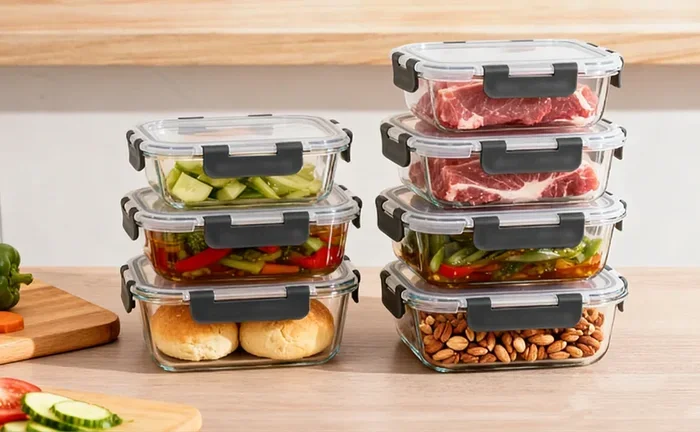
Are Glass Tupperware Oven Safe Or Not Heres The Answer
Not all glass Tupperware is oven safe. The answer depends on the type of glass, the lid material, and the temperature you plan to use. Borosilicate and tempered glass can handle high heat, but plastic lids will melt. Always check the manufacturer’s label before placing any container in a hot oven. This guide breaks down everything you need to know to stay safe and cook with confidence.
Key Takeaways
- Only certain glass Tupperware is oven safe: Borosilicate and tempered glass can handle high temperatures, but not all glass containers are created equal.
- Plastic lids are never oven safe: They will melt or release harmful chemicals when exposed to heat. Always remove the lid before oven use.
- Check for oven-safe symbols: Look for the oven-safe icon on the bottom of the container or refer to the product manual for temperature limits.
- Thermal shock is a real danger: Sudden temperature changes can cause glass to crack or shatter. Always let glass come to room temperature before heating.
- Glass Tupperware has many benefits: It is non-toxic, reusable, eco-friendly, and does not stain or absorb odors like plastic.
- Temperature limits vary by brand: Most oven-safe glass Tupperware can handle temperatures between 350°F and 450°F, but some can go higher.
- When in doubt, don’t risk it: If your glass container does not have an oven-safe label, use it only for cold storage or microwave use.
📑 Table of Contents
- Are Glass Tupperware Oven Safe Or Not? Heres The Answer
- What Makes Glass Tupperware Oven Safe?
- Can You Put Glass Tupperware in the Oven?
- Types of Glass Used in Tupperware Containers
- Temperature Limits and Safety Guidelines
- Benefits of Using Glass Tupperware in the Oven
- Common Mistakes When Using Glass Tupperware in the Oven
- Expert Tips for Using Glass Tupperware in the Oven
- The Bottom Line
Are Glass Tupperware Oven Safe Or Not? Heres The Answer
You pull your favorite glass Tupperware out of the fridge. The leftovers look delicious. You want to reheat them quickly. So you pop the container straight into the oven. But then a thought hits you. Are glass Tupperware oven safe?
This is a question a lot of people ask. And honestly, the answer is not as simple as yes or no. It depends on the type of glass, the lid, and the temperature. Some glass containers handle oven heat like champions. Others crack the moment they feel the warmth. Let us break it all down so you never have to guess again.
Glass Tupperware oven safety is more important than most people realize. Using the wrong container in a hot oven can lead to a mess. At worst, it can cause broken glass, ruined food, or even injury. So before you slide anything into that oven, take two minutes to read this guide. It could save you a lot of trouble.
The good news is that most glass Tupperware brands clearly label their products. Once you know what to look for, you will feel much more confident. You will also avoid the common mistakes that cause glass to break in the oven. Let us dive into the details.
Why Does Glass Tupperware Oven Safety Matter?
Glass is not just glass. There are different types. Some are designed to handle extreme heat. Others are meant only for cold storage. If you put the wrong kind of glass in a hot oven, it can shatter without warning. This is called thermal shock. It happens when glass experiences a sudden change in temperature.
Thermal shock is one of the biggest risks with glass containers. A cold glass dish going into a 400°F oven can crack instantly. The same goes for placing a hot dish on a cold surface. Understanding heat resistant glass and how it works is the first step to using it safely.
Beyond safety, there is also the question of food quality. Some glass containers are designed to distribute heat evenly. This means your food cooks more consistently. Others may not hold up well under heat, which affects cooking results. So knowing whether your glass containers in oven are safe has benefits beyond just avoiding breakage.
What Makes Glass Tupperware Oven Safe?
Not every glass container can go in the oven. So what makes one oven safe glass compared to another? The answer lies in the type of glass used and how it is manufactured.
Borosilicate Glass
Borosilicate glass is the gold standard for oven-safe containers. It is designed to withstand high temperatures and sudden changes in heat. Brands like Pyrex have used borosilicate glass for decades. This type of glass has a very low coefficient of thermal expansion. That means it does not expand or contract much when heated or cooled.
Because of this, borosilicate glass handles oven temperature changes much better than regular glass. It can typically withstand temperatures up to 450°F or even higher. If your glass Tupperware is made from borosilicate glass, there is a good chance it is oven safe.
Tempered Glass
Tempered glass is another strong option. It is treated with heat or chemicals to make it stronger than regular glass. Tempered glass can handle moderate oven temperatures. It is also more resistant to impact and breakage.
However, tempered glass is not quite as heat resistant as borosilicate glass. It still handles glass bakeware temperatures well, but you should always check the manufacturer’s guidelines. Some tempered glass containers are rated for up to 400°F, while others can go higher.
Regular Soda-Lime Glass
Regular soda-lime glass is the most common type of glass. It is found in cheap storage containers and some older Tupperware products. This type of glass is not oven safe. It cannot handle high temperatures and is very prone to thermal shock.
If you have a glass container that does not specify its type, it is likely soda-lime glass. Do not put it in the oven. Use it only for cold storage or microwave reheating at low power. The risk of breakage is simply too high.
Can You Put Glass Tupperware in the Oven?
The short answer is yes, but only if the container is designed for it. The long answer is a bit more detailed. Let us walk through the steps to determine if your glass Tupperware is safe for oven use.
Step 1: Check the Label
Flip the container over. Look at the bottom. Most glass Tupperware products have an oven-safe symbol printed on them. It usually looks like a small oven icon with wavy lines inside. Some containers also list the maximum temperature they can handle.
If you see the oven-safe symbol, you are good to go. If you do not see it, do not assume it is safe. When in doubt, contact the manufacturer or check their website for product specifications.
Step 2: Remove the Lid
This is one of the most important rules. Glass Tupperware lids are almost always made of plastic. Plastic lids will melt in the oven. They can also release harmful chemicals into your food. Always remove the lid before placing the container in the oven.
Some glass containers come with glass lids. These can sometimes be oven safe, but again, check the label. Even glass lids have temperature limits. Never assume a lid is oven safe just because the container is.
Step 3: Know Your Temperature Limits
Every oven-safe glass container has a temperature limit. Most can handle between 350°F and 450°F. Some specialty borosilicate glass can go even higher. But exceeding the recommended temperature can cause the glass to break.
Here is a quick reference:
- Borosilicate glass: Up to 450°F or higher
- Tempered glass: Up to 400°F to 450°F
- Regular glass: Not oven safe at any temperature
Always stay within the recommended range. And never preheat the oven with a glass container inside. Start with a cool oven and let the container heat up gradually.
Types of Glass Used in Tupperware Containers
Understanding the different types of glass helps you make better choices in the kitchen. Not all glass Tupperware is the same, and the material makes a huge difference in performance and safety.
How Glass Tupperware Compares to Plastic
Glass Tupperware has become increasingly popular over the years. More people are switching from plastic to glass for food storage. There are good reasons for this shift. Glass is non-toxic, does not stain, and does not absorb odors. It is also better for the environment because it is reusable and recyclable.
But when it comes to oven use, plastic and glass are very different. Plastic Tupperware should never go in the oven. It will melt, warp, and potentially release harmful chemicals. Glass, on the other hand, can handle heat much better. But only the right type of glass.
If you are looking for a container that works in the oven, microwave, and freezer, glass is the clear winner. Just make sure it is labeled as oven safe and microwave safe.
The Rise of Glass Meal Prep Containers
Meal prep has exploded in popularity over the last few years. And glass containers have become the go-to choice for many meal preppers. They are easy to clean, do not stain from tomato sauce or turmeric, and look great in the fridge.
Many meal preppers also use glass containers to reheat food in the oven. This works well as long as the container is oven safe. Glass meal prep containers are often made from borosilicate glass, which makes them ideal for oven use. Just remember to remove any plastic lids before heating.
Temperature Limits and Safety Guidelines
Temperature is the biggest factor when it comes to glass Tupperware safety. Knowing the limits and following safety guidelines will keep your containers in good shape and your food safe to eat.
Maximum Oven Temperatures for Glass Tupperware
Most oven-safe glass Tupperware can handle temperatures up to 400°F or 450°F. Some high-quality borosilicate glass can go even higher. But there is no universal standard. Every brand sets its own limits based on the type of glass used.
Here are some general guidelines:
- 350°F: Safe for almost all oven-safe glass containers
- 400°F: Safe for most tempered and borosilicate glass
- 450°F: Safe only for high-quality borosilicate glass
- Above 450°F: Not recommended for any standard glass Tupperware
If you are baking at 350°F, most oven-safe glass containers will work fine. If you are broiling or cooking at very high temperatures, stick to metal pans or specialized glass bakeware.
How to Prevent Thermal Shock
Thermal shock is the number one enemy of glass containers. It happens when glass goes from a cold temperature to a hot temperature too quickly. The uneven expansion causes stress, which leads to cracks or shattering.
Here is how to prevent it:
- Let the container come to room temperature before putting it in the oven.
- Never place a cold glass dish on a hot surface.
- Avoid pouring hot liquid into a cold glass container.
- Place the container on a dry, heat-safe surface when removing it from the oven.
- Let the container cool gradually before washing it with cold water.
Following these simple steps will dramatically reduce the risk of breakage. Your glass Tupperware will last much longer, and you will stay safe in the kitchen.
Benefits of Using Glass Tupperware in the Oven
Glass Tupperware offers many advantages over plastic and other materials. Once you know it is safe to use in the oven, you can enjoy all these benefits.
Non-Toxic and Chemical Free
Glass does not contain BPA, phthalates, or other harmful chemicals. When you heat food in glass, there is no risk of chemicals leaching into your meal. This makes glass containers for oven a healthier choice for reheating and cooking.
Plastic containers, even those labeled BPA-free, can still release other potentially harmful substances when heated. Glass gives you peace of mind, especially when cooking for children or family members with sensitivities.
Easy to Clean and Stain Resistant
Glass does not stain like plastic. You can store tomato sauce, curry, or turmeric rice in a glass container, and it will look just as clean the next day. Glass is also dishwasher safe, which makes cleanup a breeze.
When used in the oven, glass containers develop no residue or odor. They are easy to wipe clean and ready to use again. This makes them ideal for meal prep and batch cooking.
Versatile and Durable
A good quality glass Tupperware can go from the fridge to the oven to the table. You can store leftovers, reheat them, and even serve the dish right in the same container. This reduces the number of dishes you need to wash.
Glass is also very durable when used correctly. A well-made glass container can last for years, even with regular oven use. It is a smart investment for any kitchen.
Common Mistakes When Using Glass Tupperware in the Oven
Even with the best glass containers, mistakes happen. Here are the most common errors people make and how to avoid them.
Mistake 1: Putting a Cold Container in a Hot Oven
This is the fastest way to shatter a glass container. A cold glass dish going into a preheated oven experiences thermal shock almost immediately. Always let the container warm up to room temperature first.
Mistake 2: Using a Container Without an Oven-Safe Label
Just because a container is made of glass does not mean it is oven safe. Many glass storage containers are not designed for high heat. Always look for the oven-safe symbol or check the product description.
Mistake 3: Forgetting to Remove the Plastic Lid
Plastic lids and oven heat do not mix. The lid will melt, stick to the container, and potentially release harmful fumes. Always remove the lid before oven use. Use a piece of aluminum foil to cover the container if you want to keep moisture in.
Mistake 4: Placing a Hot Glass Dish on a Wet or Cold Surface
Taking a hot glass container out of the oven and placing it on a wet countertop or cold metal surface can cause it to crack. Always use a dry oven mitt and place the container on a heat-safe surface like a wooden board or trivet.
Mistake 5: Overfilling the Container
When food heats up, it expands and produces steam. If the container is too full, the pressure can cause the lid to pop off or the glass to crack. Leave at least an inch of space at the top when cooking in the oven.
Expert Tips for Using Glass Tupperware in the Oven
Here are some practical tips from kitchen experts to help you get the most out of your glass Tupperware in the oven.
- Preheat the oven first, then place the room-temperature glass container inside.
- Add a little water or sauce to the bottom of the container to prevent food from drying out.
- Use aluminum foil as a lid instead of the plastic Tupperware lid for oven reheating.
- Let the container cool on a trivet or wooden board, never on a cold surface.
- Hand wash when possible to extend the life of the glass, even if the container is dishwasher safe.
- Inspect your containers regularly for cracks, chips, or scratches. Damaged glass is more likely to break in the oven.
These simple habits will keep your glass Tupperware in great shape and ensure safe oven use every time. The more care you take, the longer your containers will last.
The Bottom Line
So, are glass Tupperware oven safe? The answer is yes, but only if the container is specifically designed for oven use. Borosilicate glass and tempered glass are safe for oven temperatures up to 450°F. Regular glass and plastic lids are not.
Always check the label, remove the lid, and follow temperature guidelines. Avoid thermal shock by letting containers come to room temperature before heating. With the right precautions, glass Tupperware is a safe, healthy, and versatile option for oven cooking and reheating.
Glass Tupperware oven safety comes down to knowing your containers and using them correctly. Now that you have all the information, you can confidently use your glass containers in the oven without worry. Happy cooking.
Frequently Asked Questions
Can all glass Tupperware go in the oven?
No, not all glass Tupperware is oven safe. Only containers made from borosilicate glass or tempered glass and labeled as oven safe can handle high temperatures. Regular glass and plastic containers should never be used in the oven.
What temperature is glass Tupperware oven safe at?
Most oven-safe glass Tupperware can handle temperatures between 350°F and 450°F. Always check the manufacturer’s label for the exact temperature limit. Exceeding the recommended temperature can cause the glass to break.
Is it safe to put glass Tupperware with a plastic lid in the oven?
No. Plastic lids will melt in the oven and can release harmful chemicals. Always remove the plastic lid before placing glass Tupperware in the oven. Use aluminum foil if you need to cover the container.
How do I know if my glass container is oven safe?
Look for the oven-safe symbol on the bottom of the container. It usually looks like a small oven with wavy lines inside. You can also check the product manual or the manufacturer’s website for specific temperature ratings.
Can glass Tupperware go from the fridge to the oven?
No. Putting a cold glass container directly into a hot oven can cause thermal shock, which leads to cracking or shattering. Let the container come to room temperature first, then place it in a preheated oven.
What are the best glass Tupperware brands for oven use?
Brands like Pyrex, Anchor Hocking, and OXO are well known for making high-quality oven-safe glass containers. Look for products made from borosilicate glass and always verify the oven-safe label before use.