Are All Cast Iron Skillets Oven Safe for Your Kitchen
Not every cast iron skillet is automatically oven safe. The answer depends on the type of skillet, the handle material, the lid construction, and the manufacturer’s guidelines. Bare cast iron and enamel-coated skillets generally handle high oven temperatures well, but skillets with silicone or wooden handles may have lower limits. This guide breaks down everything you need to know about cast iron skillet oven safe use so you can cook with confidence and avoid costly mistakes.
You bought a beautiful cast iron skillet. You love cooking with it on the stovetop. Now you want to use it in the oven. But a question stops you in your tracks. Are all cast iron skillets oven safe? The short answer is no. Not every skillet handles oven heat the same way. Some can go from stovetop to oven without any issues. Others need caution. And a few should never see the inside of a hot oven at all.
Understanding what makes a cast iron skillet oven safe is important. It affects how you cook, what recipes you can try, and how long your skillet lasts. This guide covers everything you need to know. We will look at different types of cast iron cookware, temperature limits, handle materials, and common mistakes. By the end, you will know exactly how to use your skillet in the oven safely and confidently.
The world of cast iron cookware is bigger than many people realize. There is bare cast iron, enamel-coated cast iron, and skillets with different handle designs. Each type has its own oven-safe properties. A cast iron skillet oven safe rating depends on more than just the pan itself. It involves the entire piece, from the cooking surface to the lid to the handle. Let us dive into the details so you never have to guess again.
Key Takeaways
- Most bare cast iron skillets are oven safe up to 500 degrees Fahrenheit or higher.
- Enamel-coated cast iron is also oven safe but check the manufacturer’s temperature rating.
- Skillet handles matter — silicone, rubber, or wooden handles may limit oven safety.
- Thermal shock is a real risk — never move a cold skillet directly into a hot oven.
- Always check the manufacturer’s guidelines before placing any skillet in the oven.
- Seasoning protects your skillet and improves its oven performance over time.
- A cast iron skillet oven safe rating depends on the entire piece, not just the cooking surface.
📑 Table of Contents
- What Makes a Cast Iron Skillet Oven Safe?
- Types of Cast Iron Skillets and Their Oven Limits
- Temperature Guidelines for Cast Iron in the Oven
- Handle and Lid Considerations
- Common Mistakes to Avoid
- Expert Tips for Oven-Safe Cast Iron Use
- Comparison: Cast Iron Skillet Oven Safety by Type
- How to Know If Your Skillet Is Oven Safe
- Conclusion
What Makes a Cast Iron Skillet Oven Safe?
When we say a skillet is oven safe, we mean it can handle the heat inside an oven without damage. But oven safety is not just about one thing. Several factors work together to determine whether your skillet can go in the oven. Let us break them down.
The Material Matters
Cast iron is naturally heat resistant. It can handle very high temperatures. That is one reason why so many cooks love it. A bare cast iron skillet can usually go up to 500 degrees Fahrenheit or even higher. Some seasoned cast iron pans handle even more heat. The material itself is built for tough conditions.
But not all cast iron is the same. Enamel-coated cast iron has a glass-like layer fused to the surface. This coating adds a nonstick quality. It also changes the heat limits. Most enamel-coated skillets are oven safe up to 450 to 500 degrees Fahrenheit. Beyond that, the enamel can crack or chip. So the material type directly affects your oven-safe range.
The Handle Design
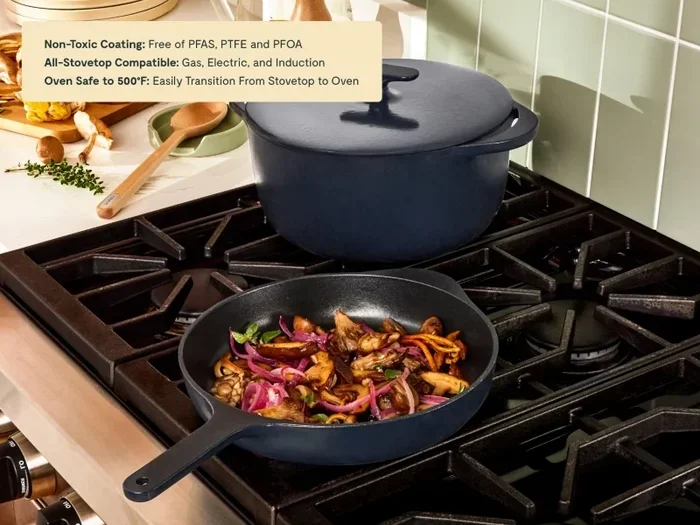
This is where many people get surprised. A skillet might have a great cast iron body, but the handle tells a different story. Some skillets come with metal handles that are part of the pan. These are almost always oven safe. They can handle the same high temperatures as the rest of the skillet.
Other skillets use silicone grips, rubber handles, or wooden knobs. These materials have much lower heat limits. Silicone can melt at around 400 degrees Fahrenheit. Wooden handles can char or crack. If your skillet has any of these materials, check the manufacturer’s oven-safe rating. The handle can be the weak link in an otherwise heat-resistant pan.
The Lid Construction
If your cast iron skillet comes with a lid, that lid also needs to be oven safe. Many cast iron lids are designed for high heat. They can handle oven temperatures just fine. But some lids have plastic or wooden knobs on top. These parts will not survive a hot oven. Always check the lid before you put the whole piece in. A cast iron skillet oven safe rating usually applies to the full skillet and lid together.
Types of Cast Iron Skillets and Their Oven Limits
Not all cast iron skillets are created equal. Different types have different oven-safe capabilities. Understanding these differences helps you choose the right pan for oven cooking. Let us look at the main types you will find in kitchens today.
Bare Cast Iron Skillets
Bare cast iron is the classic option. This is what most people picture when they think of a cast iron pan. It has no coating. The cooking surface is seasoned with oil over time. This seasoning creates a natural nonstick layer.
Bare cast iron skillets are among the most oven-safe options available. They can handle temperatures up to 500 degrees Fahrenheit easily. Some brands rate their skillets even higher. The seasoning holds up well under oven heat. Many cooks use bare cast iron for baking cornbread, roasting meats, and making skillet desserts. The heat retention of cast iron makes it perfect for these tasks.
Enamel-Coated Cast Iron Skillets
Enamel-coated cast iron has a glass-like finish baked onto the surface. This coating comes in many colors. It also makes the skillet easier to clean. You do not need to worry about seasoning as much. The enamel provides a smooth, non-reactive cooking surface.
Most enamel-coated skillets are oven safe up to 450 to 500 degrees Fahrenheit. Some high-end brands handle even more heat. But the enamel can crack if exposed to sudden temperature changes. This is called thermal shock. Always let your enamel skillet warm up gradually. Never place a cold enamel pan on a hot surface or into a hot oven. The coating can chip or shatter if you are not careful.
Cast Iron Skillets with Synthetic Handles
Many modern cast iron skillets come with helper handles or grip knobs made from synthetic materials. These include silicone, phenolic resin, or rubber. These handles make the skillet easier to move. They also look attractive on a stovetop.
However, these synthetic parts limit oven safety. Most silicone handles are rated for temperatures up to 400 degrees Fahrenheit. Phenolic resin handles can usually handle up to 350 to 400 degrees. Beyond those limits, the handles can melt, warp, or release harmful fumes. If you plan to use your skillet in a very hot oven, choose one with a metal handle instead.
Porcelain-Coated Cast Iron Skillets
Porcelain-coated cast iron is similar to enamel but uses a different firing process. The result is a very durable, smooth surface. Porcelain-coated skillets are often used for Dutch oven cooking. They are also popular for braising and slow cooking.
Most porcelain-coated skillets are oven safe up to 450 to 500 degrees Fahrenheit. The coating is more durable than enamel in some cases. But it still needs careful handling. Avoid thermal shock. Let the skillet cool naturally before washing it. Sudden temperature changes can damage the porcelain coating over time.
Temperature Guidelines for Cast Iron in the Oven
Knowing your skillet’s oven-safe temperature is essential. Every cast iron skillet has a limit. Going beyond that limit can damage the pan or even create safety risks. Here is what you need to know about oven temperatures and cast iron.
Standard Oven Temperatures
Most home ovens operate between 200 and 500 degrees Fahrenheit. Common baking temperatures fall around 350 to 425 degrees Fahrenheit. Roasting often happens at 400 to 450 degrees. Broiling can reach 500 to 550 degrees depending on your oven.
A bare cast iron skillet can handle all of these temperatures easily. It is one of the most heat-resistant cookware options you can own. Enamel-coated and porcelain-coated skillets also handle standard oven temperatures without problems. But if you plan to broil at very high heat, check your skillet’s rating first.
High-Heat Cooking with Cast Iron
Cast iron is famous for its heat retention. Once it is hot, it stays hot. This makes it excellent for high-heat cooking. You can sear steaks, bake cornbread, or roast vegetables at high temperatures. The even heat distribution of cast iron is a major advantage.
But high heat also means you need to be careful. Always preheat your skillet gradually. Placing a cold skillet in a hot oven can cause thermal shock. The pan can crack or warp. Instead, put the cold skillet in a cold oven and let them heat up together. This gentle approach protects your skillet and extends its life.
When to Lower the Temperature
Not every cooking task requires high heat. Some recipes call for lower oven temperatures. Baking a casserole at 325 degrees is perfectly safe for most cast iron skillets. Slow-roasting a pork shoulder at 275 degrees works beautifully in cast iron. Lower temperatures are actually easier on your skillet. They reduce the risk of thermal shock and help preserve the seasoning on bare cast iron.
Handle and Lid Considerations
The handle and lid of your cast iron skillet play a big role in oven safety. Many people focus only on the pan body. But the entire piece needs to be oven safe. Let us look at what to check.
Metal Handles
Metal handles are the most oven-safe option. They are part of the cast iron body. They can handle the same high temperatures as the rest of the skillet. Most cast iron skillets with metal handles are safe up to 500 degrees Fahrenheit or higher. Some can even handle broiler temperatures.
Metal handles get very hot in the oven. Always use an oven mitt or a thick towel when removing the skillet. A cast iron skillet with a metal handle is heavy. The added heat makes it even more important to protect your hands.
Silicone and Rubber Handles
Silicone handles are popular because they stay cool on the stovetop. They provide a comfortable grip. But in the oven, they have limits. Most silicone handles are rated for 400 degrees Fahrenheit. Some lower-end silicone grips can only handle 350 degrees.
If you plan to cook at high oven temperatures, avoid skillets with silicone handles. The silicone can melt or release fumes. This is both a waste of money and a potential safety hazard. Check the handle material before you buy if oven use is important to you.
Lid Knobs and Latches
Cast iron lids often have knobs on top. These knobs can be metal, silicone, or wood. Metal knobs are oven safe. Silicone knobs have the same limits as silicone handles. Wooden knobs can char or crack at high temperatures.
Some cast iron lids come with a rim that has no knob at all. These are fully oven safe. They also allow you to place a towel or oven mitt on top while broiling. This is a handy feature for high-heat cooking. When choosing a skillet for oven use, look for one with a metal lid knob or no knob at all.
Common Mistakes to Avoid
Even experienced cooks make mistakes with cast iron in the oven. These errors can damage your skillet or create safety problems. Here are the most common ones to watch out for.
Skipping the Manufacturer’s Guidelines
Every cast iron skillet comes with care instructions. These include oven-safe temperature ratings. Many people skip reading them. They assume all cast iron is the same. But it is not. Different brands use different materials and handle designs. Always check the manufacturer’s guidelines. This one habit can save your skillet from damage.
Ignoring Thermal Shock
Thermal shock happens when a piece of cookware experiences a sudden temperature change. For example, taking a cold skillet from the refrigerator and placing it in a hot oven. The rapid expansion and contraction can crack the iron. It can also chip enamel or porcelain coatings.
To avoid thermal shock, always let your skillet come to room temperature first. Or better yet, place the cold skillet in a cold oven and heat them together. This gentle approach keeps your skillet in great shape for years.
Using the Wrong Cleaning Method After Oven Use
How you clean your skillet after oven use matters. Never plunge a hot skillet into cold water. The temperature shock can warp the iron or crack the seasoning. Instead, let the skillet cool naturally. Then clean it with warm water and a stiff brush. Dry it thoroughly to prevent rust. A little cast iron care goes a long way.
Overheating an Empty Skillet
Never heat an empty cast iron skillet in the oven at very high temperatures for a long time. An empty pan can overheat. This can damage the seasoning on bare cast iron. It can also warp the pan. Always add oil or food before heating. If you are seasoning your skillet, keep the oven temperature moderate.
Expert Tips for Oven-Safe Cast Iron Use
Using cast iron in the oven is one of the best ways to get the most out of your cookware. Here are some expert tips to help you do it right.
Preheat Gradually
Always preheat your skillet slowly. Place it in a cold oven and turn the heat on. Let the oven and skillet warm up together. This prevents thermal shock and ensures even heating. Your food will cook more evenly too. This is a simple habit that makes a big difference.
Use the Right Oil for Seasoning
If you use a bare cast iron skillet in the oven, proper seasoning is key. Use a thin layer of high-smoke-point oil. Flaxseed oil, grapeseed oil, and vegetable oil all work well. Apply the oil with a paper towel. Wipe off any excess. A thin layer bakes on smoothly. A thick layer becomes sticky and flaky.
Store Your Skillet Properly
After oven use, let your skillet cool completely before storing it. Store it in a dry place. If you stack your cast iron pans, put a paper towel or cloth between them. This prevents moisture buildup and rust. Good storage habits keep your cast iron cookware in top shape.
Experiment with Stovetop to Oven Recipes
One of the best things about a cast iron skillet oven safe rating is the stovetop to oven transition. You can start a steak on the stovetop. Then transfer the whole skillet to the oven to finish cooking. This works beautifully for thick cuts of meat. It also works for frittatas, skillet cookies, and cobblers. The heat retention of cast iron makes this technique easy and effective.
Know Your Brand
Different brands have different oven-safe ratings. Lodge cast iron skillets are generally oven safe up to 500 degrees Fahrenheit. Le Creuset enamel-coated skillets have their own temperature limits. Staub and other brands also have specific guidelines. Before you buy, check the oven-safe rating. This ensures you get a skillet that fits your cooking style.
Comparison: Cast Iron Skillet Oven Safety by Type
| Skillet Type | Oven Safe Temperature | Handle Considerations | Best For |
|---|---|---|---|
| Bare Cast Iron | Up to 500°F or higher | Metal handles; fully oven safe | Searing, baking, roasting, broiling |
| Enamel-Coated Cast Iron | Up to 450-500°F | Check knob material; avoid plastic | Baking, braising, slow cooking |
| Porcelain-Coated Cast Iron | Up to 450-500°F | Metal knobs preferred; avoid wood | Stewing, braising, oven roasting |
| Cast Iron with Silicone Handle | Up to 350-400°F | Silicone melts at high heat | Low to medium oven cooking |
| Cast Iron with Wooden Knob | Up to 450°F | Wood can char above 450°F | Standard baking and roasting |
Use this table as a quick reference when choosing a skillet for oven use. Remember that these are general guidelines. Always check your specific skillet’s manufacturer recommendations for the most accurate information.
How to Know If Your Skillet Is Oven Safe
Not sure if your cast iron skillet can go in the oven? There are a few simple ways to find out. Start by checking the packaging or the user manual that came with the skillet. Most manufacturers clearly state the oven-safe temperature. If you no longer have the manual, look up the brand and model online. Most companies list this information on their website.
Next, inspect the skillet carefully. Look at the handle material. Is it metal? Then it is likely oven safe. Is it silicone or rubber? Check the temperature rating. Look at the lid too. Does the knob melt or char at high heat? If so, the lid is not fully oven safe. Finally, check for any markings on the bottom of the skillet. Some brands stamp the oven-safe limit directly onto the pan.
When in doubt, contact the manufacturer directly. They can confirm the oven-safe rating for your specific skillet model. It is always better to ask than to guess. A few minutes of research can save you from a ruined skillet or a kitchen accident.
Conclusion
So, are all cast iron skillets oven safe? The answer is no, not all of them. But most quality cast iron skillets are oven safe within specific temperature limits. The key is understanding your skillet type, checking the handle and lid materials, and following the manufacturer’s guidelines. A bare cast iron skillet is one of the most versatile tools in any kitchen. It handles stovetop cooking and oven cooking with equal skill.
Take care of your cast iron cookware, and it will last for generations. Avoid thermal shock. Preheat gradually. Clean it properly after every use. Store it in a dry place. These simple habits keep your skillet in excellent condition. They also ensure it stays oven safe for years to come.
Now that you know what to look for, you can use your cast iron skillet with confidence. Try new recipes. Experiment with stovetop to oven cooking. Enjoy the incredible heat retention and even cooking that only cast iron can provide. Your skillet is a kitchen workhorse. Treat it right, and it will reward you with delicious meals for a lifetime.
Frequently Asked Questions
Can I put any cast iron skillet in the oven?
Most cast iron skillets are oven safe, but not all of them. The oven-safe rating depends on the skillet type, handle material, and lid construction. Always check the manufacturer’s guidelines before placing your skillet in the oven.
What temperature is cast iron skillet oven safe up to?
Bare cast iron skillets are generally oven safe up to 500 degrees Fahrenheit or higher. Enamel-coated and porcelain-coated skillets are usually safe up to 450 to 500 degrees Fahrenheit. Skillets with silicone or rubber handles may have lower limits around 350 to 400 degrees Fahrenheit.
Can I use a cast iron skillet with a silicone handle in the oven?
Most silicone handles are rated for temperatures up to 400 degrees Fahrenheit. Some lower-rated silicone grips can only handle 350 degrees. If you plan to cook at very high oven temperatures, choose a skillet with a metal handle instead.
How do I prevent thermal shock with my cast iron skillet?
To prevent thermal shock, never place a cold skillet directly into a hot oven. Always let the skillet and oven heat up together. Start with a cold oven and a cold skillet, then let them warm gradually. This protects the iron and any enamel or porcelain coatings.
Is enamel-coated cast iron safe for broiling?
Most enamel-coated cast iron skillets are not recommended for broiling. The direct, intense heat from a broiler can cause thermal shock and damage the enamel coating. If you need to broil, use a bare cast iron skillet with a metal handle and no enamel coating.
How do I clean my cast iron skillet after oven use?
Let the skillet cool naturally before cleaning. Never plunge a hot skillet into cold water. Wash it with warm water and a stiff brush. Dry it thoroughly with a towel immediately. Apply a thin layer of oil to protect the surface. This simple cast iron care routine keeps your skillet in great condition.