Why Is My Oven Smelling Like Gas and How To Fix It
Why Is My Oven Smelling Like Gas? A gas smell from your oven can mean a serious safety issue, but it also has simple fixes. Common causes include a weak igniter, a leaking gas valve, or leftover gas after a burner doesn’t light right away. In this guide, you will learn the top reasons your oven smells like gas, how to tell if it is dangerous, and exactly what steps to take to fix it safely. We cover everything from DIY troubleshooting to when you must call a professional.
Have you ever opened your oven and been hit with a sharp, sulfurous smell? That rotten egg odor is unmistakable, and it is your body’s way of telling you something is wrong. A gas smell coming from your oven is one of those things that can make your stomach drop. But before you panic, take a breath. Most of the time, the cause is something fixable, and knowing what to look for makes all the difference.
In this guide, we walk through every reason your oven might smell like gas. We break down the science behind the odor, the most common culprits, and the exact steps you can take to fix the problem. Whether it is a quick DIY fix or a sign you need a professional, we have you covered. Let us get into it.
Key Takeaways
- A gas smell from your oven is never normal: Even a faint odor can signal a real gas leak that needs immediate attention.
- Igniter failure is the most common cause: A weak igniter lets gas build up before it lights, creating a strong odor.
- Check the gas valve and connections: Loose or damaged parts can let gas escape slowly into your kitchen.
- Know when to call a pro: Some gas issues are not safe to DIY and require a licensed technician.
- Ventilation helps but does not fix the root cause: Opening windows is a temporary safety step, not a permanent solution.
- Regular maintenance prevents gas smells: Cleaning burners and scheduling inspections keeps your oven running safely.
📑 Table of Contents
Why Does My Oven Smell Like Gas?
Understanding why your oven produces a gas smell starts with knowing how gas ovens work. Gas flows from your home’s supply line into the oven through a valve. When you turn the dial or press the igniter, gas reaches the burner and ignites. When this process works perfectly, you never smell a thing. But when something goes wrong in that chain, gas can leak out before it burns. That is when you get the telltale odor.
The gas companies add a chemical called mercaptan to natural gas. It has no smell on its own, but mercaptan smells like sulfur or rotten eggs. This is a safety feature. It helps you detect leaks before they become dangerous. So when your oven smells like gas, your nose is literally doing its job.
Common Reasons for a Gas Smell from the Oven
Several issues can cause your oven to emit a gas odor. Here are the most common ones:
- Weak or faulty igniter: The igniter is the part that sparks to light the gas. When it wears out, it may not get hot enough to ignite gas right away. Gas builds up in the oven cavity, and you smell it before the burner lights.
- Leaking gas valve: The valve controls how much gas flows into the oven. If it is cracked, loose, or worn, gas can seep out even when the oven is off.
- Loose or damaged gas connections: The tubes and fittings that connect your oven to the gas line can loosen over time. Even a small gap lets gas escape.
- Residual gas after a failed ignition: Sometimes the igniter clicks but does not light the gas on the first try. Gas accumulates and then you smell it when you open the door.
- Spilled food or debris on the burner: Grease and food particles can block burner holes. This disrupts the flame pattern and can cause unburned gas to release an odor.
- Faulty temperature sensor or control board: These electronic parts regulate gas flow. If they malfunction, they may let too much gas into the oven.
Is a Gas Smell from the Oven Dangerous?
The short answer is yes, it can be. Any time you smell gas in your kitchen, you should treat it seriously. Natural gas is flammable and explosive in high concentrations. Worse, breathing in too much gas can lead to carbon monoxide poisoning, which is a silent and deadly threat.
But not every gas smell means immediate danger. A faint odor that goes away quickly after the oven lights may just be residual gas. A strong, persistent smell that does not go away is a red flag. Here is how to tell the difference.
Signs of a Serious Gas Leak
Watch for these warning signs that your gas smell is more than a minor issue:
- The smell is strong and does not go away after the oven is off.
- You hear a hissing sound near the oven or gas line.
- You feel dizzy, nauseous, or get a headache while cooking.
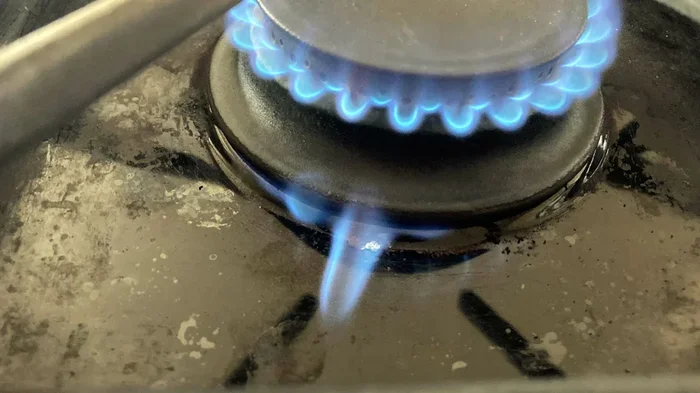
- Flames on your stove burn orange or yellow instead of blue.
- Houseplants near the oven start wilting for no clear reason.
- The pilot light (if your oven has one) keeps going out.
If you notice any of these signs, stop using the oven immediately. Open windows and doors to ventilate the room. Do not use any electrical switches or open flames near the oven. Leave the house if the smell is strong and call your gas company or emergency services right away.
How To Fix a Gas-Smelling Oven
Once you have ruled out an emergency, you can start troubleshooting. Some fixes are simple and safe to do yourself. Others need a professional’s touch. Let us walk through the steps in order of difficulty.
Step 1: Check the Igniter
The igniter is the most common cause of a gas smell that goes away once the burner lights. If the igniter is weak, it glows but does not get hot enough to light gas quickly. You may notice the oven takes a long time to heat up or the burner clicks repeatedly before catching.
To check the igniter, turn off the oven and unplug it. Remove the oven rack and look at the burner at the bottom. The igniter is usually a small glowing element near the burner. If it looks dull, cracked, or does not glow bright orange, it likely needs replacing. Replacing an igniter is a relatively simple repair that costs between $50 and $150 for parts and labor.
Step 2: Inspect the Gas Valve and Connections
Next, check the gas valve and the connections leading to the oven. Look for any visible cracks, corrosion, or loose fittings. Use a soapy water solution and brush it along the gas lines. If you see bubbles forming, you have a leak. Do not try to fix a leaking gas valve yourself. This is a job for a licensed technician.
For loose connections, you can tighten them with a wrench, but only if you are confident and the gas supply is turned off first. Never use excessive force. Over-tightening can crack fittings and make the problem worse.
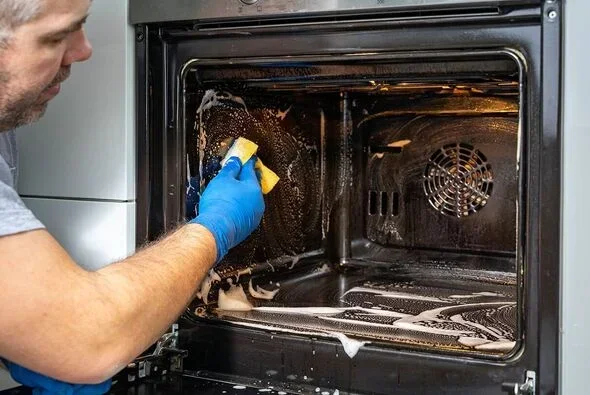
Step 3: Clean the Burner and Oven Interior
Sometimes the gas smell is caused by buildup. Grease, food debris, and grime can clog burner ports and block proper gas flow. This leads to incomplete combustion and that telltale sulfur smell.
To clean the burner, remove it from the oven and soak it in warm, soapy water. Use a toothbrush to gently clear out the burner holes. For the oven interior, wipe down the walls and floor with a mild cleaner. Avoid harsh chemicals that could leave residues and create new odors when the oven heats up.
Step 4: Test the Oven After Repairs
After you have made any repairs or cleaned the burner, run the oven on a low setting for a few minutes. Open a window for ventilation. Check for any lingering gas smell. If the odor persists, turn the oven off and repeat the troubleshooting steps or call a professional.
Quick Tips for Preventing Gas Smells
- Do a smell check before every use: Get in the habit of sniffing near the oven before you turn it on.
- Keep the oven clean: Regular cleaning prevents buildup that can disrupt gas flow.
- Replace old parts proactively: Igniters and valves wear out over time. If your oven is over 10 years old, consider a professional inspection.
- Never ignore a persistent odor: Even if the smell goes away, recurring gas odors mean something needs attention.
- Install a gas detector: A simple plug-in or battery-operated gas detector adds an extra layer of safety in your kitchen.
When Should You Call a Professional?
Some gas oven issues are not worth the risk of DIY fixes. You should call a professional technician if:
- You detect a strong gas smell that does not go away after turning off the oven.
- You find a leak using the soapy water test and cannot locate the exact source.
- The igniter replacement did not solve the problem.
- Your oven is old and has not been serviced in years.
- You are uncomfortable working with gas appliances at all.
A licensed oven repair technician has the tools and training to safely diagnose and fix gas leaks. They can also check your entire gas line for issues you might miss. The cost of a professional inspection is small compared to the risk of a gas leak in your home.
Cost of Professional Gas Oven Repair
Here is a rough breakdown of what you might pay for professional help:
- Basic inspection: $75 to $150
- Igniter replacement (parts and labor): $100 to $200
- Gas valve repair or replacement: $200 to $500
- Full gas line inspection: $150 to $300
- Emergency call-out fee: $100 to $250 extra
These costs vary by location and the severity of the issue. Always ask for a written estimate before any work begins.
Gas Oven Safety Tips Every Homeowner Should Know
Prevention is always better than repair when it comes to gas appliances. Here are some safety habits that will keep your oven running safely and help you avoid gas odors in the future.
1. Never Ignore the Rotten Egg Smell
The mercaptan additive is there for a reason. If you smell it, do not dismiss it as normal oven behavior. A gas oven should not smell like anything at all when it is operating correctly.
2. Keep Flammable Items Away
Make sure towels, paper, and cleaning supplies are not stored near the oven. Gas leaks can ignite flammable materials quickly.
3. Install Carbon Monoxide Detectors
Since you cannot smell carbon monoxide, a detector is essential. Place one near the oven and on every floor of your home. Test the batteries monthly.
4. Schedule Annual Maintenance
A yearly check-up by a professional can catch small issues before they become big problems. This is especially important for older ovens that have not been updated in years.
5. Know Your Shut-Off Valve
Every home with gas appliances has a main shut-off valve. Make sure everyone in the household knows where it is and how to use it in an emergency.
Gas Smell From Oven vs. Stove: What Is the Difference?
Sometimes people confuse a gas smell from the oven with a smell from the stove burners. They are related but different issues. A stove burner that smells like gas usually means the burner cap is misaligned or the port is clogged. An oven that smells like gas points to internal components like the igniter, valve, or control board.
Both issues share the same root cause: gas is not burning properly before it escapes. The fix depends on which appliance is affected, but the safety precautions are the same. Always ventilate, do not use electrical switches, and call for help if the smell is strong or persistent.
Can a New Oven Smell Like Gas?
If you just installed a new oven and it smells like gas, you are not alone. New ovens sometimes have a slight gas odor during the first few uses. This is usually from manufacturing residues burning off or small amounts of gas in the lines that have not been fully purged. However, if the smell is strong or lasts more than a few uses, contact the installer or manufacturer. A new oven should not produce a persistent gas odor.
Final Thoughts
A gas smell coming from your oven is something you should never ignore. Whether the cause is a simple igniter issue or a more serious gas leak, taking action quickly keeps your home and family safe. Start with the basic checks, know when to call a professional, and build good safety habits into your routine. Your nose is a powerful tool when it comes to gas safety. Trust it, investigate it, and fix the problem before it gets worse.
Most gas smell issues are fixable with a little know-how and the right approach. You do not need to be a technician to understand what is happening inside your oven. With the information in this guide, you now have the knowledge to troubleshoot the most common causes and take confident action. Stay safe, stay informed, and keep your kitchen smelling fresh.
Frequently Asked Questions
Why does my oven smell like gas even when it is off?
A gas smell when the oven is off usually points to a leaking gas valve or a loose connection. Gas can seep out slowly even when the appliance is not running. Turn off the gas supply, ventilate the area, and call a professional to inspect the valve and lines immediately.
Is it normal for a gas oven to smell like gas for a second when it starts?
A brief gas smell when you first turn on the oven is not always alarming. It can happen if the igniter takes a moment to light the gas. But if the smell persists for more than a few seconds or happens every time you use the oven, it is a sign of a problem that needs attention.
Can I use my oven if it smells like gas?
No. If you notice a strong or persistent gas smell, do not use the oven. Turn it off, open windows for ventilation, and avoid any sparks or electrical switches. If the smell does not go away, leave the house and contact your gas company or emergency services.
How do I know if the gas smell is coming from the oven or the gas line?
Try to narrow down the source. If the smell is strongest near the oven, the issue is likely internal. If the smell spreads throughout the kitchen or house, it may be a gas line problem. In either case, treat it seriously and call for help if you cannot identify the exact source quickly.
What should I do if I smell gas and feel dizzy or nauseous?These are signs of possible carbon monoxide exposure or gas poisoning. Leave the house immediately, get fresh air, and call emergency services. Do not re-enter the home until a professional has confirmed it is safe. This is a medical emergency and should be treated as one.
How much does it cost to fix a gas-smelling oven?
The cost depends on the cause. Replacing an igniter typically costs $100 to $200. A gas valve repair can range from $200 to $500. A basic inspection usually runs $75 to $150. Always get a written estimate before agreeing to any repair work.
=== CONCLUSION ===
A gas smell from your oven is never something to brush aside. It can be a minor fix like a worn igniter or a major warning sign of a gas leak. The key is to act quickly, stay calm, and follow the right safety steps. Start by checking the igniter and burner for simple issues. Inspect connections for leaks. And when in doubt, call a professional. Your safety and the safety of your household always come first. With the right knowledge and a proactive approach, you can keep your oven running clean, safe, and odor-free for years to come.