How To Cook Potatoes In Convection Oven For Crispy Results
How To Cook Potatoes In Convection Oven is an essential topic that provides valuable insights.
Key Takeaways
- Understanding How To Cook Potatoes In Convection Oven: Provides essential knowledge
📑 Table of Contents
Why A Convection Oven Is Perfect For Potatoes
A convection oven works differently from a standard oven. It uses a fan to blow hot air around the food. This creates a dry, even environment that roasts potatoes beautifully. The result is a crispy exterior with a soft, fluffy inside.
Even Heat Distribution
Traditional ovens often have hot spots. That means some potatoes burn while others stay pale. A convection oven eliminates this problem. The fan spreads the heat evenly across every tray. Every potato gets the same amount of direct heat. This is especially important when you are cooking large batches.
Faster Cooking Times
Because the hot air moves constantly, potatoes cook faster in a convection oven. You can save about 25% of the time compared to a regular oven. This is a huge benefit on busy weeknights. You get delicious roasted potatoes on the table in less time.
Superior Crisping
The circulating air pulls moisture away from the potato surface. This is exactly what creates that satisfying crunch. Regular ovens trap steam, which can make potatoes soggy. A convection oven keeps things dry and crispy. Your potato wedges will thank you.
Choosing The Right Potatoes
Not all potatoes are created equal when it comes to roasting. The variety you pick matters a lot for texture and flavor. Here is what you need to know before you start potato preparation.
Best Potato Varieties For Roasting
Russet potatoes are the most popular choice for convection oven roasting. They have a thick skin and starchy interior. When roasted, they become fluffy on the inside and crispy on the outside. Yukon Gold potatoes are another excellent option. They have a buttery flavor and hold their shape well. Red potatoes work great too, especially for smaller dishes like potato wedges or roasted halves.
What To Avoid
Avoid waxy potatoes like new potatoes for large roasting sessions. They hold too much moisture and do not crisp up as well. They can turn mushy instead of crunchy. Stick with starchy or all-purpose varieties for the best crispy potato skins.
Size Matters
Choose potatoes that are similar in size. This ensures they cook at the same rate. Medium-sized potatoes, about 6 to 8 ounces each, are ideal. If you mix small and large potatoes on the same tray, some will be overcooked while others are underdone. Uniformity is key for even cooking.
Preparation Steps For Crispy Potatoes
Proper preparation makes all the difference. Taking a few extra minutes before cooking pays off big time. Here is your step-by-step guide to getting started.
Step One: Wash And Dry
Rinse your potatoes under cold water. Use a vegetable brush to remove any dirt. Once clean, dry them thoroughly with a towel. This step is crucial. Moisture on the surface creates steam, which prevents crisping. The drier the potato, the crispier the result.
Step Two: Cut Evenly
If you are making wedges or cubes, cut them into uniform pieces. Aim for pieces about 1 to 1.5 inches thick. This way, everything cooks at the same pace. Uneven cuts lead to some pieces burning while others stay soft. Use a sharp knife and a cutting board for safety.
Step Three: Season Generously
Toss your cut potatoes with olive oil first. The oil helps the seasoning stick and promotes browning. Then add salt, pepper, garlic powder, and any herbs you enjoy. Paprika and rosemary are popular choices for season potatoes in a convection oven. Do not be shy with the seasoning. The potatoes need enough flavor to stand out.
Step Four: Arrange On The Tray
Spread the potatoes in a single layer on your baking sheet. Do not overcrowd the pan. Overlapping pieces trap steam and prevent crisping. Use two trays if you need more space. A wire rack placed over a baking sheet works wonders too. It allows air to circulate underneath the potatoes.
Quick Tips For Better Results
- Preheat your oven before adding the potatoes. This ensures they start cooking immediately.
- Use parchment paper or a silicone mat for easy cleanup.
- Do not skip the drying step. Dry potatoes crisp up much better.
- Flip the potatoes halfway through cooking for even browning.
Temperature And Time Guide
Getting the temperature and timing right is the most important part of convection oven cooking. Too low and your potatoes turn out soft. Too high and they burn on the outside while staying raw inside. Here is a detailed guide to help you nail it every time.
Recommended Temperature Settings
For most potato recipes, set your convection oven to 400°F (200°C). This is the sweet spot for crispy exteriors and fluffy interiors. If you prefer extra crispy potato wedges, bump it up to 425°F (220°C). For larger whole potatoes, 375°F (190°C) works better because they need more time to cook through.
Cooking Times By Potato Type
Cooking times vary depending on the size and type of potato. Here is a general breakdown to guide you:
- Potato wedges (1-inch thick): 25 to 35 minutes at 400°F. Flip halfway through.
- Whole small potatoes: 35 to 45 minutes at 375°F. Pierce the skin first.
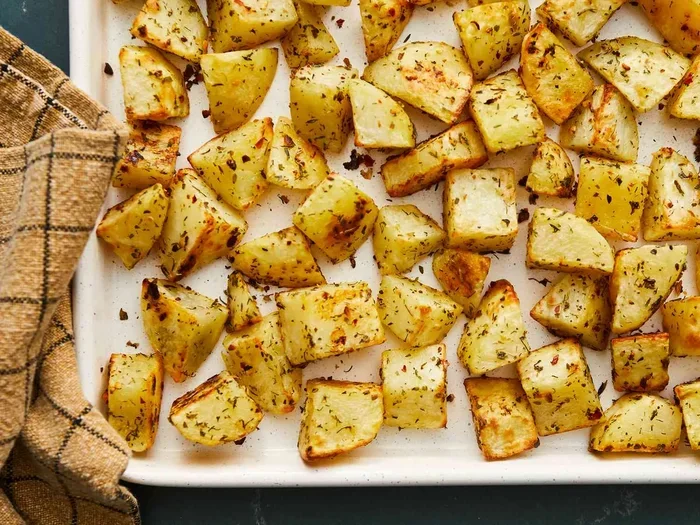
- Cubed potatoes: 20 to 30 minutes at 400°F. Shake the tray occasionally.
- Baked large russets: 45 to 60 minutes at 400°F. Check with a fork.
How To Know When They Are Done
The easiest way to check is by piercing a potato with a fork. If it slides in smoothly, the potato is done. You should also look for a deep golden brown color on the outside. The potatoes should smell nutty and appetizing. If they look pale, give them a few more minutes. Trust your senses when judging golden brown potatoes.
Popular Potato Recipes For Convection Ovens
A convection oven opens up a world of delicious possibilities. Here are some tried-and-true recipes that work beautifully in this appliance.
Classic Crispy Potato Wedges
This is the go-to recipe for many home cooks. Cut russet potatoes into wedge shapes. Toss them with olive oil, salt, pepper, garlic powder, and smoked paprika. Spread them on a lined baking sheet in a single layer. Cook at 425°F for 30 to 35 minutes. Flip once halfway through. The result is crispy potato wedges with a beautiful golden color. Serve with ketchup, aioli, or your favorite dipping sauce.
Oven Roasted Garlic Potatoes
For a more flavorful option, try roasted garlic potatoes. Halve baby potatoes and toss them with olive oil, minced garlic, rosemary, and sea salt. Roast at 400°F for 30 minutes. The garlic becomes sweet and caramelized. These make an excellent side dish for roasted meats or grilled vegetables. The convection setting ensures every piece gets crispy edges.
Loaded Baked Potatoes
Whole baked potatoes in a convection oven are incredibly easy. Pierce each potato several times with a fork. Rub with olive oil and sprinkle generously with salt. Place directly on the oven rack at 400°F for 45 to 60 minutes. Once done, slice open and top with butter, sour cream, cheese, and chives. The skin becomes incredibly crispy while the inside stays fluffy. This is a complete meal in itself.
Crispy Potato Skins
Do not throw away those potato skins! Scoop out the insides of halved potatoes, leaving a thin shell. Brush the shells with olive oil and season with salt and pepper. Roast at 425°F for 15 to 20 minutes until crispy. Fill them with cheese, bacon bits, and green onions for a crowd-pleasing appetizer. Your crispy potato skins will disappear fast.
Common Mistakes To Avoid
Even experienced cooks make mistakes when roasting potatoes. Knowing what to avoid saves time and prevents disappointment.
Overcrowding The Pan
This is the number one mistake people make. When potatoes sit too close together, steam gets trapped. Steam prevents crisping and leads to soggy results. Give each piece enough space. If your tray is full, use two trays or cook in batches. Even cooking requires proper air circulation around every piece.
Skipping The Preheat
Some people throw potatoes into a cold oven to save time. This does not work well. Preheating ensures the oven reaches the right temperature before the food goes in. A hot oven immediately starts crisping the surface. Always give your convection oven at least 10 to 15 minutes to preheat.
Using Too Much Oil
Oil helps with browning, but too much makes potatoes greasy. Use just enough to lightly coat each piece. About one tablespoon of olive oil per pound of potatoes is usually sufficient. Toss them in a bowl first to distribute the oil evenly. Excess oil pools at the bottom and creates uneven cooking.
Not Flipping The Potatoes
Convection ovens do a great job, but they still benefit from a flip. One side will brown faster than the other if you do not turn them. Halfway through the cooking time, open the oven and flip each piece. This simple step ensures all sides become crispy and golden. It takes just a few seconds but makes a big difference.
Foil Vs No Foil: What Works Best
The debate about using foil when roasting potatoes is ongoing. Both methods have their place, and the right choice depends on what you are aiming for.
Using foil traps moisture around the potatoes. This is great for baked potatoes where you want a soft interior. The foil also makes cleanup easier. However, foil prevents the skin from crisping up. If you love crispy potato skins, skip the foil entirely.
For crispy potato wedges and roasted cubes, always skip the foil. Place potatoes directly on a parchment-lined baking sheet or a wire rack. The bare metal or rack allows maximum air flow. This is the secret to achieving that perfect crunch. If you want the best of both worlds, you can start potatoes on foil and remove it for the last 10 minutes of cooking.
| Method | Best For | Crispiness Level | Cleanup Ease |
|---|---|---|---|
| With Foil | Baked whole potatoes | Low to Medium | Easy |
| Without Foil | Wedges, cubes, roasted potatoes | High | Moderate |
| Wire Rack | All potato types | Very High | Moderate |
Expert Tips For Perfect Potatoes Every Time
Professional chefs share a few tricks that take roasted potatoes from good to outstanding. Here are some expert insights you can use right away.
- Soak your potatoes in cold water for 30 minutes before cooking. This removes excess starch and helps them crisp up better. Pat them completely dry afterward.
- Parboil before roasting. Boil your potato pieces for 5 minutes, then drain and dry them. This pre-cooks the inside so the outside gets extra crispy in the oven.
- Add salt after cooking. Some chefs recommend salting potatoes just before they go in the oven, while others prefer salting after. Try both methods and see which you prefer.
- Use a spray bottle with olive oil to get a light, even coating on your potatoes. This prevents over-oiling and promotes uniform browning.
- Do not open the oven door too often. Every time you open it, the temperature drops. This extends cooking time and affects crisping. Trust the process and check only when needed.
Key Takeaways
- A convection oven is ideal for potatoes: The fan circulates hot air for even cooking, faster times, and superior crispiness.
- Choose the right potato variety: Russet, Yukon Gold, and red potatoes all roast beautifully in a convection oven.
- Dry your potatoes thoroughly: Removing surface moisture is essential for achieving crispy results.
- Stick to 400°F to 425°F: This temperature range works perfectly for most potato recipes in a convection oven.
- Do not overcrowd the pan: Give each piece space for proper air circulation and even browning.
- Flip halfway through cooking: This simple step ensures all sides turn golden and crispy.
- Skip the foil for crispiness: Use parchment paper or a wire rack for the best crunchy results.
Frequently Asked Questions
Can I cook potatoes in a convection oven without oil?
Yes, you can cook potatoes without oil, but the results will be different. Oil helps create a crispy exterior and carries flavor from seasonings. Without oil, your potatoes may turn out drier and less golden. If you prefer oil-free cooking, use a small amount of broth or water to prevent drying. The potatoes will still cook through, but they will not achieve the same level of crunch.
How long does it take to bake a whole potato in a convection oven?
A whole medium-sized russet potato takes about 45 to 60 minutes in a convection oven set to 400°F. Smaller potatoes may be done in 35 to 40 minutes. Larger potatoes can take up to 70 minutes. Always check doneness by piercing the potato with a fork. If it slides in easily, your potato is ready to enjoy.
What is the best temperature for crispy potato wedges in a convection oven?
425°F (220°C) is the ideal temperature for crispy potato wedges in a convection oven. The high heat quickly evaporates surface moisture, which creates that satisfying crunch. Cook them for 30 to 35 minutes and flip once halfway through. Make sure the wedges are not overcrowded on the tray for the best results.
Should I use convection or regular bake mode for potatoes?
Use the convection setting for the crispiest results. The fan circulates hot air around the potatoes, removing moisture from the surface and promoting even browning. If your convection oven has a “roast” or “air fry” mode, that works great too. Regular bake mode works but will take longer and may not produce the same level of crispiness.
Can I cook frozen potatoes in a convection oven?
Yes, you can cook frozen potatoes in a convection oven. Spread them in a single layer on a baking sheet and cook at 400°F for 25 to 35 minutes. Frozen potatoes may need a few extra minutes compared to fresh ones. Shake the tray or flip the pieces halfway through for even cooking. Check the package instructions for specific guidance on timing.
Why are my convection oven potatoes soggy instead of crispy?
Soggy potatoes usually result from overcrowding the pan, not drying the potatoes beforehand, or skipping the preheat step. Moisture is the enemy of crispiness. Make sure each potato piece is dry and has enough space on the tray. Also, avoid covering the potatoes with foil during roasting. If you follow the preparation steps in this guide, your potatoes will turn out perfectly crispy every time.
=== CONCLUSION ===
Cooking potatoes in a convection oven is simple, fast, and incredibly rewarding. With the right potato variety, proper preparation, and the correct temperature, you can achieve restaurant-quality results in your own kitchen. Whether you are making crispy wedges, loaded baked potatoes, or golden roasted cubes, a convection oven delivers consistent, beautiful results every single time.
Remember to dry your potatoes, avoid overcrowding the pan, and flip them halfway through. These small steps make a huge difference in texture and flavor. Experiment with different seasonings and recipes to find your personal favorites. Once you master the basics, you can get creative and try new flavor combinations.
The beauty of convection oven cooking is that it takes the guesswork out of roasting. You get even heat, faster cooking, and that irresistible crispiness without any extra effort. So preheat your oven, grab some potatoes, and get ready to enjoy one of the most satisfying side dishes you have ever made. Your kitchen is about to smell amazing.