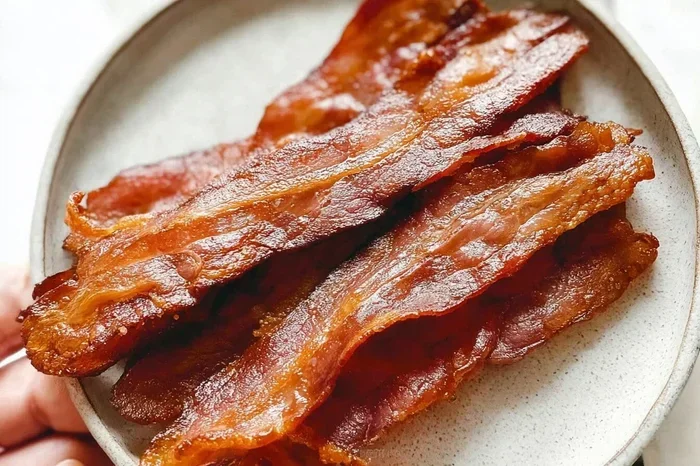
What Temp To Cook Bacon In Oven At 375 For Perfect Crispy
Cooking bacon at 375°F is the sweet spot for achieving crispy, evenly cooked strips without any mess or guesswork. This guide reveals the exact temp to cook bacon in oven at 375, including timing, prep tips, and common mistakes to avoid. Whether you prefer thin and shatteringly crisp or slightly chewy, you will find everything you need right here.
Key Takeaways
- 375°F is the ideal temperature: It cooks bacon evenly and delivers consistent crispiness without burning.
- Line your baking sheet: Using parchment paper or foil makes cleanup effortless and prevents sticking.
- Timing matters: Most bacon needs 15 to 20 minutes at 375°F depending on thickness and desired crispness.
- Rotate halfway through: This ensures even browning on all strips, especially in older ovens with hot spots.
- Drain on paper towels: This removes excess grease and keeps your bacon crispy after cooking.
- Avoid overcrowding the pan: Spacing strips properly allows hot air to circulate for uniform results.
- Save the bacon grease: It is a flavorful cooking fat you can reuse in many recipes.
📑 Table of Contents
- What Temp To Cook Bacon In Oven At 375 For Perfect Crispy Results
- Why 375°F Is the Best Temperature for Oven Bacon
- How to Prep Your Bacon for the Oven
- Exact Timing Guide for Bacon at 375°F
- Common Mistakes to Avoid When Baking Bacon
- How to Save and Reheat Bacon Grease
- Variations and Flavor Ideas for Oven-Baked Bacon
- Expert Tips for the Crispiest Bacon Every Time
- Frequently Asked Questions
- Conclusion
What Temp To Cook Bacon In Oven At 375 For Perfect Crispy Results
There is something deeply satisfying about a pan of crispy bacon coming out of the oven. The smell fills the kitchen, the edges turn golden brown, and every strip cooks evenly without any flipping required. If you have been wondering about the temp to cook bacon in oven at 375, you are in the right place.
Baking bacon in the oven is one of the easiest and most reliable methods available. It takes almost no hands-on effort, produces consistent results every single time, and frees up your stovetop for other breakfast favorites. Whether you are cooking for a crowd or just yourself, knowing the right oven-baked bacon recipe changes everything.
The magic of 375 degrees lies in the balance. It is hot enough to render the fat and create that satisfying crunch, but not so hot that the bacon burns before the fat has a chance to melt away. This temperature works beautifully for thick-cut, thin-cut, and everything in between. Let us dive into exactly how to get the best results every time.
Why 375°F Is the Best Temperature for Oven Bacon
Not all oven temperatures are created equal when it comes to baking bacon. Some people swear by lower temperatures for a slower cook, while others crank the heat for speed. But 375°F has earned its reputation as the gold standard, and for good reason.
The Science Behind Even Cooking
At 375 degrees, the heat surrounds every strip of bacon evenly. The hot air circulates around the meat and fat, rendering the grease slowly and consistently. This means you get crispy bacon from edge to edge without any scorched or undercooked spots.
Higher temperatures, like 425°F or above, can cause the edges to burn before the fat fully renders. Lower temperatures, like 325°F, take much longer and can result in floppy, unevenly cooked strips. 375°F hits the sweet spot where the fat renders at a steady pace and the meat crisps up beautifully.
Thick-Cut vs. Thin-Cut Bacon at 375°F
One of the great things about 375°F is that it works well for different types of bacon. Here is how it handles the two most common varieties:
- Thin-cut bacon: Cooks in about 12 to 15 minutes at 375 degrees. It becomes crispy quickly, so keep a close eye on it during the last few minutes.
- Thick-cut bacon: Needs 18 to 22 minutes at 375°F. The extra thickness requires a bit more time, but the result is a perfect balance of crispy edges and a slightly chewy center.
No matter which type you choose, 375°F delivers reliable, delicious oven-baked bacon every time.
How to Prep Your Bacon for the Oven
Getting the prep right before you slide the bacon into the oven makes a huge difference in the final result. The good news is that the prep is incredibly simple and takes just a couple of minutes.
Step-by-Step Preparation
- Line a baking sheet with parchment paper or aluminum foil. This prevents sticking and makes cleanup a breeze.
- Lay out the bacon strips in a single layer. Do not overlap them. Overcrowding traps steam and leads to soggy bacon instead of crispy bacon.
- Place the baking sheet on the middle oven rack. This position allows hot air to flow evenly around the strips.
- Slide the tray into the preheated oven set to 375°F.
Do You Need to Flip the Bacon?
Here is one of the best parts about baking bacon in the oven at 375°F: you do not need to flip it. The hot air circulates all around the strips, cooking both sides evenly without any intervention. However, if you are cooking a large batch and notice uneven browning, you can rotate the pan halfway through the cook time.
The Parchment Paper Trick
Using parchment paper is a small change that makes a big difference. It prevents the bacon from sticking to the pan, absorbs some of the excess grease, and makes cleanup incredibly easy. Some cooks also line the bacon with a second sheet of parchment on top to reduce splatter. Both methods work well and keep your kitchen mess-free.
Exact Timing Guide for Bacon at 375°F
Timing is the second half of the temp to cook bacon in oven at 375 equation. Knowing exactly how long to leave the bacon in the oven takes the guesswork out of the process entirely.
Timing by Bacon Type
Different cuts and brands of bacon behave slightly differently, so here is a detailed timing guide to help you nail it every time:
- Thin-cut bacon: 12 to 15 minutes at 375°F
- Standard-cut bacon: 15 to 18 minutes at 375 degrees
- Thick-cut bacon: 18 to 22 minutes at 375°F
- Turkey bacon: 12 to 16 minutes at 375°F
How to Tell When Bacon Is Done
The best way to check if your crispy bacon is ready is to look at the color and texture. The bacon should be a deep golden brown, and the fat should look rendered and slightly bubbly. When you tap a strip with a spatula, it should feel firm and slightly brittle. If it still feels floppy or rubbery, give it another minute or two.
Keep in mind that bacon continues to crisp up as it cools. So if you like your bacon on the chewier side, pull it out just before it looks fully done. It will firm up nicely on the plate.
Quick Tips for Perfect Timing
- Start checking the bacon at the lower end of the time range. Ovens vary, and you do not want to overcook it.
- Set a timer for the halfway point and rotate the pan if your oven has hot spots.
- If you are cooking multiple batches, keep the finished bacon warm on a plate covered with a paper towel.
Common Mistakes to Avoid When Baking Bacon
Even though oven-baked bacon is simple, a few common mistakes can ruin the results. Avoiding these pitfalls will help you get perfectly crispy bacon every single time.
Overcrowding the Pan
The biggest mistake people make is cramming too many strips onto one baking sheet. When the strips touch or overlap, they steam instead of crisp. The bacon grease pools between the strips, and you end up with unevenly cooked, soggy bacon instead of the crispy bacon you are aiming for.
The fix is simple: use two baking sheets if you need to cook a large batch. Space the strips about half an inch apart to allow proper air circulation.
Skipping the Preheat
Some people toss the bacon into a cold oven and hope for the best. This is a recipe for uneven cooking. Always preheat your oven to 375°F before adding the bacon. A properly preheated oven ensures that the bacon starts cooking the moment it goes in, leading to even bacon texture throughout.
Not Draining the Bacon Properly
Once the bacon comes out of the oven, it still has a lot of hot grease on it. Laying the strips directly on a plate will make them soggy and greasy. Instead, transfer the bacon to a plate lined with paper towels. The towels absorb the excess grease and help maintain that satisfying crunch.
Ignoring Your Oven’s Hot Spots
Every oven has its quirks. Many ovens have hot spots that cook certain areas faster than others. To combat this, rotate the baking sheet halfway through the cooking time. This simple step ensures all the bacon strips brown evenly and reach the same level of crispness.
How to Save and Reheat Bacon Grease
One of the hidden benefits of baking bacon in the oven at 375°F is the generous amount of bacon grease you end up with. This liquid gold is incredibly versatile and worth saving.
How to Store Bacon Grease
Let the grease cool slightly, then pour it through a fine mesh strainer into a heat-safe jar or container. Store it in the refrigerator for up to three months. You can use it to fry eggs, cook potatoes, sauté vegetables, or even make cornbread. The smoky, savory flavor adds depth to so many dishes.
Disposing of Bacon Grease Safely
If you do not want to save the grease, never pour it down the drain. It can solidify in your pipes and cause serious clogs. Instead, let it cool completely, then scrape it into a sealed container and throw it in the trash. Wipe the baking sheet with a paper towel before washing to remove the bulk of the grease.
Variations and Flavor Ideas for Oven-Baked Bacon
Once you master the basic temp to cook bacon in oven at 375, you can start experimenting with flavors. Oven-baked bacon is incredibly versatile and takes seasonings beautifully.
Sweet and Savory Bacon
Sprinkle a light dusting of brown sugar or maple syrup on the bacon before baking. The sugar caramelizes in the oven and creates a sweet, sticky glaze on top of the crispy bacon. This variation is a hit at brunch parties and pairs wonderfully with pancakes and waffles.
Spicy Bacon
Add a pinch of cayenne pepper, smoked paprika, or chili powder before baking for a spicy kick. The 375°F heat brings out the smoky, bold flavors of the spices and creates a bacon that is anything but boring.
Herb-Infused Bacon
Sprinkle fresh rosemary, thyme, or garlic powder on the strips before they go in the oven. The herbs infuse into the bacon as it cooks, adding a sophisticated depth of flavor. This works beautifully with thick-cut bacon at 375 degrees.
Expert Tips for the Crispiest Bacon Every Time
Want to take your crispy bacon to the next level? These expert tips will help you get restaurant-quality results at home.
- Pat the bacon dry with paper towels before laying it on the pan. Excess moisture can lead to steaming instead of crisping.
- Use a wire rack set over a baking sheet for even airflow on all sides of the bacon.
- Let the bacon rest on paper towels for a couple of minutes after removing it from the oven. This allows excess grease to drain and the texture to firm up.
- Buy quality bacon from a local butcher or trusted brand. Higher-quality bacon has better fat-to-meat ratios and crisps up more evenly.
- Experiment with temperatures slightly above or below 375°F to find your personal preference. Some people prefer 350°F for a chewier result, while others like 400°F for ultra-crispy strips.
Frequently Asked Questions
Can I cook bacon at 375°F if I am using a convection oven?
Yes, absolutely. In a convection oven, reduce the temperature by about 25°F and cook for slightly less time. So you would set your convection oven to 350°F and check the bacon around 12 to 15 minutes. The fan circulates the hot air more efficiently, which speeds up the cooking process and promotes even browning.
How long does it take to cook bacon at 375°F?
Most bacon takes 15 to 20 minutes at 375°F. Thin-cut bacon is ready closer to 12 to 15 minutes, while thick-cut bacon may need 18 to 22 minutes. Always start checking a few minutes early to prevent overcooking, and remember that bacon continues to crisp as it cools.
Is it better to bake bacon at 375°F or 400°F?
375°F is generally the safer and more forgiving temperature. It renders the fat evenly without the risk of burning the edges. 400°F can work well for very thin-cut bacon if you watch it closely, but 375°F gives you more control and more consistent results, especially for beginners.
Do I need to flip bacon when baking it at 375°F?
No, you do not need to flip bacon when baking it at 375°F. The hot air circulates evenly around the strips on the baking sheet, cooking both sides uniformly. The only exception is if you are using a wire rack, in which case you can flip halfway through for extra even browning.
What is the best way to store cooked bacon?
Let the bacon cool completely, then store it in an airtight container in the refrigerator for up to five days. You can also freeze cooked bacon for up to three months. Reheat it in a 350°F oven for a few minutes to restore the crispy texture. Storing it properly keeps the bacon safe and delicious for later enjoyment.
Can I line the baking sheet with aluminum foil instead of parchment paper?
Yes, aluminum foil works well as a liner for oven-baked bacon. It makes cleanup very easy and reflects heat for slightly crispier results. However, parchment paper has a slight advantage because it absorbs some of the grease and prevents the bacon from sticking. Both options work great at 375 degrees.
Conclusion
Knowing the temp to cook bacon in oven at 375 is one of the simplest kitchen skills that pays off every single time. At 375°F, you get evenly rendered fat, beautifully crispy edges, and perfectly cooked strips without any flipping or fuss. Whether you prefer thin and shatteringly crisp or thick and slightly chewy, this temperature delivers.
Follow the prep steps, respect the timing guide, and avoid the common mistakes outlined above. With a little practice, oven-baked bacon will become your go-to method for breakfast, brunch, or even snacking. The best part is that it is virtually hands-off, easy to clean up, and produces restaurant-quality crispy bacon right in your own kitchen.
So next time you are craving bacon, skip the stovetop and let the oven do the work. Set it to 375°F, lay out your strips, and enjoy the effortless satisfaction of perfectly baked bacon. Your taste buds will thank you.