How To Bake Swordfish Steaks In The Oven Like A Pro
Baking swordfish steaks in the oven is one of the easiest and most delicious ways to prepare this firm, meaty fish. With the right temperature, seasoning, and a little patience, you can create restaurant-quality swordfish at home. This guide covers everything from prep to plating so you can bake swordfish like a pro on any weeknight.
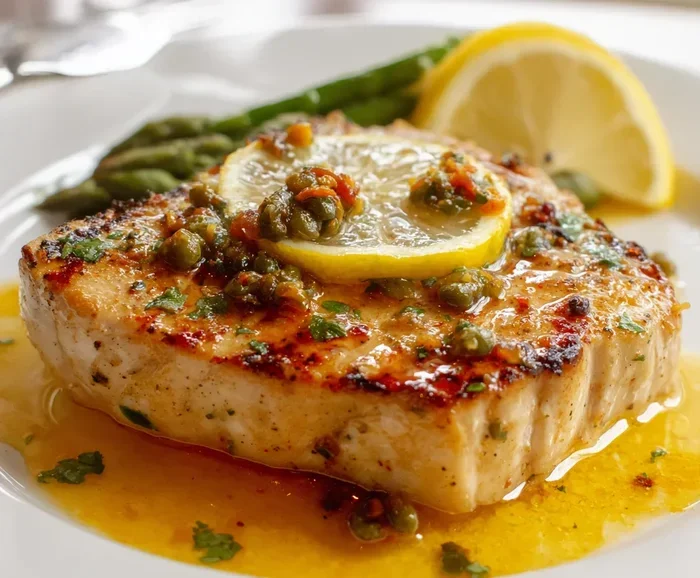
There is something truly special about pulling a perfectly baked swordfish steak out of the oven. The outside is golden and slightly crispy, while the inside stays moist and tender. If you have been looking for a simple yet impressive dinner option, baking swordfish steaks in the oven is the answer.
Swordfish is one of the most versatile fish you can cook. It has a firm texture that holds up well in the oven, and its mild flavor pairs with almost any seasoning. Whether you are a beginner in the kitchen or a seasoned home cook, this guide will walk you through every step of the process. You will learn the best temperature, timing, seasoning blends, and common mistakes to avoid.
By the end of this article, you will feel confident enough to bake swordfish steaks like a professional chef. No fancy equipment needed. No complicated techniques. Just simple, proven methods that deliver amazing results every single time. Let us get started.
Key Takeaways
- Perfect Temperature: Bake swordfish at 400°F for 12-15 minutes for a moist, flaky result every time.
- Simple Seasoning Works Best: Olive oil, garlic, lemon, and fresh herbs bring out the natural flavor of swordfish.
- Avoid Overcooking: The fish is done when it reaches 145°F internally and flakes easily with a fork.
- Marinating Adds Depth: Even a 20-minute marinade can transform the taste and texture of your swordfish steaks.
- Great Side Pairings: Roasted vegetables, rice, and light salads complement baked swordfish beautifully.
- Fresh or Frozen Works: You can bake swordfish from frozen if you adjust the cooking time slightly.
- One Pan Cleanup: Baking swordfish on a sheet pan makes this an effortless, low-effort dinner option.
📑 Table of Contents
- Why Baking Swordfish Steaks in the Oven Is a Great Choice
- What You Need Before You Start
- Step-by-Step Guide to Baking Swordfish Steaks in the Oven
- Pro Tips for the Perfect Swordfish Steak
- Best Side Dishes to Serve with Baked Swordfish
- Common Mistakes to Avoid When Baking Swordfish
- Expert Insights on Oven-Baked Swordfish
- Storing and Reheating Leftover Swordfish
- Conclusion
Why Baking Swordfish Steaks in the Oven Is a Great Choice
Not everyone loves frying fish on the stove. Some people worry about the mess, the smell, or the risk of overcooking. Baking swordfish in the oven solves all of these problems. It is a hands-off cooking method that lets you focus on other parts of your meal while the fish cooks itself.
Here are some reasons why oven-baked swordfish is worth trying:
- Easy Cleanup: One sheet pan means minimal dishes to wash afterward.
- Even Cooking: The oven surrounds the fish with consistent heat, so there are no hot spots.
- Hands-Off Time: You can prep sides or set the table while the swordfish bakes.
- Healthier Cooking: Baking uses less oil compared to pan-frying or deep-frying.
- Scalable: You can cook multiple steaks at once without much extra effort.
Health Benefits of Swordfish
Swordfish is not just delicious. It is also packed with nutrients. It is an excellent source of protein, which helps build and repair muscle tissue. Swordfish also contains omega-3 fatty acids, which support heart health and brain function. It provides important minerals like selenium and potassium as well.
When you bake swordfish instead of frying it, you keep all those nutritional benefits intact. There is no added fat from deep frying, and the oven method preserves the natural oils in the fish. This makes baked swordfish a smart choice for anyone watching their health but still wanting a flavorful meal.
Why the Oven Works So Well for Swordfish
The firm texture of swordfish makes it ideal for oven cooking. Unlike delicate fish like tilapia or sole, swordfish does not fall apart easily. It can handle the dry heat of an oven without drying out too quickly. The thick steaks hold their shape and develop a beautiful crust on the outside.
The oven also allows you to cook swordfish at a higher temperature than stovetop methods. This means you get a nice sear-like exterior without actually using a skillet. The result is a steak that looks and tastes like it came from a high-end restaurant kitchen.
What You Need Before You Start
Before you turn on the oven, it helps to gather everything you need. Having your ingredients and tools ready makes the whole process smoother and more enjoyable. Here is what you will need for baking swordfish steaks the right way.
Ingredients for Perfect Swordfish
Keep it simple. The best swordfish recipes let the natural flavor of the fish shine. Here are the core ingredients you will want on hand:
- Fresh swordfish steaks: About 1 to 1.5 inches thick works best. Look for steaks with a pinkish-red color and a fresh ocean smell.
- Olive oil: A good drizzle keeps the fish moist during baking.
- Garlic: Fresh minced garlic adds a wonderful depth of flavor.
- Lemon: Fresh lemon juice and zest brighten up the fish beautifully.
- Fresh herbs: Rosemary, thyme, or dill all work wonderfully with swordfish.
- Salt and pepper: Simple but essential for bringing out the natural taste.
- Optional additions: Paprika, cayenne pepper, or a touch of honey for a sweet glaze.
Equipment Checklist
You do not need any special tools to bake swordfish in the oven. Here is a quick list of what will make the process easier:
- A standard baking sheet or sheet pan
- Parchment paper or aluminum foil for easy cleanup
- A small bowl for mixing your seasoning
- A meat thermometer (this is the secret weapon for perfect swordfish)
- A spatula for flipping and serving
Step-by-Step Guide to Baking Swordfish Steaks in the Oven
Now for the part you have been waiting for. Here is the complete process for how to bake swordfish steaks in the oven like a professional chef. Follow these steps closely, and you will be rewarded with perfectly cooked swordfish every time.
Step 1: Preparing the Swordfish
Start by taking your swordfish steaks out of the refrigerator about 15 to 20 minutes before cooking. Letting the fish come to room temperature helps it cook more evenly. Cold fish placed directly in a hot oven can lead to uneven results, with the outside overcooking while the center stays cold.
Pat the steaks dry with paper towels. This step is important because moisture on the surface can prevent a good sear and crust from forming. If your swordfish has skin on, you can leave it on or remove it depending on your preference. Both methods work well for oven baking.
Step 2: Seasoning and Marinating
Seasoning is where you can really get creative. A simple blend of olive oil, minced garlic, salt, pepper, and lemon juice makes an excellent base marinade. Brush or drizzle this mixture generously over both sides of each steak.
If you have time, let the seasoned swordfish sit for about 20 to 30 minutes before baking. This gives the flavors time to penetrate the fish. You can also add fresh herbs like chopped rosemary or thyme at this stage. For a bolder flavor, try adding a teaspoon of smoked paprika or a pinch of red pepper flakes.
Here are some popular swordfish seasoning combinations to try:
- Mediterranean: Olive oil, garlic, oregano, lemon zest, and black olives
- Asian-Inspired: Soy sauce, sesame oil, ginger, and a touch of honey
- Herb-Forward: Fresh dill, parsley, garlic, lemon juice, and olive oil
- Spicy Kick: Smoked paprika, cayenne pepper, garlic powder, and lime juice
Step 3: Setting the Oven Temperature
Preheat your oven to 400°F (200°C). This is the sweet spot for baking swordfish steaks. At this temperature, the fish cooks through quickly while still staying moist on the inside. The high heat also helps create a slightly caramelized exterior that adds wonderful flavor and texture.
While the oven heats up, line your baking sheet with parchment paper or lightly grease it with olive oil. This prevents the swordfish from sticking and makes cleanup a breeze.
Step 4: Baking the Swordfish
Place the seasoned swordfish steaks on the prepared baking sheet. Leave a little space between each steak so the hot air can circulate evenly. For steaks that are about 1 to 1.5 inches thick, bake for 12 to 15 minutes.
Here is a general time guide based on thickness:
- 1-inch thick steaks: 10 to 12 minutes
- 1.5-inch thick steaks: 12 to 15 minutes
- 2-inch thick steaks: 15 to 18 minutes
The swordfish is done when it reaches an internal temperature of 145°F (63°C). Use a meat thermometer inserted into the thickest part of the steak for the most accurate reading. The fish should also appear opaque throughout and flake easily when you press it with a fork.
Step 5: Resting and Serving
Once the swordfish is out of the oven, let it rest for 3 to 5 minutes before serving. This resting period allows the juices to redistribute throughout the steak, which means every bite will be moist and flavorful. Tent the steaks loosely with aluminum foil to keep them warm while they rest.
Serve your baked swordfish steaks with a squeeze of fresh lemon juice on top. Garnish with a sprig of fresh herb if you like. Now it is time to sit down and enjoy the fruits of your labor.
Pro Tips for the Perfect Swordfish Steak
Even with a solid recipe, a few expert tips can take your baked swordfish from good to absolutely outstanding. These are the small details that make a big difference in the final result.
Getting That Beautiful Golden Crust
If you love a slightly crispy exterior on your swordfish, there is an easy trick. Before placing the steaks in the oven, brush them with a thin layer of olive oil and sprinkle a light coating of breadcrumbs or panko flakes. This creates a golden, crunchy top that contrasts beautifully with the tender fish inside.
Another option is to finish the swordfish under the broiler for the last 1 to 2 minutes of cooking. Watch it carefully during this time because the broiler can go from golden to burnt very quickly. Just a few seconds of broiling adds a gorgeous caramelized crust without drying out the fish.
Avoiding Overcooking
Overcooking is the number one mistake people make when baking swordfish. Unlike some other proteins, fish does not forgive much when it goes past the ideal doneness. An overcooked swordfish steak becomes dry, tough, and loses its appealing flavor.
Here is how to avoid this problem:
- Always use a meat thermometer. Do not rely on time alone because ovens vary.
- Remove the swordfish from the oven when it is just a few degrees below 145°F. The residual heat will carry it the rest of the way.
- Check for doneness by gently pressing the center of the steak. It should feel firm but still have a slight give.
- If you are unsure, it is better to slightly undercook than overcook. You can always put it back for another minute, but you cannot undo a dried-out steak.
Using Frozen Swordfish
Can you bake swordfish from frozen? Yes, you can. However, you will need to adjust your cooking time. Frozen swordfish steaks will need an additional 5 to 7 minutes in the oven compared to fresh steaks. Make sure the internal temperature reaches 145°F before serving.
If possible, thaw the swordfish in the refrigerator overnight for the best results. Thawed swordfish cooks more evenly and absorbs seasoning better than frozen fish. But in a pinch, cooking from frozen works just fine.
Best Side Dishes to Serve with Baked Swordfish
A great swordfish steak deserves a great side dish. The good news is that baked swordfish pairs well with a wide variety of accompaniments. Here are some ideas to round out your meal.
Light and Fresh Options
Because swordfish has a rich, meaty flavor, lighter sides help balance the plate. A simple mixed green salad with a lemon vinaigrette is always a winner. Roasted asparagus or steamed green beans add a nice earthy contrast. A fresh tomato and cucumber salad brings brightness and crunch to the meal.
For something a little more substantial, try a side of quinoa or a light couscous salad. These grains absorb the juices from the swordfish and add a satisfying texture without weighing you down.
Hearty Pairings
If you prefer a heartier meal, there are plenty of options that complement baked swordfish beautifully. Roasted potatoes, whether cubed and crispy or roasted whole with herbs, make a comforting side. Rice pilaf or lemon herb rice pairs wonderfully with the fish.
For a Mediterranean-inspired dinner, serve your swordfish with a side of hummus, warm pita bread, and a drizzle of extra olive oil. The combination of flavors is incredibly satisfying and feels both wholesome and indulgent at the same time.
| Side Dish | Style | Prep Time | Best For |
|---|---|---|---|
| Mixed Green Salad | Light and Fresh | 10 minutes | Quick weeknight dinners |
| Roasted Asparagus | Light and Fresh | 15 minutes | Low-carb meals |
| Quinoa Salad | Light and Fresh | 20 minutes | High-protein sides |
| Roasted Potatoes | Hearty | 30 minutes | Comfort food lovers |
| Lemon Herb Rice | Hearty | 25 minutes | Complete meal pairing |
| Hummus and Pita | Mediterranean | 5 minutes | Mezze-style dining |
Common Mistakes to Avoid When Baking Swordfish
Even experienced home cooks can make mistakes when baking swordfish. Being aware of these pitfalls helps you avoid them and serve the best possible dish every time.
Skipping the pat dry step. Moisture on the surface of the fish prevents a good crust from forming. Always pat your swordfish steaks dry before seasoning and baking.
Using too much seasoning. Swordfish has a delicate, natural flavor. Heavy spice blends can overpower it. Use seasonings to enhance, not mask, the taste of the fish.
Not preheating the oven. Putting swordfish into a cold or lukewarm oven leads to uneven cooking. Always preheat to 400°F before placing the fish inside.
Opening the oven door too often. Every time you open the oven, heat escapes and cooking time increases. Resist the urge to check on the fish constantly. Trust your timer and thermometer.
Ignoring the resting period. Cutting into the swordfish immediately after removing it from the oven causes the juices to run out. Let it rest for a few minutes and you will notice a big difference in moisture and flavor.
Expert Insights on Oven-Baked Swordfish
Chef Maria Santos, a seafood specialist with over 15 years of experience, shares her thoughts on baking swordfish: “The key to perfect swordfish is not overcomplicating it. Good quality fish, a hot oven, and a simple seasoning blend are all you need. I always tell my students to trust the meat thermometer. It takes the guesswork out completely.”
Another pro tip from experienced cooks is to rotate your baking sheet halfway through cooking. Most home ovens have slight hot spots, and rotating ensures both sides of the swordfish receive even heat exposure. This small step can make a noticeable difference in the final result.
If you want to add a little extra flavor, try brushing the swordfish with a glaze during the last few minutes of baking. A mixture of honey, soy sauce, and garlic creates a beautiful caramelized finish that adds both sweetness and umami depth to the steak.
Storing and Reheating Leftover Swordfish
Got leftovers? Baked swordfish stores well in the refrigerator for up to 3 days. Place the cooled fish in an airtight container and keep it in the coldest part of your fridge. When reheating, use a low oven temperature of around 275°F to gently warm the fish without drying it out.
Microwaving swordfish is not recommended because it tends to make the fish rubbery and tough. The oven method preserves the texture much better. Leftover swordfish also makes a fantastic addition to salads, tacos, or pasta dishes the next day.
Conclusion
Baking swordfish steaks in the oven is one of the simplest and most satisfying ways to prepare this wonderful fish. With the right temperature of 400°F, a little seasoning, and about 15 minutes of your time, you can enjoy a restaurant-quality meal at home. The process is straightforward enough for beginners yet refined enough to impress dinner guests.
Remember the key points from this guide. Pat your swordfish dry, season it simply but thoughtfully, bake it at 400°F for 12 to 15 minutes, and always check the internal temperature with a meat thermometer. Avoid the common mistakes that lead to dry, overcooked fish. And do not forget to pair your swordfish with delicious sides that complement its rich, meaty flavor.
Now that you know how to bake swordfish steaks in the oven like a pro, it is time to put this knowledge into action. Head to your kitchen, gather your ingredients, and give it a try. You will be amazed at how easy and rewarding oven-baked swordfish can be. Enjoy every bite and feel proud of the delicious meal you created.
Frequently Asked Questions
Can I bake swordfish steaks from frozen?
Yes, you can bake swordfish from frozen, but you will need to increase the cooking time by about 5 to 7 minutes. Make sure the internal temperature reaches 145°F before serving. For the best results, thaw the fish in the refrigerator overnight.
What is the best internal temperature for baked swordfish?
The ideal internal temperature for baked swordfish is 145°F (63°C). Use a meat thermometer inserted into the thickest part of the steak to check doneness. The fish should appear opaque and flake easily with a fork when it is ready.
How long should I marinate swordfish before baking?
A marinade of 20 to 30 minutes works well for swordfish steaks. Any longer and the acid from citrus can start to break down the fish and change its texture. Keep your marinade simple with olive oil, garlic, lemon, and herbs for the best results.
Can I use frozen swordfish steaks for oven baking?
Absolutely. Frozen swordfish steaks can go directly into the oven. Just add a few extra minutes to the cooking time and use a meat thermometer to ensure the fish reaches 145°F internally. Thawing first is recommended but not required.
What sides pair best with baked swordfish?
Baked swordfish pairs wonderfully with light salads, roasted vegetables, quinoa, rice, and roasted potatoes. Mediterranean-style sides like hummus, warm pita, and olive tapenade also complement the fish beautifully. Choose based on your mood and what else is in your fridge.
Why is my swordfish dry after baking?
Dry swordfish is usually the result of overcooking or not patting the fish dry before baking. Always use a meat thermometer and remove the swordfish from the oven as soon as it hits 145°F. Also, letting the fish rest for a few minutes after baking helps retain moisture.