Can I Put Pizza On Aluminum Foil In The Oven Right Now
Yes, you can put pizza on aluminum foil in the oven, and it is one of the easiest ways to bake or reheat pizza at home. Using foil offers convenience, easy cleanup, and protection for your baking tray. However, there are a few things to watch out for, like soggy crusts and uneven cooking. This guide covers everything you need to know about putting pizza on aluminum foil in the oven safely and effectively.
Have you ever grabbed leftover pizza and thought, “Can I just toss this on some foil and pop it in the oven?” You are not alone. Millions of people use aluminum foil for cooking pizza every single day. It is quick, easy, and saves you from washing dishes. But is it really safe? Does the pizza come out right? These are the questions we are going to answer today.
The short answer is yes. You absolutely can put pizza on aluminum foil in the oven. Whether you are baking a fresh homemade pizza or reheating last night’s slice, foil can work great. But there is more to it than just throwing pizza on foil and hitting start. Let us walk through everything you need to know about baking pizza on aluminum foil the right way.
Key Takeaways
- Safe to Use: Aluminum foil is oven-safe and works well for baking pizza at standard temperatures.
- Easy Cleanup: Foil catches grease and cheese drips, making post-baking cleanup a breeze.
- Crust Trade-Off: Pizza on foil may not get as crispy on the bottom as it would on a pizza stone.
- Temperature Limits: Most foil can handle up to 400-450°F, which covers most pizza baking needs.
- Reheating Hack: Foil is great for reheating leftover pizza without making it soggy.
- Watch the Edges: Avoid letting foil touch the oven walls or heating elements to prevent fire risks.
- Alternative Options: Parchment paper and pizza stones offer different benefits worth considering.
📑 Table of Contents
- Why People Use Aluminum Foil for Pizza
- Can You Safely Put Pizza on Aluminum Foil in the Oven?
- Step by Step: How to Bake Pizza on Aluminum Foil
- Foil vs Pizza Stone vs Baking Sheet
- Tips for Getting a Crispy Crust on Foil
- Is It Safe to Reheat Pizza on Aluminum Foil?
- Common Mistakes When Using Foil for Pizza
- Can You Use Foil for Every Type of Pizza?
- Expert Insights on Baking Pizza with Foil
- Key Takeaways
- Final Thoughts
Why People Use Aluminum Foil for Pizza
Aluminum foil is one of the most common kitchen tools out there. It is cheap, it is flexible, and almost every home has a roll in the drawer. When it comes to oven-baked pizza, foil has some real advantages that make it a go-to choice for many home cooks.
Convenience and Speed
Using foil means less cleanup. You lay it down, put your pizza on top, bake it, and then just ball up the foil and toss it. No scrubbing baked-on cheese off a pan. No soaking a greasy pizza tray. For busy weeknights, this convenience factor is huge.
Easy Handling
Foil is lightweight and easy to maneuver. You can fold it into a makeshift tray, wrap it around a pizza box, or lay it flat on a baking sheet. This flexibility makes it a popular choice for people who do not own a pizza stone or a dedicated pizza pan.
Cost Effective
Unlike pizza stones or specialty baking sheets, foil costs just pennies. A roll of aluminum foil can last for dozens of pizza baking sessions. It is a budget-friendly option for anyone who loves making pizza at home.
Can You Safely Put Pizza on Aluminum Foil in the Oven?
This is the big question, and the answer is a solid yes. Aluminum foil is designed to withstand high temperatures. Most standard aluminum foil can handle up to 400 to 450 degrees Fahrenheit. Since most pizzas bake between 425 and 500 degrees, foil handles the heat just fine in most cases.
However, there are some important safety tips to keep in mind. You should never let foil touch the oven walls or the heating elements directly. This can cause sparking, which is a fire hazard. Always place the foil on a baking sheet or oven-safe tray. This gives you a safe surface and keeps the foil away from hot spots inside the oven.
What Happens When You Bake Pizza on Foil
When you put pizza on foil, the foil acts as a barrier between the pizza and whatever surface it sits on. The top of the pizza gets exposed to the oven heat, so the cheese melts and the toppings cook just fine. The bottom of the pizza, however, sits on the foil and does not get direct heat from below. This is the main difference between using foil and using a pizza stone.
Because of this, the crust on the bottom may not get as crispy. It can turn out a bit softer or even slightly soggy, especially if the pizza has a lot of moisture from sauce or vegetables. But this is a trade-off many people are willing to make for the convenience factor.
Step by Step: How to Bake Pizza on Aluminum Foil
Baking pizza on foil is simple, but doing it right makes a big difference in the final result. Here is a clear, step by step guide you can follow every time.
Step 1: Preheat Your Oven
Start by preheating your oven to the temperature your recipe calls for. Most homemade pizzas work well at 425 to 475 degrees Fahrenheit. Letting the oven fully heat up before the pizza goes in ensures even cooking and a better rise in the dough.
Step 2: Prepare the Foil
Take a sheet of aluminum foil and lay it flat on a baking sheet. If you are using a smaller piece of foil, you can double it up for extra strength. The baking sheet gives the foil a rigid base, which makes it easier to slide the pizza into the oven.
Step 3: Add the Pizza
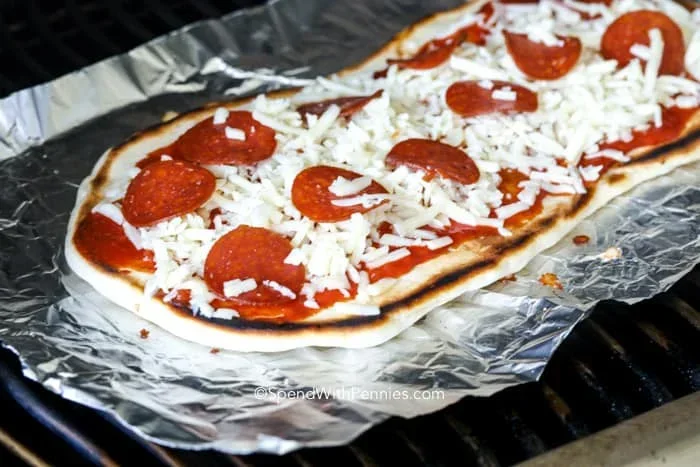
Place your pizza dough on the foil. If you are using store-bought dough or a frozen pizza, just unroll or unwrap it directly onto the foil. Add your sauce, cheese, and toppings as you normally would.
Step 4: Bake and Monitor
Slide the baking sheet with the foil and pizza into the oven. Bake for 10 to 15 minutes, or until the cheese is bubbly and golden brown. Keep an eye on the bottom crust. If it looks pale, you can slide the pizza off the foil directly onto the oven rack for the last two to three minutes. This gives the bottom a nice crisp.
Step 5: Remove and Enjoy
Use oven mitts to pull the baking sheet out. Let the pizza cool for a minute or two. Then lift it off the foil and serve. The foil is ready to be tossed in the trash, which is part of the beauty of this method.
Foil vs Pizza Stone vs Baking Sheet
Not everyone uses the same method for baking pizza. Let us compare the three most common options so you can decide what works best for you.
| Method | Crust Crispiness | Ease of Use | Cleanup | Cost |
|---|---|---|---|---|
| Aluminum Foil | Softer bottom | Very easy | Very easy | Very low |
| Pizza Stone | Very crispy bottom | Moderate | Moderate | Medium to high |
| Baking Sheet | Moderate crispiness | Easy | Easy | Low |
As you can see, foil ranks high on convenience and low on cleanup. A pizza stone gives you the best crust texture but requires more care and maintenance. A regular baking sheet is a solid middle ground. Many people actually use foil on top of a baking sheet for the best of both worlds. You get the easy cleanup of foil with a bit more structure from the sheet underneath.
Tips for Getting a Crispy Crust on Foil
If you love a crispy bottom crust but want to stick with foil, there are some tricks that can help. Here are practical tips that make a real difference.
Use a Higher Rack Position
Place your baking sheet on the upper-middle rack of the oven. This puts more direct heat toward the top of the pizza and helps the bottom cook a bit faster. Avoid the bottom rack, as this can leave the base undercooked when using foil.
Preheat the Baking Sheet
Before you put the pizza on the foil, try preheating the baking sheet in the oven for a few minutes. A hot sheet gives the bottom of the crust a head start and helps with some crispiness. Just be careful when handling the hot sheet.
Brush the Bottom with Oil
A light brush of olive oil on the bottom of the dough before adding sauce and cheese can help the crust brown and crisp up. This small step adds a lot of flavor and texture.
Limit Wet Toppings
Too much sauce or watery vegetables like fresh tomatoes and mushrooms can make the crust soggy, especially on foil. Use toppings sparingly and pat dry any vegetables before adding them to the pizza.
Finish Under the Broiler
For a last-minute crunch, switch your oven to the broil setting for the final one to two minutes. Watch it closely so it does not burn. This technique works wonders for getting a golden, crispy finish on any aluminum foil pizza.
Is It Safe to Reheat Pizza on Aluminum Foil?
Reheating pizza is one of the most common uses for foil, and it works really well. When you reheat pizza on foil, the foil helps distribute heat evenly around the slice. This prevents the cheese from burning while the crust warms through.
The key to great reheating is temperature control. Set your oven to around 375 degrees Fahrenheit. Place the pizza on foil on a baking sheet and heat for about five to seven minutes. This gentle heat melts the cheese back down and warms the toppings without drying everything out.
One thing to avoid is microwaving pizza when you can help it. A microwave makes the crust rubbery and chewy. The oven, even with foil, keeps the crust much closer to its original texture. If you want to learn more about oven-baked pizza techniques, understanding your oven settings is key to great results every time.
Common Mistakes When Using Foil for Pizza
Even though using foil is simple, people make mistakes that affect the final result. Here are the most common ones to avoid.
Using Too Small a Piece of Foil
If the foil is too small, pizza sauce and grease can drip onto the oven floor. This creates a mess and can even cause smoke. Always use a piece of foil that is larger than your pizza, with extra room on all sides.
Letting Foil Touch the Oven Walls
This is a serious safety concern. When foil touches the hot walls or heating elements of the oven, it can spark and potentially start a fire. Always keep the foil on a baking sheet and make sure it does not extend beyond the edges of the tray.
Skipping the Preheating Step
Putting a cold pizza on a cold foil-covered sheet and then placing it in a cold oven leads to uneven cooking. The crust can come out doughy and the cheese may not melt properly. Always preheat your oven first.
Using Foil for Frozen Pizza Without Adjusting Time
Frozen pizzas often need extra bake time when placed on foil because the foil insulates the bottom slightly. Check the pizza a few minutes earlier than the package directs and adjust from there.
Can You Use Foil for Every Type of Pizza?
Foil works with almost any kind of pizza. Thin crust pizzas do well on foil because they cook quickly and do not hold as much moisture. Thick crust or deep dish pizzas may need a bit more time since the dough is denser. The foil does not change the cooking temperature, so you just need to be patient and check for doneness.
For homemade pizza on foil, you have even more control. You can shape the dough exactly how you want it and place it right on the foil. This is a great method for beginners who are just learning to make pizza from scratch. It removes the need for a special pizza peel or a well-seasoned baking surface.
One thing to keep in mind is that foil is not reusable for pizza in most cases. Grease and cheese stick to it, and reusing dirty foil can affect the taste of your next pizza. Fresh foil for each session gives you the best results.
Expert Insights on Baking Pizza with Foil
Many professional bakers and pizza makers have opinions on using foil. While a pizza stone or a steel surface is often preferred for the best crust texture, most experts agree that foil is a perfectly fine option for home cooks. The key is understanding what foil does and does not do.
Foil does not absorb moisture the way a pizza stone does. A stone pulls steam away from the crust, which is what creates that signature crispy texture. Foil, on the other hand, traps some of that steam against the bottom of the pizza. This is why the crust can be softer. If you want to get closer to a stone baked result, try poking a few small holes in the foil before placing the pizza on it. This allows some steam to escape and can improve the bottom texture.
Another expert tip is to alternate between foil and parchment paper. Parchment paper gives you a crispier result, while foil makes cleanup easier. Using a combination of both can give you the best of both worlds. Place parchment on the foil for the pizza and peel the parchment off after baking for a cleaner bottom.
Key Takeaways
- Safe and Simple: Can I put pizza on aluminum foil in the oven? Yes, it is completely safe and one of the easiest methods for baking or reheating pizza at home.
- Great for Cleanup: Foil catches all the grease and cheese drips, making post-baking cleanup quick and effortless.
- Crust May Be Softer: Because foil does not absorb moisture like a pizza stone does, the bottom crust may be less crispy.
- Follow Safety Rules: Never let foil touch oven walls or heating elements. Always use a baking sheet underneath.
- Use These Tricks for Crispiness: Preheat the sheet, brush the bottom with oil, and finish under the broiler for a crunchier crust.
- Works for All Pizza Types: From thin crust to frozen pizza to homemade dough, foil handles them all with ease.
- Reheating Is a Breeze: Foil is excellent for reheating leftover pizza at 375 degrees for five to seven minutes.
Final Thoughts
So, can you put pizza on aluminum foil in the oven? Absolutely. It is one of the simplest, most convenient ways to enjoy fresh or reheated pizza at home. Whether you are baking a homemade pie from scratch or warming up leftover slices from last night, foil gets the job done with minimal effort and maximum cleanup ease.
The aluminum foil pizza method may not give you the absolute crispiest bottom crust compared to a pizza stone, but the difference is small and easy to work around. With the tips and tricks shared in this article, you can get great results every single time. Preheat your oven, use a good-sized piece of foil, and keep an eye on your pizza as it bakes.
Next time you are craving pizza and do not want to deal with a messy cleanup, reach for that roll of foil. Your pizza, your oven, and your kitchen counter will all thank you. Happy baking, and enjoy every slice.
Frequently Asked Questions
Can I put pizza directly on aluminum foil in the oven without a baking sheet?
You can, but it is not recommended. Without a baking sheet, the foil can droop and touch the oven walls or heating elements, which creates a fire hazard. Always place foil on a sturdy baking sheet for safe and even baking.
Does pizza on aluminum foil taste different than pizza on a pizza stone?
The taste is very similar, but the texture is different. A pizza stone absorbs moisture and creates a crispier crust, while foil traps some steam and results in a softer bottom. The toppings and cheese taste the same either way.
What temperature should I set my oven to when baking pizza on foil?
Most pizzas bake well at 425 to 475 degrees Fahrenheit on foil. Follow your recipe or pizza dough instructions for the best results. Always preheat the oven before placing the pizza inside.
Can I reuse aluminum foil after baking pizza on it?
It is best to use fresh foil each time. Cheese, sauce, and grease stick to the foil, and reusing it can affect the flavor and cleanliness of your next pizza. Foil is inexpensive, so using a new sheet each time is the easiest approach.
Is it safe to put aluminum foil in a convection oven for pizza?
Yes, aluminum foil is safe in a convection oven as long as you follow the same precautions. Do not let the foil touch the oven walls or the fan area. Use it on a baking sheet and keep it within the boundaries of the tray.
How long does it take to bake pizza on aluminum foil?
Baking time is usually 10 to 15 minutes at 425 to 475 degrees Fahrenheit. Thinner crusts cook faster, while thicker or frozen pizzas may need a few extra minutes. Check the cheese and crust color to know when it is done.