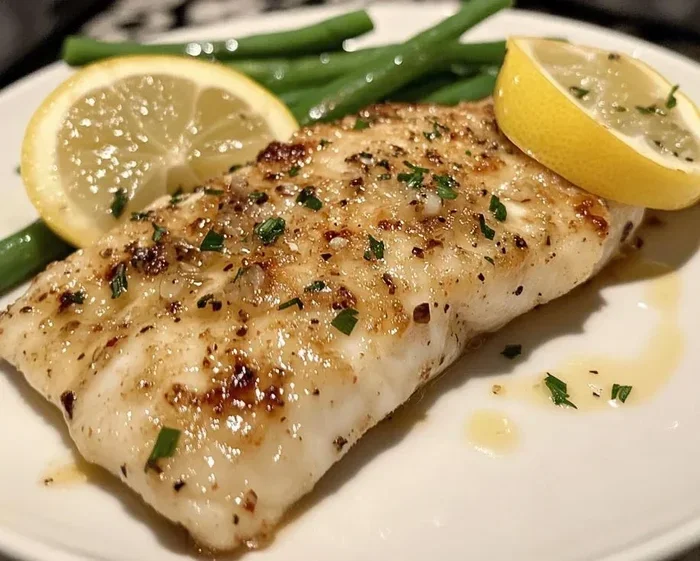
How To Cook Pollock In The Oven Perfectly Every Time
Cooking pollock in the oven is simple, fast, and produces a deliciously flaky result every time. This guide walks you through everything you need to know about how to cook pollock in the oven, from choosing the right fillets to nailing the perfect internal temperature. Whether you are using fresh or frozen fish, these methods guarantee a healthy, flavorful meal in under 30 minutes.
There is something truly wonderful about putting a simple fish dinner on the table without a lot of fuss. How to cook pollock in the oven is one of the easiest kitchen skills you can learn, and the results are always impressive. This mild, flaky white fish cooks quickly, absorbs flavors beautifully, and pairs with almost any side dish you can think of.
If you have been looking for a go-to fish recipe that does not require a lot of experience or special equipment, you are in the right place. In this guide, we will cover everything from basic oven-baked pollock to seasoned and crispy variations. You will learn the ideal temperature, timing, and tricks that make baked pollock a weeknight favorite.
Key Takeaways
- Oven temperature matters: Baking pollock at 400°F to 425°F gives the best texture and flavor.
- Cooking time is short: Most pollock fillets are done in 12 to 20 minutes depending on thickness.
- Seasoning makes all the difference: Simple herbs, lemon, and garlic elevate plain pollock into a restaurant-quality dish.
- Fresh and frozen both work: You can cook pollock straight from frozen with great results.
- Avoid overcooking: The fish is done when it flakes easily with a fork and reaches 145°F internally.
- Pair it well: Roasted vegetables, rice, or a fresh salad complement oven-baked pollock perfectly.
📑 Table of Contents
- Why Pollock Is a Great Fish for Oven Cooking
- How To Cook Pollock In The Oven: Step-by-Step Guide
- Best Seasonings and Flavors for Oven-Baked Pollock
- Frozen vs Fresh Pollock: Which Is Better for Baking?
- Common Mistakes to Avoid When Baking Pollock
- Expert Tips for Perfectly Crispy and Flaky Pollock
- Quick Tips for Busy Weeknights
- Frequently Asked Questions
- Conclusion
Why Pollock Is a Great Fish for Oven Cooking
Pollock has become one of the most popular fish choices for home cooks, and for good reason. It is affordable, widely available, and incredibly versatile. Whether you are cooking for one or feeding a family of four, oven-baked pollock fits the bill perfectly.
The Mild Flavor That Everyone Loves
One of the biggest advantages of pollock is its gentle, mild taste. Unlike stronger fish like mackerel or sardines, pollock does not overpower your palate. This makes it an excellent choice for people who are new to eating fish or who prefer a more subtle flavor profile.
The mild taste also means pollock acts as a perfect canvas for seasonings and marinades. You can go bold with garlic and herbs or keep it simple with just a squeeze of lemon and a pinch of salt. The fish will absorb whatever flavors you pair it with, making every pollock recipe feel fresh and new.
Nutritional Benefits of Oven-Baked Pollock
Beyond its great taste, pollock is a nutritional powerhouse. It is high in lean protein and low in fat, making it an ideal choice for anyone watching their calorie intake. A typical serving of baked pollock provides essential omega-3 fatty acids, which support heart health and brain function.
Baking pollock in the oven is one of the healthiest cooking methods available. Unlike frying, which adds extra oil and calories, oven baking lets the natural flavors shine without any unnecessary fat. This is why healthy fish recipes almost always feature oven-baked options.
Pollock vs. Other White Fish
You might wonder how pollock compares to other popular white fish like cod, haddock, or tilapia. The truth is, pollock holds its own very well. It has a slightly finer texture than cod but is just as flaky and easy to prepare. Here is a quick comparison to help you understand where pollock stands.
| Fish Type | Flavor | Texture | Cooking Time (Oven) | Price |
|---|---|---|---|---|
| Pollock | Mild, delicate | Flaky, tender | 12-20 min | Budget-friendly |
| Cod | Mild, slightly sweet | Firm, chunky | 15-25 min | Moderate |
| Haddock | Mild, creamy | Flaky, soft | 15-20 min | Moderate |
| Tilapia | Very mild | Delicate, thin | 10-15 min | Budget-friendly |
As you can see, pollock offers a great balance of flavor, texture, and value. It cooks faster than cod and haddock while still delivering that satisfying flake we all love.
How To Cook Pollock In The Oven: Step-by-Step Guide
Now that you know why pollock is such a great choice, let us get into the details of how to cook pollock in the oven. The process is straightforward, but a few small details make a big difference in the final result.
Step 1: Preheat Your Oven
Start by preheating your oven to 400°F (200°C). This is the sweet spot for baking pollock fillets. The high heat helps create a light, crispy exterior while keeping the inside moist and tender. If you prefer a slower cook, 375°F works too, but you will need to add a few extra minutes.
Always give your oven at least 10 to 15 minutes to reach the right temperature. Putting fish into a cold oven leads to uneven cooking and can leave parts of the fillet raw while other parts dry out.
Step 2: Prepare the Pollock Fillets
Take your pollock fillets out of the refrigerator about 10 minutes before cooking. Letting them come to room temperature helps them cook more evenly. Pat the fillets dry with a paper towel. This step is crucial because moisture on the surface creates steam, which prevents browning and crispiness.
If your fillets are thick, you can use a sharp knife to make a shallow cut along the thickest part. This helps the heat penetrate evenly and reduces cooking time.
Step 3: Season the Fish
Seasoning is where you can really get creative. A basic approach works beautifully: drizzle olive oil over the fillets, then add salt, pepper, garlic powder, and a sprinkle of paprika. For something more flavorful, try our herb butter method described below.
Be generous with your seasoning but keep it balanced. The goal is to enhance the natural taste of the fish, not mask it. A light coat of oil also helps the seasonings stick to the surface and promotes even browning.
Step 4: Place on a Prepared Baking Sheet
Line a baking sheet with parchment paper or lightly grease it with cooking spray. Place the fillets skin-side down if the skin is still on. Leave a small gap between each fillet to allow hot air to circulate freely.
Pro tip: If you do not have parchment paper, a lightly oiled sheet pan works just as well. The parchment makes cleanup easier and prevents sticking, which is especially helpful when baking thinner fillets.
Step 5: Bake and Monitor
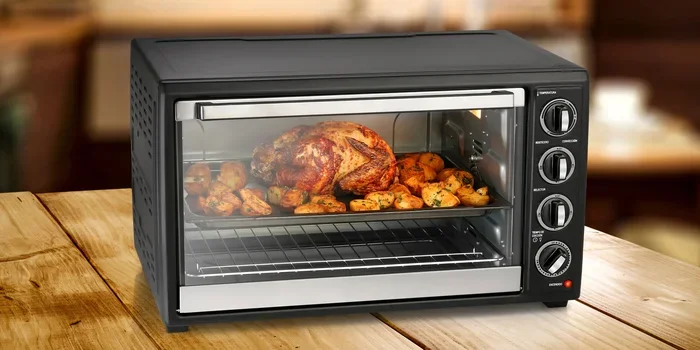
Place the baking sheet on the middle rack of your oven. Bake for 12 to 15 minutes for standard-thickness fillets. Thicker cuts may need up to 20 minutes. The fish is done when it turns opaque white, flakes easily with a fork, and reaches an internal temperature of 145°F (63°C).
Avoid opening the oven door too often during baking. Each time you open the door, the temperature drops, which can lead to uneven cooking. Trust the timer and check the fish only once near the end of the cooking time.
Step 6: Rest and Serve
Remove the pollock from the oven and let it rest for 2 to 3 minutes. This brief resting period allows the juices to redistribute, making the fillet more flavorful and moist. Serve immediately with your favorite sides like roasted vegetables, steamed rice, or a crisp green salad.
Best Seasonings and Flavors for Oven-Baked Pollock
One of the best things about baking pollock in the oven is how well it pairs with different flavors. The mild taste of the fish welcomes a wide range of seasonings, so you can change up your approach every time.
Lemon Herb Classic
This is the most popular way to season pollock and for good reason. Combine fresh lemon juice, olive oil, minced garlic, chopped dill, and a pinch of salt. Drizzle the mixture over the fillets before baking. The result is a bright, refreshing dish that tastes like it came from a seaside restaurant.
Mediterranean Style
For a Mediterranean twist, use olive oil, sun-dried tomatoes, kalamata olives, capers, and dried oregano. Add a splash of white wine before baking for extra depth of flavor. This combination turns simple pollock fillets into a vibrant, bold dish that pairs beautifully with couscous or crusty bread.
Spicy Cajun Rub
If you enjoy a bit of heat, a Cajun seasoning blend works wonders on pollock. Mix paprika, cayenne pepper, garlic powder, onion powder, thyme, and oregano. Rub the blend into the fish with a little butter before baking. The spicy crust adds a satisfying crunch to the tender fish inside.
Asian-Inspired Glaze
For something different, try a soy-ginger glaze. Mix soy sauce, sesame oil, fresh ginger, and a touch of honey. Brush the glaze onto the fillets during the last 5 minutes of baking. Garnish with sesame seeds and sliced green onions for a beautiful finish.
Frozen vs Fresh Pollock: Which Is Better for Baking?
A common question many home cooks ask is whether to use fresh or frozen pollock. The good news is that both options work well for oven baking, and each has its own advantages.
When to Use Fresh Pollock
Fresh pollock has the best natural flavor and texture. If you can find it at your local fish market or grocery store, it is worth using for a special meal. Fresh fillets cook more evenly and tend to have a cleaner, sweeter taste. They also absorb seasonings more effectively because the flesh is more porous when fresh.
Look for fresh pollock that has a mild sea smell, bright white flesh, and firm texture. Avoid any fillets that look dull, discolored, or have a strong fishy odor. Store fresh pollock in the refrigerator and use it within one to two days for the best results.
When to Use Frozen Pollock
Frozen pollock is incredibly convenient and often more affordable. Modern flash-freezing technology preserves the nutritional value and taste of the fish remarkably well. You can keep frozen pollock in your freezer for weeks or even months, making it a reliable option for quick meals.
You can cook frozen pollock directly from frozen without thawing first. Simply increase the baking time by about 5 minutes and make sure the center reaches the safe internal temperature. Thawing overnight in the refrigerator produces slightly better texture, but it is not strictly necessary.
Quick Comparison Table
| Factor | Fresh Pollock | Frozen Pollock |
|---|---|---|
| Flavor | Cleaner, sweeter | Very good, slightly muted |
| Texture | Firmer, more tender | Slightly softer |
| Convenience | Must cook within 1-2 days | Keeps for months |
| Price | Higher | Lower |
| Cooking From Frozen | Not applicable | Yes, works well |
For everyday meals, frozen pollock is hard to beat. For a dinner party or special occasion, fresh pollock gives you that extra edge in flavor and presentation.
Common Mistakes to Avoid When Baking Pollock
Even though cooking pollock in the oven is simple, a few common mistakes can ruin an otherwise perfect dish. Here are the pitfalls to watch out for.
Overcooking the Fish
The number one mistake people make is leaving pollock in the oven too long. Pollock is a lean fish with very little fat, which means it dries out quickly once it is overcooked. A dry, chalky fillet is nobody’s idea of a good meal. Set a timer, check the fish early, and pull it out as soon as it flakes easily with a fork.
Skipping the Preheat
Some people place their fish into a cold oven and hope for the best. This leads to uneven cooking and a soggy texture. Always preheat your oven so the fish starts cooking at the right temperature from the moment it goes in.Using Too Much Oil or Butter
Pollock does not need a lot of fat to cook well. A light drizzle of olive oil or a thin spread of butter is enough. Using too much creates a greasy finish and adds unnecessary calories to an otherwise healthy dish.
Crowding the Baking Sheet
Give each fillet enough space on the baking sheet. Crowding traps steam and prevents the top from crisping up. If you are cooking multiple fillets, use two baking sheets or cook them in batches.
Not Seasoning Enough
Because pollock has a mild flavor, it needs a little help from seasonings. A plain fillet with just salt can taste bland. Be adventurous with your seasoning choices and do not be afraid to add bold flavors.
Expert Tips for Perfectly Crispy and Flaky Pollock
Want to take your oven-baked pollock to the next level? These expert tips will help you achieve restaurant-quality results right in your own kitchen.
Use a Hot Oven
A hot oven, around 425°F, is your best friend when baking pollock. The high heat sears the surface quickly, locking in moisture and creating a light golden crust. Lower temperatures tend to steam the fish, which can result in a pale, soft exterior.
Add a Breadcrumb Topping
For a crispy texture, try coating your seasoned fillets with a thin layer of breadcrumbs mixed with grated Parmesan cheese. Press the mixture gently onto the top of each fillet before baking. The breadcrumbs toast in the oven and create a satisfying crunch that contrasts beautifully with the soft fish underneath.
Let the Fish Rest After Baking
Resting the fish for just a couple of minutes after removing it from the oven makes a noticeable difference. The residual heat continues to cook the fish gently, and the juices settle back into the flesh. This results in a moister, more flavorful fillet every single time.
Pair with the Right Sides
The sides you serve with your pollock can elevate the entire meal. Roasted asparagus, garlic mashed potatoes, lemon rice, or a simple mixed green salad all work wonderfully. Keep the sides light and fresh to complement the delicate flavor of the fish.
Experiment with Citrus
Lemon is the classic pairing for pollock, but do not be afraid to try other citrus fruits. Orange slices, lime wedges, or even grapefruit segments add a unique twist. Place thin citrus slices on top of the fillets before baking. The citrus juices steam into the fish, adding a bright, tangy flavor that cuts through the richness of the oil.
Quick Tips for Busy Weeknights
Baking pollock is one of the fastest fish dinners you can prepare. Here are some quick tips to make it even easier on busy nights.
- Use thin fillets: Thinner cuts cook in as little as 10 minutes, perfect for quick weeknight meals.
- Prep in advance: Season your fillets the night before and store them in the fridge. They are ready to bake when you are.
- One pan meals: Toss chopped vegetables on the same baking sheet as the pollock. Everything cooks together and you only wash one pan.
- Keep it simple: Even three ingredients, olive oil, salt, and lemon, can produce a delicious result.
- Set a timer: Pollock cooks fast, and a timer prevents overcooking. Set it for 10 minutes and check for doneness.
Frequently Asked Questions
What temperature should I bake pollock at?
The ideal temperature for baking pollock is 400°F to 425°F (200°C to 220°C). This range cooks the fish quickly while creating a light, crispy exterior and a moist, flaky interior. Lower temperatures may cause the fish to dry out or cook unevenly.
How long does it take to cook pollock in the oven?
Most pollock fillets take 12 to 20 minutes to bake, depending on the thickness of the fillet and the oven temperature. Thin fillets at 425°F may be done in as little as 10 minutes, while thicker cuts might need the full 20 minutes. Always check that the internal temperature reaches 145°F.
Can I cook frozen pollock directly in the oven?
Yes, you can cook frozen pollock in the oven without thawing it first. Simply increase the baking time by about 5 to 7 minutes to account for the frozen start. Make sure the center of the fillet reaches the safe internal temperature of 145°F before serving.
How do I know when pollock is done?
Pollock is done when it turns opaque white, flakes easily with a fork, and reaches an internal temperature of 145°F (63°C). The flesh should look firm but still moist. If the fish appears translucent or mushy in the center, it needs more time in the oven.
What are the best seasonings for oven-baked pollock?
Lemon and dill, garlic and herb, Cajun spice, and a soy-ginger glaze are all excellent choices for seasoning pollock. The mild flavor of pollock pairs well with almost any seasoning blend. Fresh herbs like parsley, thyme, and basil add a wonderful aromatic quality that dried herbs cannot quite match.
Is pollock a healthy fish to eat?
Absolutely. Pollock is a lean, low-calorie fish that is rich in protein and omega-3 fatty acids. Baking it in the oven is one of the healthiest preparation methods because it does not require added oils or fats. It is a great choice for heart-healthy diets and weight management plans.
Conclusion
How to cook pollock in the oven is a skill that anyone can master with a little practice and the right guidance. From preheating the oven to choosing the perfect seasonings, every step in this process is designed to be simple and enjoyable. Pollock is one of the most versatile, affordable, and nutritious fish you can buy, and baking it in the oven brings out its best qualities every time.
Remember to keep your oven at 400°F to 425°F, watch your cooking time carefully, and never be afraid to experiment with flavors. Whether you prefer a classic lemon herb approach or a bold spicy rub, the oven delivers consistent, delicious results with minimal effort.
Now that you have all the tools and tips you need, it is time to head to the kitchen and put this knowledge to work. Grab some pollock fillets, preheat your oven, and enjoy a healthy, flavorful meal that the whole family will love. Baked pollock might just become your new go-to dinner recipe.