Is It Safe To Leave Your Self Cleaning Oven Unattended
Is it safe to leave your self cleaning oven unattended? Many homeowners wonder about the risks of the pyrolytic cleaning cycle. While modern ovens have safety locks, leaving them alone still carries potential hazards like fumes and fire risks. You must ensure proper ventilation and remove pets before starting the cleaning process. Read on to learn exactly how to stay safe.
Owning a self cleaning oven is a modern convenience. It saves you from scrubbing tough baked-on grease. But a big question remains. Is it safe to leave self cleaning oven unattended? Many busy homeowners start the cycle and walk away. They assume the oven will handle everything safely. However, the truth is more nuanced. The oven cleaning cycle uses extreme heat. This heat turns food residue into ash. But this process also comes with risks. You need to understand these risks before you press start.
Safety should always come first in your kitchen. A pyrolytic cleaning cycle can reach temperatures over 900 degrees Fahrenheit. At these temperatures, things can go wrong. Fumes can fill your home. The oven door locks tightly during the process. If something goes wrong, you cannot open it. This guide will answer your safety questions. We will look at the real dangers. We will also share expert tips to keep your home safe. By the end, you will know exactly what to do. You will feel confident about using your self cleaning oven safely.
Key Takeaways
- Never leave pets or children near the oven: The extreme heat and fumes are dangerous.
- Always check the manufacturer manual: Guidelines vary by brand and model.
- Ventilation is critical: Open windows and turn on fans to clear fumes.
- Remove debris before the cycle: Large food spills can cause smoke or fire.
- Wait for the cooling cycle: The door stays locked until it is safe to open.
- Beware of carbon monoxide: Burning residue can release harmful gases.
📑 Table of Contents
Understanding How Self Cleaning Ovens Work
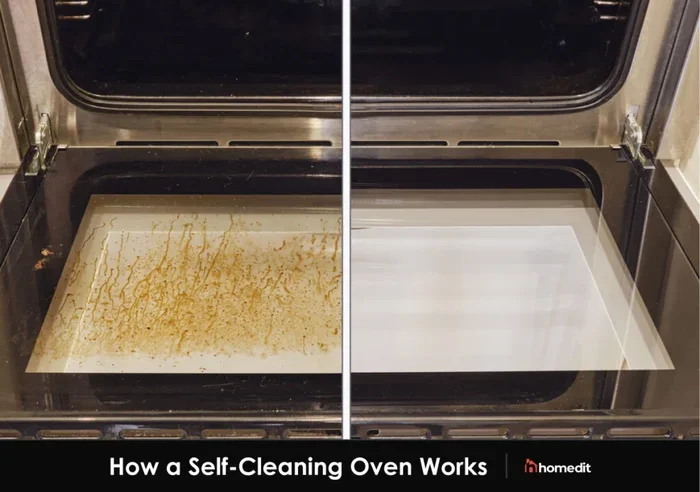
Before you decide to leave the room, you need to know how the self cleaning oven works. The technology relies on intense heat. This heat burns off food spills and grease. The process is called pyrolysis. It reduces organic matter to ash. You can then wipe the ash away easily. But the extreme temperatures involved create a unique environment. Understanding this helps you appreciate the safety features. It also highlights the potential dangers.
The interior of the oven is lined with special insulation. This insulation is designed to withstand extreme heat. It prevents the outer shell from becoming a fire hazard. The walls also have a catalytic coating in some models. This coating helps absorb grease over time. However, the most common method is the pyrolytic cleaning cycle. This cycle uses radiant heat to incinerate food particles. The process is entirely automatic. You just press a button and wait.
The Pyrolytic Cleaning Process
The pyrolytic cleaning cycle is a modern marvel. The oven raises its internal temperature to around 900 degrees. It holds this heat for several hours. The extreme heat destroys food residue at a molecular level. The oven walls are designed to withstand this. They use special insulation to keep the heat inside. The door locks automatically when the cycle starts. This prevents burns from the superheated glass.
During this time, the oven consumes a lot of energy. It also produces smoke. As the food residue burns, it turns into smoke. This smoke eventually cools into fine ash. The entire process takes about three to four hours. Because the cycle takes so long, many people wonder if they can leave. Is it safe to leave self cleaning oven unattended during this time? The answer depends on several factors. You must consider your specific oven model and your home environment. The age of your oven also plays a role.
What Happens During the High Heat Cycle
The oven cleaning cycle pushes the appliance to its limits. The inside of the oven glows red hot. The outside of the oven also gets very warm. The ventilation system works hard to expel smoke. However, some fumes inevitably escape into your kitchen. These fumes can smell strong. They may even trigger your smoke detectors. The oven door lock engages to keep everyone safe from the extreme heat. You cannot open the door until the temperature drops to a safe level.
While the oven is designed to handle this heat, it puts a strain on the appliance. The control board manages the temperature carefully. It prevents the oven from overheating dangerously. But electrical or mechanical failures can still happen. This is why understanding the risks is so important. You should never treat the self cleaning oven as a completely hands-off appliance. Even with automatic settings, human awareness adds a layer of protection. The thermal fuse is a backup safety device. It will shut off the oven if it senses a dangerous temperature spike. The exterior glass stays hot for hours after the cycle ends.
Is It Safe To Leave Self Cleaning Oven Unattended?
The direct answer to this question is tricky. Most manufacturers say you can leave the house. They state that the oven is designed to be safe. The automatic lock and temperature controls add layers of protection. However, safety experts often advise a different approach. They recommend staying home and monitoring the process. The risk of a fire or fume buildup is low. But if it happens, the consequences can be severe.
The Manufacturer Guidelines
Every self cleaning oven comes with a user manual. The manual provides specific instructions for the cleaning cycle. Most manuals state that the oven is safe to operate alone. They emphasize that the door lock is a key safety feature. The lock prevents accidental opening during the high heat phase. It also prevents oxygen from entering and fueling a potential fire.
However, the manual also includes warnings. It tells you to remove all food debris before starting. It warns against using chemical cleaners during the pyrolytic cycle. The manual also advises you to keep the area well ventilated. If you follow the manual, the risk is minimal. But reading the fine print is essential. Do not assume your specific model is the same as another. Always check the guidelines for your oven model first. Each brand has its own safety protocols. Some ovens have a cool-touch exterior, while others do not.
The Risks of Walking Away
When you leave the house, you remove yourself from the equation. If a fire starts, you are not there to stop it. A small grease fire can grow quickly. The high heat of the cleaning cycle can ignite larger food particles. If the oven ventilation is blocked, smoke can build up. This smoke can set off your fire alarms. Worse, it can spread to the cabinets above the oven. Your neighbors might even call the fire department.
Another risk is carbon monoxide. When food burns at extreme temperatures, it can release carbon monoxide. This is a colorless, odorless gas. It is dangerous in high concentrations. If your kitchen is not ventilated, the gas can accumulate. Staying home allows you to ventilate the room if needed. It also lets you turn off the oven if something smells wrong. Walking away removes your ability to react quickly. For this reason, many fire safety experts suggest staying nearby. If you smell burning plastic or an unusual odor, act fast.
Potential Hazards and Safety Concerns
Understanding the potential hazards helps you make an informed decision. The self cleaning oven is generally safe. But it operates under extreme conditions. These conditions can create unexpected problems. Knowing what to look for keeps your home safe.
Carbon Monoxide and Fumes
The burning of food residue produces smoke and fumes. In some cases, this includes carbon monoxide. This gas is a silent killer. It has no smell or color. During the oven cleaning cycle, the fumes can be quite strong. If your kitchen lacks proper ventilation, these fumes linger. They can cause headaches, dizziness, or nausea. People with respiratory issues are especially vulnerable. Asthmatics may find the smoke triggers an attack. Indoor air quality drops significantly during this process.
To reduce fume risks, you should open windows. Turn on the exhaust fan before starting the cycle. This creates an escape route for the smoke. It also brings fresh air into the kitchen. If you must leave the house, ensure the ventilation is on. However, staying home is always the safest option. You can open a window immediately if the smoke becomes overwhelming. Fresh air circulation is your best defense against fume buildup. It also helps the oven cool down faster after the cycle ends.
Fire Hazards and Overheating
A fire is the most serious risk associated with the pyrolytic cleaning process. The oven reaches temperatures hot enough to ignite materials. If there is leftover foil or large food scraps, they can catch fire. The intense heat can also damage the oven insulation over time. Electrical faults in the oven can also cause fires. While modern ovens have safety shut-offs, no appliance is perfect.
You can minimize fire risks by cleaning the oven manually first. Remove large chunks of food before starting the self cleaning oven cycle. Wipe up any liquid spills. This reduces the amount of smoke produced. It also lowers the chance of a flame starting. If you see smoke coming from under the door, do not ignore it. A small flame can become a big problem fast. Acting quickly can save your kitchen. Keep a fire extinguisher nearby just in case.
Pyrolytic vs. Steam Cleaning: A Safety Comparison
Not all self-cleaning ovens use the same method. Pyrolytic cleaning uses extreme heat. Steam cleaning uses lower temperatures and water. Here is a quick look at how they compare.
| Feature | Pyrolytic Cleaning | Steam Cleaning |
|---|---|---|
| Temperature | Very high (around 900°F) | Low (around 200°F) |
| Cycle Time | 2 to 4 hours | 20 to 30 minutes |
| Fumes Produced | Significant smoke and fumes | Minimal steam |
| Door Lock | Yes, locks automatically | No, usually stays unlocked |
| Safety Risk | Higher heat and fume risks | Lower risk overall |
Steam cleaning is generally considered safer because it operates at lower temperatures. However, pyrolytic cleaning is more thorough for tough grime. If you choose pyrolytic, the risks are manageable. You just need to follow safety rules carefully. Always know which type of oven cleaning cycle your appliance uses. Reading the label on your oven helps you choose the right method.
Pets, Children, and Household Safety
Your home is not just for you. It is for your family and pets. The self cleaning oven poses specific risks to vulnerable household members. Children and animals are naturally curious. They might approach the hot oven door. The exterior of the oven gets very hot during the cycle. A burn can happen in seconds. The door lock prevents them from opening the oven. But the outside glass can still cause severe burns.
Keeping Furry Friends Safe
Pet owners need to be extra careful. Dogs and cats often roam the kitchen. They might sniff the hot oven or rub against it. The fumes from the oven cleaning cycle are also harmful to animals. Pets have sensitive respiratory systems. The smoke can irritate their lungs. Birds are especially sensitive to fumes and should be moved to another room immediately. Birds have very efficient respiratory systems, making them highly vulnerable to airborne toxins.
Before you start the pyrolytic cleaning cycle, secure your pets. Keep them in a different room with the door closed. This protects them from burns and fumes. It also prevents them from knocking things over near the hot appliance. A safe pet is a happy pet. Make sure their water bowl is far from the kitchen heat. Birds should be moved well before you start the cycle. Even after the oven cools, residual fumes can linger in the room.
Protecting Young Children
Young children do not understand the danger of a hot oven. The oven door lock keeps them from opening the door. But the exterior glass can still burn them. Children might press their hands against the hot glass out of curiosity. The smoke and fumes can also bother little ones. They might have trouble breathing or start coughing. The high heat radiating from the oven is a serious burn risk.
If you have toddlers, it is best to stay home. You can redirect them away from the kitchen. You can also explain that the oven is too hot. Keeping children out of the kitchen during the cycle is a smart rule. It removes the worry of accidents while the self cleaning oven works. Establishing a kitchen boundary during cleaning time is a great habit. It teaches kids to respect kitchen appliances and stay safe.
Expert Tips for Safe Oven Cleaning
You do not have to choose between a clean oven and a safe home. You can do both with the right approach. Following expert advice makes the self cleaning oven much safer. These tips help you manage the risks effectively.
Preparing Your Kitchen
Preparation is the first step to a safe cleaning cycle. Before you press the start button, do a few things. Remove all racks, pans, and foil from the oven. These items can spark or catch fire. Wipe the bottom of the oven with a damp cloth. This removes loose crumbs and grease. Less grease means less smoke during the oven cleaning cycle.
Next, clear the area around the oven. Move dish towels and plastic items away. The heat can radiate beyond the oven walls. Keep cabinets closed if they are directly above the oven. This prevents heat from damaging the wood or igniting dust. A clean kitchen setup makes the pyrolytic cleaning process much safer. It also reduces the amount of smoke your ventilation system must handle. You can also place a baking soda paste on stubborn spots before the cycle. This reduces the amount of burning needed to remove the residue.
- Clean up spills immediately: Do not let food bake onto the oven floor.
- Use the steam clean feature first: It loosens grime for the pyrolytic cycle.
- Run the exhaust fan during cooling: It clears out remaining odors.
- Wait for the door to unlock: Do not force the door open.
Ventilation Best Practices
Proper ventilation is your best friend during the cleaning cycle. The fumes and smoke need somewhere to go. Open a window in the kitchen before you start. Turn on the range hood or exhaust fan. This pulls the smoke out of your home. It also brings fresh air into the kitchen.
If you must leave the house, make sure the ventilation is running. However, staying home is always better. You can adjust the windows if the smoke gets too heavy. Fresh air flow also helps the cooling fan work efficiently. It prevents stale odors from lingering in your kitchen after the self cleaning oven is done. Consider placing a fan across the room to improve air circulation. This pushes the fumes out faster and keeps the air fresh for your family.
Common Mistakes to Avoid
Even with the best intentions, people make mistakes. These mistakes can turn a safe cleaning cycle into a hazard. Avoiding common errors keeps your home and family safe.
Ignoring the Manual
Every oven is different. The self cleaning oven manual contains specific safety information. Skipping the manual means you might miss important warnings. Some ovens require you to unlock the door manually after the cycle. Others have specific ventilation requirements. Reading the manual takes only a few minutes. It can save you from a costly mistake or an accident. Do not guess when it comes to appliance safety. The manual is your best resource for proper use.
Skipping the Pre-Cleaning Step
Many people skip the manual pre-cleaning step. They just start the pyrolytic cleaning cycle with large food spills inside. This is a big mistake. Large spills create excessive smoke. The smoke can stain your oven doors or cabinets. It also increases the risk of a flare-up. Taking five minutes to wipe out the oven makes a huge difference. It makes the oven cleaning cycle safer and more efficient. A little prep work saves a lot of trouble later. It also reduces the overall cleaning time and energy usage.
Conclusion
So, is it safe to leave your self cleaning oven unattended? The short answer is that it is generally safe if you follow the manufacturer guidelines. The pyrolytic cleaning process is designed with safety features like the oven door lock and automatic shut-off. However, the risks of fumes and fire mean you should not take it lightly. The best practice is to stay home and monitor the cycle. Ensure your kitchen is well ventilated. Keep pets and children far away from the hot appliance.
By taking a few simple precautions, you can use the self cleaning oven safely. Remove debris before you start. Open a window for fresh air. Trust your instincts. If something smells wrong, turn the oven off and ventilate the room. A clean oven is great, but a safe home is even better. Make the choice that keeps your household protected while you enjoy the convenience of modern kitchen appliances. Your family deserves a safe and clean cooking environment. Always prioritize safety over convenience when using the self cleaning oven.
Frequently Asked Questions
Can I leave my house while the oven is self cleaning?
Most manufacturers state that it is safe to leave the house during the cycle. However, safety experts recommend staying home. If you must leave, ensure the kitchen is well ventilated and the area is clear of flammable items.
What should I do if smoke comes from the oven during cleaning?
If you see smoke, do not panic. Open a window immediately to ventilate the room. If the smoke is excessive or you see flames, turn off the oven and unplug it if it is safe to do so.
How long does the self cleaning cycle take?
The pyrolytic cleaning cycle typically takes between two and four hours. The exact time depends on your oven model and how dirty the interior is. Always check your oven manual for the specific duration.
Is the pyrolytic cleaning process safe for pets?
The fumes produced during the cycle can be harmful to pets, especially birds. It is best to move all pets to a different room with the door closed before starting the oven cleaning cycle.
Why does the oven door lock during the cleaning cycle?
The oven door lock engages to prevent burns from the extreme heat inside. It also stops oxygen from entering the oven, which helps prevent a fire hazard. The door will automatically unlock once the oven cools to a safe temperature.
Can I use commercial oven cleaner with the self cleaning feature?
No, you should never use chemical cleaning agents during the pyrolytic cleaning cycle. The extreme heat can cause these chemicals to release toxic fumes. Only use the self cleaning feature on a bare oven interior without added chemicals.